
 EN
EN
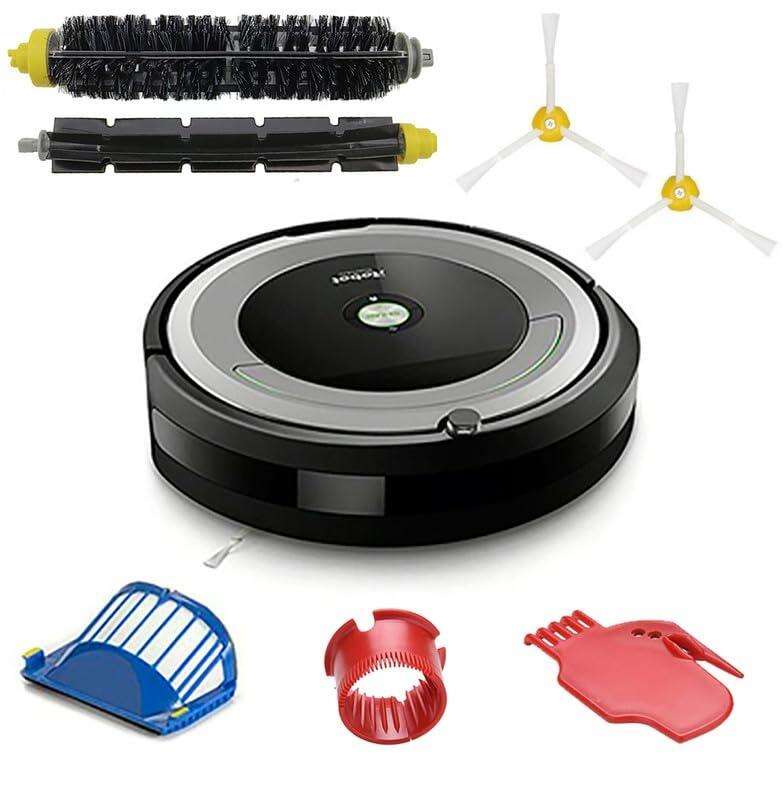
Maintaining robot vacuum accessories properly is the key difference between getting months versus years of reliable cleaning performance from your automated cleaning system. When robot vacuum accessories are neglected, they quickly accumulate debris, lose suction efficiency, and require premature replacement, driving up operational costs and reducing cleaning effectiveness.
Professional maintenance protocols for robot vacuum accessories extend service life by 200-300% while maintaining consistent cleaning performance throughout the operational period. This comprehensive approach involves systematic cleaning schedules, proper storage techniques, and proactive component monitoring to prevent premature wear and costly emergency replacements that disrupt cleaning operations.
Understanding Robot Vacuum Accessory Wear Patterns
Primary Wear Factors Affecting Component Longevity
Robot vacuum accessories experience wear through multiple mechanisms that compound over time when not properly managed. Brush components face the highest stress from continuous contact with debris, pet hair, and floor surfaces, while filter elements gradually lose porosity as microscopic particles embed within the filtration media. Understanding these wear patterns enables targeted maintenance interventions that address specific degradation mechanisms before they compromise performance.
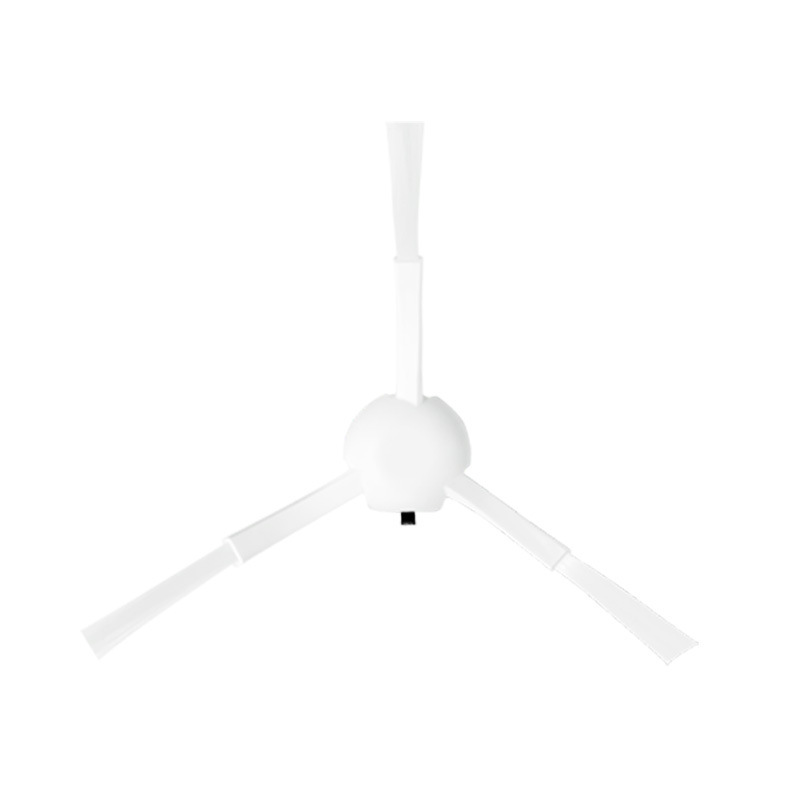
Mechanical wear occurs primarily at contact points where robot vacuum accessories interact with flooring surfaces and debris. Roller brushes develop uneven bristle wear when debris wraps around the brush shaft, creating imbalanced rotation that accelerates bearing wear and reduces cleaning effectiveness. Side brushes experience tip wear from repeated contact with wall edges and furniture legs, gradually losing their ability to sweep debris effectively from corners and edges.
Chemical degradation affects robot vacuum accessories through exposure to cleaning agents, moisture, and environmental contaminants that break down polymer materials over time. Filter media becomes less effective as pore structure changes due to particle loading and chemical exposure, while rubber seals and gaskets lose flexibility and sealing capability when exposed to cleaning solvents or extreme temperature variations.
Environmental Impact on Accessory Performance
Operating environment significantly influences the service life of robot vacuum accessories through dust loading, humidity levels, and floor surface characteristics. High-dust environments cause accelerated filter clogging and increased brush wear, requiring more frequent maintenance intervals to maintain optimal performance. Pet hair creates unique challenges by wrapping around brush assemblies and clogging suction pathways, necessitating specialized removal techniques and modified cleaning schedules.
Flooring types directly affect wear rates on robot vacuum accessories, with rough concrete surfaces causing rapid bristle degradation while smooth hardwood floors enable extended service intervals. Carpet fibers can entangle brush elements and introduce static electricity that affects debris collection efficiency, requiring specific maintenance approaches to address fiber accumulation and static discharge issues.
Humidity conditions influence the performance and longevity of robot vacuum accessories by affecting material properties and debris characteristics. High humidity environments can cause filter media to retain moisture, reducing filtration efficiency and promoting bacterial growth, while extremely dry conditions may increase static buildup and affect debris collection performance in sensitive electronic components.
Systematic Cleaning Protocols for Maximum Longevity
Daily Maintenance Procedures
Implementing daily maintenance procedures for robot vacuum accessories prevents debris accumulation and identifies potential issues before they cause performance degradation or component damage. Daily inspection should focus on removing visible debris from brush assemblies, checking for tangled materials that could cause imbalanced rotation, and ensuring that suction pathways remain clear of obstructions that reduce cleaning effectiveness.
Brush cleaning requires systematic removal of hair, threads, and fibrous materials that wrap around roller assemblies during normal operation. Using appropriate tools such as brush cleaning combs or scissors, carefully remove entangled materials without damaging bristles or brush mounting hardware. Pay particular attention to brush end caps and bearing surfaces where debris accumulation can cause binding and premature wear of rotating components.
Filter maintenance involves visual inspection and gentle cleaning to maintain airflow capacity without damaging filtration media. Remove loose debris by tapping filters gently or using compressed air at low pressure, avoiding aggressive handling that could damage delicate filter structures. Monitor filter condition indicators if available, and document cleaning frequency to establish optimal maintenance intervals based on actual operating conditions.
Weekly Deep Cleaning Requirements
Weekly deep cleaning procedures address accumulated contaminants that daily maintenance cannot remove, ensuring that robot vacuum accessories maintain peak performance throughout their service life. This involves complete disassembly of accessible components, thorough washing where appropriate, and detailed inspection for signs of wear or damage that require attention before the next operating cycle.
Comprehensive brush maintenance includes removal from the robot vacuum for thorough cleaning and inspection of all surfaces and mounting hardware. Wash brush assemblies in warm water with mild detergent, using soft brushes to remove embedded debris without damaging bristle materials. Allow complete drying before reinstallation to prevent moisture-related issues such as bearing corrosion or electrical problems in motorized brush assemblies.
Filter system maintenance requires complete removal and cleaning of all filter elements according to manufacturer specifications for robot vacuum accessories. Some filters can be washed with water and mild detergent, while others require dry cleaning methods or replacement at specified intervals. Document filter condition and cleaning effectiveness to optimize replacement schedules and identify potential issues with filtration system design or operation.
Proactive Component Monitoring and Replacement Strategies
Performance Indicators and Warning Signs
Monitoring performance indicators enables early detection of robot vacuum accessories degradation before complete failure disrupts cleaning operations. Key performance metrics include suction power measurements, brush rotation speed consistency, and cleaning pattern effectiveness that indicate when components require attention or replacement to maintain optimal performance levels.
Visual inspection reveals early signs of wear in robot vacuum accessories that may not yet affect performance but indicate approaching replacement needs. Look for bristle wear patterns, filter discoloration, seal degradation, and mounting hardware looseness that could lead to component failure if not addressed promptly. Document inspection findings to track wear progression and optimize replacement timing for cost-effective maintenance scheduling.
Operational symptoms provide real-time feedback about robot vacuum accessories condition through observable changes in cleaning effectiveness, noise levels, and movement patterns. Reduced suction indicates filter clogging or seal degradation, while unusual noises suggest brush imbalance or bearing wear that requires immediate attention to prevent secondary damage to drive systems or chassis components.
Strategic Replacement Planning
Strategic replacement planning for robot vacuum accessories optimizes total cost of ownership by balancing component costs against performance degradation and potential secondary damage from continued operation of worn parts. Develop replacement schedules based on actual operating hours and environmental conditions rather than arbitrary time intervals that may result in premature replacement or unexpected failures.
Inventory management ensures availability of critical robot vacuum accessories while minimizing carrying costs and obsolescence risks. Maintain stock levels based on consumption history and lead times, prioritizing high-wear items such as brushes and filters while keeping lower-frequency replacement parts available for emergency situations that require immediate restoration of cleaning operations.
Cost-benefit analysis guides replacement decisions by comparing the cost of new robot vacuum accessories against the performance impact of continued operation with degraded components. Consider factors such as energy consumption increases, cleaning effectiveness reduction, and potential damage to other system components when making replacement timing decisions that optimize overall system economics.
Storage and Handling Best Practices
Proper Storage Conditions
Proper storage conditions for robot vacuum accessories significantly impact their shelf life and performance when returned to service after periods of non-use. Temperature and humidity control prevent material degradation, while protection from dust and contamination maintains component cleanliness and readiness for immediate deployment when cleaning operations resume.
Climate-controlled storage areas should maintain stable temperature and humidity levels to prevent material degradation in robot vacuum accessories during extended storage periods. Avoid areas subject to temperature extremes or high humidity that could cause seal deterioration, filter media degradation, or corrosion of metal components that affects mounting and operational reliability.
Protective packaging prevents contamination and physical damage to robot vacuum accessories during storage and handling operations. Use original packaging when available, or provide equivalent protection using clean, dry containers that prevent dust accumulation and physical damage from handling or storage activities that could affect component performance when returned to service.
Handling Procedures to Prevent Damage
Careful handling procedures prevent damage to delicate robot vacuum accessories during maintenance, storage, and installation activities that could affect performance or service life. Use appropriate tools and techniques when removing, cleaning, and installing components to avoid stress concentrations or impact damage that compromises structural integrity or operational effectiveness.
Installation procedures require attention to proper alignment, torque specifications, and sealing requirements that ensure reliable operation and prevent premature wear of robot vacuum accessories. Follow manufacturer specifications for assembly procedures, and verify proper operation before returning equipment to service to prevent damage from improper installation or component interference.
Training personnel in proper handling techniques reduces the risk of damage to robot vacuum accessories during routine maintenance operations. Emphasize the importance of gentle handling, proper tool selection, and adherence to established procedures that protect component integrity while ensuring effective maintenance activities that extend service life and maintain performance standards.
FAQ
How often should robot vacuum accessories be cleaned to maximize their service life?
Robot vacuum accessories should be cleaned daily for basic debris removal and weekly for deep cleaning to maximize service life. Daily maintenance involves removing visible debris and checking for tangled materials, while weekly deep cleaning includes complete disassembly and thorough washing where appropriate. The frequency may need to be increased in high-dust environments or homes with pets that generate more debris and hair that can clog components.
What are the most common signs that robot vacuum accessories need replacement?
Common signs that robot vacuum accessories need replacement include reduced suction power, uneven cleaning patterns, excessive noise during operation, and visible wear such as frayed brush bristles or discolored filters. Performance indicators like longer cleaning times to achieve the same results or frequent clogging also suggest that components have reached the end of their effective service life and require replacement to maintain optimal cleaning performance.
Can damaged robot vacuum accessories cause problems with other parts of the robot?
Yes, damaged robot vacuum accessories can cause cascading problems throughout the robot system. Worn brushes can create imbalance that damages drive motors and bearings, while clogged filters force the suction motor to work harder, potentially leading to overheating and premature failure. Damaged seals can allow debris to enter sensitive areas, causing additional component damage and reducing overall system reliability and performance.
What storage conditions are best for extending the life of spare robot vacuum accessories?
Optimal storage conditions for robot vacuum accessories include a clean, dry environment with stable temperature and humidity levels, away from direct sunlight and chemical exposure. Store components in their original packaging or clean, sealed containers to prevent dust accumulation and contamination. Avoid areas subject to temperature extremes or high moisture that could degrade materials, and ensure adequate ventilation to prevent condensation that could damage electronic components or promote corrosion.
Table of Contents
- Understanding Robot Vacuum Accessory Wear Patterns
- Systematic Cleaning Protocols for Maximum Longevity
- Proactive Component Monitoring and Replacement Strategies
- Storage and Handling Best Practices
-
FAQ
- How often should robot vacuum accessories be cleaned to maximize their service life?
- What are the most common signs that robot vacuum accessories need replacement?
- Can damaged robot vacuum accessories cause problems with other parts of the robot?
- What storage conditions are best for extending the life of spare robot vacuum accessories?