
 EN
EN

Commercial facilities face unique challenges when maintaining cleanliness across large spaces, making the selection of appropriate robot vacuum accessories crucial for operational efficiency. Unlike residential applications, commercial environments require robust cleaning solutions that can withstand continuous operation while delivering consistent performance. The right accessories not only extend equipment lifespan but also ensure optimal cleaning results across diverse floor surfaces and debris types commonly found in office buildings, retail spaces, and industrial facilities.
Understanding the specific demands of commercial cleaning operations enables facility managers to make informed decisions about accessory investments. High-traffic areas generate substantial debris accumulation, requiring accessories designed for frequent use and easy maintenance. Professional cleaning staff must also consider compatibility factors, replacement schedules, and cost-effectiveness when building comprehensive cleaning programs that incorporate automated vacuum systems effectively.
Essential Considerations for Commercial Robot Vacuum Accessories
Durability Requirements in High-Traffic Environments
Commercial spaces experience significantly higher foot traffic compared to residential areas, creating demanding conditions for cleaning equipment. Robot vacuum accessories must withstand constant use, frequent debris encounters, and potential impacts from furniture movement or daily operations. Premium materials such as reinforced plastics, high-grade filters, and durable brush components become essential investments rather than optional upgrades in these environments.
The frequency of cleaning cycles in commercial settings often exceeds manufacturer recommendations for residential use. Accessories designed for commercial applications typically feature enhanced construction methods, including reinforced mounting points, improved sealing mechanisms, and materials resistant to wear from abrasive debris. These design considerations directly impact long-term operational costs and cleaning effectiveness across extended service periods.
Compatibility and Integration Factors
Ensuring seamless integration between robot vacuum accessories and existing cleaning systems requires careful evaluation of compatibility specifications. Different manufacturers may use proprietary connection methods, unique sizing standards, or specific communication protocols that affect accessory selection. Facility managers must verify compatibility not only with current equipment but also consider future expansion plans and potential equipment upgrades.
Installation complexity varies significantly among different accessory types, affecting both initial setup costs and ongoing maintenance requirements. Some accessories require specialized tools or technical expertise for proper installation, while others feature user-friendly designs that enable quick replacement by existing maintenance staff. Understanding these requirements helps organizations plan appropriate training programs and budget for necessary support resources.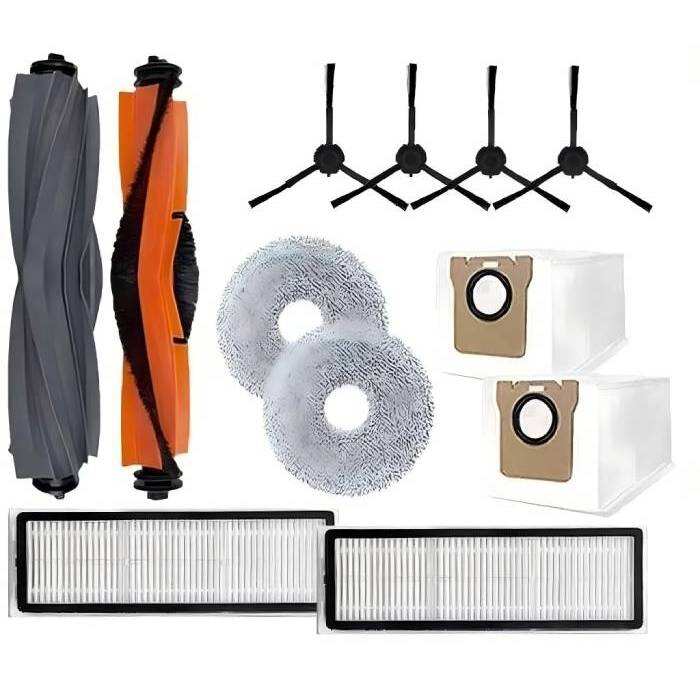
Filter Systems and Air Quality Management
HEPA Filtration for Commercial Applications
High-efficiency particulate air filtration becomes particularly important in commercial environments where air quality directly impacts employee health and productivity. HEPA filters capture microscopic particles, allergens, and dust that traditional cleaning methods often redistribute throughout the space. For facilities housing sensitive equipment, documents, or products requiring clean environments, investing in premium filtration systems provides measurable benefits beyond basic debris removal.
Commercial-grade HEPA filters typically offer extended service life compared to residential alternatives, featuring reinforced construction and higher capacity designs. The initial investment in quality filtration pays dividends through reduced replacement frequency, improved air quality metrics, and enhanced cleaning performance across diverse debris types. Facilities managing healthcare spaces, food service areas, or clean manufacturing environments particularly benefit from advanced filtration capabilities.
Maintenance Schedules and Filter Replacement
Establishing appropriate maintenance schedules for filter replacement ensures consistent performance while controlling operational costs. Commercial environments generate varying debris loads depending on seasonal factors, occupancy levels, and specific activities conducted within the space. Regular monitoring of filter condition through visual inspection or performance metrics helps optimize replacement timing and prevent efficiency degradation.
Bulk purchasing arrangements for robot vacuum accessories including filters can provide significant cost savings while ensuring consistent supply availability. Many commercial cleaning operations benefit from establishing vendor relationships that include scheduled delivery services, technical support, and volume pricing structures. These arrangements help maintain cleaning quality while streamlining procurement processes and reducing administrative overhead.
Brush Systems and Floor Surface Optimization
Multi-Surface Brush Selection
Commercial facilities typically feature diverse flooring materials requiring specialized brush systems for optimal cleaning results. Hard surfaces such as tile, concrete, and polished floors demand different brush characteristics compared to carpeted areas or textured surfaces. Understanding the specific properties of each flooring type enables selection of appropriate brush configurations that maximize debris removal while preventing surface damage.
Rotating brush systems with adjustable height settings accommodate various carpet pile heights and surface irregularities commonly found in commercial spaces. Side brushes extend cleaning coverage to edges and corners where debris typically accumulates, particularly important in commercial environments with extensive furniture arrangements and architectural features. The combination of main and auxiliary brush systems ensures comprehensive cleaning coverage across complex floor plans.
Brush Durability and Replacement Considerations
Commercial cleaning operations generate significant wear on brush systems due to continuous operation and challenging debris conditions. Brush bristles encounter various materials including paper clips, small hardware items, and abrasive particles that accelerate wear patterns. Selecting brush accessories with reinforced bristle construction and robust mounting mechanisms reduces replacement frequency and maintains consistent cleaning performance.
Regular inspection of brush condition helps identify early signs of wear before performance degradation becomes noticeable. Worn brushes not only reduce cleaning effectiveness but can also cause damage to flooring surfaces through uneven contact patterns or debris redistribution. Establishing proactive replacement schedules based on operating hours and visual condition assessments prevents these issues while optimizing cleaning results.
Dust Bin Capacity and Waste Management
Commercial-Scale Debris Handling
Large commercial spaces generate substantial debris volumes requiring appropriately sized collection systems. Standard residential dust bins quickly become inadequate for commercial cleaning operations, necessitating larger capacity alternatives or more frequent emptying cycles. Extended-capacity dust bins reduce operational interruptions while maintaining cleaning efficiency across extensive floor areas.
Self-emptying systems represent advanced solutions for high-volume commercial applications, automatically transferring collected debris to larger storage containers. These systems minimize human intervention requirements while ensuring continuous operation during extended cleaning cycles. The initial investment in automated waste handling often provides rapid returns through reduced labor costs and improved cleaning consistency.
Hygiene and Contamination Control
Commercial cleaning operations must consider hygiene factors when selecting dust collection accessories, particularly in healthcare, food service, or laboratory environments. Sealed dust bin systems prevent debris escape during transport and disposal, maintaining clean air quality throughout the facility. Some applications require specialized containment features for handling potentially contaminated materials or sensitive debris types.
Easy-clean dust bin designs facilitate thorough sanitization between cleaning cycles, important for maintaining hygiene standards in sensitive commercial environments. Smooth interior surfaces, removable components, and chemical-resistant materials enable effective cleaning protocols while preventing bacterial growth or odor development. These features become essential considerations for facilities with strict cleanliness requirements.
Navigation and Sensor Enhancement
Advanced Mapping Capabilities
Commercial spaces often feature complex layouts with multiple rooms, corridors, and obstacle arrangements that challenge standard navigation systems. Enhanced sensor packages and mapping accessories enable more sophisticated path planning and obstacle avoidance, improving cleaning coverage while reducing collision risks. These upgrades become particularly valuable in facilities with valuable equipment or delicate furnishings.
Virtual boundary systems allow facility managers to define specific cleaning zones and restricted areas without physical barriers. This flexibility enables customized cleaning programs that accommodate changing space utilization patterns, temporary obstacles, or security restrictions. Advanced mapping capabilities also support detailed reporting and performance monitoring across different facility areas.
Obstacle Detection and Avoidance
Enhanced sensor arrays improve robot vacuum performance in dynamic commercial environments where obstacles frequently change position. Advanced detection systems identify low-profile objects, transparent barriers, and moving obstacles that basic sensors might miss. These improvements reduce cleaning interruptions while protecting both the vacuum system and facility equipment from potential damage.
Cliff detection systems require calibration for various commercial flooring transitions, including raised platforms, loading docks, and architectural features common in commercial buildings. Upgraded sensor packages often provide adjustable sensitivity settings that accommodate specific facility requirements while maintaining safety standards. Proper sensor configuration ensures reliable operation across diverse commercial environments.
Cost Analysis and Return on Investment
Initial Investment Versus Long-Term Savings
Evaluating the financial impact of premium robot vacuum accessories requires analysis of both immediate costs and long-term operational benefits. Higher-quality components typically command premium pricing but deliver extended service life, reduced maintenance requirements, and improved cleaning effectiveness. These factors contribute to lower total cost of ownership despite higher initial investments.
Labor cost reductions represent significant savings opportunities when automated cleaning systems operate effectively without frequent intervention. Premium accessories that enhance reliability and reduce maintenance needs allow cleaning staff to focus on value-added activities while maintaining consistent cleanliness standards. Quantifying these benefits helps justify accessory investments through measurable operational improvements.
Maintenance Cost Optimization
Strategic accessory selection can significantly impact ongoing maintenance costs through improved reliability and extended service intervals. High-quality components typically require less frequent replacement and generate fewer operational issues that demand technical support or repair services. Understanding the relationship between accessory quality and maintenance requirements enables informed purchasing decisions.
Preventive maintenance programs become more effective when supported by quality accessories designed for commercial applications. Predictable wear patterns and reliable performance characteristics enable accurate maintenance scheduling while reducing unexpected failures that disrupt cleaning operations. This predictability supports better budget planning and resource allocation for facility management teams.
FAQ
How often should robot vacuum accessories be replaced in commercial settings
Replacement frequency depends on usage intensity, debris types, and environmental conditions. Filters typically require replacement every 2-3 months in moderate commercial use, while brushes may last 6-12 months depending on floor surfaces and debris abrasiveness. High-traffic environments may necessitate more frequent replacement to maintain optimal performance.
What factors determine compatibility between robot vacuum accessories and existing equipment
Compatibility depends on manufacturer specifications, physical dimensions, connection methods, and electronic interfaces. Always verify part numbers, dimensional specifications, and software compatibility before purchasing accessories. Some manufacturers offer cross-reference guides to help identify compatible components across different model series.
Are commercial-grade robot vacuum accessories worth the additional investment
Commercial-grade accessories typically offer superior durability, extended service life, and enhanced performance characteristics that justify higher initial costs. The improved reliability and reduced maintenance requirements often result in lower total cost of ownership compared to standard residential accessories in demanding commercial applications.
How can facilities optimize their robot vacuum accessory purchasing strategy
Effective purchasing strategies include bulk ordering to achieve volume discounts, establishing vendor partnerships for ongoing support, and implementing predictive replacement schedules based on usage data. Consider seasonal demand variations, budget cycles, and maintenance windows when planning accessory procurement to optimize costs and ensure consistent supply availability.
Table of Contents
- Essential Considerations for Commercial Robot Vacuum Accessories
- Filter Systems and Air Quality Management
- Brush Systems and Floor Surface Optimization
- Dust Bin Capacity and Waste Management
- Navigation and Sensor Enhancement
- Cost Analysis and Return on Investment
-
FAQ
- How often should robot vacuum accessories be replaced in commercial settings
- What factors determine compatibility between robot vacuum accessories and existing equipment
- Are commercial-grade robot vacuum accessories worth the additional investment
- How can facilities optimize their robot vacuum accessory purchasing strategy