
 EN
EN
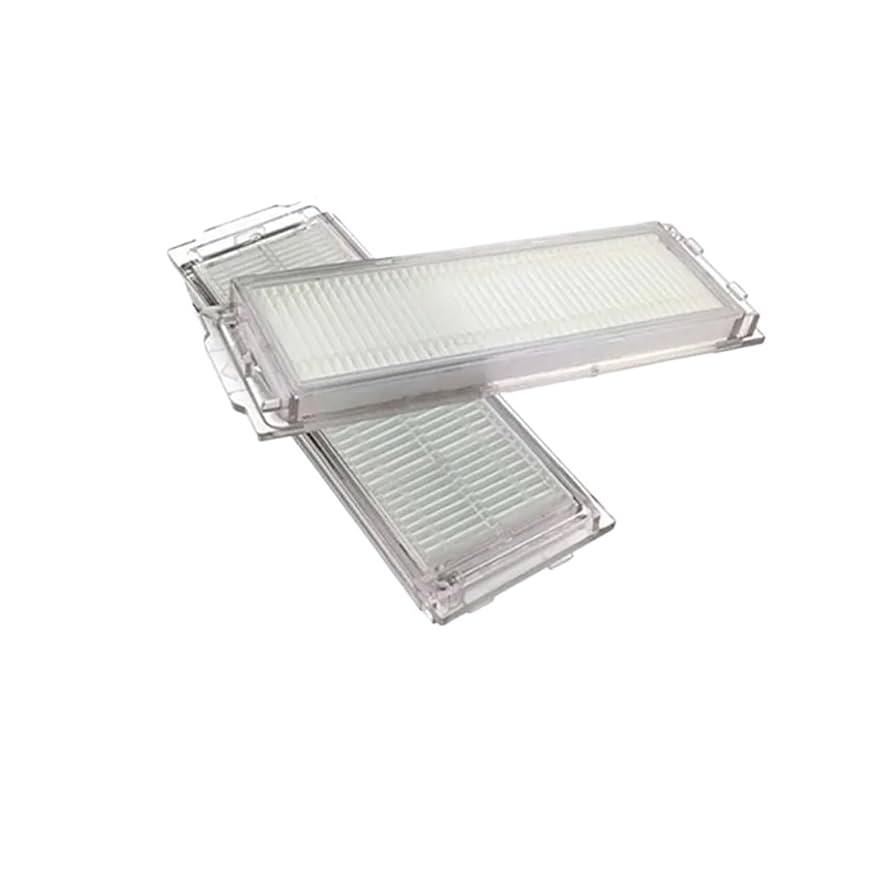
The durability of robot vacuum parts is a critical consideration for anyone relying on automated cleaning solutions in their home or workplace. Among the most frequently replaced robot vacuum parts, the roller brush stands out as a component that directly impacts cleaning performance and device longevity. Understanding the expected lifespan of robot vacuum parts, particularly the roller brush, helps you budget for maintenance costs and maintain consistent cleaning effectiveness. Most robot vacuum parts designed for regular use face natural wear over time, and the roller brush is especially susceptible to degradation from hair wrapping, dust accumulation, and friction against various floor surfaces.
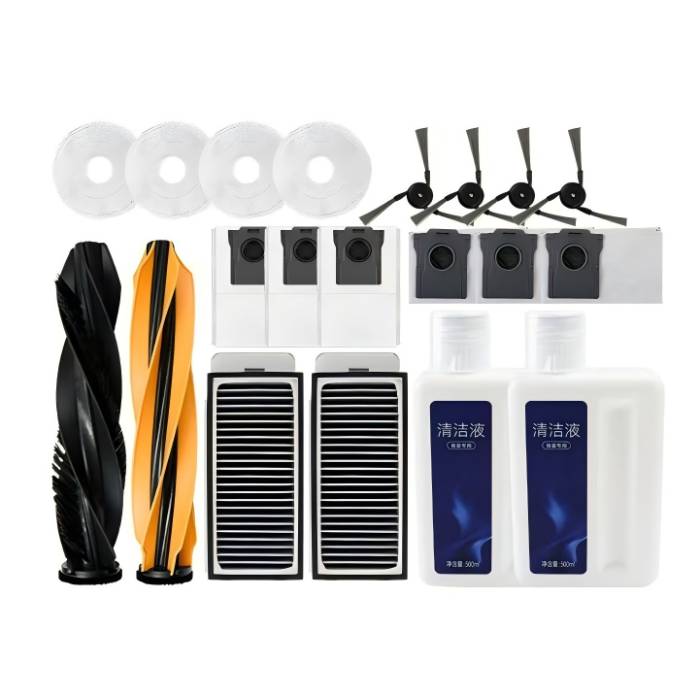
The expected lifespan of robot vacuum parts varies depending on usage intensity, floor type, and maintenance practices. For a replacement roller brush specifically, most manufacturers estimate an operational life of 150 to 200 hours of active cleaning, which typically translates to 6 to 12 months of regular household use. However, this timeframe can shift significantly based on how frequently your robot vacuum operates and the types of debris it encounters. Pet hair, larger dust particles, and frequent deep cleaning cycles all accelerate wear on robot vacuum parts, necessitating more frequent replacements of the brush assembly and related components.
Understanding Robot Vacuum Parts Degradation
Factors Affecting Robot Vacuum Parts Lifespan
Several environmental and operational factors directly influence how long robot vacuum parts remain functional. The primary determinant is the volume of debris your robot processes daily. Homes with multiple pets, for example, generate significantly more hair and dander, placing greater stress on robot vacuum parts like the roller brush. Similarly, carpeted environments cause more friction and load on the brush mechanism compared to hard floors, reducing the effective lifespan of robot vacuum parts in those settings. Additionally, the composition of dust and debris matters; finer particles may compress more easily around the brush, while coarser materials can cause mechanical jamming and accelerated wear on robot vacuum parts.
Material Quality and Manufacturing Standards
The quality of robot vacuum parts directly correlates with their durability and longevity. Premium-grade bristle materials, reinforced brush housings, and precision bearings extend the operational window of robot vacuum parts compared to budget alternatives. Original equipment manufacturer (OEM) robot vacuum parts typically undergo rigorous testing and use superior materials, while aftermarket options may exhibit variable performance. When selecting replacement robot vacuum parts, prioritizing reputable suppliers ensures you receive components engineered to match or exceed original specifications, ultimately maximizing the lifespan of your investment in robot vacuum parts.
Maintenance Practices to Extend Robot Vacuum Parts Life
Regular Cleaning and Inspection Routines
Proactive maintenance significantly extends the operational lifespan of robot vacuum parts and prevents premature failure. Weekly inspection of the roller brush for hair entanglement, debris buildup, and bristle damage helps identify issues before they escalate. Gently removing wrapped hair and rinsing the brush weekly prevents material accumulation that accelerates wear on robot vacuum parts. Similarly, cleaning the brush chamber and surrounding components prevents dust clogging, which forces the motor to work harder and strains related robot vacuum parts. These simple procedures cost minimal time but yield substantial returns in extended service life for your robot vacuum parts.
Optimal Operating Conditions
Strategic deployment of your robot vacuum directly impacts the longevity of robot vacuum parts. Scheduling cleaning sessions during times when debris generation is highest, rather than running the device continuously, reduces unnecessary wear on robot vacuum parts. Clearing floors of large objects, toys, and cables before each cycle prevents jamming that stresses the brush motor and associated robot vacuum parts. Maintaining appropriate cleaning frequency based on your home's actual cleaning needs, rather than excessive daily operation, preserves robot vacuum parts and extends their functional lifespan. Additionally, storing your device in a clean, dry environment protects robot vacuum parts from humidity-related corrosion and material degradation.
Replacement Timeline and Cost Considerations
Planning Replacement Cycles for Robot Vacuum Parts
Establishing a proactive replacement schedule for robot vacuum parts ensures your device maintains peak performance without unexpected breakdowns. Most users should plan to replace the robot vacuum parts roller brush approximately every 6 to 12 months, depending on your household's specific cleaning demands. Heavy-use environments, such as homes with pets or multiple family members, warrant more frequent replacement of robot vacuum parts every 4 to 6 months. Lighter-use scenarios might extend replacement intervals to 12 to 18 months. Setting calendar reminders and monitoring brush performance regularly prevents situations where degraded robot vacuum parts reduce cleaning efficacy or damage your device's motor.
Budget Allocation and Component Planning
Budgeting for robot vacuum parts replacement as a routine maintenance expense ensures uninterrupted operation and prevents costly emergency repairs. Quality replacement roller brushes typically cost between 15 and 40 dollars, making regular replacement of robot vacuum parts highly economical compared to device replacement. Additional robot vacuum parts worth including in your maintenance budget include filters, side brushes, and cleaning solution, which collectively cost 30 to 75 dollars annually for average households. Purchasing robot vacuum parts in advance during sales periods or purchasing multi-packs of common components reduces long-term maintenance expenses. This forward-thinking approach to robot vacuum parts management ensures your device remains reliable and cost-effective over its full operational lifetime.
FAQ
How often should I replace the roller brush on my robot vacuum?
The roller brush should typically be replaced every 6 to 12 months for average household use. However, homes with pets or high-traffic areas may require replacement every 4 to 6 months. Monitor the brush regularly for bristle damage, reduced cleaning performance, or unusual motor sounds, which indicate it is time to replace your robot vacuum parts.
What are the signs that robot vacuum parts need replacement?
Common indicators include reduced suction power, visible bristle wear or bending, excessive hair wrapping that cleaning cannot remove, and loud grinding or squeaking noises during operation. If your cleaning coverage appears incomplete or your robot vacuum parts fail to capture debris effectively, replacement robot vacuum parts are likely needed. Some devices include maintenance alerts that notify you when robot vacuum parts have reached their service limit.
Can I extend the lifespan of robot vacuum parts through maintenance?
Yes, regular maintenance significantly extends robot vacuum parts lifespan. Weekly cleaning of the brush, removal of tangled hair, regular filter cleaning, and clearing floors before cycles all reduce wear on robot vacuum parts. Proper storage in a dry environment and avoiding overuse also contribute to longer-lasting robot vacuum parts. These practices can potentially extend replacement intervals by 2 to 4 months compared to devices receiving minimal maintenance attention.