
 EN
EN
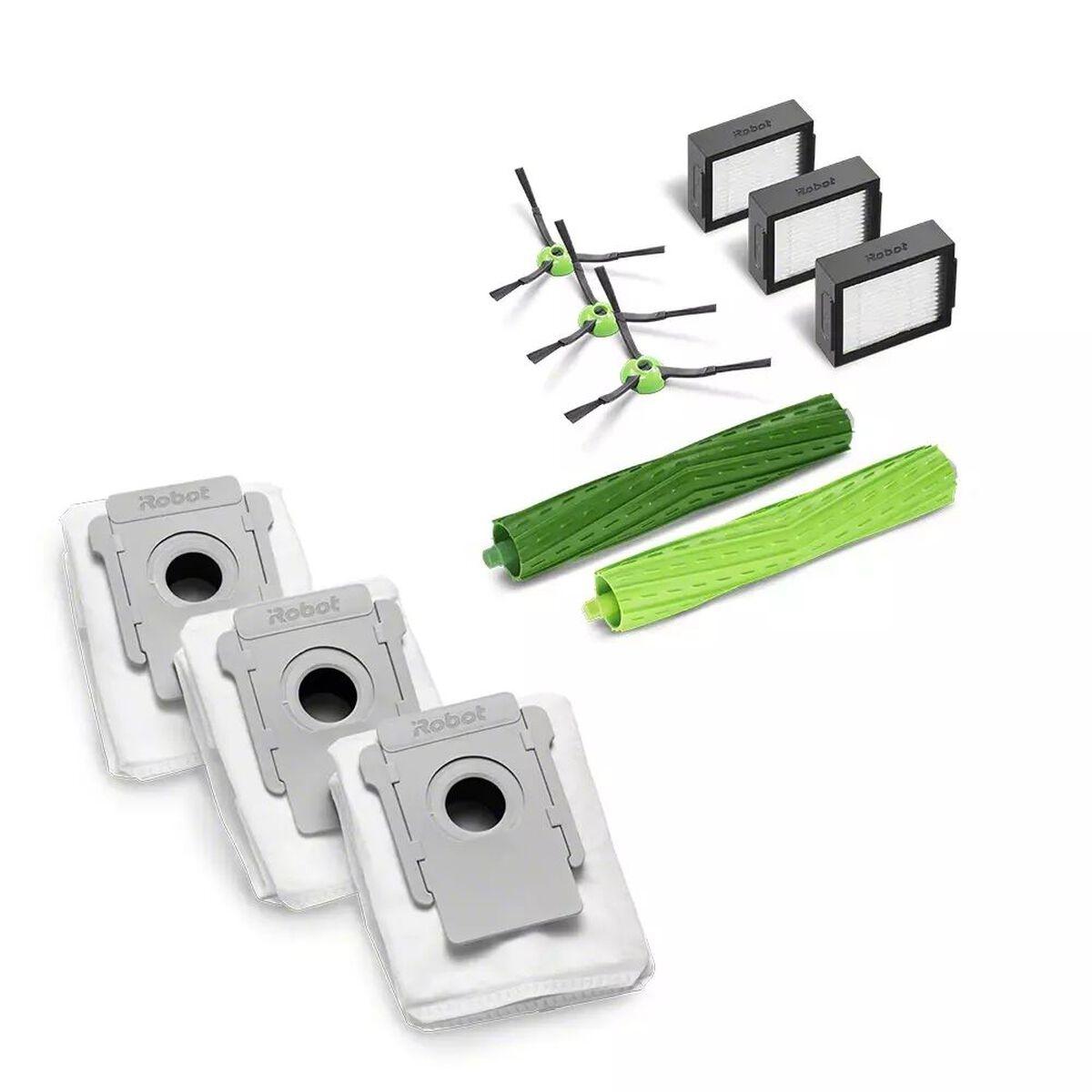
Selecting the right robot vacuum filters for retail sales requires understanding which filter technologies consistently deliver performance that meets customer expectations. Retailers face the challenge of stocking robot vacuum filters that not only maintain strong suction power but also demonstrate durability across diverse household environments. The key to successful retail performance lies in identifying filter designs that balance filtration efficiency, maintenance simplicity, and cost-effectiveness for end consumers.
Consistent performance in retail sales stems from robot vacuum filters that demonstrate predictable filtration outcomes across multiple cleaning cycles. Retailers who understand the technical specifications and real-world performance characteristics of different filter types can make informed stocking decisions that reduce customer returns and increase satisfaction rates. The most successful retail offerings combine proven filtration technology with accessible maintenance requirements that appeal to a broad consumer base.
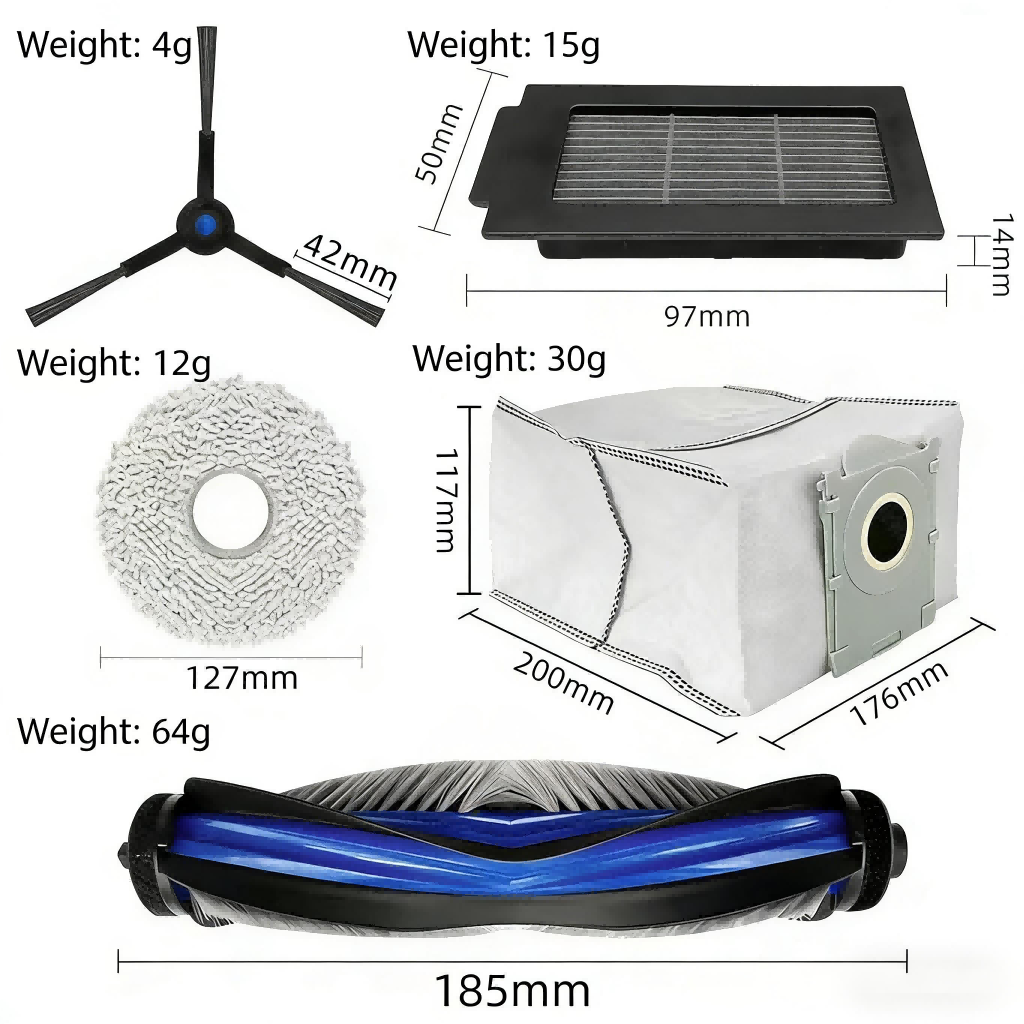
Multi-Layer Filtration Systems for Enhanced Performance
HEPA Filter Integration Standards
High-efficiency particulate air filters represent the gold standard for robot vacuum filters in retail environments due to their ability to capture particles as small as 0.3 microns with 99.97% efficiency. These filters consistently deliver superior air quality improvements that customers can measure and appreciate. Retailers find that HEPA-certified robot vacuum filters generate fewer performance-related complaints and maintain customer trust through verified filtration capabilities.
The retail success of HEPA robot vacuum filters depends on proper integration with the vacuum's airflow system. Filters that maintain consistent seal integrity prevent bypass airflow that could compromise filtration performance. Quality HEPA filters for robot vacuums feature rigid frame construction that maintains dimensional stability during repeated cleaning cycles, ensuring consistent performance throughout the filter's operational lifespan.
Pre-Filter Component Effectiveness
Pre-filtration stages protect primary robot vacuum filters from premature clogging by capturing larger debris particles before they reach fine filtration media. Effective pre-filters extend the operational life of downstream filtration components, reducing replacement frequency and improving overall value proposition for retail customers. The most successful pre-filter designs incorporate washable materials that allow customers to maintain peak performance between replacement cycles.
Retail performance data shows that robot vacuum filters with well-designed pre-filtration systems maintain consistent suction power longer than single-stage alternatives. These systems prevent debris accumulation that can create pressure drops across the filtration assembly. Pre-filters that feature clear cleaning indicators help customers maintain optimal performance and prevent filter-related performance degradation.
Filter Material Technologies and Durability Factors
Synthetic Media Construction Benefits
Synthetic filtration media offers superior durability compared to natural fiber alternatives in robot vacuum filters, particularly important for retail applications where consistent performance expectations must be met. These materials resist moisture damage and maintain structural integrity when exposed to varied household debris types. Retailers report lower return rates for robot vacuum filters constructed with high-quality synthetic media due to their predictable performance characteristics.
The manufacturing consistency of synthetic robot vacuum filters enables retailers to stock products with reliable performance specifications. Unlike natural materials that can vary in density and filtration efficiency, synthetic media maintains uniform characteristics across production batches. This consistency allows retailers to confidently represent filter performance capabilities to customers without concern for batch-to-batch variation.
Activated Carbon Integration Benefits
Robot vacuum filters that incorporate activated carbon elements address odor control requirements that standard filtration media cannot handle effectively. This additional functionality increases the perceived value of the filtration system and differentiates products in competitive retail environments. Carbon-enhanced filters demonstrate measurable odor reduction performance that customers can readily observe during normal vacuum operation.
The retail appeal of carbon-integrated robot vacuum filters extends beyond technical performance to include customer satisfaction with air quality improvements. These filters address pet odors, cooking smells, and other household odors that traditional filtration cannot eliminate. Retailers find that customers who experience odor control benefits become repeat purchasers and recommend the products to others.
Maintenance Requirements and Customer Satisfaction
Replacement Frequency Optimization
Optimal replacement scheduling for robot vacuum filters balances filtration performance maintenance with cost considerations that affect retail customer satisfaction. Filters designed for extended service intervals reduce the total cost of ownership while maintaining consistent cleaning performance. Retailers benefit from stocking robot vacuum filters that demonstrate clear performance indicators to help customers determine appropriate replacement timing.
Performance monitoring features integrated into modern robot vacuum filters help customers optimize replacement frequency based on actual usage patterns rather than arbitrary time intervals. Visual indicators that show filter loading status prevent premature replacement while ensuring performance doesn't degrade below acceptable levels. These features improve customer satisfaction by maximizing filter value while maintaining cleaning effectiveness.
Installation and Handling Simplicity
User-friendly installation procedures for robot vacuum filters reduce customer service requirements and improve overall retail experience satisfaction. Filters that feature clear orientation indicators and secure mounting systems prevent installation errors that could compromise performance. Simple removal and installation procedures encourage regular maintenance that preserves filtration system effectiveness throughout the service interval.
The design of robot vacuum filters significantly impacts customer willingness to perform regular maintenance. Filters that require minimal handling and avoid direct contact with collected debris improve user experience and maintenance compliance. Retail customers prefer filter systems that maintain hygiene during replacement procedures and provide clear indication of proper installation.
Performance Testing and Quality Assurance Standards
Filtration Efficiency Verification Methods
Standardized testing protocols for robot vacuum filters provide retailers with objective performance data that supports sales processes and customer education efforts. Verified filtration efficiency ratings help customers make informed purchasing decisions based on measurable performance criteria rather than marketing claims. Testing standards such as EN 1822 for HEPA filters provide internationally recognized performance benchmarks that customers can trust.
Independent testing verification enhances the retail credibility of robot vacuum filters by providing third-party validation of performance claims. Filters that undergo comprehensive testing for particle capture efficiency, airflow resistance, and durability demonstrate consistent performance characteristics that reduce customer complaints. Retailers can confidently recommend products that have been verified through recognized testing protocols.
Quality Control Manufacturing Processes
Manufacturing quality control systems ensure that robot vacuum filters maintain consistent performance characteristics across production batches, critical for retail success where customer expectations must be reliably met. Statistical process control methods identify variation in filter construction that could affect performance outcomes. Quality assurance programs that monitor filtration media density, frame integrity, and seal effectiveness prevent defective products from reaching retail customers.
Traceability systems in robot vacuum filter manufacturing enable rapid identification and resolution of quality issues that might affect retail performance. Batch tracking capabilities allow manufacturers to isolate and address production variations before they impact customer satisfaction. Retailers benefit from supplier quality systems that prevent performance-related returns and maintain consistent customer experience across multiple purchase cycles.
Market Positioning and Retail Success Factors
Value Proposition Development
Successful retail positioning for robot vacuum filters requires clear communication of performance benefits that justify purchase decisions and encourage customer loyalty. Value propositions that emphasize measurable performance improvements such as extended cleaning intervals, improved air quality, and reduced maintenance requirements resonate with retail customers. Effective positioning connects technical filter capabilities with practical household benefits that customers can readily understand and appreciate.
Differentiation strategies for robot vacuum filters in retail environments focus on unique performance characteristics that set products apart from commodity alternatives. Features such as antimicrobial treatment, extended service intervals, or enhanced particle capture efficiency provide competitive advantages that support premium positioning. Retailers find success with robot vacuum filters that offer clear performance advantages over standard options.
Customer Education and Support Systems
Educational resources that help customers understand robot vacuum filter performance characteristics and maintenance requirements improve retail sales success and reduce returns. Clear documentation of installation procedures, maintenance schedules, and performance indicators enables customers to maximize filter value. Support systems that provide troubleshooting guidance and performance optimization tips enhance customer satisfaction and encourage repeat purchases.
Retail training programs that educate sales staff about robot vacuum filter technologies and performance benefits improve customer service quality and sales conversion rates. Staff knowledge of filter specifications, compatibility requirements, and performance characteristics enables confident product recommendations. Customer education initiatives that explain the relationship between filter quality and vacuum performance help customers make informed purchasing decisions that align with their cleaning requirements.
FAQ
How often should robot vacuum filters be replaced for optimal performance?
Robot vacuum filters should typically be replaced every 2-3 months with regular use, though this varies based on household conditions such as pet hair, dust levels, and cleaning frequency. Filters with visual indicators help determine replacement timing based on actual loading rather than arbitrary schedules. High-quality robot vacuum filters may maintain performance longer in low-dust environments, while homes with pets or high traffic may require more frequent replacement.
What filtration efficiency rating should retailers prioritize for robot vacuum filters?
Retailers should prioritize robot vacuum filters with HEPA certification (99.97% efficiency at 0.3 microns) for premium positioning, while high-efficiency filters capturing 95%+ of particles work well for value-oriented customers. The key is matching filtration capability with customer needs and price expectations. Multiple efficiency options allow retailers to serve different market segments while maintaining consistent performance standards.
Do washable robot vacuum filters perform as well as disposable alternatives?
Washable robot vacuum filters can maintain good performance when properly cleaned and maintained, but generally don't achieve the same filtration efficiency as high-quality disposable filters. They offer cost savings over time but require customer commitment to regular cleaning for optimal performance. Retailers should position washable filters as eco-friendly alternatives while setting appropriate performance expectations compared to disposable HEPA options.
How do robot vacuum filter designs affect suction power maintenance?
Robot vacuum filters with optimized airflow designs maintain consistent suction power by minimizing pressure drops across the filtration media. Pleated filter designs increase surface area without restricting airflow, while proper seal design prevents bypass that reduces efficiency. Filters that incorporate gradual loading characteristics maintain suction longer than those that clog quickly, providing better customer satisfaction and longer service intervals.
Table of Contents
- Multi-Layer Filtration Systems for Enhanced Performance
- Filter Material Technologies and Durability Factors
- Maintenance Requirements and Customer Satisfaction
- Performance Testing and Quality Assurance Standards
- Market Positioning and Retail Success Factors
-
FAQ
- How often should robot vacuum filters be replaced for optimal performance?
- What filtration efficiency rating should retailers prioritize for robot vacuum filters?
- Do washable robot vacuum filters perform as well as disposable alternatives?
- How do robot vacuum filter designs affect suction power maintenance?