
 EN
EN
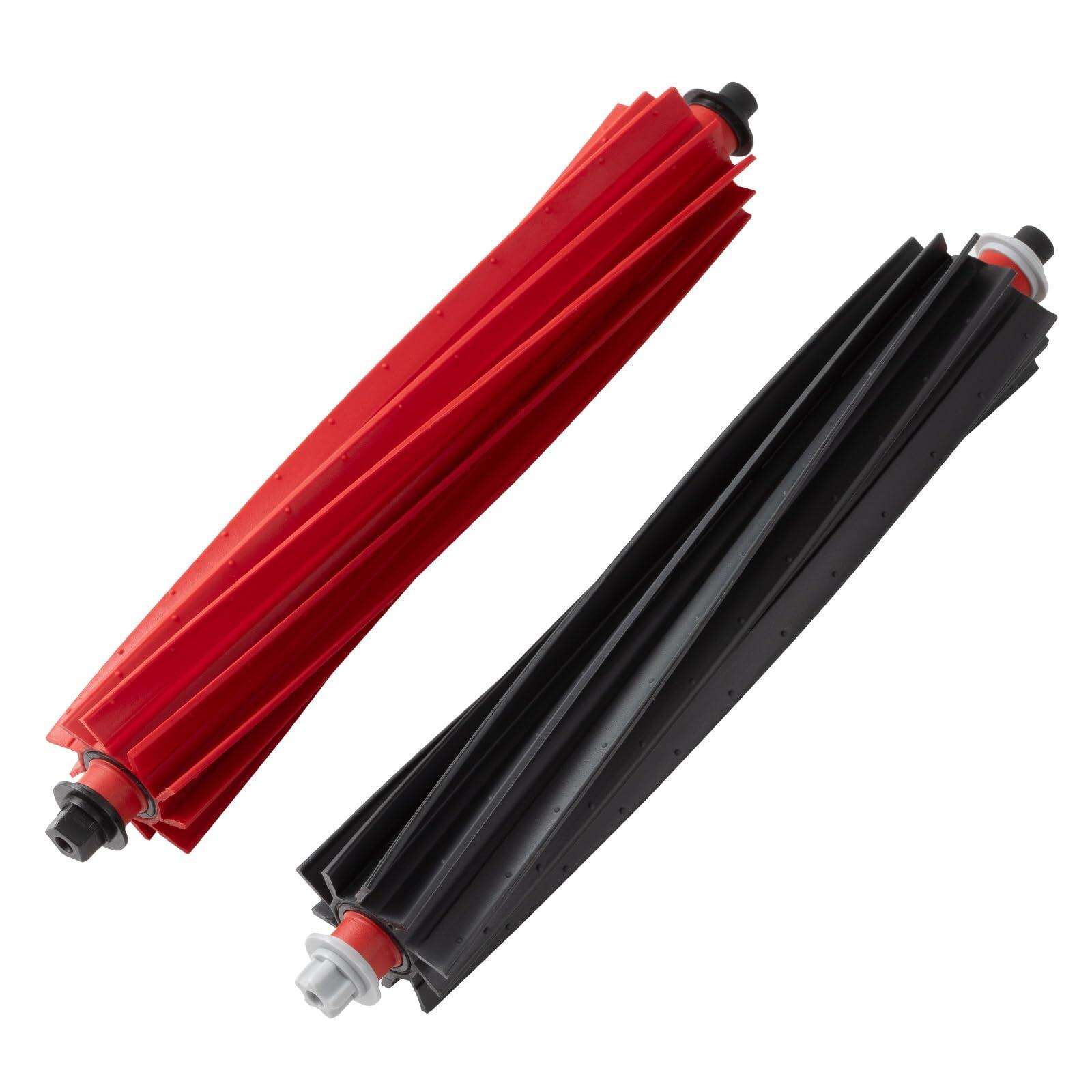
ເມື່ອເວົ້າເຖິງການລ້າງພື້ນອັດຕະໂນມັດ ບໍ່ທຸກໆສະຖານທີ່ຈະເໝືອນກັນ. ບາງບ່ອນຕ້ອງການຫຼາຍຂຶ້ນຫຼາຍໃນດ້ານລະບົບການລ້າງເມື່ອທຽບກັບການຕັ້ງຄ່າທີ່ໃຊ້ໃນບ້ານທົ່ວໄປ, ແລະ ສ່ວນປະກອບທີ່ຮັບເອົາພະລັງງານເຄື່ອນໄຫວຫຼາຍທີ່ສຸດແມ່ນຊຸດຂອງແປรง. ຝາຍດູດຂີ້ຝຸ່ນຮູບຫຸ່ນຍົນ ແປรงເປັນສ່ວນທີ່ຕິດຕໍ່ໂດຍກົງລະຫວ່າງເຄື່ອງຈັກກັບພື້ນ, ເຊິ່ງມີໜ້າທີ່ໃນການກະຕຸ້ນເອກະສານທີ່ເປື້ອນ, ນຳທາງເອກະສານເຂົ້າໄປໃນເສັ້ນທາງທີ່ດູດ, ແລະ ຮັກສາການຕິດຕໍ່ຢ່າງຕໍ່ເນື່ອງໃນເຂດທີ່ມີຜິວບໍ່ເລີຍ. ການເຂົ້າໃຈວ່າການນຳໃຊ້ໃດທີ່ຕ້ອງການແປรงທີ່ມີປະສິດທິພາບສູງຢ່າງແທ້ຈິງຈະຊ່ວຍໃຫ້ຜູ້ປະຕິບັດງານ, ຜູ້ຈັດການສິ່ງອຳນວຍຄວາມສະດວກ, ແລະ ຜູ້ບໍລິໂພກຕັດສິນໃຈເລືອກເຄື່ອງຈັກໄດ້ດີຂຶ້ນ.
ປະສິດທິພາບສູງ ຝາຍດູດຂີ້ຝຸ່ນຮູບຫຸ່ນຍົນ ຖືກອອກແບບດ້ວຍວັດສະດຸທີ່ຄົງທຳ, ຮູບຮ່າງຂອງເສັ້ນໄຍທີ່ຖືກປັບປຸງໃຫ້ເໝາະສົມ, ແລະ ມີຄວາມຕ້ານທານທີ່ດີຂຶ້ນຕໍ່ການພັນກັນ, ການສຶກສາ, ແລະ ອຸນຫະພູມ. ມັນບໍ່ແມ່ນພຽງແຕ່ບ່ອນທີ່ມີຄຸນນະພາບສູງຂອງໄມ້ກວາດທີ່ທົ່ວໄປເທົ່ານັ້ນ — ແຕ່ເປັນຊິ້ນສ່ວນທີ່ຖືກອອກແບບເພື່ອຈຸດປະສົງເທົ່ານັ້ນ ເພື່ອຮັກສາການເຮັດວຽກທີ່ເຊື່ອຖືໄດ້ໃນສະພາບການທີ່ທ້າທາຍ. ການກຳນົດການນຳໃຊ້ທີ່ການປະຕິບັດງານດັ່ງກ່າວແມ່ນບໍ່ສາມາດປ່ຽນແປງໄດ້ແມ່ນຂັ້ນຕອນທຳອິດທີ່ຈະເລືອກຊິ້ນສ່ວນທີ່ຈະປ່ຽນແທນທີ່ເໝາະສົມ ແລະ ຮັກສາປະສິດທິພາບໃນການເຮັດຄວາມສະອາດໃນໄລຍະຍາວ.
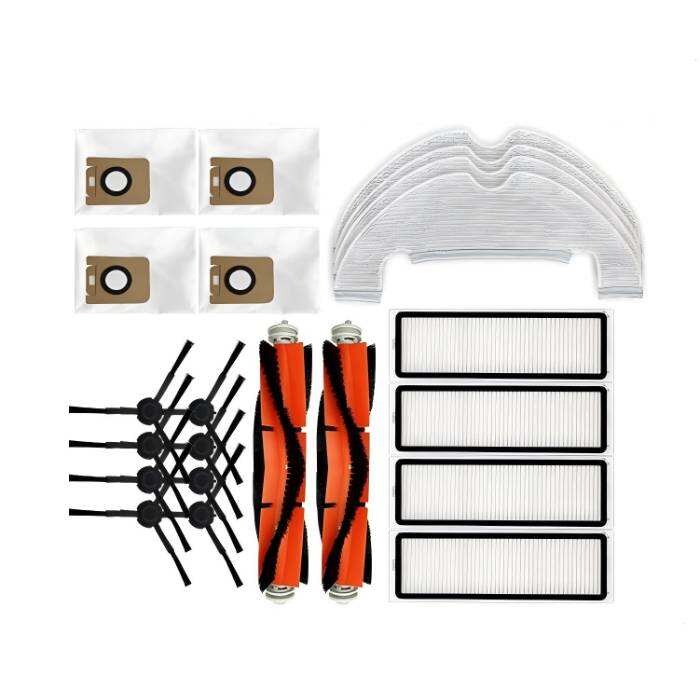
ພື້ນທີ່ປູດ້ວຍຜ້າຢືນສູງ ແລະ ສະພາບແວດລ້ອມທີ່ມີວັດສະດຸເປັນເນື້ອເຟືອງຫຼາຍ
ຄວາມທ້າທາຍຂອງການເຈາະເຂົ້າໄປໃນເສັ້ນໄຍຂອງພື້ນທີ່ປູດ້ວຍຜ້າຢືນສູງ
ພື້ນທີ່ປູດ້ວຍຜ້າຢືນສູງ, ພາຍໃນເຂດທີ່ມີຜ້າຢືນ, ແລະ ພາຍໃນບ້ານທີ່ມີວັດສະດຸເປັນເນື້ອເຟືອງຫຼາຍ ໄດ້ສ້າງຄວາມທ້າທາຍທີ່ທັງໝົດທີ່ທ້າທາຍທີ່ສຸດໃນດ້ານກົນຈັກຕໍ່ ຝາຍດູດຂີ້ຝຸ່ນຮູບຫຸ່ນຍົນ ເສັ້ນໄຍຍາວຂອງພື້ນປູແບບ plush ມີຄວາມຕ້ານທານຕໍ່ການກະຕຸ້ນທີ່ຜິວໜ້າ, ຈຶ່ງຕ້ອງໃຊ້ຫົວປັດສະປີທີ່ມີຄວາມແຂງແຮງພໍ ແລະ ມີທອກເກ (torque) ທີ່ພໍເພື່ອເຂົ້າໄປໃນຊັ້ນເສັ້ນໄຍຢ່າງເລິກ ແລະ ປ່ອຍຝຸ່ນ, ຝຸ່ນຈາກສັດເລີ້ຍ, ແລະ ສານເລັກໆທີ່ຕິດຢູ່ໃນນັ້ນ. ປັດສະປີທີ່ມີຢູ່ທົ່ວໄປມັກຈະບໍ່ມີຄວາມໜາແໜ້ນຂອງເສັ້ນໄຍ ແລະ ຄວາມແຂງແຮງທີ່ຈຳເປັນເພື່ອປະຕິບັດງານຢ່າງເປັນປົກກະຕິໃນພື້ນຜິວເຫຼົ່ານີ້ໂດຍບໍ່ເຮັດໃຫ້ມໍເຕີ້ຫຼຸດລົງ ຫຼື ເກີດການລື້ນຂອງຫົວປັດສະປີ.
ປະສິດທິພາບສູງ ຝາຍດູດຂີ້ຝຸ່ນຮູບຫຸ່ນຍົນ ຫົວປັດສະປີທີ່ຖືກອອກແບບມາສຳລັບການໃຊ້ງານໃນບ່ອນທີ່ມີພື້ນປູຢ່າງໜາແໜ້ນ ມັກຈະປະກອບດ້ວຍແຜ່ນຢາງແລະເສັ້ນໄຍທີ່ຖືກຈັດເປັນຮູບແບບສອງການເຄື່ອນໄຫວ (dual-action pattern). ຮູບຮ່າງນີ້ເຮັດໃຫ້ຫົວປັດສະປີສາມາດຍົກເອົາເຊື້ອເຊີ້ນອອກໄດ້ພ້ອມກັນກັບການສ້າງສຸນຍາກາດທີ່ໃກ້ກັບພື້ນຜິວ, ເພື່ອເພີ່ມປະສິດທິພາບຂອງການດູດໃຫ້ສູງສຸດ. ໃນບ່ອນທີ່ມີຄວາມຫຼູກຫຼາເຊິ່ງເປັນທີ່ຢູ່ອາໄສ, ໂຮງແຮມທີ່ມີລັກສະນະເປັນພິເສດ, ຫຼື ອາຄານທີ່ຕັ້ງຢູ່ຂອງບໍລິສັດທີ່ມີພື້ນປູ, ການຮັກສາຄວາມສາມາດໃນການເຄື່ອນໄຫວສອງດ້ານນີ້ແມ່ນມີຄວາມສຳຄັນຢ່າງຍິ່ງເພື່ອບັນລຸຄວາມສະອາດທີ່ແທ້ຈິງ ແທນທີ່ຈະເປັນພຽງແຕ່ຄວາມສະອາດທີ່ເຫັນໄດ້ເທົ່ານັ້ນ.
ການສຶກຫຼຸດຂອງໄມ້ກວາດຍັງເລີ່ມຕົ້ນຢ່າງໄວວ່າເທື່ອໃນພື້ນທີ່ທີ່ມີເສັ້ນໃຍສູງ. ຄວາມຕ້ານທາງກົນຈາກເສັ້ນໃຍທີ່ໜາເຮັດໃຫ້ໄມ້ກວາດເສຍຮູບ ແລະ ກະຈາຍອອກໄປຢ່າງໄວວ່າເທື່ອເມື່ອທຽບກັບການໃຊ້ໃນພື້ນທີ່ແຂງ. ສິ່ງນີ້ເຮັດໃຫ້ຄຸນນະພາບຂອງວັດສະດຸ ແລະ ອັດຕາການປ່ຽນໃໝ່ເປັນເລື່ອງທີ່ສຳຄັນຫຼາຍ ໂດຍເປັນພິເສດໃນສະຖານທີ່ເພື່ອການຄ້າ ທີ່ເຄື່ອງກວາດອັດຕະໂນມັດໃຊ້ງານເປັນເວລາຍາວທຸກໆມື້.
ສະຖານະການທີ່ເສັ້ນຂອງສັດເລີ້ມພັນກັບເສັ້ນໃຍ
ບ້ານ ແລະ ສະຖານທີ່ທີ່ມີສັດເລີ້ຍນຳເຂົ້າມາເປັນຕົວແປທີ່ເຮັດໃຫ້ການເຮັດຄວາມສະອາດເກີດຄວາມຍາກເປັນພິເສດ: ເສັ້ນຂອງສັດທີ່ຍາວ ແລະ ເສັ້ນຂອງຜົມທີ່ພັນຢູ່ກັບລໍ້ກວາດທີ່ກຳລັງຫຼຸນ. ການພັນກັນນີ້ບໍ່ພຽງແຕ່ຈະຫຼຸດທັດຄວາມມີປະສິດທິຜົນໃນການເຮັດຄວາມສະອາດເທົ່ານັ້ນ ແຕ່ຍັງເຮັດໃຫ້ເກີດຄວາມເຄັ່ງຕຶງເພີ່ມເຕີມຕໍ່ມໍເຕີ ແລະ ຊຸດເລື່ອງເບີຣິງ. ຜະລິດຕະພັນທີ່ມີປະສິດທິຜົນສູງ ຝາຍດູດຂີ້ຝຸ່ນຮູບຫຸ່ນຍົນ ແກ້ໄຂບັນຫານີ້ຜ່ານຮູບຮ່າງທີ່ຕ້ານການພັນກັນ, ໂດຍມຸມຂອງຮູບແບບໄມ້ກວາດທີ່ຈັດເປັນເກີດເປັນເກີດເປັນເກີດເປັນເກີດເປັນເກີດເປັນເກີດເປັນເກີດເປັນເກີດເປັນເກີດເປັນເກີດເປັນເກີດເປັນເກີດເປັນເກີດເປັນເກີດເປັນເກີດເປັນເກີດເປັນເກີດເປັນເກີດເປັນເກີດເປັນເກີດເປັນເກີດເປັນເກີດເປັນເກີດເປັນເກີດເປັນເກີດເປັນເກີດເປັນເກີດເປັນເກີດເປັນເກີດເປັນເກີດເປັນເກີດເປັນເກີດເປັນເກີດເປັນເກີດເປັນເກີດເປັນເກີດເປັນເກີດເປັນເກີດເປັນເກີດເປັນເກີດເປັນເກີດເປັນເກີດເປັນເກີດເປັນເກີດເປັນເກີດເປັນເກີດເປັນເກີດເປັນເກີດເປັນເກີດເປັນເກີດ......
ໃນຄອບຄົວທີ່ມີສັດເລີ້ຍຫຼາຍຕົວ ຫຼື ໃນສະຖານທີ່ຕັດແຕ່ງສັດເລີ້ຍມືອາຊີບ, ປະລິມານຂອງເສັ້ນຂົນທີ່ລົ້ນອອກອາດຈະເຮັດໃຫ້ໄຟລ໌ປັດສະປາທີ່ໃຊ້ທົ່ວໄປບໍ່ສາມາດຈັດການໄດ້ຢ່າງມີປະສິດທິພາບພາຍໃນວັດຖຸດຽວກັນ. ໄຟລ໌ປັດສະປາທີ່ມີປະສິດທິພາບສູງ ແລະ ຖືກອອກແບບມາເພື່ອຈັດການເສັ້ນຂົນ ສາມາດຮັກສາປະສິດທິພາບໃນການເຮັດວຽກໄດ້ໃນໄລຍະເວລາທີ່ຍາວນານຂຶ້ນ ເຊິ່ງຊ່ວຍຫຼຸດຜ່ອນພາລະການຮັກສາດ້ວຍມື ແລະ ຍືດເວລາໃຊ້ງານທີ່ມີປະສິດທິຜົນຂອງຊິ້ນສ່ວນດັ່ງກ່າວ. ຄວາມແຂງຂອງວັດສະດຸຂອງແຜ່ນຢາງກໍມີບົດບາດເຊັ່ນກັນ ເນື່ອງຈາກວັດສະດຸຢາງທີ່ນຸ້ມກວ່າຈະຈັບແລະຂົນເສັ້ນຂົນໄດ້ດີກວ່າວັດສະດຸພາສຕິກທີ່ແຂງ.
ການນຳໃຊ້ກັບພື້ນທີ່ທີ່ແຂງ ແລະ ມີເສັ້ນຝຸ່ນບາງໆ ແລະ ເສັ້ນຮ່ອງຂອງເຄື່ອງປູກ
ການຈັດການເສັ້ນຝຸ່ນເທິງພື້ນທີ່ທີ່ເລີ້ຍ
ສະພາບແວດລ້ອມຂອງພື້ນທີ່ທີ່ແຂງ — ລວມທັງ ພື້ນເຄີງທີ່ຖືກຂັດເງົາ, ເຮືອນໄມ້, ເຄື່ອງປູກ, ແລະ ພາສຕິກທີ່ເຮັດເປັນແຜ່ນ — ອາດຈະເບິ່ງຄືງ່າຍດາຍໃນເບື້ອງຕົ້ນ ແຕ່ກໍມີຄວາມຕ້ອງການເປັນຂອງຕົວເອງທີ່ມີຕໍ່ ຝາຍດູດຂີ້ຝຸ່ນຮູບຫຸ່ນຍົນ ຝຸ່ນບາງ, ເມັດທราย, ແລະ ສິ່ງເສກເຫຼືອທີ່ມີຮູບແບບເປັນເມັດ ຈະຕົກຢູ່ໃນພື້ນທີ່ທີ່ມີເນື້ອເຄື່ອງຈັກບາງໆ ແລະ ຊ່ອງຫວ່າງຂອງການຕໍ່ເຊື່ອມ (grout joints) ໂດຍທີ່ໄມ້ກວາດທີ່ສຳຜັດກັບພື້ນທີ່ຈະຕ້ອງເຮັດວຽກຢ່າງຖືກຕ້ອງ ໂດຍບໍ່ເຮັດໃຫ້ເກີດຮ່ອຍຂີດຂີນ ຫຼື ກະຈາຍສິ່ງເສກເຫຼືອໄປຕາມທາງຂ້າງ. ໄມ້ກວາດທີ່ມີເສັ້ນໄຍທີ່ແຂງເກີນໄປອາດຈະເຮັດໃຫ້ເມັດຝຸ່ນບາງໆເບິ່ງເປັນການເຄື່ອນໄຫວອອກຈາກທີ່ຕັ້ງ ແທນທີ່ຈະຖືກຈັບເອົາໄປ, ສິ່ງນີ້ຈະເຮັດໃຫ້ເຂດທີ່ມີປະສິດທິພາບໃນການກວາດຖືກຫຼຸດລົງ.
ປະສິດທິພາບສູງ ຝາຍດູດຂີ້ຝຸ່ນຮູບຫຸ່ນຍົນ ໄມ້ກວາດທີ່ອອກແບບສຳລັບການໃຊ້ກັບພື້ນທີ່ທີ່ແຂງ ແມ່ນຖືກປັບຄ່າໃຫ້ມີເສັ້ນໄຍດ້ານນອກທີ່ນຸ້ມກວ່າ ແລະ ແຜ່ນກວາດດ້ານໃນທີ່ແຂງກວ່າ. ການອອກແບບທີ່ມີຄວາມແຂງຕ່າງກັນນີ້ ຊ່ວຍໃຫ້ເມັດຝຸ່ນບາງໆຖືກກວາດເຂົ້າໄປໃນຫ້ອງສູບດູດຢ່າງມີປະສິດທິພາບ ໃນຂະນະທີ່ໄມ້ກວາດຍັງຮັກສາຄວາມແຂງແຮງທາງໂຄງສ້າງໄວ້ເພື່ອຈັດການກັບສິ່ງເສກເຫຼືອທີ່ໃຫຍ່ກວ່າເຊັ່ນ: ເມັດເຂົ້າ, ຫຼື ຊິ້ນຫີນນ້ອຍໆ. ໃນສະຖານທີ່ດັ່ງກ່າວເຊັ່ນ: ພາຍໃນຄິດຕີນເຊິ່ງໃຊ້ໃນການຄ້າ, ພື້ນທີ່ຮ້ານຄ້າ, ຫຼື ວຽກງານອຸດສາຫະກຳທີ່ມີພື້ນທີ່ທີ່ແຂງ, ການປັບຄ່ານີ້ຈະມີຜົນຕໍ່ຄຸນນະພາບຂອງຜົນໄດ້ຮັບໃນການກວາດຢ່າງຊັດເຈນ.
ເສັ້ນທີ່ເປັນຊ່ອງຫວ່າງຂອງການຕໍ່ເຊື່ອມ (grout lines) ແລະ ການປ່ຽນແປງຂອງພື້ນທີ່ກໍເປັນການທົດສອບຄວາມຍືດຫຼຸ່ນ ແລະ ຄວາມຖືກຕ້ອງຂອງການສຳຜັດ ຝາຍດູດຂີ້ຝຸ່ນຮູບຫຸ່ນຍົນ ລູກກະລອກທີ່ບໍ່ສາມາດຮັກສາການຕິດຕໍ່ກັບພື້ນຢ່າງເປັນປົກກະຕິໃນບ່ອນທີ່ມີຮ່ອງແຕກຈະເຫຼືອຄົງເສດເຫຼືອໄວ້ທຸກຄັ້ງທີ່ເຄື່ອນຜ່ານ, ເຮັດໃຫ້ເກີດການສັ່ງເກົາເປັນລຳດັບທີ່ວິທີການເຮັດຄວາມສະອາດທົ່ວໄປບໍ່ສາມາດແກ້ໄຂໄດ້. ລູກກະລອກທີ່ມີຄວາມຍືດຫຍຸ່ນສູງແລະສາມາດຕິດຕໍ່ກັບພື້ນໄດ້ດີຈະປ້ອງກັນບັນຫານີ້ໄດ້ໂດຍການປັບຕົວຢ່າງເປັນທຳມະຊາດຕໍ່ກັບຄວາມແຕກຕ່າງຂອງພື້ນຜິວທີ່ເລັກນ້ອຍ.
ສະພາບພື້ນໃນເຂດອຸດສາຫະກຳ ແລະ ວຽກງານຊ່າງ
ສະພາບແວດລ້ອມໃນເຂດຊ່າງ ແລະ ພື້ນທີ່ອຸດສາຫະກຳເບົາໆ ໃນທົ່ວໄປມັກເຮັດໃຫ້ລະບົບເครື່ອງກວາດເຮັດຄວາມສະອາດອັດຕະໂນມັດຖືກສຳຜັດກັບເສັ້ນເຫຼັກ, ຝຸ່ນໄມ້, ຝຸ່ນເລືອຍ, ແລະ ສານທີ່ມີຄວາມເປືອຍສູງ. ວັດຖຸເຫຼົ່ານີ້ມີຄວາມຫຍຸ້ງຍາກຫຼາຍຂຶ້ນຕໍ່ ຝາຍດູດຂີ້ຝຸ່ນຮູບຫຸ່ນຍົນ ເມື່ອທຽບກັບເສດເຫຼືອທີ່ເກີດຂຶ້ນໃນບ້ານທົ່ວໄປ. ສານທີ່ມີຄວາມເປືອຍສູງຈະເຮັດໃຫ້ເສັ້ນໄຍຂອງລູກກະລອກເສື່ອມສະພາບໄວຂຶ້ນ, ແລະ ວັດຖຸເຊັ່ນ: ອົງປະກອບເຫຼັກອາດຈະຕິດຢູ່ໃນເສັ້ນໄຍຂອງລູກກະລອກ, ເຮັດໃຫ້ເກີດເປັນພື້ນທີ່ທີ່ມີຄວາມເປືອຍທີ່ສອງ ເຊິ່ງຈະເຮັດໃຫ້ເກີດຄວາມເສຍຫາຍທັງຕໍ່ພື້ນ ແລະ ລູກກະລອກເອງໃນທີ່ສຸດ.
ປະສິດທິພາບສູງ ຝາຍດູດຂີ້ຝຸ່ນຮູບຫຸ່ນຍົນ ທີ່ຖືກອອກແບບສຳລັບການນຳໃຊ້ທີ່ເກີດຂຶ້ນໃນເຂດອຸດສາຫະກຳ ແມ່ນຜະລິດດ້ວຍວັດສະດຸທີ່ຕ້ານການສຶກສະຫຼັບ ແລະ ແກນກາງທີ່ເຂັ້ມແຂງ ເຊິ່ງສາມາດຮັບມືກັບຄວາມເຄັ່ນຕຶງທາງກົລະໄຊທີ່ເກີດຈາກການປຸງແຕ່ງຂີ້ເຫຍື້ອທີ່ໜາແໜ້ນ ຫຼື ມີຄວາມແຫຼມ. ແຖວຂອງໄມ້ກວາດດ້ານຂ້າງໃນລະບົບເຫຼົ່ານີ້ຍັງຈຳເປັນຕ້ອງມີຄວາມແຂງແຮງພໍສຳລັບການກວາດຂີ້ເຫຍື້ອອອກຈາກແຖວຂອງຜະນັງ ແລະ ພື້ນຖານຂອງອຸປະກອນໂດຍບໍ່ເກີດການເບິ່ງເບາຫຼື ປ່ຽນຮູບຮ່າງເມື່ອສຳຜັດກັບສິ່ງກີດຂວາງທີ່ແຂງຢ່າງຕໍ່ເນື່ອງ. ວົງຈອນການປ່ຽນແທນໃນສະພາບແວດລ້ອມເຫຼົ່ານີ້ຈຳເປັນຕ້ອງສັ້ນລົງ ເຮັດໃຫ້ຄວາມເຂົ້າກັນໄດ້ກັບຊິ້ນສ່ວນທີ່ປ່ຽນແທນທີ່ມີລາຄາຖືກແຕ່ມີຄຸນນະພາບສູງ ແມ່ນເປັນສິ່ງທີ່ຕ້ອງໃຫ້ຄວາມສຳຄັນ.
ການນຳໃຊ້ສຳລັບການເຮັດຄວາມສະອາດເພື່ອການຄ້າ ແລະ ການນຳໃຊ້ທີ່ມີການຈາລະຈອນຫຼາຍ
ເວລາການເຮັດວຽກທີ່ຍາວນານ ແລະ ວົງຈອນການເຮັດວຽກຢ່າງຕໍ່ເນື່ອງ
ສະພາບແວດລ້ອມເພື່ອການຄ້າເຊັ່ນ: ອາຄານທີ່ຕັ້ງຢູ່ຂອງຫ້ອງການ, ຮ້ານຄ້າຍ່ອຍ, ສາງ, ແລະ ສະຖານທີ່ບໍລິການດ້ານການທ່ອງທ່ຽວ ແມ່ນມັກຈະນຳໃຊ້ລະບົບເครື່ອງດູດຝຸ່ນທີ່ເປັນຫຸ່ນຍົນໃນຮູບແບບຕໍ່ເນື່ອງ ຫຼື ປະມານຕໍ່ເນື່ອງ. ຕ່າງຈາກເຄື່ອງທີ່ໃຊ້ໃນບ້ານ ທີ່ອາດຈະເຮັດວຽກພຽງຄັ້ງດຽວ ຫຼື ສອງຄັ້ງຕໍ່ມື້, ການນຳໃຊ້ໃນເຂດການຄ້າອາດຈະປະກອບດ້ວຍການເຮັດຄວາມສະອາດຫຼາຍຄັ້ງໃນໄລຍະເວລາ 16 ຫຼື 24 ຊົ່ວໂມງ. ຄວາມເຂັ້ມຂົ້ນຂອງການເຮັດວຽກນີ້ເຮັດໃຫ້ມີຄວາມຕ້ອງການທີ່ສູງເປັນພິເສດຕໍ່ ຝາຍດູດຂີ້ຝຸ່ນຮູບຫຸ່ນຍົນ , ທີ່ຈະຕ້ອງຮັກສາປະສິດທິພາບທີ່ສົມ່ຳເສີມໄດ້ຢ່າງຕໍ່ເນື່ອງໂດຍບໍ່ມີການຫຼຸດຜ່ານຢ່າງມີນັກໃນໄລຍະເວລາທີ່ກຳນົດເພື່ອການບໍາລຸງຮັກສາ.
ມາດຕະຖານ ຝາຍດູດຂີ້ຝຸ່ນຮູບຫຸ່ນຍົນ ຖືກອອກແບບມາເພື່ອໃຊ້ໃນສະພາບການໃຊ້ງານທີ່ເຮືອນ ໂດຍທົ່ວໄປແລ້ວແມ່ນການໃຊ້ງານທີ່ເບົາບາງ ໃນໄລຍະເວລາ 1 ຫຼື 3 ປີ ກ່ອນທີ່ຈະຕ້ອງປ່ຽນໃໝ່. ໃນການນຳໃຊ້ງານເພື່ອການຄ້າ, ເສັ້ນໄຍດັ່ງກ່າວອາດຈະບັນລຸຂອບເຂດການໃຊ້ງານຂອງມັນພາຍໃນເວລາທີ່ສັ້ນກວ່າເທົ່າທີ່ເຄື່ອງທີ່ໃຊ້ໃນບ້ານ. ເສັ້ນໄຍທີ່ມີປະສິດທິພາບສູງ ທີ່ຜະລິດດ້ວຍພັນທະສານທີ່ມີຄຸນນະພາບສຳລັບອຸດສາຫະກຳ, ມີຄວາມຖືກຕ້ອງທາງດ້ານການຜະລິດທີ່ສູງຂຶ້ນ, ແລະ ມີສ່ວນປິດທ້າຍທີ່ເຂັ້ມແຂງ ສາມາດຮັກສາຄວາມຖືກຕ້ອງຂອງການຫຼຸນ ແລະ ຄວາມສອດຄ່ອງຂອງເສັ້ນໄຍໃນການສຳຜັດພື້ນໃນສະພາບການໃຊ້ງານທີ່ຍາວນານ.
ການຈັດການຝູງຂອງຫຸ່ນຍົນດູດຝຸ່ນຫຼາຍໆ ໂອນໃນສະຖານທີ່ເພື່ອການຄ້າ ຍັງສ້າງເຫດຜົນດ້ານການດຳເນີນງານສຳລັບຊິ້ນສ່ວນຂອງແປງທີ່ມີມາດຕະຖານດຽວກັນ ແລະ ມີປະສິດທິພາບສູງ. ເມື່ອປະສິດທິພາບຂອງແປງແຕກຕ່າງກັນລະຫວ່າງຫຸ່ນຍົນແຕ່ລະໂອນ ເນື່ອງຈາກຄຸນນະພາບຂອງຊິ້ນສ່ວນທີ່ໃຊ້ແທນບໍ່ເປັນທີ່ໝັ້ນໃຈ, ມາດຕະຖານການດູດຝຸ່ນທັງໝົດຂອງສະຖານທີ່ຈະກາຍເປັນສິ່ງທີ່ບໍ່ສາມາດທຳนายໄດ້. ການລົງທຶນໃນຊິ້ນສ່ວນແປງທີ່ມີຄຸນນະພາບດີ ແລະ ສອດຄ່ອງກັນທັງໝົດ ຝາຍດູດຂີ້ຝຸ່ນຮູບຫຸ່ນຍົນ ທົ່ວທັງຝູງຈະເຮັດໃຫ້ມີຕົວຊີ້ວັດດ້ານປະສິດທິພາບການດູດຝຸ່ນທີ່ເຊື່ອຖືໄດ້ ແລະ ສາມາດທົດສອບໄດ້.
ສະຖານທີ່ທີ່ມີຫຼາຍປະເພດພື້ນຜິວ
ຫຼາຍໆ ສະຖານທີ່ເພື່ອການຄ້າປະກອບດ້ວຍຫຼາຍປະເພດຂອງພື້ນຜິວໃນເຂດດຳເນີນງານດຽວກັນ — ເຂດຕ້ອນຮັບແບບປູພື້ນດ້ວຍຜ້າຢືນ ທີ່ເຊື່ອມຕໍ່ກັບເຂດສະຫຼາບທີ່ປູດ້ວຍຫີນເທີດ ແລະ ຕໍ່ດ້ວຍຫ້ອງປະຊຸມທີ່ປູດ້ວຍໄມ້. ລະບົບຫຸ່ນຍົນດູດຝຸ່ນທີ່ເຄື່ອນໄຫວໃນສະຖານທີ່ທີ່ມີການປ່ຽນແປງດັ່ງກ່າວ ຈຳເປັນຕ້ອງມີ ຝາຍດູດຂີ້ຝຸ່ນຮູບຫຸ່ນຍົນ ທີ່ປະຕິບັດໄດ້ຢ່າງເໝາະສົມໃນທຸກໆປະເພດຂອງພື້ນຜິວໂດຍບໍ່ຕ້ອງປ່ຽນແທນໄຟລ໌ດ້ວຍມື ຫຼື ປັບຄ່າການຕັ້ງຄ່າ. ໄຟລ໌ທີ່ມີປະສິດທິພາບສູງທີ່ຖືກອອກແບບດ້ວຍຮູບຮ່າງທີ່ປັບຕົວໄດ້ຕາມປະເພດຂອງພື້ນຜິວຈະຮັກສາຄຸນນະພາບການເຮັດຄວາມສະອາດໄວ້ໄດ້ວ່າຈະເປັນພື້ນຜິວທີ່ປູດ້ວຍຜ້າຫຼືຢູ່ໃນພື້ນຜິວທີ່ແຂງ, ຫຼື ພື້ນຜິວທີ່ມີເນື້ອສຳລັບຕ້ານການເມື່ອຍ.
ຄວາມຕ້ອງການທາງດ້ານກົນໄກຈາກການປ່ຽນປະເພດພື້ນຜິວຢ່າງເລື້ອຍໆຍັງເຮັດໃຫ້ລະບົບການຕິດຕັ້ງໄຟລ໌, ລູກປືນ, ແລະ ສ່ວນປິດທ້າຍເກີດຄວາມເຄັ່ງຕຶງ. ການປະກອບໄຟລ໌ທີ່ຮັກສາຄວາມຖືກຕ້ອງຂອງຂະໜາດໄວ້ໄດ້ໃນເວລາທີ່ມີການປ່ຽນແປງຄວາມກົດທີ່ເກີດຂື້ນຊ້ຳໆຈະມີຄວາມເປັນໄປໄດ້ຕ່ຳຫຼາຍທີ່ຈະເກີດຮູບແບບການເຮັດຄວາມສະອາດທີ່ບໍ່ສະເໝີພາບ ແລະ ສຽງທີ່ບໍ່ປົກກະຕິ ເຊິ່ງເປັນສັນຍານບອກເຖິງການເສື່ອມສະຫຼາຍຂອງຊິ້ນສ່ວນກ່ອນເວລາ. ຄວາມໝັ້ນຄົງທາງໂຄງສ້າງນີ້ເປັນລັກສະນະເດັ່ນຂອງໄຟລ໌ທີ່ຖືກອອກແບບເພື່ອຈຸດປະສົງເປັນພິເສດ ແລະ ມີປະສິດທິພາບສູງ. ຝາຍດູດຂີ້ຝຸ່ນຮູບຫຸ່ນຍົນ .
ສຳລັບສະພາບແວດລ້ອມທີ່ມີຄວາມອ່ອນໄຫວຕໍ່ພະຍາດໄອ້ນ້ຳມູກ ແລະ ສະພາບແວດລ້ອມທີ່ຕ້ອງຮັກສາຄວາມສະອາດ
ສະຖາບັນດ້ານສຸຂະພາບ ແລະ ສະຖາບັນດູແລຜູ້ສູງອາຍຸ
ໃນສະຖານທີ່ດ້ານສຸຂະພາບ, ສະຖານທີ່ດູແລຜູ້ເຖົ້າ, ແລະ ສະຖານທີ່ທີ່ໃຫ້ບໍລິການແກ່ບຸກຄົນທີ່ມີລະບົບໄຂ້ເຮື້ອງຕໍ່າ, ຄວາມສະອາດຂອງພື້ນຫ້ອງມີຄວາມສຳພັນໂດຍກົງຕໍ່ຜົນໄດ້ຮັບດ້ານສຸຂະພາບ. ລະບົບເຄື່ອງດູດຝຸ່ນອັດຕະໂນມັດທີ່ນຳໃຊ້ໃນບໍລິບົດເຫຼົ່ານີ້ຈະຕ້ອງສາມາດຈັບເອົາສິ່ງເຄື່ອນໄຫວທີ່ບາງເປັນພິເສດ, ຝຸ່ນທີ່ເກີດຈາກເມັດຝຸ່ນ, ເຊື້ອເຫື່ອທີ່ເກີດຈາກເຫື່ອ, ແລະ ສານເຄື່ອນໄຫວທີ່ຢູ່ໃນອາກາດ ເຊິ່ງຕົກຢູ່ເທິງພື້ນຫ້ອງ. ປະສິດທິຜົນຂອງຂະບວນການຈັບເອົາເຫຼົ່ານີ້ເລີ່ມຕົ້ນດ້ວຍ ຝາຍດູດຂີ້ຝຸ່ນຮູບຫຸ່ນຍົນ ທີ່ກະຕຸ້ນສິ່ງເຄື່ອນໄຫວຢ່າງທົ່ວຖື້ນເພື່ອຍົກມັນຂຶ້ນໄປໃນເສັ້ນທາງດູດແລະການກັ້ນ.
ລູກກະລິງທີ່ເສື່ອມຄຸນນະພາບຫຼືມີຄຸນນະພາບຕ່ຳ ທີ່ບໍ່ສາມາດກະຕຸ້ນສິ່ງເຄື່ອນໄຫວໄດ້ຢ່າງສົມບູນ ຈະເຮັດໃຫ້ສິ່ງເຄື່ອນໄຫວທີ່ບາງຍັງຄົງຢູ່ເທິງພື້ນຫ້ອງ ຫຼື ອາດຖືກຍົກຂຶ້ນໄປຢູ່ໃນອາກາດຊົ່ວຄາວໃນເວລາທີ່ກຳລັງທຳຄວາມສະອາດ. ໃນສະຖານທີ່ດ້ານການແພດ, ຜົນໄດ້ຮັບດັ່ງກ່າວນີ້ເປັນທີ່ຍອມຮັບບໍ່ໄດ້. ລູກກະລິງທີ່ມີປະສິດທິພາບສູງ ຝາຍດູດຂີ້ຝຸ່ນຮູບຫຸ່ນຍົນ ຮ່ວມກັບລະບົບການກັ້ນທີ່ມີປະສິດທິພາບສູງ — ເຊັ່ນ: ລະບົບທີ່ມີຢູ່ໃນອຸປະກອນເພີ່ມເຕີມຂອງເຄື່ອງດູດຝຸ່ນ Dreame ທີ່ເຂົ້າກັນໄດ້ — ສ້າງເປັນວິທີແກ້ໄຂການທຳຄວາມສະອາດທີ່ຄົບຖ້ວນ ເຊິ່ງສອດຄ່ອງກັບຄວາມຕ້ອງການດ້ານການຈັບເອົາສານເຄື່ອນໄຫວໃນສະຖານທີ່ທີ່ມີຄວາມອ່ອນໄຫວ.
ຄວາມບໍ່ເປື່ອນແປງດ້ານສຸຂະລາກສາຂອງໄມ້ກວາດເອງກໍມີຄວາມສຳຄັນດ້ວຍ ໄມ້ກວາດທີ່ເກັບກູ້ເຊື້ອເຊີນເຂົ້າໄປໃນບ່ອນທີ່ເຂົ້າໄປລ້າງໄດ້ຍາກ ອາດເປັນສາເຫດໃຫ້ເຊື້ອຈຸລິນທີ່ເປັນອັນຕະລາຍເຕີບໂຕໄດ້ ການອອກແບບໄມ້ກວາດທີ່ມີປະສິດທິພາບສູງ ມັກຈະປະກອບດ້ວຍຮູບຮ່າງພາຍໃນທີ່ເລືອນຫຼາຍຂຶ້ນ ແລະ ວັດຖຸທີ່ຕ້ານການຢູ່ຕິດຂອງຈຸລິນທີ່ເປັນອັນຕະລາຍ ເຊິ່ງເຮັດໃຫ້ລ້າງໄດ້ງ່າຍຂຶ້ນ ແລະ ເໝາະສົມກວ່າສຳລັບການນຳໃຊ້ໃນສະຖານະການທີ່ຕ້ອງການຄວາມສຸຂະລາກສາຢ່າງເຂັ້ມງວດ
ການດູແລເດັກ, ໂຮງຮຽນ, ແລະ ບ້ານທີ່ຄວບຄຸມເຊື້ອພະຍາດທີ່ເຮັດໃຫ້ເກີດອາການແພ້
ບ້ານທີ່ມີຜູ້ທີ່ເປັນພະຍາດແພ້, ສູນດູແລເດັກ, ແລະ ໂຮງຮຽນ ແມ່ນເປັນອີກໆໜຶ່ງປະເພດຂອງການນຳໃຊ້ທີ່ ຝາຍດູດຂີ້ຝຸ່ນຮູບຫຸ່ນຍົນ ຕ້ອງປະຕິບັດງານຢູ່ໃນລະດັບທີ່ສູງຢ່າງຕໍ່ເນື່ອງ ເດັກນ້ອຍໃຊ້ເວລາຫຼາຍໃນການຢູ່ເທິງເທື້ອງພື້ນ, ແລະ ຄວາມໃກ້ຊິດຂອງເດັກກັບຝຸ່ນ, ເຊື້ອທີ່ມາຈາກສັດເລີຍ, ແລະ ສິ່ງເປື້ອນທີ່ຕິດມາໃນເທື້ອງພື້ນ ເຮັດໃຫ້ການກວາດເທື້ອງພື້ນຢ່າງລະອອງເປັນສິ່ງທີ່ສຳຄັນຕໍ່ສຸຂະພາບຢ່າງແທ້ຈິງ ລະບົບຫຸ່ນຍົນກວາດເທື້ອງພື້ນໃນສະຖານທີ່ເຫຼົ່ານີ້ ມັກຈະເຮັດວຽກທຸກໆມື້ ຫຼື ມີການເຮັດວຽກຫຼາຍຄັ້ງຕໍ່ມື້, ເຊິ່ງເຮັດໃຫ້ມີຄວາມຈຳເປັນຢ່າງຮຸນແຮງຕໍ່ສ່ວນປະກອບໄມ້ກວາດທີ່ມີຄວາມໝັ້ນຄົງ ແລະ ມີປະສິດທິພາບສູງ ເຊິ່ງຈະຕ້ອງຮັກສາປະສິດທິພາບຂອງມັນໄວ້ໃນໄລຍະເວລາທີ່ມີການກວາດຫຼາຍຮ້ອຍຄັ້ງ
ສຳລັບຜູ້ໃຊ້ທີ່ກຳລັງດຳເນີນການເຄື່ອງມືເຊັ່ນ: Dreame L10 Plus, Z10 Pro ຫຼື D10 Plus ໃນສະພາບແວດລ້ອມທີ່ຕ້ອງການຄວາມຫັ້ນຂັ້ນສູງເຫຼົ່ານີ້, ການເລືອກຊິ້ນສ່ວນທີ່ເຂົ້າກັນໄດ້ ຝາຍດູດຂີ້ຝຸ່ນຮູບຫຸ່ນຍົນ ຮັບປະກັນວ່າລະບົບການເຮັດຄວາມສະອາດຈະເຮັດວຽກໄດ້ຕາມທີ່ອອກແບບໄວ້, ໂດຍບໍ່ມີການຫຼຸດລົງຂອງປະສິດທິພາບທີ່ເກີດຈາກການໃຊ້ຊິ້ນສ່ວນທີ່ບໍ່ເຂົ້າກັນໄດ້ ຫຼື ຊິ້ນສ່ວນທີ່ປ່ຽນແທນທີ່ມີຄຸນນະພາບຕ່ຳ. ຄວາມເຂົ້າກັນໄດ້ຢ່າງແທ້ຈິງລະຫວ່າງຊຸດແຖວແປ້ງ ແລະ ເຄື່ອງສູບຝຸ່ນນີ້ ແມ່ນມີຄວາມສຳຄັນເປັນຢ່າງຍິ່ງເປັນພິເສດໃນສະຖານທີ່ທີ່ມີຄວາມອ່ອນໄຫວຕໍ່ເຊື້ອກະຕຸ້ນທີ່ເຮັດໃຫ້ເກີດໄອ້ເຊີ່ງການເຮັດຄວາມສະອາດຕ້ອງເຮັດຢ່າງລະອອນ ແລະ ບໍ່ຄວນຖືກທຳລາຍ.
ເຂດປ້ອນທີ່ຢູ່ຕິດກັບບໍລິເວນນອກບ້ານ ແລະ ເຂດທີ່ມີມົນລະພິດສູງ
ຫ້ອງເກັບດິນ, ປະຕູເຂົ້າ-ອອກ, ແລະ ພື້ນທີ່ກາງທາງ
ເຂດປະຕູເຂົ້າ-ອອກ, ຫ້ອງເກັບດິນ, ແລະ ພື້ນທີ່ກາງທາງລະຫວ່າງບໍລິເວນນອກບ້ານ ແລະ ບ້ານແມ່ນເຂດທີ່ມີເຊື້ອເຊີ່ງເປື້ອນຫຼາຍທີ່ສຸດໃນອາຄານທຸກແຫ່ງ. ເຂດເຫຼົ່ານີ້ຈະເກັບເອົາດິນ, ທราย, ສານເຄມີ, ແລະ ນ້ຳທີ່ຖືກນຳເຂົ້າມາຈາກນອກບ້ານ ເຊິ່ງເມື່ອປະສົມກັນແລ້ວຈະເຮັດໃຫ້ການເຮັດຄວາມສະອາດເປັນບັນຫາທີ່ທ້າທາຍຢ່າງຫຼາຍ ຝາຍດູດຂີ້ຝຸ່ນຮູບຫຸ່ນຍົນ ເມື່ອເກີດມີສານເຄື່ອນໄຫວ (grit particles) ຈະເຮັດໜ້າທີ່ເປັນຕົວຂັດຈຸລະພາບຕໍ່ເສັ້ນໃຍຂອງໄມ້ກວາດ, ໃນຂະນະທີ່ຄວາມຊຸ່ມຊື້ນສາມາດເຮັດໃຫ້ວັດຖຸໄມ້ກວາດທີ່ມີຄຸນນະພາບຕ່ຳເສື່ອມສະພາບໄວຂຶ້ນ ໂດຍເฉພາະວັດຖຸທີ່ບໍ່ໄດ້ຖືກອອກແບບມາເພື່ອໃຊ້ໃນສະພາບແວດລ້ອມທີ່ມີຄວາມຊຸ່ມຊື້ນເປັນຄັ້ງຄາວ.
ປະສິດທິພາບສູງ ຝາຍດູດຂີ້ຝຸ່ນຮູບຫຸ່ນຍົນ ໄມ້ກວາດທີ່ຖືກນຳໃຊ້ໃນເຂດເຂົ້າ-ອອກເຫຼົ່ານີ້ຈະໄດ້ຮັບປະໂຫຍດຈາກວັດຖຸຫຼັກທີ່ຕ້ານຄວາມຊຸ່ມຊື້ນ ແລະ ສູດເສັ້ນໃຍທີ່ຮັກສາຄຸນສົມບັດເຄື່ອງຈັກໄວ້ໄດ້ຢ່າງດີ ເຖິງແມ່ນຈະຖືກສຳຜັດກັບເສັ້ນດິນທີ່ຊຸ່ມຊື້ນເປັນເວລາສັ້ນໆກໍຕາມ. ໄມ້ກວາດດ້ານຂ້າງທີ່ໃຊ້ເພື່ອກວາດເອົາເສັ້ນດິນອອກຈາກເສັ້ນຂອບຂອງຜະນັງ ແລະ ຂອບດ້ານຂອງປະຕູໃນເຂດເຂົ້າ-ອອກ ຍັງຈຳເປັນຕ້ອງຖືກອອກແບບໃຫ້ແຂງແຮງເປັນພິເສດ ເນື່ອງຈາກມັນຈະຕ້ອງປະທັບກັບພື້ນຜິວທີ່ແຂງ (ເຊັ່ນ: ພາກສ່ວນລ່າງຂອງຜະນັງ ຫຼື ຂອບປະຕູທີ່ເຮັດຈາກເຫຼັກ) ໂດຍເລື້ອຍໆໃນແຕ່ລະຄັ້ງທີ່ກວາດ.
ປະລິມານເສັ້ນດິນໃນເຂດເຂົ້າ-ອອກຍັງສົ່ງຜົນໃຫ້ການລ້າງ ແລະ ການປ່ຽນໄມ້ກວາດຕ້ອງຖືກຈັດການຢ່າງທັນທີທັນໃດ. ລະບົບທີ່ມີໄມ້ກວາດທີ່ມີປະສິດທິພາບສູງ ແລະ ມີຄວາມຕ້ານທານຕໍ່ການເກີດມື້ນເລິກ (deep contamination accumulation) ຈະເຮັດໃຫ້ການບໍາລຸງຮັກສາງ່າຍຂຶ້ນຫຼາຍ ແລະ ສາມາດກັບຄືນໄປສູ່ສະພາບການໃຊ້ງານທີ່ດີທີ່ສຸດຫຼັງຈາກການລ້າງດ້ວຍມືເທົ່ານັ້ນ. ປະສິດທິພາບໃນການບໍາລຸງຮັກສານີ້ເປັນຂໍ້ໄດ້ປຽດທີ່ສາມາດວັດແທກໄດ້ຢ່າງຊັດເຈນໃນເຂດເຂົ້າ-ອອກເຊິ່ງມີຜູ້ຄົນຜ່ານເຂົ້າ-ອອກຫຼາຍໃນສະຖານທີ່ທຸລະກິດ.
ສະພາບເສດເຫຼືອທີ່ຂຶ້ນກັບລະດູການ ແລະ ອາກາດ
ສະພາບແວດລ້ອມທີ່ມີການປ່ຽນແປງຂອງຊາກຫັກພັງຕາມລະດູການ - ເຊັ່ນ: ໃບໄມ້ທີ່ຫຼົ່ນລົງມາໃນລະດູໃບໄມ້ຫຼົ່ນ, ດິນຊາຍ ແລະ ເກືອທີ່ຕົກຄ້າງໃນລະດູໜາວ, ຫຼື ການສະສົມເກສອນດອກໄມ້ໃນລະດູໃບໄມ້ປົ່ງ - ເຮັດໃຫ້ເກີດຄວາມຕ້ອງການເປັນໄລຍະໆ ແຕ່ສູງຫຼາຍ. ຝາຍດູດຂີ້ຝຸ່ນຮູບຫຸ່ນຍົນ . ໃນລະດູການທີ່ມີເສດເຫຼືອຫຼາຍທີ່ສຸດ, ຄວາມຖີ່ຂອງການລ້າງອາດຈະຕ້ອງເພີ່ມຂຶ້ນ, ແລະ ສ່ວນຂອງໄມ້ກວາດຈະຕ້ອງຮັບເອົາພາລະທາງກົາຍທີ່ເພີ່ມຂຶ້ນຈາກການປະມວນຜົນເສດເຫຼືອທີ່ມີປະລິມານຫຼາຍຂຶ້ນ ແລະ ມີປະເພດທີ່ແຕກຕ່າງກັນ.
ປະສິດທິພາບສູງ ຝາຍດູດຂີ້ຝຸ່ນຮູບຫຸ່ນຍົນ ຖືກອອກແບບມາເພື່ອຈັດການກັບຄວາມເຂັ້ມຂົ້ນທີ່ເກີດຂຶ້ນເປັນຈັງຫວະນີ້ໂດຍບໍ່ເກີດການເບິ່ງເສີຍຮູບຮ່າງຂອງເສັ້ນໄມ້ກວາດຢ່າງຖາວອນ ຫຼື ການສຶກຫຼຸດທີ່ເລີ່ມໄວຂຶ້ນ ເຊິ່ງຈະເຮັດໃຫ້ປະສິດທິພາບຫຼຸດລົງຫຼັງຈາກທີ່ຄວາມເຂັ້ມຂົ້ນຂອງເສດເຫຼືອຕາມລະດູການຫຼຸດລົງ. ຄວາມຕ້ານທານນີ້ຮັບປະກັນວ່າລະບົບການລ້າງຈະຄົງທຳງານໄດ້ຢ່າງເຊື່ອຖືໄດ້ທົ່ວປີ ແທນທີ່ຈະຕ້ອງປ່ຽນໄມ້ກວາດທຸກໆລະດູການທີ່ມີເສດເຫຼືອຫຼາຍ, ຈຶ່ງຊ່ວຍຫຼຸດຄ່າໃຊ້ຈ່າຍດ້ານການດຳເນີນງານໃນໄລຍະຍາວ ແລະ ລົດຕ່າງໆທີ່ເກີດຈາກການບໍາລຸງຮັກສາ.
ຄຳຖາມທີ່ຖືກຖາມເລື້ອຍໆ
ຄວນປ່ຽນໄມ້ກວາດຂອງເຄື່ອງກວາດເຮືອນອັດຕະໂນມັດເທົ່າໃດຄັ້ງໃນການນຳໃຊ້ທີ່ຕ້ອງການສູງ?
ໃນການນຳໃຊ້ທີ່ມີຄວາມຕ້ອງການສູງເຊັ່ນ: ສິ່ງອຳນວຍຄວາມສະດວກເພື່ອການຄ້າ, ບ້ານທີ່ມີສັດລ້ຽງຫຼາຍ, ຫຼື ສະຖານທີ່ທີ່ຢູ່ຕິດກັບເຂດອຸດສາຫະກຳ, ຝາຍດູດຂີ້ຝຸ່ນຮູບຫຸ່ນຍົນ ມັກຈະຕ້ອງປ່ຽນທຸກໆ 2 ເຖິງ 4 ເດືອນ ຂຶ້ນກັບຄວາມຖີ່ໃນການໃຊ້ງານ ແລະ ປະເພດຂອງສິ່ງເສດເຫຼືອ. ການນຳໃຊ້ທົ່ວໄປໃນບ້ານຈະຍືດເວລາການປ່ຽນອອກໄປເຖິງ 6 ເຖິງ 12 ເດືອນ. ການຕິດຕາມສະພາບຂອງແຂວນ, ຄວາມຕ້ານທາງຂອງລໍ້ກົງ, ແລະ ການຫຼຸດລົງຂອງປະສິດທິພາບໃນການເຮັດຄວາມສະອາດ ແມ່ນສິ່ງບີ່ງຊີ້ທີ່ເຊື່ອຖືໄດ້ທີ່ສຸດເພື່ອກຳນົດເວລາທີ່ຄວນປ່ຽນ ແທນທີ່ຈະອີງໃສ່ຕາຕະລາງເວລາທີ່ກຳນົດໄວ້ລ່ວງໆ.
ຫຼັກການການເລືອກແຂວນສຳລັບເຄື່ອງກວາດເຮືອນອັດຕະໂນມັດ ມີຄວາມແຕກຕ່າງກັນຕາມປະເພດຂອງພື້ນທີ່ທີ່ໃຊ້ຫຼືບໍ?
ແມ່ນແລ້ວ, ປະເພດຂອງພື້ນທີ່ມີຜົນຕໍ່ການເລືອກແຂວນທີ່ເໝາະສົມທີ່ສຸດຢ່າງມີນັກ. ພື້ນທີ່ທີ່ເປັນແທ່ງແຂງຈະໄດ້ຮັບປະໂຫຍດຈາກແຂວນທີ່ມີແຂວນນຸ້ມກວ່າ ແລະ ມີເສັ້ນແຂວນທີ່ບາງກວ່າ ເຊິ່ງຈະກວາດເອົາສິ່ງເສດເຫຼືອທີ່ບາງເບົາໂດຍບໍ່ເຮັດໃຫ້ມັນກະຈາຍອອກ, ໃນຂະນະທີ່ພື້ນທີ່ທີ່ປູດດ້ວຍຜ້າຢູ່ທີ່ມີຄວາມສູງຈະຕ້ອງການແຂວນທີ່ແຂງກວ່າ ແລະ ໜາແໜ້ນກວ່າເພື່ອໃຫ້ເຂົ້າໄປໃນຊັ້ນເສັ້ນໃຍໄດ້ຢ່າງເລິກ. ເຄື່ອງກວາດເຮືອນອັດຕະໂນມັດທີ່ມີປະສິດທິພາບສູງຫຼາຍຮຸ່ນ ຝາຍດູດຂີ້ຝຸ່ນຮູບຫຸ່ນຍົນ ຖືກອອກແບບດ້ວຍເລຂາຄະນິດສາດປະສົມເພື່ອປະຕິບັດງານໄດ້ຢ່າງເໝາະສົມໃນຫຼາຍປະເພດຂອງພື້ນຜິວ ເຊິ່ງເປັນສິ່ງທີ່ມີຄຸນຄ່າເປັນຢ່າງຍິ່ງໃນສະພາບແວດລ້ອມເຊິ່ງມີຫຼາຍປະເພດຂອງພື້ນຜິວໃນການຄ້າ.
ແຜ່ນປົກປິດທີ່ເຂົ້າກັນໄດ້ສຳລັບເຄື່ອງກວາດເຮືອນອັດຕະໂນມັດແມ່ນມີປະສິດທິຜົນເທົ່າກັບຊິ້ນສ່ວນເດີມຫຼືບໍ່?
ແຜ່ນປົກປິດທີ່ເຂົ້າກັນໄດ້ຄຸນນະພາບສູງ ຝາຍດູດຂີ້ຝຸ່ນຮູບຫຸ່ນຍົນ ທີ່ຖືກອອກແບບໃຫ້ມີຂະໜາດແລະວັດສະດຸທີ່ຖືກຕ້ອງຕາມຂໍ້ກຳນົດຂອງຊິ້ນສ່ວນເດີມ ສາມາດບັນລຸຫຼືເຂົ້າໃກ້ຄຽງກັບລະດັບປະສິດທິຜົນຂອງຊິ້ນສ່ວນເດີມ. ປັດໄຈທີ່ສຳຄັນແມ່ນຄວາມແຂງຂອງວັດສະດຸທີ່ໃຊ້ເຮັດເສັ້ນໄຍ, ຄວາມຖືກຕ້ອງຂອງເສັ້ນຜ່າສູນກາງຂອງລູກກວາດ, ຄວາມເຂົ້າກັນໄດ້ຂອງຝາປິດສ່ວນທ້າຍ, ແລະຄວາມແຂງແຮງຂອງສ່ວນກາງ. ສຳລັບເຄື່ອງກວາດເຮືອນອັດຕະໂນມັດແບບ Dreame L10 Plus, Z10 Pro, ແລະ D10 Plus, ການຊື້ອຸປະກອນເ erg ທີ່ເຂົ້າກັນໄດ້ຈາກຜູ້ສະໜອງອຸປະກອນທີ່ຊ່ຽວຊານຈະຮັບປະກັນຄວາມເຂົ້າກັນໄດ້ຢ່າງຖືກຕ້ອງ ແລະປະສິດທິຜົນໃນການກວາດທີ່ຄົງທີ່.
ສັນຍານໃດທີ່ບອກເຖິງວ່າແຜ່ນປົກປິດຂອງເຄື່ອງກວາດເຮືອນອັດຕະໂນມັດໄດ້ຮັບບໍລິການຈົນເຖິງຈຸດສິ້ນສຸດຂອງອາຍຸການໃຊ້ງານ?
ສັນຍານທີ່ພົບເຫັນເລື້ອຍທີ່ສຸດທີ່ ຝາຍດູດຂີ້ຝຸ່ນຮູບຫຸ່ນຍົນ ຕ້ອງການປ່ຽນແທນເມື່ອບໍລິເວນທີ່ເຫັນໄດ້ຊັດເຈນເຊັ່ນ: ເສັ້ນໃຍຂອງໄມ້ກວາດຖືກຂັດຫຼືແຕກອອກ, ມີເສັ້ນຜົມຕິດຢູ່ຢ່າງຖາວອນທີ່ບໍ່ສາມາດເຮັດຄວາມສະອາດໄດ້, ເສັ້ນສຽງຈາກມໍເຕີເພີ່ມຂຶ້ນເວລາໃຊ້ງານ, ການດູດເອົາເສີ້ນຝຸ່ນແລະສິ່ງເສດເຫຼືອຫຼຸດລົງໃນເຂດທີ່ເຄີຍດູດໄດ້ດີກ່ອນໜ້ານີ້, ແລະ ຮູບຮ່າງຂອງລູກກວາດເສຍຮູບ. ໃນສະຖານທີ່ທີ່ມີຄວາມອ່ອນໄຫວຕໍ່ພະຍາດໄອ້ຫຼືສະຖານທີ່ໃຊ້ງານເພື່ອການຄ້າ, ຄວາມສະອາດຂອງເສັ້ນທາງຫຼັງຈາກການກວາດທີ່ຫຼຸດລົງຢ່າງວັດຖຸຖືກວັດແທກໄດ້ ແມ່ນເປັນສັນຍານທີ່ຊັດເຈນວ່າ ສ່ວນປະກອບຂອງລູກກວາດບໍ່ໄດ້ປະຕິບັດຕາມມາດຕະຖານທີ່ຕ້ອງການອີກຕໍ່ໄປ.
ບົດສາລະບານ
- ພື້ນທີ່ປູດ້ວຍຜ້າຢືນສູງ ແລະ ສະພາບແວດລ້ອມທີ່ມີວັດສະດຸເປັນເນື້ອເຟືອງຫຼາຍ
- ການນຳໃຊ້ກັບພື້ນທີ່ທີ່ແຂງ ແລະ ມີເສັ້ນຝຸ່ນບາງໆ ແລະ ເສັ້ນຮ່ອງຂອງເຄື່ອງປູກ
- ການນຳໃຊ້ສຳລັບການເຮັດຄວາມສະອາດເພື່ອການຄ້າ ແລະ ການນຳໃຊ້ທີ່ມີການຈາລະຈອນຫຼາຍ
- ສຳລັບສະພາບແວດລ້ອມທີ່ມີຄວາມອ່ອນໄຫວຕໍ່ພະຍາດໄອ້ນ້ຳມູກ ແລະ ສະພາບແວດລ້ອມທີ່ຕ້ອງຮັກສາຄວາມສະອາດ
- ເຂດປ້ອນທີ່ຢູ່ຕິດກັບບໍລິເວນນອກບ້ານ ແລະ ເຂດທີ່ມີມົນລະພິດສູງ
-
ຄຳຖາມທີ່ຖືກຖາມເລື້ອຍໆ
- ຄວນປ່ຽນໄມ້ກວາດຂອງເຄື່ອງກວາດເຮືອນອັດຕະໂນມັດເທົ່າໃດຄັ້ງໃນການນຳໃຊ້ທີ່ຕ້ອງການສູງ?
- ຫຼັກການການເລືອກແຂວນສຳລັບເຄື່ອງກວາດເຮືອນອັດຕະໂນມັດ ມີຄວາມແຕກຕ່າງກັນຕາມປະເພດຂອງພື້ນທີ່ທີ່ໃຊ້ຫຼືບໍ?
- ແຜ່ນປົກປິດທີ່ເຂົ້າກັນໄດ້ສຳລັບເຄື່ອງກວາດເຮືອນອັດຕະໂນມັດແມ່ນມີປະສິດທິຜົນເທົ່າກັບຊິ້ນສ່ວນເດີມຫຼືບໍ່?
- ສັນຍານໃດທີ່ບອກເຖິງວ່າແຜ່ນປົກປິດຂອງເຄື່ອງກວາດເຮືອນອັດຕະໂນມັດໄດ້ຮັບບໍລິການຈົນເຖິງຈຸດສິ້ນສຸດຂອງອາຍຸການໃຊ້ງານ?