
 EN
EN
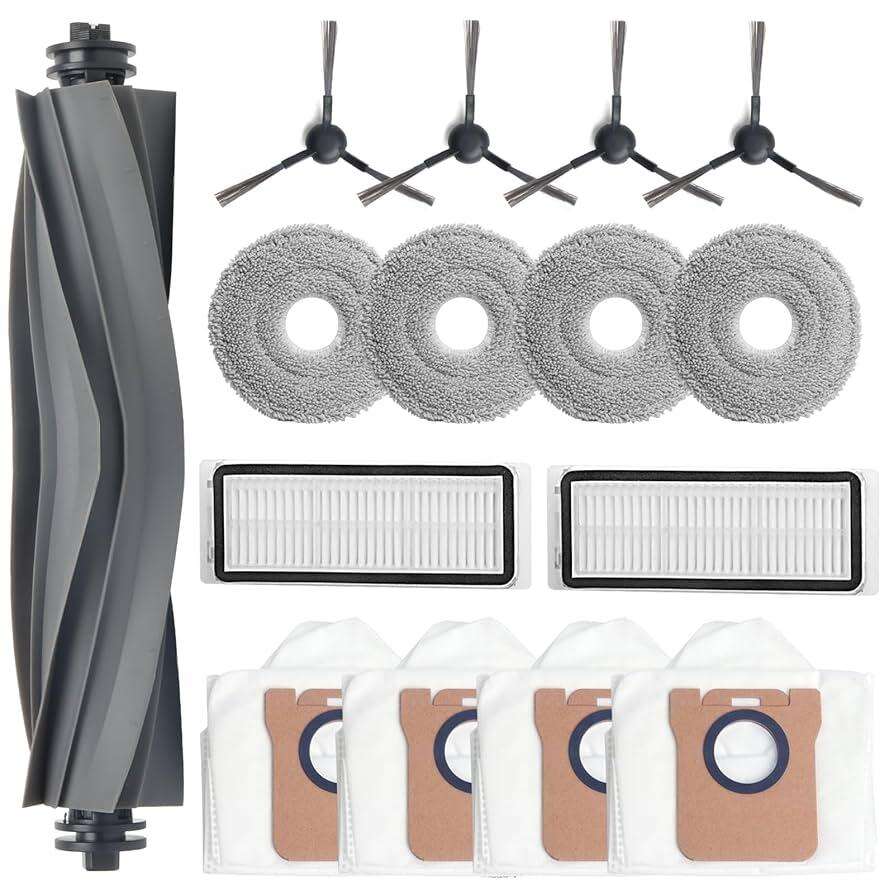
Sa buong komersyal at residential na pamamaraan ng paglilinis, ang pangangailangan para sa mataas na antas ng pag-filter ay hindi kailanman naging mas tiyak o mas mahalaga. Habang ang mga awtomatikong device para sa paglilinis ng sahig ay naging karaniwang kagamitan sa iba’t ibang kapaligiran — mula sa mga pasilidad ng pangangalagang pangkalusugan hanggang sa mga smart home — ang tungkulin ng mga filter ng robot vacuum ay lumawak nang malayo sa simpleng pagkolekta ng alikabok. Ang kalidad ng pag-filter ay ngayon nang diretso ang nagtutukoy kung ang isang aplikasyon sa paglilinis ay pawang sapat lamang o tunay na epektibo, kaya ang pagpili ng bahagi ay naging isang mahalagang operasyonal na desisyon imbes na isang panghuli lamang na pag-iisip.
Pag-unawa kung aling mga tiyak na aplikasyon ang nangangailangan ng premium mga filter ng robot vacuum tumutulong sa mga tagapangasiwa ng pagbili, mga operator ng pasilidad, at kahit sa mga matalinong may-ari ng bahay na gumawa ng mas matalinong desisyon. Ang pagkakaiba sa pagitan ng karaniwang at premium na pag-filter ay hindi lamang tungkol sa prestihiyo ng brand—ito ay tungkol sa kahusayan sa pagkuha ng mga partikulo, pagpigil sa mga alergen, haba ng buhay sa ilalim ng matinding paggamit, at ang mga resulta sa kalusugan at kalinisan sa susunod na yugto na kasunod nito. Ang artikulong ito ay sinusuri ang mga pangunahing senaryo ng aplikasyon kung saan ang premium na antas ng pag-filter ay naging hindi lamang pinipiling opsyon kundi isang pangangailangan sa pamamagitan ng pagganap.
Pangangalagang Pangkalusugan at Klinikal na Kapaligiran
Ang Pagsugpo sa Impeksyon ay Nangangailangan ng Napakahusay na Pag-filter
Kakaunti lamang ang mga kapaligiran na gaya ng klinikal na setting na napakasensitibo sa pamamahala ng hangin na may mga partikulo. Ang mga ospital, klinika para sa outpatient, mga klinika ng dentista, at mga sentro ng rehabilitasyon ay lahat ay gumagana sa ilalim ng mahigpit na mga protokol sa kalinisan na hindi kayang tiisin ang mababang kalidad ng hangin. Sa mga kontekstong ito, mga filter ng robot vacuum kailangang mahuli hindi lamang ang nakikitang dumi kundi pati na rin ang mga mikroskopikong partikulo, kabilang ang mga nababalot sa bakterya na mga piraso ng alikabok at maliit na residual na aerosol na pumapasok sa pamamagitan ng karaniwang mga filter.
Premium mga filter ng robot vacuum sa mga setting na ito ay karaniwang mayroon ng HEPA-grade o malapit sa HEPA na pag-filter, na nahuhuli ang mga partikulo na hanggang sa 0.3 microns nang may kahusayan na 99.97% o mas mataas. Kapag gumagana ang mga robot na vacuum sa mga silid ng pasyente, koridor, o mga lugar para sa paghahanda ng prosedura, ang filter ay nagsisilbing huling linya ng depensa sa pagitan ng kontaminasyon sa antas ng sahig at ng lugar kung saan humihinga ang mga pasyente at tauhan. Ang isang nasira o mababang kalidad na filter sa mga sitwasyong ito ay hindi lamang isang operasyonal na kahinaan — maaari itong maging tunay na isyu sa kaligtasan ng pasyente.
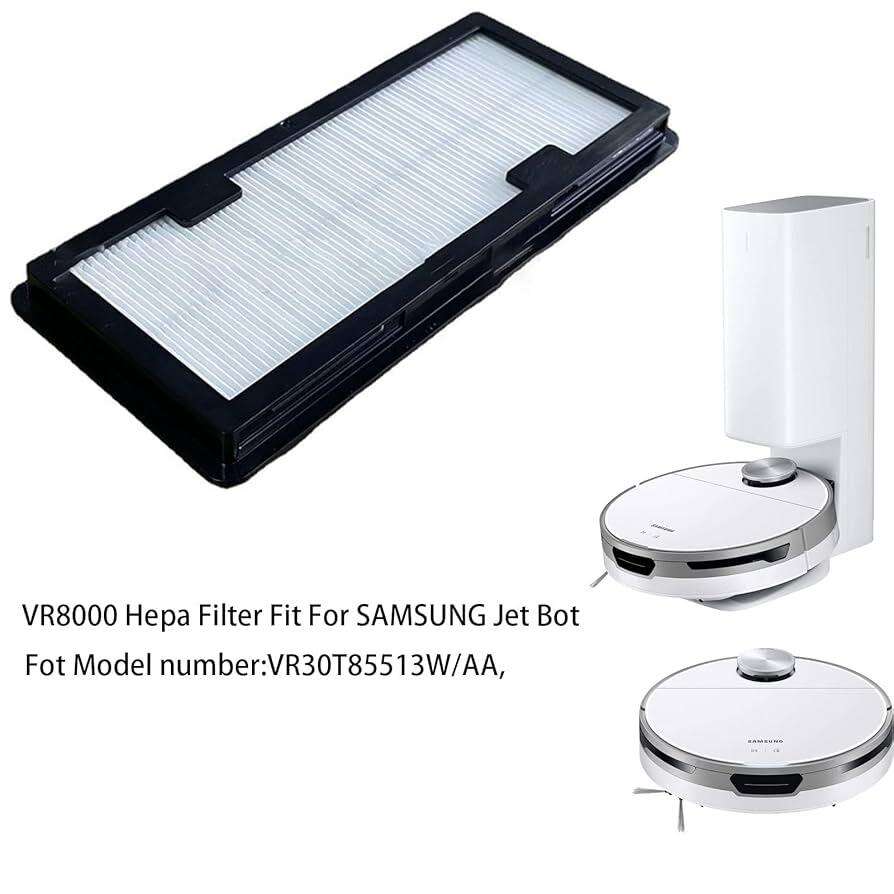
Ang regular na pagpapalit ng mga filter at ang pagkuha ng mga sangkap na katumbas o mas mataas sa orihinal na teknikal na tukoy ay kaya’y isang gawain na nauugnay sa pagsunod sa regulasyon sa mga klinikal na kapaligiran. Premium mga filter ng robot vacuum ang mga ito na panatilihin ang kanilang istruktural na integridad at electrostatic charge sa loob ng mahabang panahon ng paggamit ay pinapaboran, dahil ang pagbaba ng kalidad sa pagitan ng mga nakatakda na pagpapanatili ay maaaring magdulot ng panganib. Ang pagkakasundo sa mga tiyak na platform ng robot — tulad ng serye ng Ecovacs — ay kasing mahalaga rin, dahil ang mga filter na hindi angkop ang sukat ay maaaring mag-iwan ng mga puwang na pagdaanan na magpapabaya sa kahit anong mataas na rating na media.
Mahabang Panahon ng Pag-aalaga at mga Residential na Yunit na Sensitibo sa Alerheno
Ang mga pasilidad para sa mahabang panahon ng pag-aalaga at mga tirahan na may suporta ay nagtatanghal ng isang kombinasyong hamon na nag-uugnay ng klinikal na sensitibidad at operasyon na katumbas ng bahay. Kadalasan ay kasali sa mga residente ang mga matatanda na may nawawalang kakayahang huminga, at ang mga karaniwang alerheno tulad ng balahibo ng alagang hayop, dust mites, at spores ng amag ay maaaring mag-trigger ng malubhang mga pangyayari sa kalusugan sa populasyong ito. Ang mga robotic vacuum na ginagamit dito ay kailangang gumana nang mas mahirap, mas madalas, at may mas mataas na presisyon sa pag-filter kaysa sa mga ginagamit sa karaniwang tahanan.
Sa kontekstong ito, mga filter ng robot vacuum kailangang magbigay ng pare-parehong pagganap sa maraming siklo araw-araw. Ang mga karaniwang filter na hindi binibigyan ng rating para sa madalas na paggamit ay madaling nabubuslan, nawawala ang kahusayan sa paghila, at nagsisimulang palabasin muli ang mga partikulo na nauna nang nahuli pabalik sa kapaligiran — isang pangyayari na kilala bilang 'filter bypass'. Sa kabilang banda, ang mga premium na filter ay dinisenyo gamit ang mas makapal na media para sa pag-filter at mga frame na may panlaban na istruktura upang labanan ang pagbagsak at panatilihin ang integridad ng daloy ng hangin sa ilalim ng patuloy na presyon ng operasyon. Dapat bigyang-priority ng mga facility manager na naghahanap ng mga kagamitang pang-palit para sa mga robotic cleaning unit ang mga teknikal na detalye ng filter na sumasalamin sa aktwal na karga ng mga alergen na kinakaharap ng mga makina araw-araw.
Mga Tahanan na May Maraming Alagang Hayop at Mataas na Dander
Pag-unawa sa Hamon ng Dander at Buhok
Ang pagmamay-ari ng alagang hayop ay lumilikha ng isa sa pinakamahihirap na sitwasyon sa pambahay na pag-filter para sa anumang robotic vacuum system. Ang mga partikulo ng dander mula sa aso at pusa ay napakaliit — madalas sa saklaw na 2.5 hanggang 10 micron — at dala nila ang mga protein na allergen na nagpapakilos sa immune response ng mga indibidwal na sensitibo dito. Bukod dito, ang buhok ng alagang hayop ay nakakasagabal sa mga brush roll at nagdudulot ng mabilis na pagkablock ng filter kung ang filter media ay hindi kayang pangasiwaan ang mataas na dami ng debris nang sabay-sabay sa pagkuha ng mga napakaliit na partikulo.
Premium mga filter ng robot vacuum idinisenyo para sa mga kapaligiran na may maraming alagang hayop upang tugunan ang dalawang hamong ito sa pamamagitan ng istruktura ng pag-filter na may maraming layer. Ang panlabas na layer ay humuhuli ng mas malalaking dumi at mga piraso ng balahibo bago pa man dumating sa pangunahing media ng filter, samantalang ang panloob na layer na katumbas ng HEPA ay humuhuli sa napakaliit na mga partikulo ng balahibo na nagdudulot ng mga allergic reaction. Ang multi-stage na pamamaraang ito ay nagpapahaba ng epektibong buhay ng serbisyo ng bawat filter habang pinapanatili ang lakas ng suction na kailangan upang tanggalin ang mga nakadikit na balahibo ng alagang hayop mula sa mga carpet at mga dumi sa antas ng upholstery mula sa mga hard floor.
Ang mga sambahayan na may maraming alagang hayop o mga lahi na malakas ang pagkabalahibo ay dapat asahan na palitan ang kanilang mga filter ng robot vacuum mas madalas kaysa sa karaniwang rekomendasyon ng tagagawa. Ang paggamit ng mga premium na kapalit na bahagi na ginawa ayon sa parehong toleransya bilang ang mga bahaging OEM ay nagpapagarantiya na nananatiling selyado ang suction path ng robot at walang hindi na-filter na hangin ang lumalabas sa paligid ng housing ng filter. Ang mga accessory tulad ng mga sumusunod na compatible sa mga advanced na Ecovacs X1 series robot—kabilang ang mga dust bag, side brush, at roller cleaner—ay gumagana bilang isang integrated system kung saan ang kalidad ng filter ay pinaaangat ang performance ng bawat iba pang komponent.
Mga Tahanan na May mga Naghihirap sa Alerhiya
Kahit wala nang alagang hayop, ang mga tahanan kung saan isa o higit pa sa mga miyembro nito ay naghihirap sa allergic rhinitis, asthma, o sensitibidad sa dust mite ay kumakatawan sa mataas na demand para sa premium mga filter ng robot vacuum sa mga kapaligirang ito, ang robot na vacuum cleaner ay hindi lamang isang kagamitang pangk convenience — kundi bahagi ito ng mas malawak na protocol para sa pagbawas ng mga allergen na maaaring kasama rin ang mga air purifier, mattress encasements, at upgrade sa mga HVAC filter. Karaniwang tumatakbo ang floor-cleaning robot araw-araw o maraming beses bawat linggo, na nagdudulot ng tuloy-tuloy na demand sa mga komponente nito sa pag-filter.
Ang mga filter na may mababang antas sa mga tahanan na sensitibo sa allergy ay maaaring talagang paburisin pa ang kalidad ng hangin sa pamamagitan ng pagpapalabas muli sa silid ng mga maliit na allergen na hindi natanggap ng filter. Ang premium mga filter ng robot vacuum na may pinatunayang rating sa kahusayan sa pag-filter ng mga particle ay nakakaiwas sa panganib ng sekondaryong kontaminasyon, kaya’t ito ay isang hindi mapapalitan na bahagi ng anumang seryosong estratehiya sa pamamahala ng allergen. Para sa mga sambahayan na gumagamit ng compatible na robot platform, ang pagbili ng certified na replacement filter at ang pag-iingat ng maliit na stock ng mga spare ay nagpapatiyak na ang kalidad ng pag-filter ay hindi kailanman bumababa sa pagitan ng bawat pagbili.
Komersyal na Hospitality at Mataas na Daloy na Pampublikong Espasyo
Dami, Dalas, at Bigat ng Dumi sa mga Setting ng Hospitality
Ang mga hotel, resort, paliparan, at malalaking retail na kapaligiran ay nagpapatakbo ng mga fleet ng robot na vacuum bilang bahagi ng mga programang awtomatikong paglilinis na idinisenyo upang bawasan ang mga gastos sa trabaho habang pinapanatili ang pare-parehong mga pamantayan sa kalinisan. Sa mga setting na ito, ang mga makina ay kadalasang tumatakbo ng anim hanggang labindalawang oras bawat araw, nagba-browse sa daan-daang metro kuwadrado, at nakakahanap ng mga dumi na binubuo ng mga kalat ng dalawang paa, mga partikulo ng pagkain, mga hiwa ng hibla mula sa mga carpet, at alikabok mula sa konstruksyon sa mga lugar na nasa proseso ng pagrerenovate. Ang mga pangangailangan sa pag-filter sa ilalim ng mga kondisyong ito ay napakalaki.
Premium mga filter ng robot vacuum sa komersyal na mga setting ng hospitality ay dapat tumagal hindi lamang sa dami ng mga partikulo kundi pati na rin sa thermal na stress ng mahabang operasyon. Ang mga budget na filter ay madalas na nagpapakita ng mas mabilis na pagbaba ng kalidad kapag ginagamit nang patuloy, kung saan ang media ng filter ay nabibigat o ang frame ay nabubuwal pagkatapos lamang ng isang maliit na bahagi ng nakatakda nitong buhay-paggamit. Ang mga premium na alternatibo naman ay nananatiling stable sa sukat at epektibo sa pag-filter sa loob ng paulit-ulit na mataas na temperatura at mataas na kahalumhan na mga siklo ng operasyon — na karaniwang kondisyon sa mga lugar ng laundry ng hotel, mga pasilidad ng spa, at komersyal na kusina na nasa tabi ng mga awtomatikong ruta ng paglilinis.
Pagkakalakhan mga filter ng robot vacuum na eksaktong tugma sa tiyak na robot platform na ginagamit ay mahalaga para sa pamamahala ng fleet. Ang mga filter na hindi tugma o maluwag ang pagkakasok ay lumilikha ng mga bypass channel na nagpapahintulot sa hangin na walang filter na lumabas sa paligid ng perimeter ng filter, na nagdudulot ng kontaminasyon sa mismong mga ibabaw na kahapon pa lang nilinis ng robot. Sa mga lugar na nakikita ng mga bisita kung saan ang kalidad ng hangin ay direktang nakaaapekto sa pagtingin sa brand, ito ay isang hindi tinatanggap na resulta ng operasyon.
Pangangalaga sa Kompleks ng Retail at Opisina
Ang mga malalaking tindahan ng retail, mga kompleks ng opisina, at mga pasilidad para sa co-working ay unti-unting gumagamit ng mga robotic vacuum platform upang suplemento o palitan ang tradisyonal na mga grupo ng kalinisan na nagtatrabaho gabi-gabi. Ang mga uri ng dumi sa mga kapaligiran na ito ay iba-iba: mga dumi mula sa labas na dinala sa loob, mga hibla ng papel at mga partikulo ng toner mula sa mga lugar ng pagpi-print, mga natitirang pagkain mula sa food court, at alikabok mula sa konstruksyon dahil sa madalas na panloob na pagrerehistro. Ang bawat kategorya ng mga partikulong ito ay nangangailangan ng iba’t ibang uri ng media para sa pag-filter, kaya mahalaga ang isang versatile at mataas na kahusayan na filter.
Ang mga facility manager na namamahala sa mga programa ng robotic cleaning sa mga kapaligirang ito ay nakikinabang sa pagtatatag ng isang iskedyul na protocol para sa pagpapalit ng filter batay sa kabuuang sukat ng lugar na nilinis, imbes na batay lamang sa takdang oras sa kalendaryo. Premium mga filter ng robot vacuum madalas ay kasama ang mga tagapagpahiwatig o binibigyan ng rating batay sa kabuuang kapasidad para sa mga debris, na nagbibigay ng mas tiyak na signal para sa pagpapalit sa mga koponan ng pasilidad. Ang pamamaraang ito ay nagmamaksima ng kahusayan sa paglilinis bawat filter habang pinipigilan ang pagbaba ng kahusayan na nangyayari kapag ang mga filter ay pinipilit lumampas sa kanilang epektibong kapasidad.
Produksyon ng Pagkain, Pharmaceutical, at Kontroladong Mga Kapaligiran sa Pagmamanupaktura
Pagsugpo ng Kontaminasyon sa mga Zona ng Paghahanda ng Pagkain
Ang mga pasilidad sa pagmamanupaktura ng pagkain ay kailangang sumunod sa mahigpit na mga regulasyon sa kalinisan na sumasaklaw sa parehong kalinisan ng ibabaw at antas ng hangin na partikulo. Ang mga robot na vacuum na ginagamit sa mga lugar ng pagproseso ng tuyo, mga silid ng pakete, at mga silid ng imbakan ng sangkap ay kailangang makakuha ng maliit na alikabok ng harina, mga partikulo ng starch, at mga piraso ng materyales para sa pakete nang hindi nagpapalaya muli ng anumang nahuling materyal sa atmospera ng produksyon ng pagkain. Sa kontekstong ito, ang integridad ng mga filter ng robot vacuum ay direktang nauugnay sa pagsunod sa regulasyon at kaligtasan ng produkto.
Premium mga filter ng robot vacuum ginagamit sa mga setting ng produksyon ng pagkain ay kadalasang pinipili dahil sa kanilang paglaban sa pag-absorb ng kahalumigan at sa kanilang istruktural na katatagan kapag inilalantad sa mga cleaning agent na may pahintulot para sa pagkain, na ginagamit sa mga washdown cycle malapit sa operasyon na zona ng robot. Ang kombinasyon ng mahusay na pagkuha ng maliit na partikulo, istruktural na kahusayan, at kakayahang magkapareho sa arkitektura ng suction ng cleaning robot ay ginagawang isang hindi mapag-uusapang kadahilanan ang kalidad ng filter sa mga regulado nitong kapaligiran. Ang hindi sapat na pag-filter ay maaaring magdulot ng pagkabigo sa audit at, sa pinakamasamang mga kaso, ng pagbawi ng produkto dahil sa kontaminasyon na sinasabi na nagmula sa exhaust ng kagamitan sa paglilinis.
Kalinisan sa Paggawa ng Pharmaceutical at Elektroniko
Ang mga klinika para sa gamot at mga lugar para sa pag-aayos ng elektroniko ay kumakatawan sa pinakamahigpit na dulo ng saklaw ng mga kinakailangan sa pag-filter. Kahit sa mga lugar kung saan ginagamit ang mga robot na vacuum para sa paglilinis ng mga panlabas na koridor o mga kapitbahay na suportang lugar, malaki ang panganib ng cross-contamination mula sa isang hindi gaanong na-filter na exhaust stream. Ang mga particle na nawawala mula sa filter media o lumalampas sa isang hindi angkop na fit na filter ay maaaring dumapo sa mga malinis na ibabaw at magdulot ng kontaminasyon sa mga kontroladong lugar.
Sa mga kapaligirang ito, premium mga filter ng robot vacuum madalas na sinusubok at sertipikado ayon sa mga pamantayan para sa pag-uuri ng cleanroom. Ang mga koponan sa pagbili sa mga kumpanya ng pharmaceutical at electronics manufacturing ay nagtatakda ng mga filter batay sa kanilang napatunayang rating ng kahusayan at nangangailangan ng dokumentasyon para sa pagsubaybay mula sa tagapag-suplay ng komponente. Ang pakete ng mga aksesorya ng anumang robotic cleaning unit na inilalagay malapit sa mga kontroladong lugar — kabilang ang filter, dust bag, at mga bahagi ng brush — ay dapat nang magkakasama na sumunod sa pamantayan ng kalinisan ng kapit-bahay na kapaligiran ng produksyon. Ang mga de-kalidad na aksesorya na compatible sa mga advanced cleaning robot ay tumutulong upang matiyak na walang anumang bahagi ng proseso ng paglilinis ang magiging sanhi ng kontaminasyon.
Integrasyon sa Smart Home at Premium na Residensyal na Aplikasyon
Mga Tahanan na May Mataas na Teknolohiya at mga Ecosystem ng Smart Cleaning
Ang paglago ng mga ekosistema ng smart home ay nagtulak sa kabilang pag-upgrade sa mga inaasahan ng mga consumer sa pagganap ng mga robotic cleaning device. Sa mga premium na residential setting kung saan ang mga multi-room na robotic cleaning system ay tumatakbo nang autonomo batay sa mga nakaprogramang schedule, ang kalidad ng filter ay nagpapasya hindi lamang sa kalinisan kundi pati na rin sa pangmatagalang pagkakapare-pareho ng pagganap na inaasahan ng mga user ng smart home mula sa kanilang mga investment. Ang isang high-end na robot vacuum na may nababawasan ang kalidad ng filter ay nagbibigay ng resulta na nakakapagod sa mga user at sumisira sa tiwala sa kabuuang home automation platform.
Premium mga filter ng robot vacuum sa mga aplikasyon ng smart home ay sumusuporta sa extended na autonomous na operasyon sa pamamagitan ng pagpapanatili ng kahusayan ng suction sa pagitan ng mga cycle ng pagpapanatili. Para sa mga modelo ng robot na may mga self-empty base station at malalaking dust bag, ang filter ay kailangang gumana nang sabay-sabay sa dust bag upang matiyak na ang hangin na inilalabas mula sa base station ay kasing-linis ng hangin na inilalabas mula sa katawan ng robot mismo. Ang ganitong systems-level na pag-iisip tungkol sa kalidad ng filtration—kung saan ang bawat accessory mula sa filter hanggang sa dust bag at side brush ay nakaaambag sa kabuuang resulta ng paglilinis—ay sumasalamin sa pamantayan na ngayon ay inaaplay ng mga premium na residential user sa kanilang mga pagpipilian ng kagamitan para sa paglilinis.
Bukas na Plano ng Living at Pangangailangan sa Paglilinis ng Pinaghalong Surface
Ang mga modernong bahay na may bukas na plano ay nagdudulot ng natatanging mga hamon sa paglilinis, na pagsasama-sama ng mga lugar na may matigas na sahig at mga karpet na nakalagay sa isang lugar, mga transisyonal na espasyo, at mga silid na gumagampan ng maraming tungkulin nang sabay-sabay—kabilang ang home office, dining area, at living area. Ang uri ng dumi sa bawat lugar ay lubhang nagkakaiba, mula sa mahinang alikabok ng papel malapit sa mga workstation hanggang sa mga kiskis ng pagkain sa mga dining area at sa mga dumi na dinala sa loob mula sa mga pasukan. Ang isang robot na vacuum na nagba-browse sa mga iba't ibang ibabaw na ito ay nakakaranas ng mabilis na pagbabago sa uri at dami ng mga partikulo sa buong siklo ng paglilinis.
Premium mga filter ng robot vacuum hawakan ang pagkakaiba-iba na ito nang mas epektibo kaysa sa mga alternatibong produkto na may mas mababang presyo dahil ang kanilang konstruksyon na may maraming layer ay nakakatugon sa mas malawak na hanay ng mga sukat ng partikulo nang hindi agad nabubuslan. Para sa mga gumagamit ng mga advanced na robot na compatible at may kombinadong kakayahan sa pagpapaligpit at pagpapahid, ang pangangalaga sa filter ay lalo pang mahalaga — ang mga siklo ng pagpapahid ay maaaring magdala ng kahalumigmigan mula sa kapaligiran na, kung mararating ng kahalumigmigan ito ang isang filter na hindi gaanong kalidad, ay maaaring pabilisin ang pagkasira nito at bawasan ang kahusayan nito sa pagkuha ng mga partikulo sa susunod na mga siklo ng tuyo na pagpapaligpit. Ang pagpili ng mga accessory na eksaktong tumutugma sa sukat at disenyo ng robot—na inenginyero batay sa mga teknikal na tukoy nito—ay nagpapatiyak na ang mga siklo ng paglilinis na may kahalumigmigan at tuyo ay hindi magkakasalungat o makaaapekto sa isa't isa.
Madalas Itanong
Gaano kadalas dapat palitan ang mga filter ng robot vacuum sa mga aplikasyong may mataas na demand?
Kadalasang pagpapalit para sa mga filter ng robot vacuum nakasalalay nang husto sa kapaligiran ng paggamit. Sa karaniwang residential na mga setting, karaniwan ang pagpapalit bawat buwan. Sa mataas na daloy ng komersyal na aplikasyon, mga tahanan na may maraming alagang hayop, o mga kapaligiran sa pangangalagang pangkalusugan, inirerekomenda ang pagpapalit tuwing dalawa hanggang tatlong linggo upang mapanatili ang optimal na suction at kahusayan sa pagkuha ng mga particle. Sundin palagi ang mga gabay ng tagagawa ng robot at subaybayan ang kulay ng filter at ang resistensya sa airflow bilang mga praktikal na indikador ng kalagayan ng filter.
Bale na ba ang premium na mga filter para sa robot vacuum kumpara sa mga karaniwang opsyon?
Sa mahihirap na aplikasyon — kabilang ang mga tahanan na sensitibo sa allergen, mga klinikal na setting, mga lugar ng produksyon ng pagkain, at mga komersyal na kapaligiran sa hospitality — mga filter ng robot vacuum nang mapanatag na nagtatagumpay sa mga karaniwang alternatibo sa mga aspeto ng kahusayan sa pagkuha ng mga partikulo, pangmatagalang istruktura, at pagkakapare-pareho ng pag-filter sa ilalim ng patuloy na paggamit. Ang dagdag na gastos para sa mga premium na filter ay karaniwang napakarami ang naitutulong nito sa operasyonal at kalusugang resulta nito, lalo na kapag ang pagkabigo ng filter ay magdudulot ng mga kahihinatnan sa kalinisan, pagsunod sa regulasyon, o mga alergya.
Ano ang mangyayari kung ang filter ng robot vacuum ay hindi eksaktong tumutugma sa modelo ng robot?
Ang isang filter na hindi eksaktong tumutugma ay lumilikha ng mga puwang na nagpapahintulot sa hangin na hindi na-filter — na dala ang maliliit na alikabok at mga alergen — na lumabas mula sa robot nang hindi dumaan sa media ng filter. Ito ay nagwawala ng layunin ng mataas na kahusayan sa pag-filter at maaaring aktwal na kumalat ng mga kontaminante sa mga ibabaw na nilinis. Ang paggamit ng mga compatible na filter na partikular sa modelo mga filter ng robot vacuum na idinisenyo ayon sa eksaktong mga sukat na toleransya ay mahalaga upang panatilihin ang selyadong landas ng pag-filter na idinisenyo ng robot.
Maaaring makaapekto ba ang mga filter ng robot na vacuum sa pagpapalinis ng robot na may kombinasyon ng pagpapalangoy at basang paglilinis?
Oo. Sa mga robot na may kombinasyon ng pagpapalangoy at pagpapalangoy na may basa, ang integridad ng mga filter ng robot vacuum sa panahon ng mga siklo ng basang paglilinis ay lubhang mahalaga. Ang pagsusulot ng kahalumigmigan mula sa mga operasyon ng pagpapalangoy ay maaaring umabot sa filter kung ang ecosystem ng mga accessory ay hindi buong idinisenyo. Ang mga de-kalidad na kahalili na accessory—kabilang ang mga filter, mga pad para sa pagpapalangoy, mga supot para sa alikabok, at mga roller brush—na idinisenyo upang magtrabaho nang sama-sama para sa tiyak na mga platform ng robot ay tumutulong na maiwasan ang pagbaba ng kalidad ng filter dahil sa kahalumigmigan at nagpapatiyak na ang pagganap ng dry vacuuming ay nananatiling pare-pareho matapos ang bawat siklo ng basang paglilinis.
Talaan ng Nilalaman
- Pangangalagang Pangkalusugan at Klinikal na Kapaligiran
- Mga Tahanan na May Maraming Alagang Hayop at Mataas na Dander
- Komersyal na Hospitality at Mataas na Daloy na Pampublikong Espasyo
- Produksyon ng Pagkain, Pharmaceutical, at Kontroladong Mga Kapaligiran sa Pagmamanupaktura
- Integrasyon sa Smart Home at Premium na Residensyal na Aplikasyon
-
Madalas Itanong
- Gaano kadalas dapat palitan ang mga filter ng robot vacuum sa mga aplikasyong may mataas na demand?
- Bale na ba ang premium na mga filter para sa robot vacuum kumpara sa mga karaniwang opsyon?
- Ano ang mangyayari kung ang filter ng robot vacuum ay hindi eksaktong tumutugma sa modelo ng robot?
- Maaaring makaapekto ba ang mga filter ng robot na vacuum sa pagpapalinis ng robot na may kombinasyon ng pagpapalangoy at basang paglilinis?