
 EN
EN
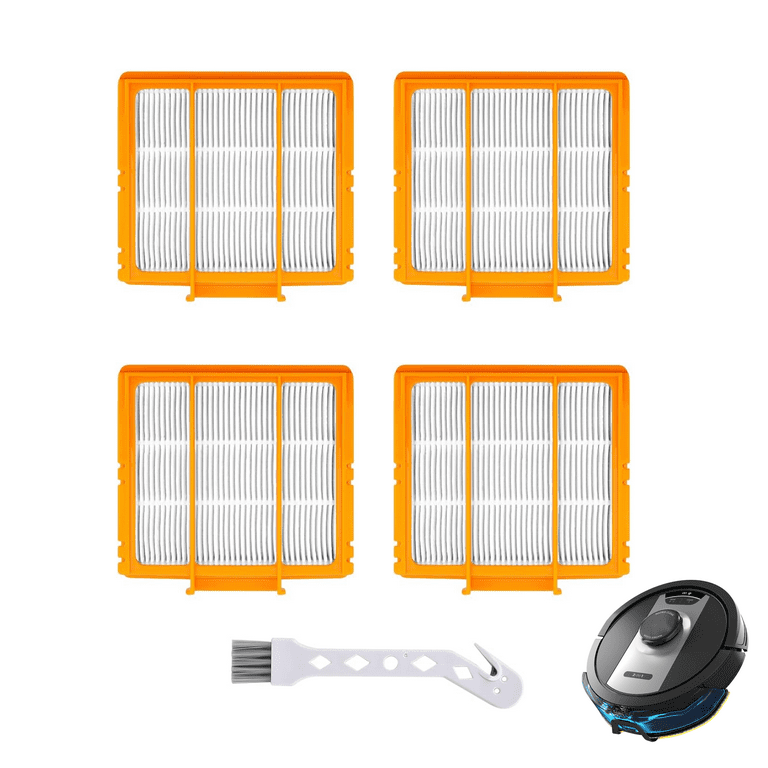
Importing robot vacuum replacement parts requires a systematic approach to quality assurance that goes far beyond basic visual inspections. For importers operating in this competitive market, establishing robust quality control protocols directly impacts customer satisfaction, return rates, and long-term business viability. The challenge lies in maintaining consistent standards across diverse supplier networks while managing cost pressures and delivery timelines.
Quality assurance in robot vacuum replacement parts encompasses multiple dimensions including material durability, dimensional accuracy, functional performance, and compatibility verification. Importers must develop comprehensive testing protocols that address both immediate functionality and long-term reliability expectations. This systematic approach becomes particularly critical when dealing with high-volume orders where quality failures can result in significant financial losses and brand reputation damage.
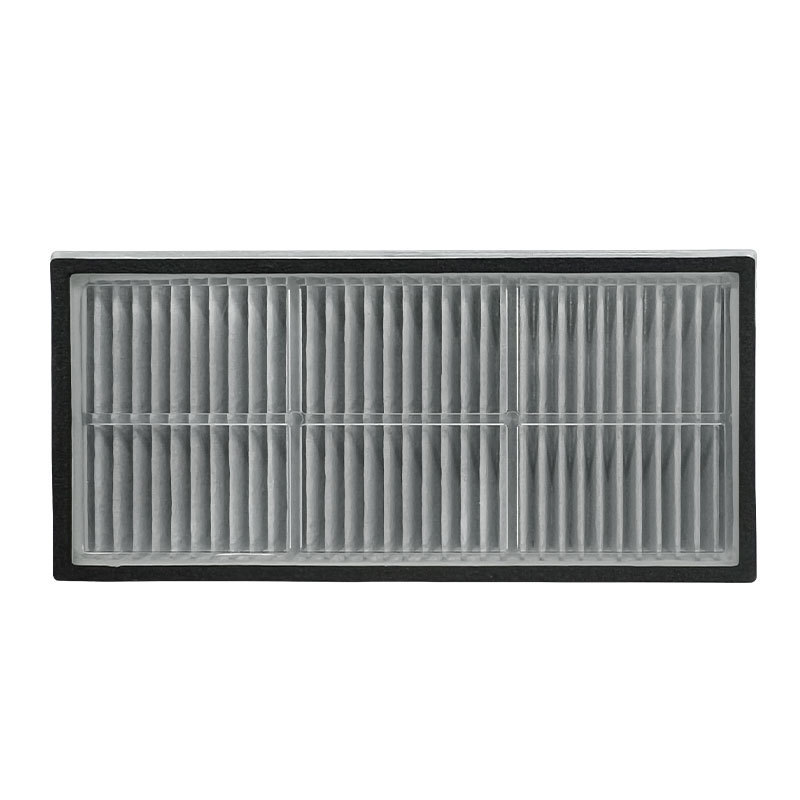
Establishing Comprehensive Supplier Qualification Protocols
Factory Audit and Certification Requirements
Successful quality assurance begins with thorough supplier evaluation processes that examine manufacturing capabilities, quality systems, and production consistency. Importers should conduct on-site factory audits to assess production equipment, quality control infrastructure, and staff competency levels. These audits provide critical insights into a supplier's ability to maintain consistent quality standards for robot vacuum replacement parts over extended production runs.
The evaluation process should include verification of ISO certifications, quality management systems documentation, and production capacity assessments. Importers must examine the supplier's testing equipment, calibration procedures, and statistical process control implementations. This comprehensive approach helps identify potential quality risks before establishing long-term supply relationships for robot vacuum replacement parts.
Documentation review plays a crucial role in supplier qualification, requiring examination of quality manuals, work instructions, and historical quality performance data. Importers should request detailed process flow charts, inspection checklists, and corrective action records to understand how suppliers address quality issues. This documentation-based assessment provides objective evidence of the supplier's commitment to quality excellence in robot vacuum replacement parts manufacturing.
Performance History and Reference Verification
Evaluating supplier performance history provides valuable insights into their ability to consistently deliver high-quality robot vacuum replacement parts. Importers should request customer references, quality performance metrics, and defect rate statistics from potential suppliers. This historical data helps predict future performance and identifies suppliers with proven track records in similar product categories.
Reference verification should include direct communication with existing customers to understand their experiences with quality, delivery reliability, and problem resolution capabilities. Importers can gain insights into how suppliers handle quality issues, their responsiveness to customer concerns, and their willingness to implement corrective actions. This feedback provides realistic expectations for future business relationships focused on robot vacuum replacement parts.
Financial stability assessment ensures that suppliers can maintain consistent quality standards without compromising production capabilities due to resource constraints. Importers should evaluate the supplier's financial health, investment in quality improvements, and long-term business sustainability. This assessment helps avoid disruptions in supply chains that could impact quality consistency for robot vacuum replacement parts.
Implementing Rigorous Pre-Production Quality Controls
Material Specification and Testing Protocols
Pre-production quality control begins with establishing detailed material specifications that define acceptable parameters for all components used in robot vacuum replacement parts. Importers must work with suppliers to develop comprehensive material specifications covering physical properties, chemical composition, and performance characteristics. These specifications serve as the foundation for consistent quality throughout the production process.
Testing protocols should include incoming material inspections, dimensional verification, and functional performance evaluations before production begins. Importers can implement first article inspection procedures that thoroughly evaluate initial production samples against established specifications. This approach identifies potential quality issues early in the production cycle when corrective actions are most cost-effective for robot vacuum replacement parts.
Material traceability systems enable importers to track component origins, manufacturing dates, and quality test results throughout the production process. This traceability becomes essential for investigating quality issues, implementing recalls if necessary, and ensuring consistent material quality across production batches. Robust traceability systems provide confidence in the quality integrity of robot vacuum replacement parts throughout their lifecycle.
Design Validation and Compatibility Testing
Design validation ensures that robot vacuum replacement parts meet both functional requirements and compatibility standards with target vacuum models. Importers should implement comprehensive testing protocols that verify dimensional accuracy, mechanical fit, and operational performance under various conditions. This validation process helps prevent compatibility issues that could result in customer dissatisfaction and returns.
Compatibility testing should include evaluation with multiple vacuum models to ensure broad applicability and reliable performance. Importers can establish testing laboratories or partner with qualified testing facilities to conduct thorough compatibility assessments. This testing approach provides objective evidence that robot vacuum replacement parts will perform reliably in real-world applications.
Performance testing under accelerated aging conditions helps predict long-term reliability and durability of robot vacuum replacement parts. Importers should implement testing protocols that simulate extended use cycles, environmental stress conditions, and normal wear patterns. This testing approach identifies potential failure modes and helps establish realistic warranty periods for replacement parts.
Developing Comprehensive In-Process Quality Monitoring
Statistical Process Control Implementation
In-process quality monitoring requires implementation of statistical process control systems that track key quality parameters throughout production. Importers should work with suppliers to establish control charts, sampling plans, and measurement protocols for critical quality characteristics of robot vacuum replacement parts. This systematic approach enables early detection of quality trends and prevents production of defective products.
Quality monitoring systems should include real-time data collection, automated alerts for out-of-specification conditions, and corrective action protocols. Importers can require suppliers to implement digital quality management systems that provide visibility into production quality status. This transparency enables proactive quality management and reduces the risk of shipping defective robot vacuum replacement parts to customers.
Training programs for production personnel ensure consistent application of quality procedures and proper use of measuring equipment. Importers should verify that suppliers provide adequate training, maintain competency records, and implement ongoing skill development programs. Well-trained personnel are essential for maintaining consistent quality standards in robot vacuum replacement parts manufacturing.
Inspection and Testing Frequency Optimization
Optimizing inspection and testing frequency balances quality assurance requirements with production efficiency and cost considerations. Importers should establish risk-based sampling plans that increase inspection frequency for critical quality characteristics while maintaining efficiency for routine parameters. This approach ensures adequate quality coverage while minimizing disruption to production schedules for robot vacuum replacement parts.
Inspection protocols should include both dimensional measurements and functional testing to verify that parts meet specifications and perform reliably. Importers can implement multi-stage inspection processes that catch defects at various production stages rather than relying solely on final inspection. This layered approach reduces the risk of defective robot vacuum replacement parts reaching customers.
Documentation of inspection results provides valuable data for continuous improvement initiatives and supplier performance evaluation. Importers should require detailed inspection records, trend analysis reports, and corrective action documentation from suppliers. This documentation enables data-driven decisions about process improvements and supplier performance management for robot vacuum replacement parts.
Establishing Final Product Verification Procedures
Comprehensive Final Inspection Protocols
Final product verification represents the last opportunity to identify quality issues before shipment to customers. Importers should implement comprehensive final inspection protocols that evaluate all critical quality characteristics of robot vacuum replacement parts. These inspections should include visual examination, dimensional verification, functional testing, and packaging quality assessment.
Final inspection procedures should incorporate acceptance sampling plans appropriate for the volume and risk level of robot vacuum replacement parts shipments. Importers can establish inspection criteria based on acceptable quality levels, customer requirements, and regulatory standards. This systematic approach ensures consistent quality decisions across different product lots and production periods.
Quality documentation accompanying shipments provides customers with confidence in product quality and enables traceability for future reference. Importers should require certificates of compliance, inspection reports, and test data with each shipment of robot vacuum replacement parts. This documentation demonstrates commitment to quality and provides evidence of compliance with specifications.
Performance Validation and Stress Testing
Performance validation testing verifies that robot vacuum replacement parts meet functional requirements under normal and challenging operating conditions. Importers should implement testing protocols that simulate real-world usage patterns, environmental conditions, and stress scenarios. This testing approach provides confidence that parts will perform reliably throughout their expected service life.
Stress testing helps identify the operating limits and failure modes of robot vacuum replacement parts under extreme conditions. Importers can establish testing protocols that exceed normal operating parameters to understand safety margins and potential failure mechanisms. This information helps establish appropriate usage guidelines and warranty terms for replacement parts.
Long-term reliability testing provides insights into the durability and maintenance requirements of robot vacuum replacement parts over extended periods. Importers should implement accelerated life testing protocols that compress months or years of normal use into shorter testing periods. This testing approach helps predict long-term performance and identify potential design improvements for enhanced reliability.
FAQ
What are the most critical quality parameters to monitor for robot vacuum replacement parts?
The most critical quality parameters include dimensional accuracy for proper fit, material durability for longevity, functional performance under operating conditions, and compatibility with target vacuum models. Importers should also monitor surface finish quality, mechanical strength, and electrical characteristics where applicable. These parameters directly impact customer satisfaction and product reliability.
How can importers verify supplier quality capabilities before placing large orders?
Importers should conduct thorough factory audits, review quality certifications and management systems, request sample testing and evaluation, and verify customer references and performance history. Starting with smaller trial orders allows evaluation of supplier performance before committing to larger volumes. This approach minimizes quality risks while building confidence in supplier capabilities.
What testing equipment is essential for quality verification of robot vacuum replacement parts?
Essential testing equipment includes precision measuring instruments for dimensional verification, material testing apparatus for durability assessment, functional test fixtures for performance evaluation, and environmental testing chambers for stress testing. Importers should ensure that testing equipment is properly calibrated and maintained to provide accurate and reliable results.
How should importers handle quality issues discovered after shipment?
Importers should implement rapid response protocols that include immediate investigation, root cause analysis, corrective action implementation, and customer notification procedures. Establishing clear quality agreements with suppliers helps define responsibilities and response requirements for quality issues. Maintaining detailed quality records enables effective problem resolution and prevents recurrence of similar issues.
Table of Contents
- Establishing Comprehensive Supplier Qualification Protocols
- Implementing Rigorous Pre-Production Quality Controls
- Developing Comprehensive In-Process Quality Monitoring
- Establishing Final Product Verification Procedures
-
FAQ
- What are the most critical quality parameters to monitor for robot vacuum replacement parts?
- How can importers verify supplier quality capabilities before placing large orders?
- What testing equipment is essential for quality verification of robot vacuum replacement parts?
- How should importers handle quality issues discovered after shipment?