
 EN
EN
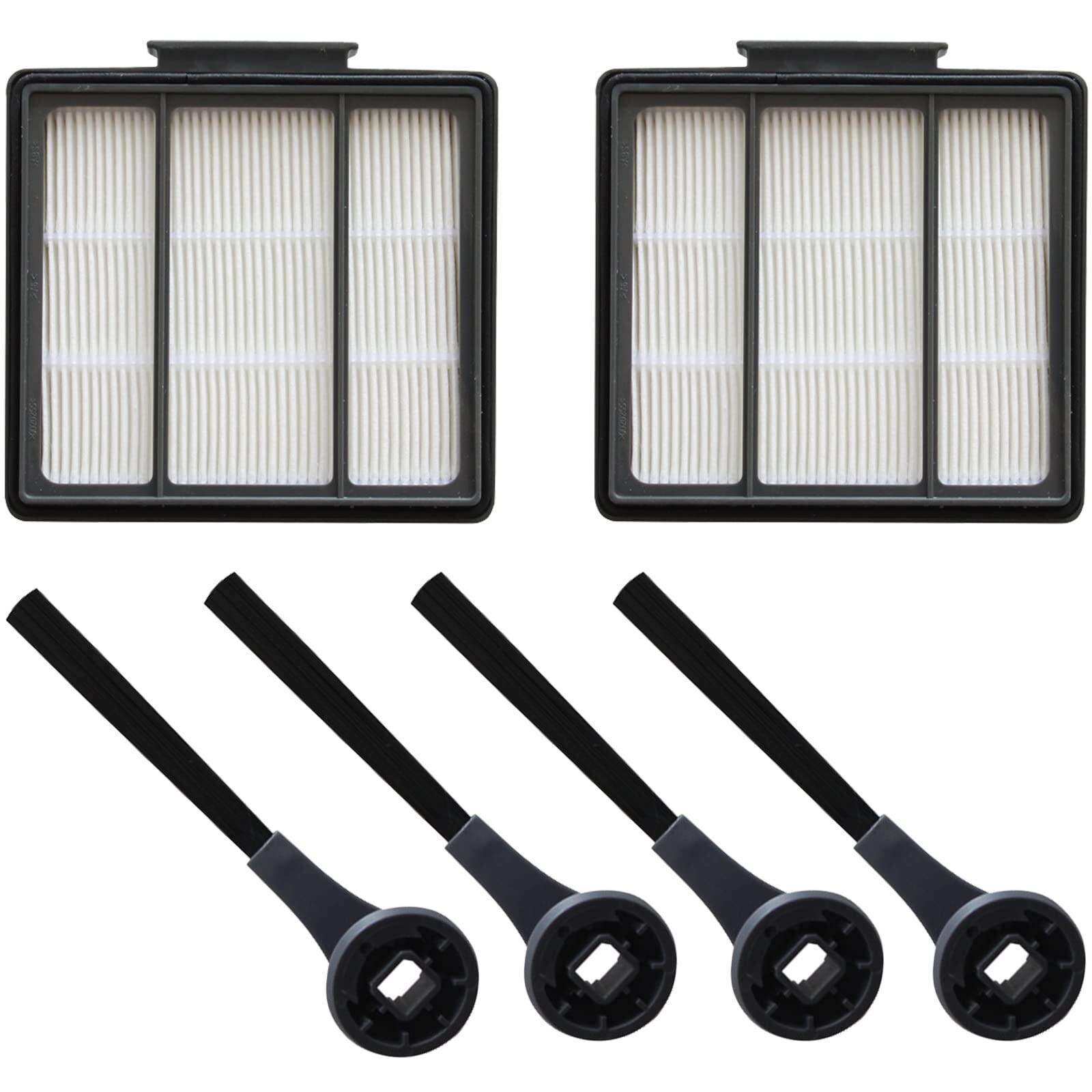
Understanding which applications require reliable robot vacuum replacement parts is crucial for maintaining optimal cleaning performance across various environments. Robot vacuum replacement parts serve as the backbone of sustained automated cleaning operations, ensuring that these sophisticated devices continue delivering consistent results throughout their operational lifecycle. Different applications place varying demands on robotic cleaning systems, making the selection and maintenance of appropriate replacement components a critical factor in long-term success.
The reliability of robot vacuum replacement parts directly impacts cleaning efficiency, operational uptime, and cost-effectiveness across diverse application scenarios. From residential homes with varying floor types to commercial facilities with high-traffic areas, each environment presents unique challenges that demand specific replacement part considerations. Understanding these application requirements enables informed decision-making regarding maintenance schedules, part selection criteria, and performance optimization strategies.
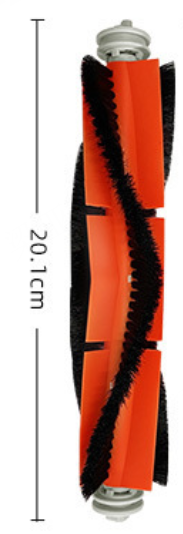
High-Traffic Commercial Environments
Office Buildings and Corporate Facilities
Office buildings represent one of the most demanding applications for robot vacuum replacement parts due to continuous foot traffic and debris accumulation. These environments typically require frequent replacement of brushes, filters, and wheels to maintain consistent cleaning performance. The constant movement of employees, clients, and delivery personnel creates substantial wear on mechanical components, making reliable replacement parts essential for uninterrupted operation.
Corporate facilities often operate robotic cleaning systems during off-hours, placing additional stress on battery systems and navigation sensors. Robot vacuum replacement parts for these applications must withstand extended operational cycles while maintaining precise cleaning patterns. Filter replacement becomes particularly critical in office environments where paper dust, toner particles, and various airborne contaminants can quickly clog standard filtration systems.
The economic impact of downtime in commercial settings makes part reliability paramount. When robot vacuum replacement parts fail unexpectedly, cleaning schedules become disrupted, potentially affecting workplace hygiene standards and employee satisfaction. Preventive replacement programs help mitigate these risks by ensuring components are changed before reaching critical wear points.
Retail Stores and Shopping Centers
Retail environments present unique challenges for robotic cleaning systems, requiring specialized robot vacuum replacement parts designed for diverse debris types. Shopping areas accumulate everything from food crumbs and packaging materials to tracked-in dirt and seasonal debris. This variety demands robust brush assemblies and high-capacity filtration systems that require regular replacement to maintain effectiveness.
The aesthetic requirements of retail spaces add another layer of complexity to replacement part selection. Components must not only perform effectively but also operate quietly to avoid disrupting customer experiences. Worn bearings or damaged brush assemblies can create unwanted noise, making timely replacement of these robot vacuum replacement parts essential for maintaining professional environments.
Seasonal variations in retail environments significantly impact component wear patterns. Holiday seasons bring increased foot traffic and different types of debris, while promotional events may require modified cleaning schedules that affect part longevity. Understanding these patterns helps retailers develop more effective replacement part inventory strategies.
Healthcare and Medical Facilities
Hospital and Clinic Requirements
Healthcare facilities impose the most stringent requirements on robot vacuum replacement parts due to infection control protocols and regulatory compliance standards. These environments demand components manufactured from antimicrobial materials or those that can withstand frequent sterilization procedures. Standard replacement parts may not meet medical facility requirements, necessitating specialized components designed for healthcare applications.
The critical nature of healthcare environments means that robot vacuum replacement parts must demonstrate exceptional reliability and performance consistency. Contamination risks require frequent filter changes and thorough sanitization of all components. Brushes, wheels, and sensors must maintain their effectiveness even after repeated exposure to medical-grade cleaning agents and sterilization processes.
Patient safety considerations directly influence replacement part selection in healthcare settings. Components that could harbor pathogens or create safety hazards require more frequent replacement than those used in general commercial applications. Documentation requirements for medical facilities also demand detailed tracking of replacement part installation and performance history.
Laboratory and Research Environments
Laboratory settings require robot vacuum replacement parts that can handle specialized contaminants while maintaining cleanroom standards. Research facilities often work with chemical compounds, biological materials, or particulate matter that can damage standard cleaning components. Replacement parts must be compatible with laboratory cleaning protocols and resistant to chemical exposure.
The precision requirements of laboratory environments make component performance consistency critical. Even minor variations in cleaning effectiveness can compromise research protocols or contaminate sensitive experiments. Robot vacuum replacement parts for laboratory applications often require enhanced filtration capabilities and specialized materials that resist degradation from chemical exposure.
Controlled environment maintenance in laboratories depends heavily on reliable filtration systems. HEPA filters and specialized collection chambers require regular replacement to maintain air quality standards. The cost of contamination events far exceeds the expense of premium replacement parts, making quality components a cost-effective investment for research facilities.
Industrial and Manufacturing Applications
Factory Floor Cleaning Operations
Manufacturing environments place extreme demands on robot vacuum replacement parts due to harsh operating conditions and industrial debris. Factory floors accumulate metal shavings, chemical residues, oil spills, and abrasive particles that can rapidly wear down standard cleaning components. Replacement parts for these applications must demonstrate enhanced durability and resistance to industrial contaminants.
The continuous operation requirements of many manufacturing facilities mean that robot vacuum replacement parts must maintain performance under extended duty cycles. Components experience accelerated wear due to abrasive materials and challenging environmental conditions. Brush assemblies designed for industrial applications typically feature reinforced construction and specialized materials to withstand these demanding conditions.
Safety regulations in manufacturing environments often dictate specific requirements for cleaning equipment components. Robot vacuum replacement parts must comply with industrial safety standards and demonstrate compatibility with workplace safety protocols. Non-sparking materials and explosion-proof designs may be necessary in certain manufacturing environments.
Warehouse and Distribution Centers
Warehouse operations create unique challenges for robotic cleaning systems, requiring robot vacuum replacement parts designed for large-scale applications. These facilities typically feature vast floor areas with varying surface types, from concrete loading docks to carpeted office areas. Replacement parts must accommodate this diversity while maintaining consistent performance across different surface types.
The high-volume nature of warehouse operations means that robotic cleaning systems often operate continuously or on extended schedules. This intensive use pattern accelerates component wear, making reliable replacement part availability crucial for maintaining operational efficiency. Battery systems, drive mechanisms, and navigation sensors experience particular stress in warehouse environments.
Dust management in warehouses requires specialized filtration components that can handle fine particulates from packaging materials and stored goods. Robot vacuum replacement parts for warehouse applications often feature enhanced dust containment systems and high-capacity collection chambers to handle the substantial debris volumes typical in these environments.
Specialized Residential Applications
Large Estate and Luxury Home Maintenance
High-end residential properties often feature extensive floor areas and premium flooring materials that require specialized robot vacuum replacement parts. These applications demand components that can transition seamlessly between different flooring types while maintaining gentle treatment of delicate surfaces. Luxury homes may feature antique rugs, marble floors, and hardwood surfaces that require specific brush types and suction settings.
The aesthetic requirements of luxury residential applications influence replacement part selection significantly. Components must operate quietly and discretely to maintain the peaceful environment expected in high-end homes. Premium robot vacuum replacement parts often feature advanced noise reduction technologies and refined mechanical designs that minimize operational disturbance.
Estate properties typically feature multiple zones with varying cleaning requirements, from formal dining areas to mudrooms and pet areas. This diversity requires versatile replacement part systems that can adapt to different cleaning challenges while maintaining consistent performance standards throughout the property.
Multi-Pet Households and Animal Care Facilities
Properties with multiple pets place extraordinary demands on robot vacuum replacement parts due to constant hair accumulation and frequent debris generation. Pet hair can quickly clog filtration systems and wrap around brush assemblies, requiring more frequent replacement cycles than standard residential applications. Specialized components designed for pet environments often feature anti-tangle technologies and enhanced collection capacities.
Animal care facilities and veterinary clinics require robot vacuum replacement parts that can handle biological contaminants while maintaining sanitation standards. These environments generate specialized debris types including animal hair, litter materials, and organic waste that can challenge standard cleaning components. Replacement parts must demonstrate resistance to biological contamination and compatibility with sanitization procedures.
The unpredictable nature of pet behavior adds complexity to robotic cleaning operations, potentially causing damage to components through interaction with animals. Robot vacuum replacement parts for pet environments often require enhanced durability to withstand occasional impacts and interference from curious or protective animals.
FAQ
How often should robot vacuum replacement parts be changed in commercial applications?
Commercial applications typically require robot vacuum replacement parts to be changed every 2-4 weeks for high-traffic areas, though this varies significantly based on usage intensity and environmental conditions. Filters may need weekly replacement in dusty environments, while brush assemblies might last 4-6 weeks in normal commercial settings. Establishing a preventive maintenance schedule based on actual usage patterns rather than manufacturer guidelines often provides better results in commercial applications.
What factors determine the compatibility of robot vacuum replacement parts across different models?
Robot vacuum replacement parts compatibility depends on mounting mechanisms, electrical connections, size specifications, and communication protocols between components and the main unit. Physical dimensions and attachment methods are primary factors, but electronic compatibility for sensors and motors also plays a crucial role. Always verify part numbers and manufacturer specifications before purchasing replacement components, as even similar-looking parts may have different performance characteristics or electronic requirements.
Can using generic robot vacuum replacement parts affect cleaning performance?
Generic robot vacuum replacement parts can significantly impact cleaning performance if they don't meet original equipment specifications for materials, dimensions, or operating characteristics. While some aftermarket parts provide equivalent performance at lower costs, others may compromise suction efficiency, navigation accuracy, or component longevity. The key is selecting generic parts from reputable manufacturers who maintain quality standards comparable to original equipment specifications.
What are the most critical robot vacuum replacement parts for maintaining optimal performance?
The most critical robot vacuum replacement parts for optimal performance are filtration systems, brush assemblies, and battery units, as these directly affect cleaning effectiveness and operational reliability. Filters maintain air quality and prevent motor contamination, brushes ensure effective debris pickup, and batteries determine operational duration and scheduling flexibility. Secondary components like wheels and sensors also impact performance but typically have longer replacement intervals than these primary consumable parts.
Table of Contents
- High-Traffic Commercial Environments
- Healthcare and Medical Facilities
- Industrial and Manufacturing Applications
- Specialized Residential Applications
-
FAQ
- How often should robot vacuum replacement parts be changed in commercial applications?
- What factors determine the compatibility of robot vacuum replacement parts across different models?
- Can using generic robot vacuum replacement parts affect cleaning performance?
- What are the most critical robot vacuum replacement parts for maintaining optimal performance?