
 EN
EN
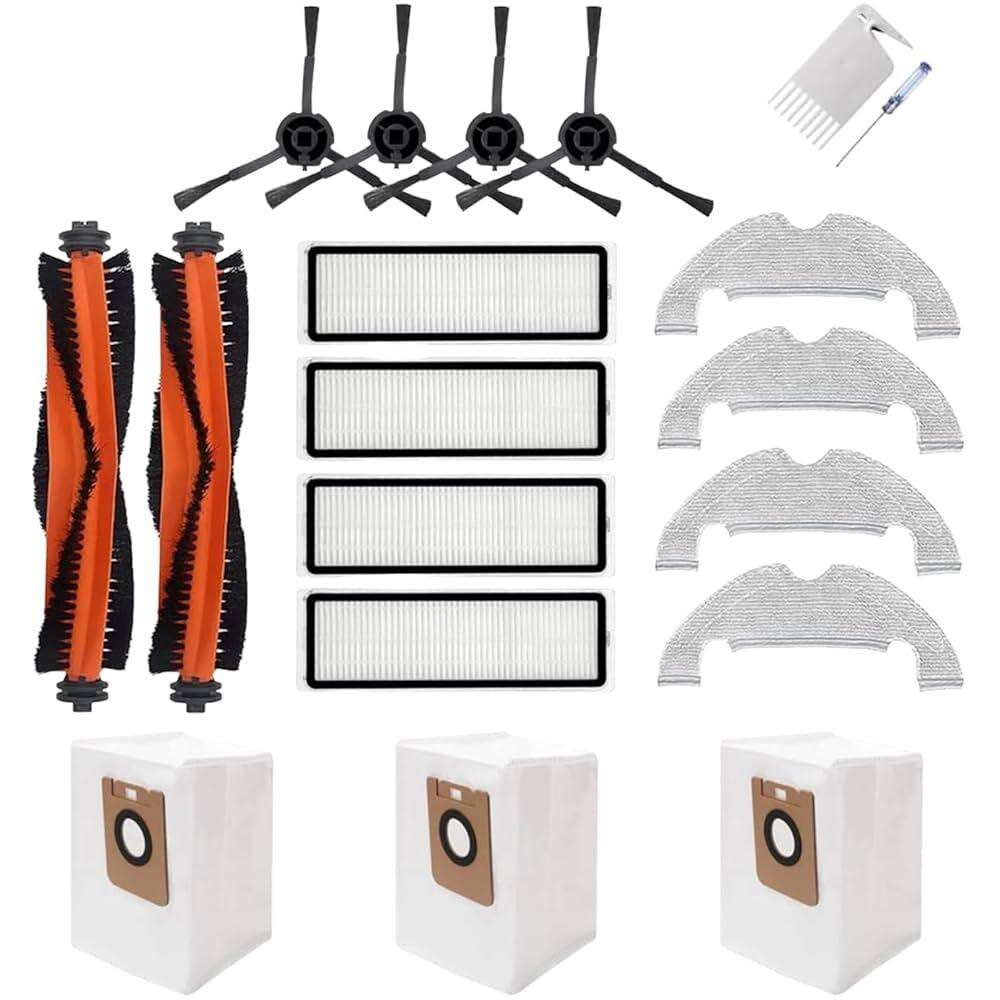
Importers face significant challenges when evaluating robot vacuum accessories for bulk orders, as the wrong choices can result in substantial financial losses, damaged supplier relationships, and customer dissatisfaction. The process requires a systematic approach to assess quality, compatibility, market demand, and supplier reliability before committing to large-scale purchases. Understanding the evaluation framework for robot vacuum accessories becomes critical for importers who need to balance cost considerations with quality assurance while meeting their target market requirements.
The evaluation process for robot vacuum accessories demands careful attention to technical specifications, manufacturing quality, and market compatibility factors that directly impact the success of bulk import operations. Importers must develop comprehensive assessment criteria that address both immediate purchasing decisions and long-term business sustainability. This systematic evaluation approach helps importers identify reliable suppliers, ensure product quality consistency, and minimize risks associated with large-volume orders in the competitive robot vacuum accessories market.
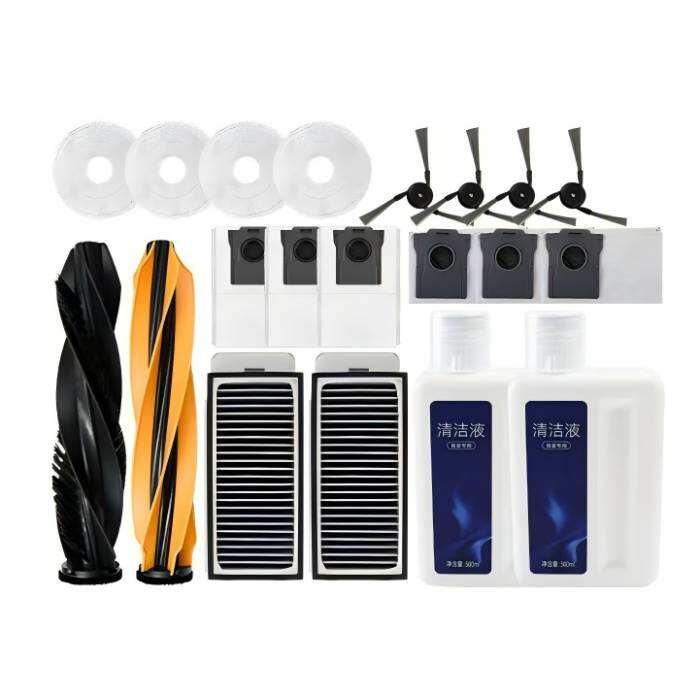
Technical Specification Assessment Framework
Compatibility Verification Methods
Importers must establish rigorous compatibility verification protocols when evaluating robot vacuum accessories to ensure products function correctly with target robot models. The verification process begins with obtaining detailed technical specifications from suppliers, including dimensional measurements, connection mechanisms, and material compositions. These specifications should be cross-referenced against the original equipment manufacturer requirements to identify any potential compatibility issues before placing bulk orders.
Physical testing remains essential for verifying robot vacuum accessories compatibility, requiring importers to obtain sample products for hands-on evaluation. The testing protocol should include fit assessment, functional testing, and performance comparison with original accessories. Importers should document compatibility results systematically, creating a database of verified accessories that can guide future purchasing decisions and reduce evaluation time for repeat orders.
Documentation review plays a crucial role in compatibility assessment, as importers need to examine supplier certifications, test reports, and compliance documentation. These documents provide evidence of quality control processes and regulatory compliance that support the reliability claims of robot vacuum accessories. Importers should verify the authenticity of certifications and ensure that testing methodologies align with industry standards relevant to their target markets.
Performance Standards Evaluation
Performance evaluation of robot vacuum accessories requires establishing measurable criteria that reflect real-world usage conditions and customer expectations. Importers should develop performance benchmarks based on cleaning efficiency, durability, and operational reliability that align with market requirements. These benchmarks serve as objective evaluation tools that enable consistent assessment across different suppliers and product categories.
Testing protocols for robot vacuum accessories should simulate typical usage scenarios, including various surface types, debris conditions, and operational cycles. The evaluation process must include stress testing to assess product longevity and identify potential failure modes that could affect customer satisfaction. Importers should document performance results systematically, creating comparative data that supports informed purchasing decisions for bulk orders.
Comparative analysis becomes valuable when evaluating multiple suppliers of similar robot vacuum accessories, allowing importers to identify performance differentials that justify price variations. The analysis should consider both quantitative metrics such as cleaning efficiency percentages and qualitative factors like noise levels and user experience. This comprehensive performance assessment helps importers select accessories that deliver optimal value propositions for their target markets.
Quality Control and Manufacturing Assessment
Supplier Manufacturing Capability Review
Manufacturing capability assessment requires importers to evaluate supplier production capacity, quality systems, and technical expertise relevant to robot vacuum accessories production. The review process should include facility inspections, either in person or through third-party auditing services, to verify manufacturing conditions and quality control implementations. Importers must assess whether suppliers possess the necessary equipment, skilled workforce, and process controls to consistently produce high-quality accessories.
Production capacity evaluation helps importers determine whether suppliers can meet bulk order requirements within specified timeframes while maintaining quality standards. The assessment should consider current production loads, scalability potential, and backup manufacturing arrangements that ensure supply continuity. Importers should also evaluate supplier relationships with component providers to understand potential supply chain vulnerabilities that could affect robot vacuum accessories availability.
Quality management system verification provides insights into supplier commitment to consistent product quality and continuous improvement. Importers should review quality certifications, audit reports, and statistical process control data that demonstrate manufacturing reliability. The evaluation should include assessment of corrective action procedures and quality improvement initiatives that indicate supplier dedication to maintaining high standards for robot vacuum accessories production.
Material Quality and Durability Testing
Material composition analysis becomes critical for robot vacuum accessories evaluation, as component materials directly impact product performance, durability, and safety characteristics. Importers should request detailed material specifications and conduct independent testing to verify material properties and compliance with relevant safety standards. The analysis should include assessment of plastic grades, metal alloys, and fabric compositions used in different accessory components.
Durability testing protocols should simulate extended usage conditions to predict product lifespan and identify potential wear patterns that could affect customer satisfaction. The testing process must include accelerated aging tests, stress cycling, and environmental exposure assessments that reflect real-world operating conditions. Importers should establish minimum durability requirements that align with customer expectations and warranty obligations for robot vacuum accessories.
Safety compliance verification ensures that robot vacuum accessories meet regulatory requirements and industry safety standards applicable to target markets. Importers must review safety certifications, test reports, and compliance documentation that demonstrate adherence to relevant safety regulations. The verification process should include assessment of electrical safety, mechanical safety, and chemical safety considerations that affect end-user protection and market acceptance.
Market Research and Demand Analysis
Target Market Compatibility Assessment
Market compatibility evaluation requires importers to analyze target market preferences, regulatory requirements, and competitive landscape factors that influence robot vacuum accessories demand. The assessment should include consumer behavior analysis, price sensitivity studies, and feature preference research that guide product selection decisions. Importers must understand market-specific requirements that affect accessory design, packaging, and positioning strategies.
Regulatory compliance analysis becomes essential for importers targeting multiple markets with different safety, environmental, and labeling requirements. The analysis should identify regulatory variations that affect product specifications, testing requirements, and documentation needs for robot vacuum accessories. Importers must ensure that selected products can meet all applicable regulatory requirements without requiring extensive modifications or additional certifications.
Competitive positioning research helps importers understand market dynamics, pricing structures, and differentiation opportunities that influence product selection and marketing strategies. The research should include analysis of existing product offerings, price points, and market share distributions for robot vacuum accessories in target markets. This understanding enables importers to identify market gaps and positioning strategies that support successful product introduction and sales growth.
Demand Forecasting and Order Planning
Demand forecasting for robot vacuum accessories requires analysis of market trends, seasonal variations, and growth projections that affect order planning decisions. Importers should utilize historical sales data, market research, and industry forecasts to develop realistic demand projections for different accessory categories. The forecasting process must consider factors such as robot vacuum adoption rates, replacement cycles, and technological evolution that influence accessory demand patterns.
Order quantity optimization involves balancing inventory costs, supplier minimum order requirements, and demand uncertainty to determine optimal bulk order sizes. Importers must consider cash flow implications, storage costs, and obsolescence risks when determining order quantities for robot vacuum accessories. The optimization process should include scenario analysis that evaluates different demand outcomes and their impact on profitability and inventory management.
Supply chain timing considerations affect order placement decisions and inventory management strategies for robot vacuum accessories imports. Importers must account for production lead times, shipping schedules, and customs clearance processes when planning bulk orders. The timing analysis should include contingency planning for potential delays and alternative supply arrangements that ensure product availability during peak demand periods.
Financial Evaluation and Risk Management
Cost Structure Analysis
Comprehensive cost analysis for robot vacuum accessories evaluation must include all expenses associated with importing, storing, and distributing products to ensure accurate profitability assessment. The analysis should encompass product costs, shipping expenses, customs duties, insurance, storage fees, and handling costs that affect total landed cost calculations. Importers must also consider currency exchange risks and payment terms that influence cash flow and financial planning for bulk orders.
Price competitiveness evaluation requires comparison of supplier pricing against market benchmarks and alternative sourcing options to ensure optimal cost positioning. Importers should analyze price structures, volume discounts, and payment terms offered by different suppliers of robot vacuum accessories. The evaluation should include assessment of total cost of ownership, including quality-related costs such as returns, replacements, and customer service expenses that affect overall profitability.
Margin analysis helps importers determine sustainable pricing strategies and profitability targets for robot vacuum accessories in their target markets. The analysis should consider distribution costs, marketing expenses, and retailer margins that affect final pricing and market competitiveness. Importers must ensure that cost structures support viable business models while maintaining competitive positioning in their target markets.
Risk Assessment and Mitigation Strategies
Supply chain risk evaluation identifies potential disruptions that could affect robot vacuum accessories availability and develops mitigation strategies to ensure business continuity. The assessment should include supplier stability analysis, geopolitical risks, transportation vulnerabilities, and regulatory changes that could impact import operations. Importers must develop contingency plans that address different risk scenarios and maintain alternative supply arrangements.
Quality risk management involves establishing inspection protocols, supplier performance monitoring, and corrective action procedures that maintain product quality consistency. Importers should implement quality assurance systems that include incoming inspection, statistical sampling, and performance tracking for robot vacuum accessories. The risk management approach should include supplier development programs and quality improvement initiatives that reduce defect rates and customer complaints.
Market risk analysis considers demand volatility, competitive pressures, and technological changes that could affect product viability and sales performance. Importers must evaluate market timing risks, inventory obsolescence potential, and demand elasticity factors that influence order planning decisions. The analysis should include sensitivity testing that examines different market scenarios and their impact on business performance and profitability for robot vacuum accessories imports.
FAQ
What are the most critical factors to evaluate when selecting robot vacuum accessories suppliers for bulk orders?
The most critical factors include manufacturing capability assessment, quality control systems verification, compatibility certification, production capacity evaluation, and supply chain reliability. Importers should prioritize suppliers who demonstrate consistent quality performance, adequate production capacity, comprehensive quality management systems, and reliable delivery capabilities. Financial stability, technical expertise, and customer service responsiveness also represent important evaluation criteria for long-term supplier relationships.
How can importers verify the authenticity and quality of robot vacuum accessories before placing large orders?
Importers can verify authenticity and quality through multiple approaches including sample testing, factory inspections, third-party quality audits, certification verification, and reference checks with existing customers. Physical testing of sample products, reviewing manufacturing processes, examining quality control documentation, and conducting performance comparisons with original equipment provide reliable verification methods. Independent testing laboratories can provide objective quality assessments that support purchasing decisions for robot vacuum accessories.
What testing protocols should importers establish for robot vacuum accessories evaluation?
Testing protocols should include compatibility verification, performance assessment, durability testing, safety compliance verification, and material quality analysis. The protocols must simulate real-world usage conditions, include accelerated aging tests, and verify compliance with relevant safety standards. Importers should establish standardized testing procedures that enable consistent evaluation across different suppliers and product categories while documenting results systematically for future reference and comparison purposes.
How should importers handle minimum order quantities and payment terms when evaluating suppliers?
Importers should negotiate minimum order quantities that align with their market demand projections and cash flow capabilities while securing favorable payment terms that minimize financial risk. The evaluation should consider total cost implications of different order quantities, including volume discounts, shipping efficiencies, and inventory holding costs. Payment term negotiations should balance supplier requirements with cash flow management needs, potentially including staged payments, letters of credit, or quality escrow arrangements for robot vacuum accessories orders.
Table of Contents
- Technical Specification Assessment Framework
- Quality Control and Manufacturing Assessment
- Market Research and Demand Analysis
- Financial Evaluation and Risk Management
-
FAQ
- What are the most critical factors to evaluate when selecting robot vacuum accessories suppliers for bulk orders?
- How can importers verify the authenticity and quality of robot vacuum accessories before placing large orders?
- What testing protocols should importers establish for robot vacuum accessories evaluation?
- How should importers handle minimum order quantities and payment terms when evaluating suppliers?