
 EN
EN
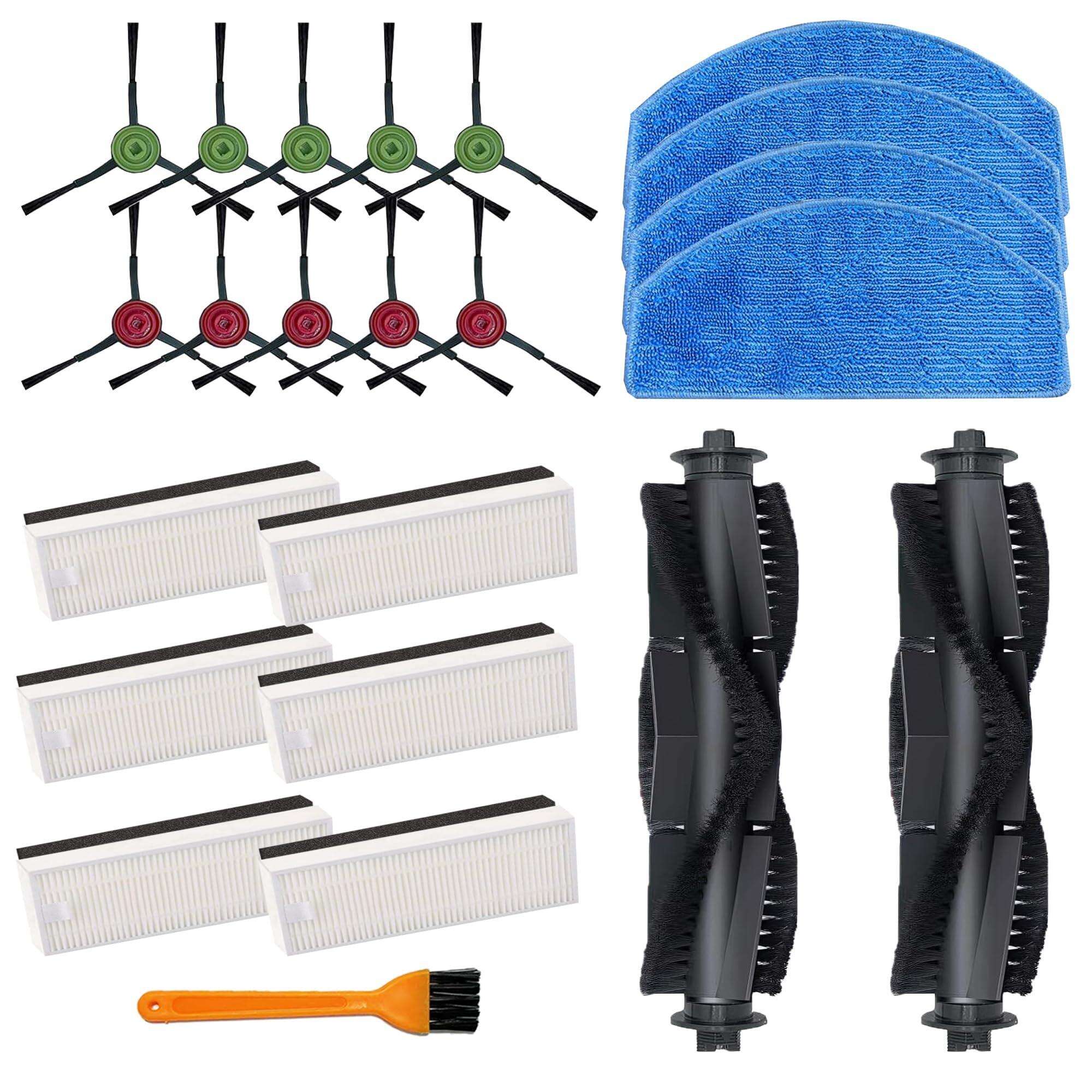
Retail environments demand exceptional cleanliness standards to maintain customer satisfaction and meet health regulations, making robot vacuum accessories a critical investment for store operations. The selection of appropriate robot vacuum accessories directly impacts cleaning effectiveness, operational costs, and the longevity of automated cleaning systems across diverse retail spaces.
Choosing the right combination of robot vacuum accessories requires understanding the unique challenges retail environments present, including high foot traffic, varied debris types, and continuous operational demands. Strategic accessory selection ensures optimal cleaning performance while minimizing downtime and maintenance costs that can significantly impact retail operations.
Essential Filtration Systems for Retail Environment Challenges
High-Efficiency Particulate Air Filtration Requirements
Retail spaces generate diverse particulate matter requiring specialized robot vacuum accessories designed for superior filtration performance. HEPA filters represent the gold standard for capturing fine dust particles, allergens, and microscopic debris commonly found in clothing stores, electronics retailers, and food service areas. These advanced filtration systems ensure that robot vacuum accessories maintain air quality standards while preventing the redistribution of captured contaminants during cleaning cycles.
The filtration capacity of robot vacuum accessories must accommodate the continuous debris accumulation typical in retail environments. Multi-stage filtration systems combine pre-filters, main filters, and exhaust filters to maximize particle capture efficiency. Premium robot vacuum accessories incorporate washable filter components that reduce operational costs while maintaining consistent filtration performance throughout extended cleaning schedules.
Specialized Filter Materials for Different Retail Sectors
Various retail sectors require specific robot vacuum accessories tailored to their unique environmental conditions and debris characteristics. Fabric stores benefit from electrostatic filters that effectively capture textile fibers and lint, while electronics retailers need anti-static filtration systems to protect sensitive equipment from electromagnetic interference. Food retail environments demand antimicrobial filter treatments within robot vacuum accessories to prevent bacterial growth and maintain sanitary conditions.
The replacement frequency of filtration robot vacuum accessories varies significantly based on retail traffic patterns and environmental factors. High-volume retail locations may require daily filter maintenance, while smaller boutiques can operate effectively with weekly filter replacement schedules. Understanding these operational requirements enables retailers to select robot vacuum accessories that balance performance with cost-effectiveness.
Brush Systems Optimized for High-Traffic Retail Floors
Main Brush Configuration for Mixed Surface Types
Retail floors typically combine multiple surface types requiring versatile robot vacuum accessories capable of effective cleaning across hardwood, tile, carpet, and transition areas. Hybrid brush designs incorporate both bristle and rubber components to address varying debris types and surface textures. These sophisticated robot vacuum accessories automatically adjust cleaning intensity based on surface detection, ensuring optimal performance without causing damage to delicate flooring materials.
The durability of main brush robot vacuum accessories becomes critical in high-traffic retail environments where continuous operation is essential. Commercial-grade brush materials resist wear from abrasive debris while maintaining consistent cleaning effectiveness throughout extended operational periods. Advanced brush designs feature tangle-resistant configurations that minimize hair and thread entanglement, reducing maintenance interruptions during busy retail hours.
Side Brush Specifications for Edge and Corner Cleaning
Retail spaces contain numerous obstacles, fixtures, and corner areas that require specialized robot vacuum accessories for comprehensive cleaning coverage. Side brush systems must navigate around display cases, shelving units, and customer seating areas while maintaining effective debris collection. Multi-directional side brushes enhance the cleaning reach of robot vacuum accessories, ensuring thorough cleaning around retail fixtures and along wall edges where dust and debris commonly accumulate.
The replacement interval for side brush robot vacuum accessories depends on the complexity of the retail layout and the presence of challenging debris types. Stores with intricate floor plans and numerous obstacles experience faster side brush wear, necessitating more frequent replacement schedules. Selecting durable side brush materials and designs extends the operational life of robot vacuum accessories while maintaining consistent cleaning performance across diverse retail environments.
Dust Collection and Storage Solutions for Continuous Operation
Large-Capacity Dustbin Systems
Retail environments generate substantial debris volumes requiring robot vacuum accessories with enhanced storage capacity to minimize emptying frequency during operational hours. Large-capacity dustbin systems enable continuous cleaning cycles without interruption, particularly important during peak shopping periods when manual maintenance access may be limited. These specialized robot vacuum accessories incorporate easy-release mechanisms that facilitate quick emptying during brief operational pauses.
The design of dustbin robot vacuum accessories must account for the varied debris types encountered in retail settings, from fine dust particles to larger items like packaging materials and small product components. Reinforced dustbin construction prevents damage from sharp or heavy debris while maintaining airtight seals that prevent dust escape during collection and transport phases. Advanced dustbin systems feature fill-level indicators that alert maintenance staff when emptying becomes necessary.
Disposable Dust Bag Integration
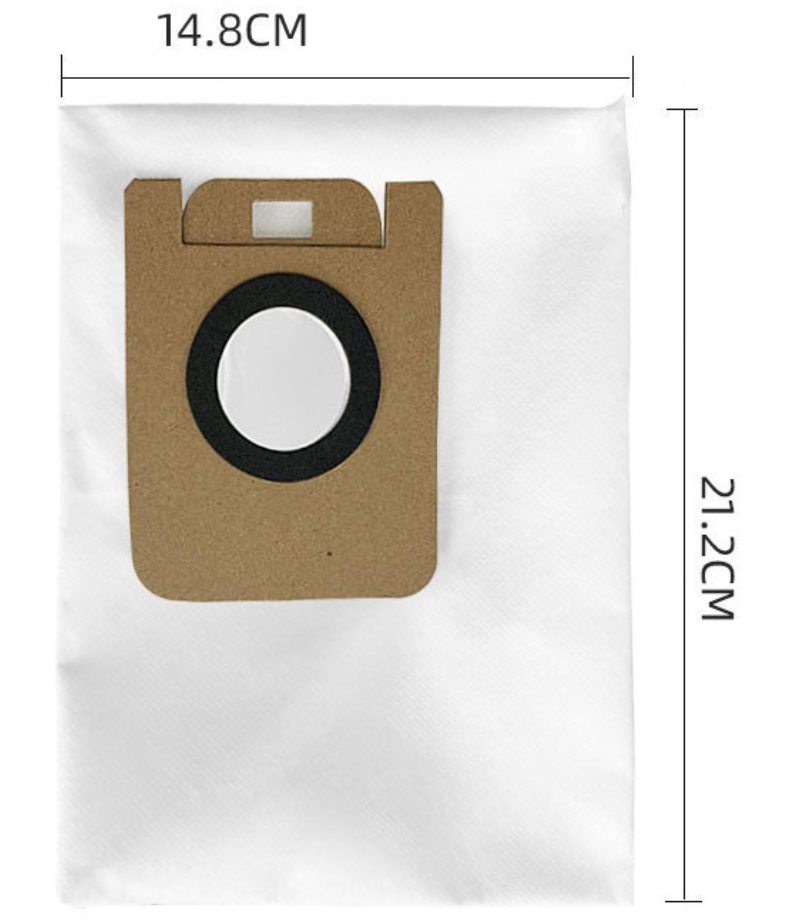
Many retail operations prefer disposable dust bag systems within their robot vacuum accessories to streamline maintenance procedures and reduce staff exposure to collected debris. Dust bag systems offer superior hygiene benefits, particularly important in food retail environments where contamination prevention is critical. These robot vacuum accessories eliminate the need for manual dustbin cleaning while providing convenient disposal methods that maintain sanitary conditions throughout the cleaning process.
The capacity and material composition of dust bag robot vacuum accessories directly influence operational efficiency and cost management in retail settings. High-capacity dust bags reduce replacement frequency while maintaining strong construction that prevents tearing during operation. Premium dust bag materials incorporate antimicrobial treatments and reinforced seams that enhance durability and hygiene performance across demanding retail applications.
Maintenance Components for Extended Operational Life
Sensor Cleaning and Protection Accessories
Robot vacuum accessories include specialized cleaning tools and protective components that maintain sensor accuracy and navigation performance in dusty retail environments. Sensor cleaning kits prevent the accumulation of debris on optical and infrared sensors that could impair navigation capabilities and cleaning effectiveness. These maintenance robot vacuum accessories ensure consistent performance by protecting critical electronic components from environmental contaminants common in retail spaces.
Protective sensor covers and cleaning tools extend the operational life of robot vacuum accessories by preventing damage from impacts with retail fixtures and merchandise displays. Regular sensor maintenance using appropriate robot vacuum accessories maintains navigation accuracy and reduces the likelihood of operational errors that could disrupt cleaning schedules. Professional-grade sensor cleaning solutions remove residue without damaging sensitive electronic components.
Battery Maintenance and Replacement Systems
Long operational periods in retail environments place significant demands on battery systems, making battery-related robot vacuum accessories essential for maintaining consistent performance. Spare battery systems enable continuous operation by allowing quick battery swaps during charging periods, ensuring uninterrupted cleaning coverage throughout retail operating hours. These robot vacuum accessories include charging stations and battery management systems that optimize charging cycles and extend overall battery life.
Battery maintenance robot vacuum accessories include diagnostic tools that monitor charging performance and identify potential issues before they impact operational schedules. Temperature monitoring systems prevent overheating during extended charging periods while maintaining optimal battery performance across varying retail environment conditions. Proper battery management through specialized robot vacuum accessories significantly reduces long-term operational costs and minimizes unexpected downtime.
FAQ
How often should robot vacuum accessories be replaced in retail environments?
Replacement frequency for robot vacuum accessories varies based on usage intensity and environmental conditions. High-traffic retail locations typically require filter replacement every 1-2 weeks, brush replacement every 2-3 months, and dustbin or dust bag replacement as needed. Regular monitoring of accessory condition ensures optimal performance and prevents operational disruptions during peak retail periods.
Which robot vacuum accessories provide the best value for large retail chains?
Large retail chains benefit most from bulk purchasing of essential robot vacuum accessories including HEPA filters, main brushes, and dust bags. Standardizing accessory types across multiple locations reduces inventory complexity and enables volume purchasing discounts. Durable, commercial-grade robot vacuum accessories offer superior long-term value despite higher initial costs through extended replacement intervals.
Can robot vacuum accessories be customized for specific retail industry requirements?
Many manufacturers offer specialized robot vacuum accessories designed for specific retail sectors including food service, electronics, clothing, and general merchandise stores. Customization options include antimicrobial treatments, anti-static materials, specialized brush configurations, and enhanced filtration systems tailored to industry-specific debris types and contamination concerns.
What safety considerations apply to robot vacuum accessories in retail environments?
Safety considerations for robot vacuum accessories in retail settings include ensuring all components meet electrical safety standards, using non-toxic materials in areas where food is present, and selecting accessories that won't create slip hazards when removed for maintenance. Fire-resistant materials and proper electrical connections are essential for robot vacuum accessories operating in commercial retail environments.
Table of Contents
- Essential Filtration Systems for Retail Environment Challenges
- Brush Systems Optimized for High-Traffic Retail Floors
- Dust Collection and Storage Solutions for Continuous Operation
- Maintenance Components for Extended Operational Life
-
FAQ
- How often should robot vacuum accessories be replaced in retail environments?
- Which robot vacuum accessories provide the best value for large retail chains?
- Can robot vacuum accessories be customized for specific retail industry requirements?
- What safety considerations apply to robot vacuum accessories in retail environments?