
 EN
EN
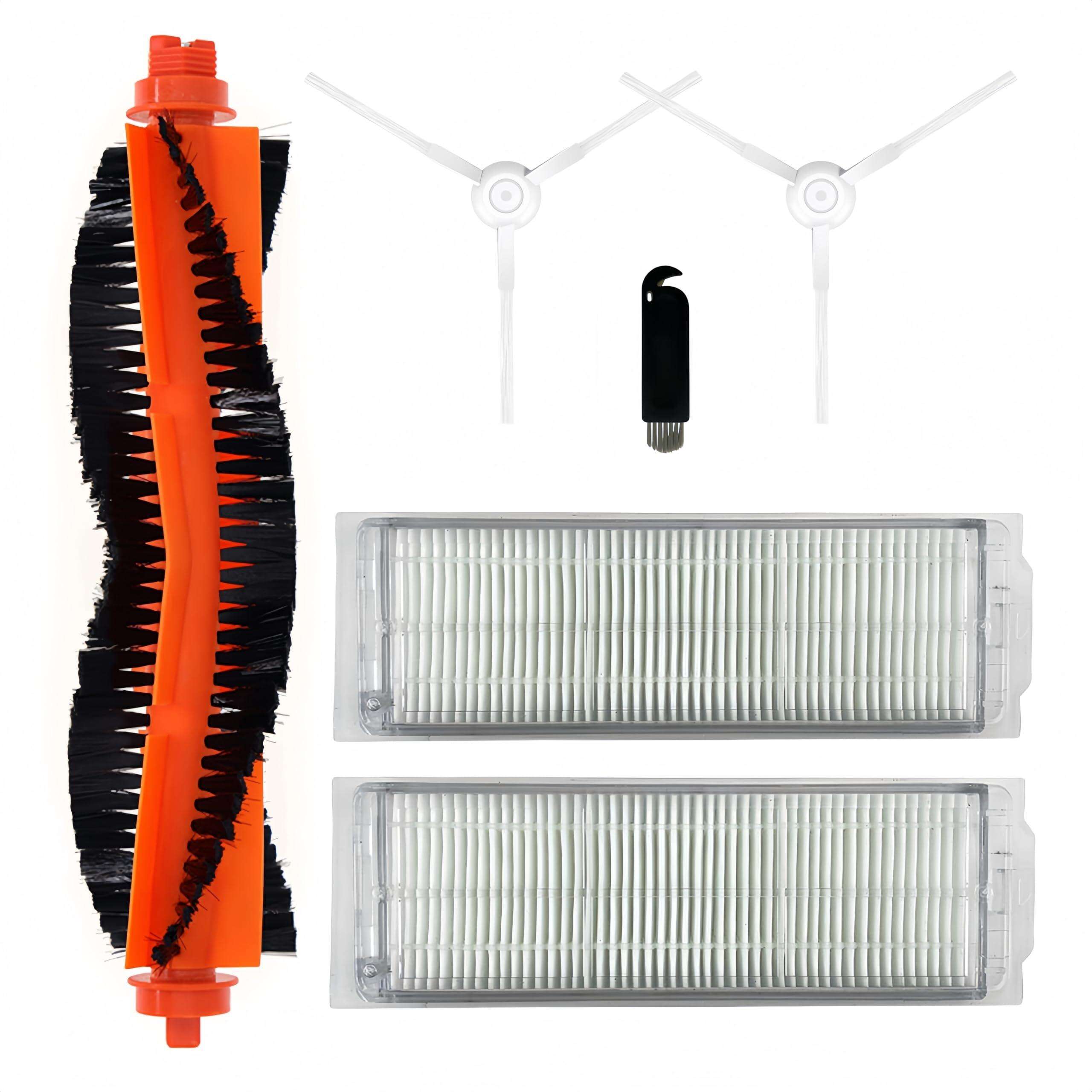
Modern households increasingly rely on automated cleaning solutions to maintain pristine living spaces without sacrificing precious time. Among the most critical components determining cleaning performance are robot vacuum brushes, which serve as the primary interface between your device and various floor surfaces. These essential elements directly impact suction efficiency, debris collection capabilities, and overall maintenance requirements. Understanding how to select the right brush configuration ensures optimal cleaning results while extending your robotic vacuum's operational lifespan. Professional cleaning specialists emphasize that proper brush selection can significantly reduce replacement frequency and maintenance costs over time.
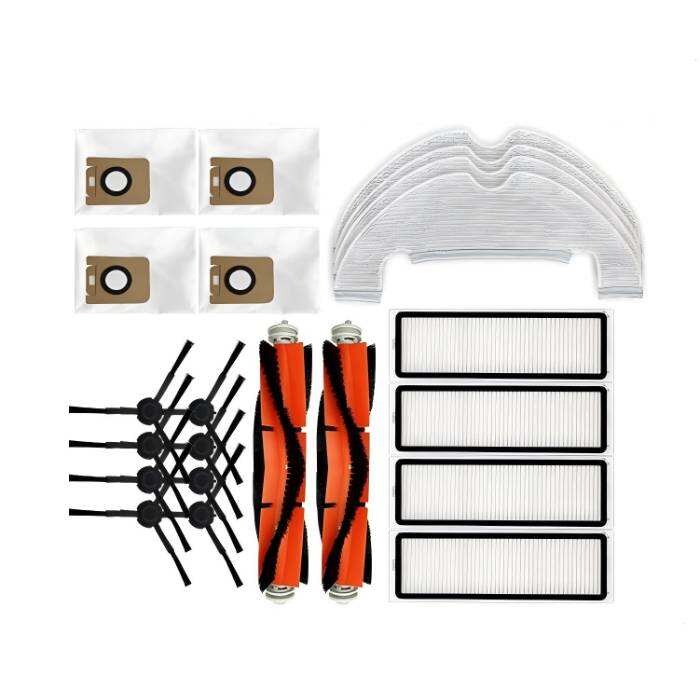
Understanding Brush Types and Their Applications
Main Brush Configurations
The main brush assembly represents the heart of any robotic cleaning system, responsible for agitating and lifting debris from floor surfaces. Traditional bristle brushes excel at deep carpet cleaning, utilizing thousands of individual fibers to penetrate carpet pile and extract embedded particles. These brushes work particularly well on medium to high-pile carpets where their aggressive action can dislodge stubborn dirt and pet hair. However, bristle brushes require more frequent maintenance due to hair tangling and wear patterns that develop over extended use periods.
Rubber roller brushes have revolutionized automated floor cleaning by offering superior performance on hard surfaces and low-pile carpets. These innovative designs feature dual counter-rotating rollers with specialized patterns that channel debris directly toward suction ports. The rubber material prevents hair entanglement while maintaining consistent contact with floor surfaces, resulting in more efficient particle collection. Professional cleaning services often prefer rubber roller systems because they deliver consistent results across mixed flooring environments while requiring minimal maintenance interventions.
Side Brush Dynamics
Side brushes extend your vacuum's cleaning reach into corners, along baseboards, and around furniture legs where main brushes cannot access effectively. Single-arm configurations provide adequate performance for most residential applications, sweeping debris from wall edges toward the main cleaning path. Multi-arm designs offer enhanced corner cleaning capabilities but may scatter lightweight particles if rotation speeds are not properly calibrated. The optimal side brush length balances reach with stability, ensuring consistent wall contact without causing navigation interference.
Material composition significantly affects side brush longevity and cleaning effectiveness across different surface types. Nylon bristles offer excellent durability and maintain shape retention under continuous use, making them ideal for homes with mixed flooring materials. Softer synthetic materials provide gentler action on delicate surfaces while still delivering adequate debris movement. The angle and flexibility of individual bristles determine how effectively they conform to surface irregularities and navigate around obstacles during cleaning cycles.
Performance Factors That Impact Brush Selection
Floor Surface Compatibility
Different flooring materials demand specific brush characteristics to achieve optimal cleaning results without causing surface damage. Hardwood floors require gentle yet effective brushes that remove dust and debris without scratching protective finishes. Soft rubber rollers or fine-bristle configurations work best on these surfaces, providing thorough cleaning while preserving floor integrity. Tile and laminate surfaces can accommodate more aggressive brush action, allowing for deeper cleaning of grout lines and textured areas.
Carpet cleaning presents unique challenges that influence brush selection criteria significantly. Low-pile carpets benefit from robot vacuum brushes with moderate agitation that lifts surface debris without excessive wear. High-pile and shag carpets require more aggressive brush action to penetrate deep into fiber layers where dirt accumulates. The brush height adjustment mechanism becomes crucial for maintaining proper surface contact across varying pile heights, ensuring consistent cleaning performance throughout your home.
Pet Hair Management
Households with pets face additional challenges when selecting appropriate brush configurations for their robotic vacuum systems. Pet hair tends to wrap around traditional bristle brushes, reducing cleaning efficiency and requiring frequent manual removal. Specialized anti-tangle designs incorporate smooth surfaces and strategic bristle placement to minimize hair accumulation. Some advanced systems feature self-cleaning mechanisms that automatically remove wrapped hair during operation, maintaining consistent performance levels.
The combination of main and side brush materials becomes particularly important in pet-friendly environments where hair management directly impacts cleaning effectiveness. Robot vacuum brushes designed specifically for pet hair removal often feature rubberized elements that create static electricity to attract and hold hair fibers. These specialized designs prevent hair redistribution while ensuring thorough collection from all accessible floor areas.
Maintenance Requirements and Longevity Considerations
Cleaning and Replacement Schedules
Regular maintenance directly correlates with brush performance and overall vacuum efficiency throughout its operational lifespan. Main brushes typically require weekly cleaning to remove accumulated debris, hair, and thread that can impede rotation and reduce suction effectiveness. The cleaning process involves removing the brush assembly, cutting away tangled materials, and washing removable components according to manufacturer specifications. Proper maintenance extends brush life while ensuring consistent cleaning performance across all floor surfaces.
Replacement timing depends on brush material, usage frequency, and environmental factors that contribute to wear patterns. High-quality brushes may last six to twelve months under normal residential use, while cheaper alternatives might require replacement every three to four months. Visual inspection helps identify wear indicators such as bent bristles, worn rubber surfaces, or damaged mounting mechanisms. Proactive replacement prevents declining performance and potential damage to your vacuum's motor system.
Cost-Effectiveness Analysis
Investment in quality brush systems delivers long-term value through reduced replacement frequency and enhanced cleaning performance. Premium brushes often feature superior materials and engineering that withstand daily use while maintaining effectiveness. The initial higher cost is offset by extended operational life and better cleaning results that reduce the need for supplementary manual cleaning. Budget-conscious consumers should evaluate total ownership costs rather than focusing solely on initial purchase prices.
Bulk purchasing of compatible brush sets can provide significant cost savings for households with multiple robotic vacuum units or those requiring frequent replacements. Many manufacturers offer value packages that include multiple brush types and replacement schedules tailored to different usage patterns. Professional cleaning services often negotiate volume pricing for brush components, demonstrating the economic advantages of strategic purchasing approaches.
Advanced Features and Technology Integration
Smart Brush Systems
Modern robotic vacuum systems incorporate intelligent brush management features that optimize performance based on detected floor surfaces and debris types. Sensor-guided brush speed adjustment ensures appropriate agitation levels for different cleaning scenarios without user intervention. These systems can differentiate between carpet and hard floor surfaces, automatically adjusting brush pressure and rotation speed to maximize cleaning effectiveness while minimizing wear on both brushes and floor surfaces.
Self-diagnostic capabilities monitor brush condition and alert users when maintenance or replacement becomes necessary. Advanced models track brush rotation resistance, cleaning efficiency metrics, and wear patterns to predict optimal replacement timing. This proactive approach prevents performance degradation and ensures consistent cleaning results throughout the brush's operational life. Integration with mobile applications allows remote monitoring and scheduling of maintenance activities for maximum convenience.
Compatibility and Standardization
Universal brush designs aim to provide cross-platform compatibility across different vacuum brands and models, reducing inventory requirements and simplifying replacement processes. However, optimal performance often requires manufacturer-specific brushes engineered for particular suction systems and cleaning mechanisms. The balance between compatibility and performance optimization influences purchasing decisions for both individual consumers and professional cleaning services.
Third-party brush manufacturers offer alternatives that may provide cost savings while maintaining adequate performance levels. Quality varies significantly among aftermarket options, making careful evaluation essential for ensuring satisfactory results. Professional reviews and user feedback help identify reliable third-party alternatives that deliver performance comparable to original equipment while offering potential cost advantages.
FAQ
How often should robot vacuum brushes be replaced
Replacement frequency depends on usage patterns, floor types, and brush quality, but most main brushes require replacement every 6-12 months under normal residential use. Side brushes typically need replacement every 3-6 months due to their more frequent contact with walls and furniture. Households with pets or high-traffic areas may need more frequent replacements, while lighter usage extends brush lifespan significantly.
Can I use third-party brushes instead of original equipment
Third-party brushes can provide cost savings and adequate performance if you choose reputable manufacturers with quality control standards. However, original equipment brushes are specifically engineered for your vacuum model and typically offer optimal performance and reliability. When selecting aftermarket options, verify compatibility specifications and read user reviews to ensure satisfactory cleaning results and proper fit.
What causes robot vacuum brushes to wear out quickly
Rapid brush wear typically results from inadequate maintenance, inappropriate floor surface usage, or low-quality materials. Hair and debris accumulation creates additional friction and stress on brush components, accelerating wear patterns. Using carpet brushes on abrasive surfaces or operating at incorrect height settings can cause premature bristle damage. Regular cleaning and proper surface matching extend brush life significantly.
How do I know when my robot vacuum brushes need cleaning
Visible debris accumulation, reduced cleaning performance, or unusual noise during operation indicate the need for brush maintenance. Hair wrapped around brush assemblies, bent or missing bristles, and difficulty rotating freely all suggest immediate cleaning requirements. Most manufacturers recommend weekly inspection and cleaning to maintain optimal performance, regardless of visible wear indicators.