
 EN
EN
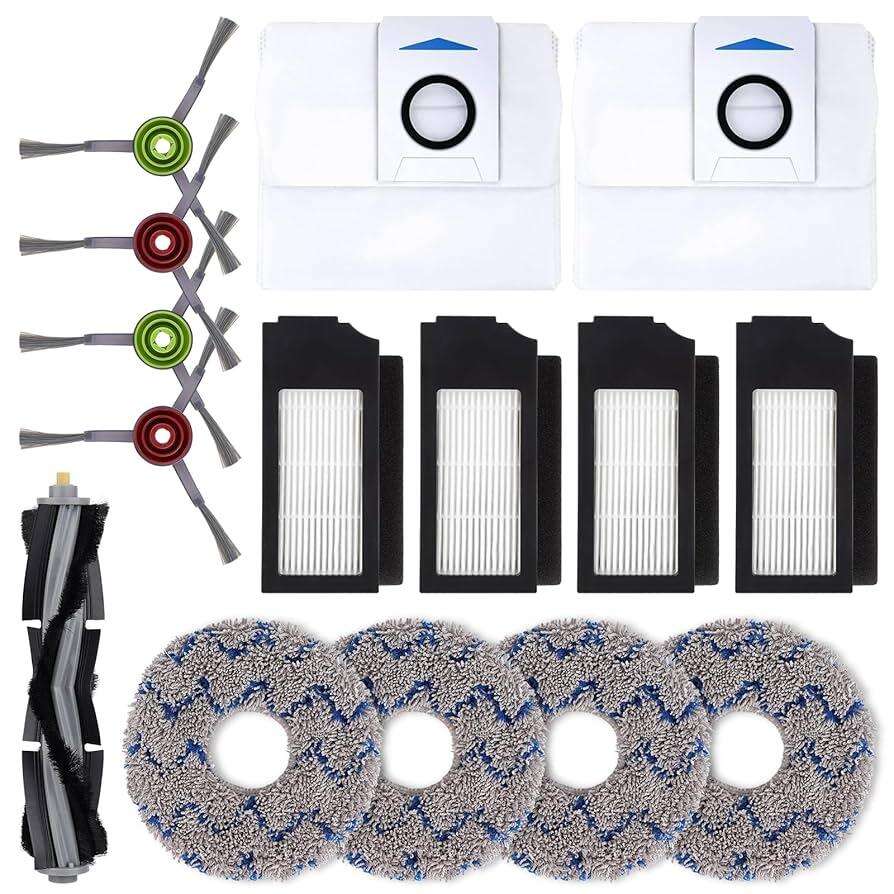
The growing demand for robotic cleaning solutions has transformed the global home appliance market, creating unprecedented opportunities for distributors and retailers. As consumers increasingly embrace automated cleaning technology, the need for reliable replacement components and accessories has surged dramatically. OEM robot vacuum parts represent a strategic business opportunity that smart distributors are leveraging to build sustainable revenue streams while establishing stronger relationships with their customer base.
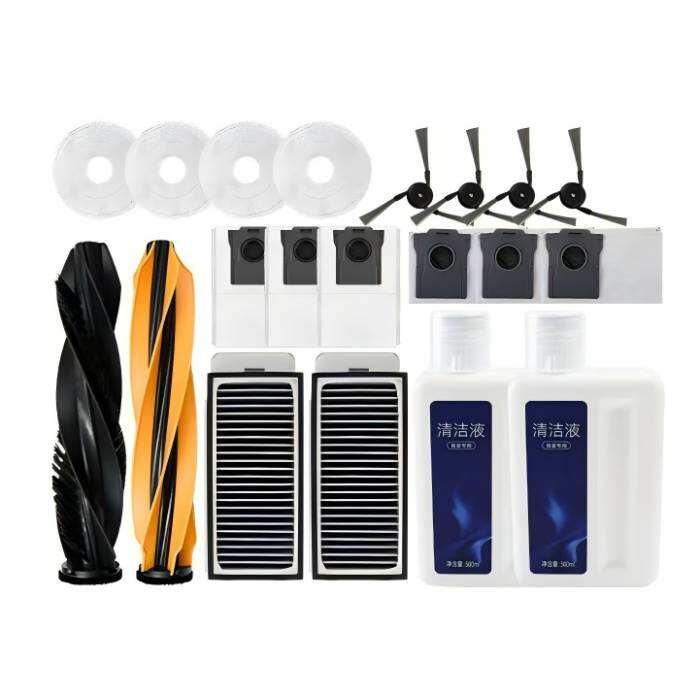
Distributing genuine manufacturer components offers distinct advantages over generic alternatives, particularly in terms of quality assurance, customer satisfaction, and long-term profitability. The robot vacuum industry has matured significantly, with consumers becoming more discerning about the components they purchase for their automated cleaning devices. This evolution has created a premium market segment where quality and compatibility take precedence over price alone.
Understanding the strategic value of OEM components requires examining both the technical aspects of robot vacuum maintenance and the business dynamics that drive distributor success. Modern robotic cleaning devices incorporate sophisticated sensors, precision-engineered brushes, and advanced filtration systems that require exact specifications to maintain optimal performance. When distributors align themselves with OEM suppliers, they position their businesses to capture the growing aftermarket demand while building reputation as trusted sources for genuine components.
Market Positioning and Competitive Advantages
Premium Brand Association
Distributors who focus on OEM robot vacuum parts automatically align their businesses with established manufacturer brands, inheriting the trust and recognition that these companies have built over years of market presence. This association provides immediate credibility when approaching new customers or expanding into new geographic markets. Consumers recognize OEM parts as the gold standard for their devices, making the sales process more straightforward and reducing the need for extensive education about product benefits.
The premium positioning that comes with OEM distribution also allows for healthier profit margins compared to generic alternatives. While initial investment costs may be higher, the perceived value and actual performance benefits justify premium pricing strategies that enhance overall profitability. This positioning becomes particularly valuable when competing against low-cost imports or unbranded alternatives that flood certain market segments.
Quality Assurance and Reliability
OEM components undergo rigorous testing and quality control processes that ensure consistent performance and longevity. This reliability translates directly into reduced customer service issues, fewer returns, and higher customer satisfaction rates for distributors. When customers experience positive outcomes with genuine parts, they develop loyalty not only to the manufacturer but also to the distributor who provided the quality solution.
The engineering precision inherent in OEM parts means they integrate seamlessly with existing robot vacuum systems, maintaining warranty coverage and ensuring optimal device performance. This compatibility eliminates the guesswork and potential complications that often arise with aftermarket alternatives, reducing technical support demands on distributor resources while enhancing customer confidence in their purchase decisions.
Financial Benefits and Revenue Optimization
Higher Profit Margins
The premium nature of OEM robot vacuum parts enables distributors to command higher selling prices while maintaining competitive positioning in the market. Unlike commodity products where price competition erodes margins, genuine OEM components offer inherent value propositions that justify premium pricing strategies. Customers understand they are paying for quality, compatibility, and peace of mind, making them less sensitive to price differences when compared to generic alternatives.
The recurring nature of replacement part sales creates opportunities for building long-term customer relationships that generate consistent revenue streams. Robot vacuum components like brushes, filters, and cleaning solutions require regular replacement, establishing predictable demand patterns that allow distributors to optimize inventory management and cash flow planning. This recurring revenue model provides business stability that one-time sales cannot match.
Inventory Turnover Optimization
OEM parts typically experience faster inventory turnover due to their established market demand and consumer preference for genuine components. This rapid movement reduces carrying costs and minimizes the risk of obsolete inventory, particularly important in the technology sector where product lifecycles can be relatively short. Distributors can maintain leaner inventory levels while still meeting customer demand, improving overall capital efficiency.
The predictable demand patterns associated with OEM components also facilitate better forecasting and procurement planning. Distributors can leverage manufacturer data and market trends to optimize stock levels, reducing both stockout situations and excess inventory scenarios. This optimization directly impacts profitability by minimizing working capital requirements and storage costs while maximizing sales opportunities.
Customer Relationship and Market Development
Enhanced Customer Trust
Offering genuine OEM robot vacuum parts establishes distributors as reliable partners in their customers' device maintenance journey. This trustworthiness extends beyond individual transactions, creating opportunities for expanded product offerings and deeper customer relationships. When customers know they can depend on a distributor for quality components, they become more receptive to recommendations for additional products and services.
The technical expertise required to properly distribute OEM components positions distributors as knowledgeable advisors rather than simple product vendors. This consultative role adds value to customer interactions and creates differentiation from competitors who may focus solely on price-based competition. Customers increasingly value expertise and guidance, particularly when dealing with sophisticated cleaning technology that requires proper maintenance.
Market Expansion Opportunities
Success with OEM robot vacuum parts often opens doors to additional product lines and market segments within the home automation and cleaning equipment industries. Manufacturers appreciate distributors who demonstrate competency with their products and may offer exclusive territories or expanded product access to successful partners. This growth potential creates long-term strategic value beyond immediate sales figures.
The growing smart home market provides natural expansion opportunities for distributors established in the robot vacuum segment. Many manufacturers produce complementary products like air purifiers, security devices, or other automated home solutions, allowing successful parts distributors to leverage their relationships and expertise across broader product portfolios. This diversification reduces business risk while capitalizing on existing customer relationships and market knowledge.
Operational Efficiency and Support Systems
Manufacturer Support and Training
OEM partnerships typically include comprehensive support systems that help distributors succeed in their markets. Manufacturers invest in distributor education, providing technical training, marketing materials, and sales support that enhance overall business effectiveness. This support reduces the learning curve associated with new product introductions and helps distributors maintain expertise in rapidly evolving technology sectors.
Access to manufacturer technical support creates additional value for distributor customers who may need assistance with installation, troubleshooting, or compatibility questions. This support network enables distributors to provide comprehensive customer service without maintaining extensive in-house technical expertise, reducing operational costs while enhancing customer satisfaction levels.
Marketing and Promotional Advantages
Manufacturers typically provide marketing support materials, promotional programs, and co-op advertising opportunities that help distributors promote OEM robot vacuum parts more effectively. These resources reduce marketing costs while ensuring consistent brand messaging and professional presentation quality. The manufacturer's marketing investment benefits distributors directly by driving consumer awareness and demand for genuine components.
The credibility associated with manufacturer-supported marketing materials also enhances distributor reputation in their local markets. Customers recognize professional marketing quality and associate it with business legitimacy and product authenticity. This perception advantage becomes particularly valuable when competing against unauthorized sellers or counterfeit products that may infiltrate certain market segments.
FAQ
How do OEM robot vacuum parts compare to generic alternatives in terms of profitability
OEM robot vacuum parts typically offer higher profit margins despite higher wholesale costs because customers are willing to pay premium prices for guaranteed quality and compatibility. The reduced return rates, lower customer service costs, and enhanced customer loyalty associated with genuine parts often result in better overall profitability than high-volume, low-margin generic alternatives. Additionally, the recurring purchase nature of replacement parts creates sustainable revenue streams that compound profitability over time.
What support can distributors expect from OEM manufacturers
Most OEM manufacturers provide comprehensive distributor support including technical training, marketing materials, warranty backing, and customer service assistance. Many offer exclusive territory rights, volume discounts, and promotional program participation. Manufacturers also typically provide product updates, installation guides, and compatibility information that help distributors serve customers more effectively while reducing internal support costs.
Are there minimum order requirements for OEM robot vacuum parts distribution
Minimum order requirements vary significantly between manufacturers and product lines, but many OEM suppliers offer flexible programs designed to accommodate distributors of different sizes. Some manufacturers provide tiered pricing structures that reward larger orders with better margins, while others focus on consistent ordering patterns rather than absolute volume. New distributors often start with smaller minimum orders and graduate to more favorable terms as their business grows.
How can distributors differentiate themselves in the competitive robot vacuum parts market
Successful differentiation strategies include focusing on technical expertise, offering comprehensive product lines, providing exceptional customer service, and maintaining strong manufacturer relationships. Distributors can also differentiate through value-added services like installation support, maintenance scheduling, or bundled product offerings. Building local market presence through community engagement and establishing reputation for reliability and expertise creates sustainable competitive advantages that price-focused competitors cannot easily replicate.
Table of Contents
- Market Positioning and Competitive Advantages
- Financial Benefits and Revenue Optimization
- Customer Relationship and Market Development
- Operational Efficiency and Support Systems
-
FAQ
- How do OEM robot vacuum parts compare to generic alternatives in terms of profitability
- What support can distributors expect from OEM manufacturers
- Are there minimum order requirements for OEM robot vacuum parts distribution
- How can distributors differentiate themselves in the competitive robot vacuum parts market