
 EN
EN
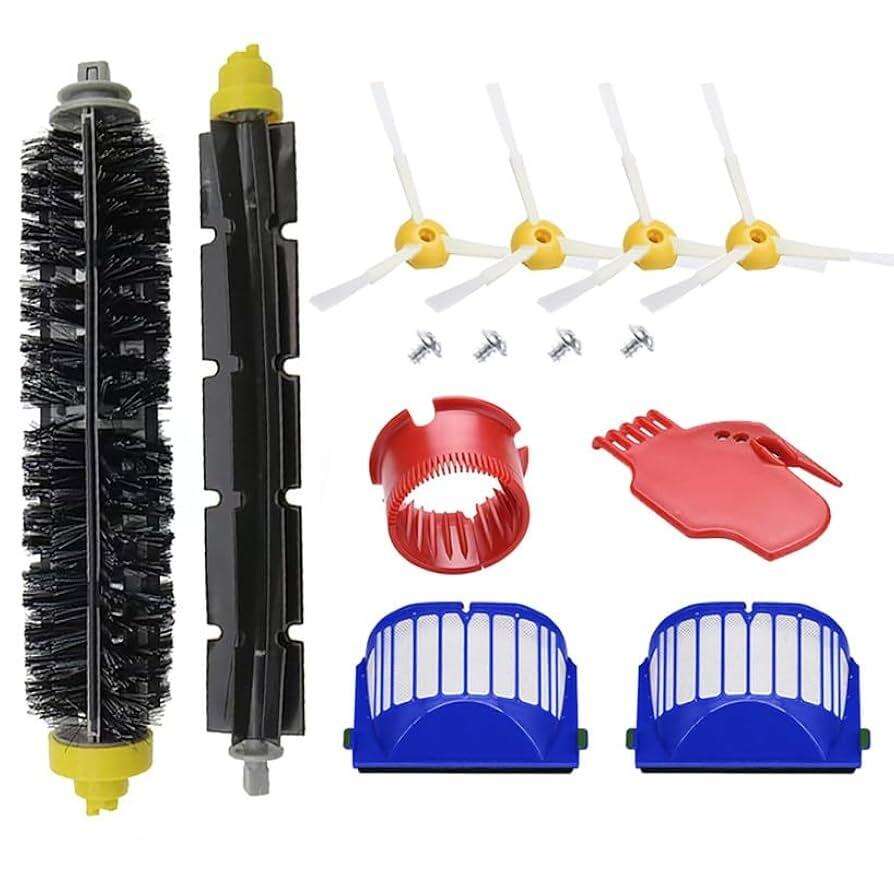
Selecting the right robot vacuum replacement parts for global distribution requires a strategic approach that balances quality, compatibility, market demand, and supply chain efficiency. As the robotic cleaning industry continues to expand worldwide, distributors must navigate complex decisions regarding which robot vacuum replacement parts will deliver the best return on investment while meeting diverse regional requirements and consumer expectations.
The global robot vacuum market presents unique challenges for distributors, as consumer preferences, regulatory standards, and maintenance patterns vary significantly across different regions. Understanding these variations is crucial for making informed decisions about which robot vacuum replacement parts to stock and distribute. This comprehensive guide explores the essential factors that influence successful part selection, from compatibility assessment to market analysis, helping distributors build profitable and sustainable replacement parts portfolios.
Understanding Market Demand and Regional Preferences
Analyzing Consumer Usage Patterns
Consumer behavior significantly influences the demand for specific robot vacuum replacement parts across different global markets. In regions with high pet ownership, such as the United States and Western Europe, filters and brushes experience higher wear rates due to increased hair and dander accumulation. Understanding these usage patterns helps distributors prioritize which robot vacuum replacement parts will have the most consistent demand in their target markets.
Regional cleaning habits also impact part replacement frequency. Markets where consumers run their robot vacuums daily, such as Japan and South Korea, typically show higher demand for motor components and sensors. Conversely, regions with weekly or occasional usage patterns may have greater demand for battery replacements due to extended storage periods between uses.
Regional Regulatory Compliance Requirements
Different countries maintain varying standards for electronic components and safety certifications that directly affect robot vacuum replacement parts selection. European markets require CE marking compliance, while products destined for North America must meet FCC regulations. Understanding these regulatory landscapes ensures that selected robot vacuum replacement parts can be legally distributed without costly compliance delays or modifications.
Environmental regulations also influence part selection decisions. The European Union's RoHS directive restricts certain hazardous substances in electronic components, while some Asian markets have specific requirements for packaging materials and disposal methods. Distributors must verify that their chosen robot vacuum replacement parts meet all applicable regional standards before committing to inventory investments.
Evaluating Compatibility and Technical Specifications
Cross-Brand Compatibility Assessment
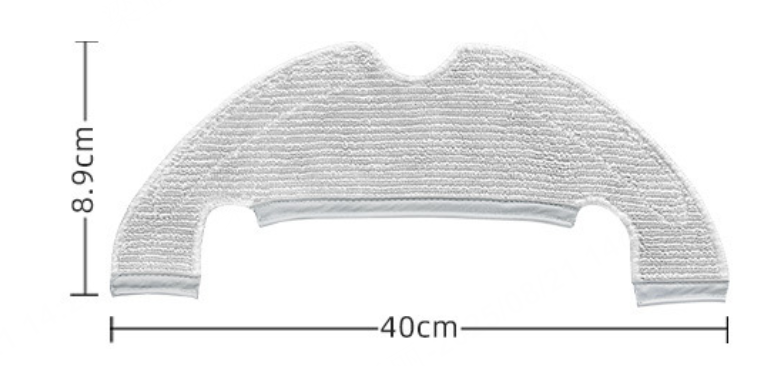
Modern robot vacuum replacement parts often feature cross-brand compatibility, expanding their market potential and reducing inventory complexity for distributors. Components such as HEPA filters, side brushes, and cleaning cloths frequently share similar dimensions and mounting systems across multiple vacuum models. Identifying these universal robot vacuum replacement parts can significantly improve distribution efficiency and reduce the number of SKUs required to serve diverse markets.
However, compatibility assessment requires careful technical evaluation. While physical dimensions may appear similar, electrical specifications, connector types, and software integration requirements can vary significantly between brands. Distributors must thoroughly test robot vacuum replacement parts with target vacuum models to ensure proper functionality and avoid customer satisfaction issues that could damage their reputation.
Quality Standards and Performance Metrics
Establishing clear quality benchmarks is essential for selecting robot vacuum replacement parts that will maintain customer loyalty and minimize return rates. Key performance metrics include filtration efficiency for air filters, brush durability ratings, battery cycle life, and sensor accuracy specifications. These technical parameters directly impact end-user satisfaction and repeat purchase behavior.
Quality certification from recognized testing organizations provides additional assurance for distributors entering new markets. ISO certifications, UL listings, and manufacturer quality management system documentation help validate that selected robot vacuum replacement parts meet professional standards and will perform reliably under diverse operating conditions.
Supply Chain and Logistics Considerations
Supplier Relationship Management
Building strong relationships with reliable suppliers is fundamental to successful robot vacuum replacement parts distribution. Suppliers should demonstrate consistent quality control processes, reliable delivery schedules, and responsive customer service capabilities. Evaluating supplier manufacturing capacity, quality management systems, and financial stability helps ensure long-term partnership viability for global distribution operations.
Diversifying the supplier base for robot vacuum replacement parts reduces risk and improves negotiating power while maintaining supply chain resilience. However, working with too many suppliers can complicate quality control and inventory management processes. The optimal approach typically involves establishing primary suppliers for high-volume parts while maintaining secondary sources for critical components and emerging market opportunities.
Inventory Management and Warehousing Strategy
Effective inventory management for robot vacuum replacement parts requires balancing carrying costs against service level requirements across multiple geographic regions. Fast-moving items such as filters and brushes may justify larger inventory investments, while specialized components like main motors or control boards require more conservative stocking approaches due to their higher unit costs and lower turnover rates.
Regional warehousing strategies must account for shipping costs, delivery timeframes, and local market characteristics. Establishing distribution centers in key regions can reduce shipping costs and improve delivery times for robot vacuum replacement parts, but requires careful analysis of local labor costs, facility expenses, and regulatory requirements to ensure profitability.
Pricing Strategy and Market Positioning
Competitive Pricing Analysis
Developing competitive pricing strategies for robot vacuum replacement parts requires comprehensive market research and understanding of local purchasing power and price sensitivity. Premium markets may accept higher prices for guaranteed compatibility and superior quality, while price-sensitive regions may prioritize value-oriented robot vacuum replacement parts that offer acceptable performance at lower cost points.
Dynamic pricing models can help optimize revenue across different market segments and seasonal demand patterns. Peak demand periods, such as spring cleaning seasons or post-holiday maintenance cycles, may support higher pricing for robot vacuum replacement parts, while promotional periods can help move slower-moving inventory and attract new customers to the distribution channel.
Value Proposition Development
Creating compelling value propositions for robot vacuum replacement parts involves highlighting unique benefits that differentiate selected products from alternatives. These benefits might include extended warranty coverage, superior filtration performance, easier installation processes, or comprehensive compatibility guarantees. Effective value propositions address specific customer pain points while justifying premium pricing where appropriate.
Educational content and technical support services can enhance the perceived value of robot vacuum replacement parts offerings. Providing installation guides, maintenance schedules, and troubleshooting resources helps customers maximize the performance and lifespan of their purchases while building brand loyalty and reducing support costs for distributors.
Marketing and Customer Education Strategies
Digital Marketing and E-commerce Optimization
Digital marketing strategies for robot vacuum replacement parts must address the technical nature of these products while making them accessible to consumers with varying levels of technical expertise. Search engine optimization focusing on specific model numbers, compatibility keywords, and problem-solving content helps capture customers actively seeking robot vacuum replacement parts for their specific needs.
E-commerce platforms require detailed product information, high-quality images, and clear compatibility matrices to help customers select appropriate robot vacuum replacement parts. Interactive compatibility checkers and virtual customer service tools can reduce selection errors and improve customer satisfaction while reducing return rates and support costs.
Professional Channel Development
Developing relationships with professional service providers, retailers, and repair technicians creates additional distribution channels for robot vacuum replacement parts. These professional channels often have established customer relationships and technical expertise that can drive higher-volume sales while reducing marketing costs for distributors.
Training and certification programs for professional partners help ensure proper installation and customer service standards while building loyalty to specific robot vacuum replacement parts brands. Professional channels may also provide valuable feedback on product performance and market demand trends that can inform future product selection decisions.
FAQ
What factors are most important when selecting robot vacuum replacement parts for international distribution?
The most critical factors include regional regulatory compliance requirements, market demand patterns based on local consumer behavior, cross-brand compatibility to maximize market potential, supplier reliability and quality standards, and competitive pricing strategies that align with local purchasing power. Understanding these factors helps distributors make informed decisions that balance profitability with market penetration opportunities.
How can distributors ensure quality consistency across different suppliers of robot vacuum replacement parts?
Distributors should establish clear quality specifications and testing protocols, require quality certifications from recognized organizations, conduct regular supplier audits, maintain sample testing programs, and implement customer feedback systems to monitor field performance. Building long-term relationships with proven suppliers while maintaining alternative sources helps ensure consistent quality standards across the supply chain.
What inventory management strategies work best for robot vacuum replacement parts distribution?
Effective strategies include categorizing parts by demand frequency and unit value, maintaining higher inventory levels for fast-moving consumables like filters and brushes while using more conservative approaches for expensive components, implementing regional warehousing to reduce shipping costs and delivery times, and using demand forecasting tools to optimize inventory levels across different market segments and seasonal patterns.
How should distributors approach pricing for robot vacuum replacement parts in different global markets?
Pricing strategies should reflect local market conditions, including purchasing power, competitive landscape, and customer price sensitivity. Premium markets may support value-based pricing that emphasizes quality and reliability, while price-sensitive regions may require volume-based approaches that prioritize market penetration. Dynamic pricing models can help optimize revenue across different customer segments and seasonal demand cycles.
Table of Contents
- Understanding Market Demand and Regional Preferences
- Evaluating Compatibility and Technical Specifications
- Supply Chain and Logistics Considerations
- Pricing Strategy and Market Positioning
- Marketing and Customer Education Strategies
-
FAQ
- What factors are most important when selecting robot vacuum replacement parts for international distribution?
- How can distributors ensure quality consistency across different suppliers of robot vacuum replacement parts?
- What inventory management strategies work best for robot vacuum replacement parts distribution?
- How should distributors approach pricing for robot vacuum replacement parts in different global markets?