
 EN
EN
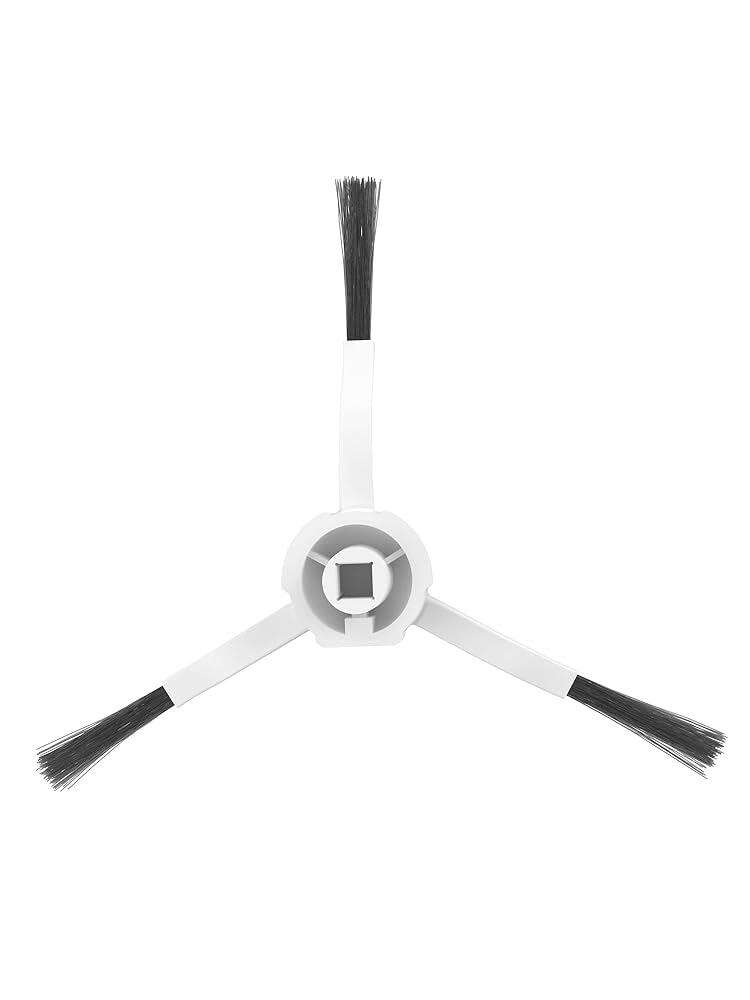
Understanding the critical features that make robot vacuum replacement parts suitable for bulk purchasing requires examining multiple factors that impact cost-effectiveness, quality consistency, and supply chain efficiency. Bulk buyers in the robotics and cleaning equipment industry must evaluate robot vacuum replacement parts based on specific characteristics that ensure reliable performance across large quantities while maintaining competitive pricing structures.
The selection of robot vacuum replacement parts for bulk procurement demands careful consideration of manufacturing standards, material durability, compatibility specifications, and supplier capabilities. Professional buyers need to identify components that deliver consistent performance across different operational environments while offering favorable economics at scale. These considerations become particularly important when establishing long-term procurement strategies for service organizations, distributors, and maintenance providers.
Manufacturing Quality Standards and Consistency
Precision Manufacturing Tolerances
Robot vacuum replacement parts ideal for bulk buyers demonstrate consistent manufacturing tolerances that ensure reliable fit and function across entire production batches. High-quality components maintain dimensional accuracy within specified tolerances, preventing assembly issues and performance variations that can arise from inconsistent manufacturing processes. Professional-grade robot vacuum replacement parts utilize controlled manufacturing environments with quality assurance protocols that verify each component meets established specifications.
The manufacturing precision directly impacts the reliability of robot vacuum replacement parts during installation and operation. Components with tight tolerances ensure proper sealing, alignment, and mechanical function, reducing the likelihood of premature failure or performance degradation. Bulk buyers benefit from suppliers who implement statistical process control methods to maintain consistent quality across large production runs.
Material Specification Compliance
Superior robot vacuum replacement parts utilize materials that meet or exceed original equipment specifications, ensuring compatibility and longevity in demanding cleaning applications. The material selection process considers factors such as chemical resistance, wear characteristics, temperature stability, and mechanical strength to deliver consistent performance throughout the component lifecycle. Quality suppliers provide detailed material certifications and testing documentation for their robot vacuum replacement parts.
Bulk purchasing advantages emerge when robot vacuum replacement parts maintain consistent material properties across production batches. This consistency enables predictable performance characteristics and uniform replacement intervals, simplifying inventory management and maintenance scheduling for large-scale operations. Professional buyers can rely on documented material specifications to ensure compatibility with existing equipment fleets.
Compatibility and Interchangeability Features
Multi-Model Compatibility Design
Effective robot vacuum replacement parts for bulk applications often feature design characteristics that enable compatibility across multiple vacuum models and product lines. This cross-compatibility reduces inventory complexity and provides operational flexibility for service organizations managing diverse equipment fleets. Components designed with universal mounting systems, standard connection interfaces, and adaptable dimensions offer significant advantages for bulk buyers.
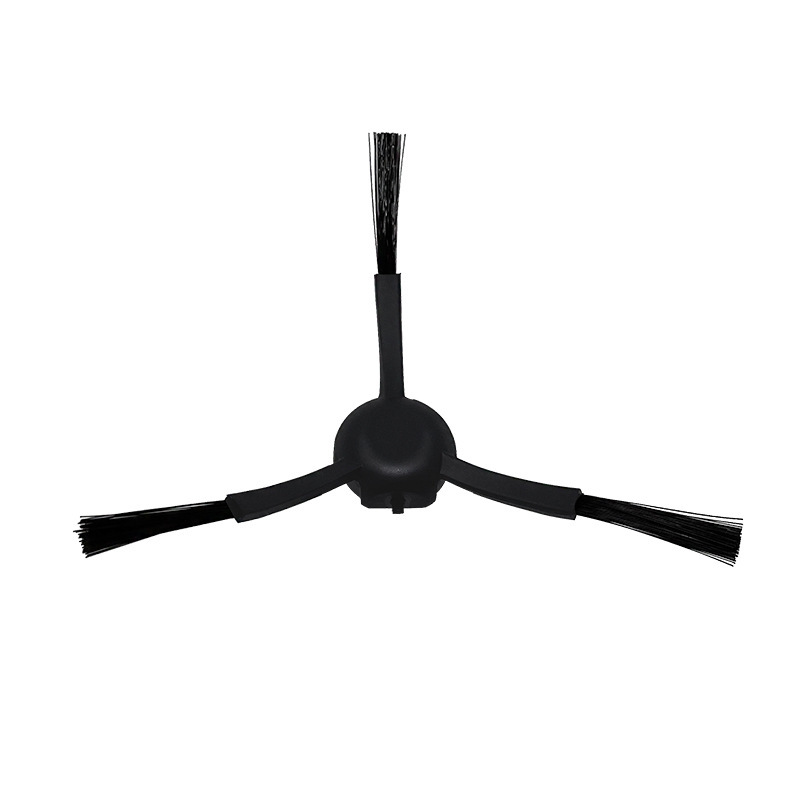
The engineering approach for compatible robot vacuum replacement parts considers the common design elements found across different manufacturers and model generations. Universal components eliminate the need for model-specific inventory while maintaining performance standards equivalent to original equipment. This compatibility extends to brush assemblies, filters, sensors, and mechanical components that share standardized interfaces.
Installation and Service Considerations
Robot vacuum replacement parts optimized for bulk buyers incorporate design features that simplify installation procedures and reduce service time requirements. Components with clear marking systems, intuitive connection methods, and standardized mounting hardware enable efficient replacement operations across different service scenarios. These features become particularly valuable when training service technicians or implementing field maintenance programs.
The serviceability aspects of robot vacuum replacement parts include accessible connection points, modular design principles, and clear identification systems that reduce installation errors. Bulk buyers benefit from components that minimize specialized tool requirements and enable quick replacement procedures. This efficiency translates to reduced labor costs and improved service productivity for organizations managing large equipment fleets.
Cost-Effectiveness and Volume Economics
Bulk Pricing Structure Optimization
Robot vacuum replacement parts suitable for bulk procurement demonstrate favorable pricing structures that provide meaningful cost reductions at higher volume levels. Effective suppliers implement tiered pricing models that reward bulk commitments while maintaining competitive unit costs across different order quantities. The pricing structure should reflect manufacturing economies of scale and distribution efficiencies that benefit both suppliers and buyers.
Volume economics for robot vacuum replacement parts extend beyond simple unit price reductions to include packaging optimizations, shipping efficiencies, and administrative cost savings. Bulk buyers can leverage consolidated ordering, reduced transaction costs, and streamlined logistics to achieve total cost of ownership advantages. These economic benefits become more pronounced when establishing long-term supplier relationships and standardizing component specifications.
Total Cost of Ownership Analysis
Professional evaluation of robot vacuum replacement parts requires comprehensive total cost of ownership analysis that considers acquisition costs, inventory carrying costs, installation expenses, and performance reliability. Bulk buyers must evaluate components based on their complete lifecycle economics rather than focusing solely on initial purchase prices. This analysis includes factors such as component longevity, maintenance requirements, and replacement frequency.
The total cost evaluation for robot vacuum replacement parts encompasses inventory management efficiencies, reduced stockout risks, and improved service level capabilities. Bulk purchasing strategies enable better demand forecasting, reduced emergency procurement costs, and improved cash flow management through planned procurement cycles. These advantages compound over time as organizations optimize their maintenance and service operations.
Supply Chain Reliability and Support Services
Supplier Capability Assessment
Robot vacuum replacement parts ideal for bulk buyers come from suppliers with demonstrated manufacturing capacity, quality control systems, and reliable delivery performance. Professional suppliers maintain adequate production capacity to fulfill large orders within specified timeframes while preserving quality standards. The supplier assessment process should evaluate manufacturing facilities, quality certifications, and track record of performance with similar bulk customers.
Supply chain reliability for robot vacuum replacement parts includes considerations such as raw material sourcing, production scheduling flexibility, and inventory management capabilities. Effective suppliers maintain buffer stocks, alternative sourcing options, and contingency plans to ensure consistent availability of critical components. This reliability becomes essential for bulk buyers who depend on predictable supply schedules for their operations.
Technical Support and Documentation
Comprehensive technical support services enhance the value proposition of robot vacuum replacement parts for bulk buyers by providing installation guidance, troubleshooting assistance, and application expertise. Quality suppliers offer detailed documentation including installation procedures, compatibility guides, and maintenance recommendations that support efficient component utilization. This technical support reduces implementation risks and ensures optimal performance from replacement components.
The documentation package for robot vacuum replacement parts should include detailed specifications, compatibility matrices, installation instructions, and maintenance guidelines that enable effective component management. Bulk buyers benefit from suppliers who provide training resources, technical hotlines, and field support services that facilitate successful component implementation across large-scale operations.
Quality Assurance and Performance Validation
Testing and Certification Protocols
Robot vacuum replacement parts suitable for bulk procurement undergo rigorous testing protocols that validate performance characteristics, durability requirements, and compatibility specifications. Comprehensive testing programs evaluate components under various operational conditions to ensure consistent performance across different application scenarios. Quality suppliers provide test data and certification documentation that demonstrates compliance with relevant standards and specifications.
The validation process for robot vacuum replacement parts includes accelerated life testing, environmental stress testing, and functional performance verification that confirms component reliability. Bulk buyers can rely on documented testing results to make informed procurement decisions and establish performance expectations for their operations. This validation data supports risk assessment and quality assurance programs.
Performance Monitoring and Feedback Systems
Effective suppliers of robot vacuum replacement parts implement feedback systems that capture performance data from bulk customers and use this information to drive continuous improvement initiatives. These systems enable tracking of component performance, failure modes, and customer satisfaction metrics that inform product development and quality enhancement efforts. Bulk buyers benefit from suppliers who actively seek and respond to performance feedback.
The performance monitoring approach for robot vacuum replacement parts includes failure analysis capabilities, trend identification systems, and corrective action protocols that address quality issues proactively. Professional suppliers maintain databases of component performance data that enable predictive maintenance recommendations and optimization opportunities for bulk buyers.
FAQ
What volume thresholds typically qualify for bulk pricing on robot vacuum replacement parts?
Most suppliers consider orders of 100 or more units as qualifying for bulk pricing tiers, though specific thresholds vary by component type and supplier policies. Professional suppliers often offer multiple pricing tiers starting at smaller quantities like 50 units, with additional discounts available at 250, 500, and 1000+ unit levels. The exact volume requirements depend on the specific robot vacuum replacement parts being purchased and the supplier's manufacturing and distribution structure.
How do compatibility guarantees work for robot vacuum replacement parts purchased in bulk quantities?
Reputable suppliers provide compatibility guarantees that cover fit, form, and function of robot vacuum replacement parts when used with specified vacuum models. These guarantees typically include replacement or refund options for components that fail to meet compatibility requirements, though specific terms vary by supplier. Bulk buyers should verify compatibility documentation and testing procedures before placing large orders to minimize risk of compatibility issues.
What quality control measures should bulk buyers expect from robot vacuum replacement parts suppliers?
Professional suppliers implement comprehensive quality control systems including incoming material inspection, in-process testing, final product verification, and statistical process control monitoring. Quality measures for robot vacuum replacement parts typically include dimensional verification, material testing, functional performance validation, and batch tracking systems. Bulk buyers should expect suppliers to provide quality certificates, test reports, and documentation of quality control procedures for large orders.
How can bulk buyers ensure consistent availability of robot vacuum replacement parts over time?
Establishing long-term supply agreements, maintaining safety stock levels, and working with suppliers who have adequate manufacturing capacity helps ensure consistent availability of robot vacuum replacement parts. Professional buyers often implement demand forecasting systems, establish minimum order commitments, and develop relationships with multiple qualified suppliers to minimize supply disruption risks. Regular communication with suppliers regarding demand projections and capacity planning also supports consistent availability.
Table of Contents
- Manufacturing Quality Standards and Consistency
- Compatibility and Interchangeability Features
- Cost-Effectiveness and Volume Economics
- Supply Chain Reliability and Support Services
- Quality Assurance and Performance Validation
-
FAQ
- What volume thresholds typically qualify for bulk pricing on robot vacuum replacement parts?
- How do compatibility guarantees work for robot vacuum replacement parts purchased in bulk quantities?
- What quality control measures should bulk buyers expect from robot vacuum replacement parts suppliers?
- How can bulk buyers ensure consistent availability of robot vacuum replacement parts over time?