
 EN
EN
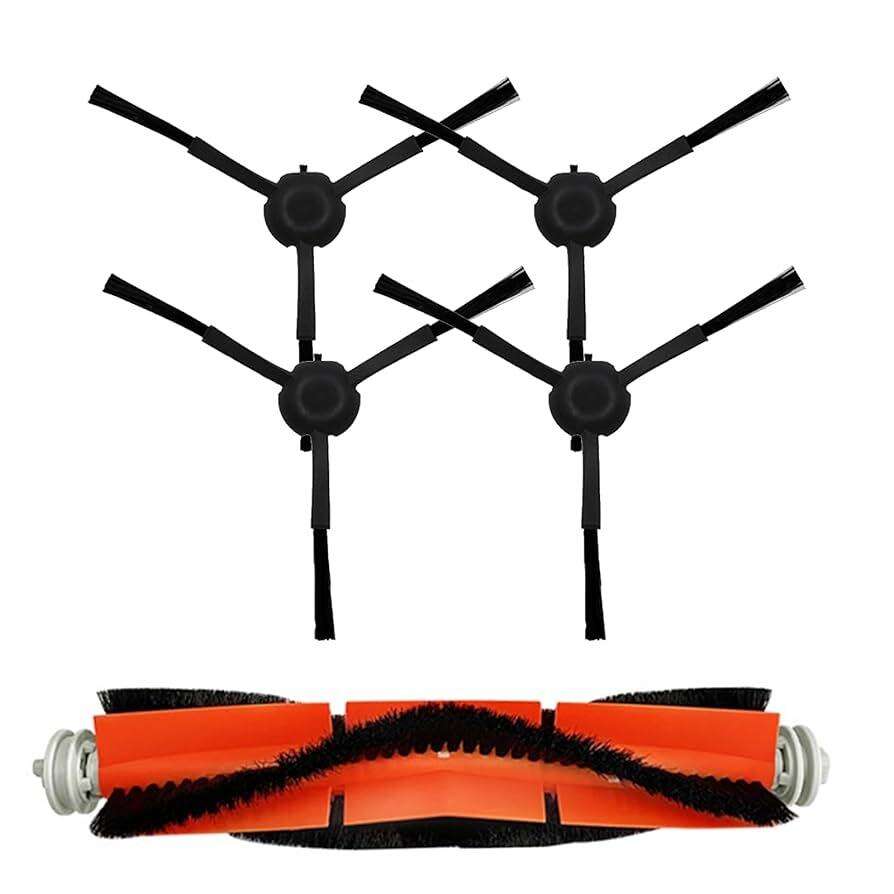
The global market for robot vacuum replacement parts has experienced unprecedented growth as automated cleaning solutions become essential household appliances worldwide. Distributors seeking to capitalize on this expanding market must understand the intricate balance between quality, compatibility, and cost-effectiveness when selecting robot vacuum replacement parts for their inventory. The success of any distribution business in this sector depends heavily on sourcing reliable components that meet diverse consumer needs across different geographical markets and price segments.
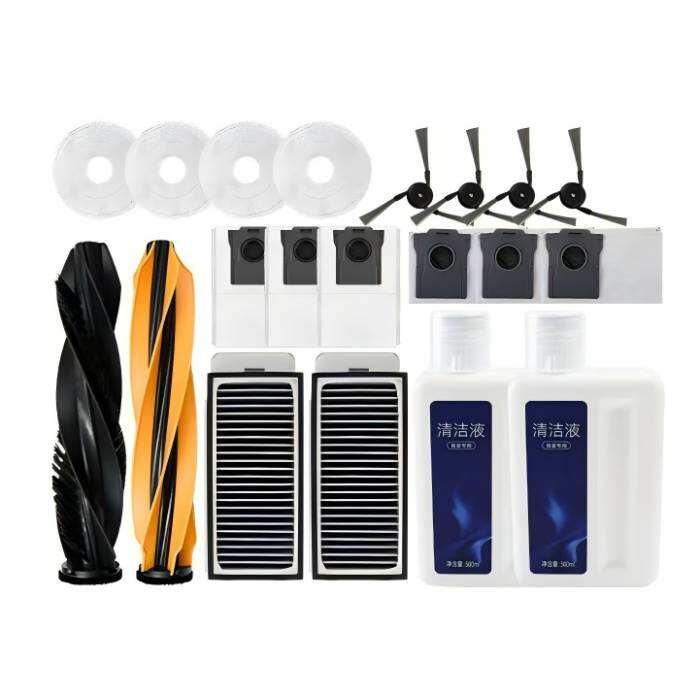
Understanding market dynamics becomes crucial when establishing a sustainable distribution network for robot vacuum replacement parts. Modern consumers demonstrate increasing awareness of maintenance requirements and actively seek cost-effective alternatives to original equipment manufacturer components. This shift in consumer behavior creates substantial opportunities for distributors who can provide high-quality robot vacuum replacement parts that offer comparable performance at competitive price points while maintaining strict quality standards.
Market Analysis and Consumer Demand Patterns
Global Market Trends and Growth Projections
The robot vacuum replacement parts industry has witnessed remarkable expansion driven by the proliferation of robotic cleaning devices across residential and commercial sectors. Market research indicates that the aftermarket for robot vacuum replacement parts is projected to grow at a compound annual growth rate exceeding twenty percent over the next five years. This growth trajectory reflects increasing consumer adoption of robotic cleaning solutions and growing awareness of the importance of regular maintenance to extend device longevity.
Regional variations in demand patterns reveal distinct preferences and purchasing behaviors that distributors must consider when developing their product portfolios. North American markets demonstrate strong preference for premium robot vacuum replacement parts with extended warranties, while European consumers prioritize eco-friendly materials and sustainable manufacturing processes. Asian markets show increasing demand for value-oriented solutions that balance performance with affordability, creating opportunities for distributors offering comprehensive product ranges.
Consumer Purchasing Behavior and Preferences
Contemporary consumers approach robot vacuum replacement parts purchases with heightened technical awareness and specific performance expectations. Research indicates that over seventy percent of consumers research compatibility specifications before making purchasing decisions, emphasizing the importance of accurate product information and detailed compatibility charts. Distributors must ensure their robot vacuum replacement parts come with comprehensive documentation and clear installation instructions to meet these evolving consumer expectations.
Price sensitivity varies significantly across different consumer segments, with premium users willing to invest in high-quality robot vacuum replacement parts that offer superior durability and performance. Budget-conscious consumers prioritize basic functionality and competitive pricing, while tech-savvy users seek innovative features and enhanced compatibility with multiple device models. Understanding these diverse preferences enables distributors to develop targeted marketing strategies and optimize their product mix for maximum market penetration.
Quality Assessment and Product Evaluation Criteria
Material Standards and Manufacturing Quality
Evaluating the quality of robot vacuum replacement parts requires comprehensive assessment of materials, manufacturing processes, and performance specifications. High-quality components typically feature durable polymers, precision-engineered moving parts, and corrosion-resistant metals that withstand repeated use cycles without degradation. Distributors should establish relationships with manufacturers who maintain ISO certification and implement rigorous quality control procedures throughout the production process.
Material composition directly impacts the longevity and effectiveness of robot vacuum replacement parts, making it essential to verify specifications and conduct independent testing when possible. Premium brushes should feature resilient bristles that maintain their shape and cleaning effectiveness over extended periods, while filters must demonstrate consistent particle retention rates without restricting airflow. Battery components require particular attention to safety standards and capacity retention characteristics that ensure reliable performance throughout their operational lifespan.
Performance Testing and Reliability Metrics
Comprehensive performance testing provides valuable insights into the real-world effectiveness of robot vacuum replacement parts under various operating conditions. Distributors should prioritize suppliers who conduct extensive testing protocols including endurance cycles, compatibility verification, and performance benchmarking against original equipment specifications. These testing procedures help ensure that replacement components deliver consistent results while maintaining the overall functionality of robotic cleaning systems.
Reliability metrics encompass multiple factors including failure rates, maintenance intervals, and customer satisfaction scores that provide objective measures of product quality. Successful distributors track these metrics continuously and use the data to refine their supplier relationships and product selection criteria. Establishing clear quality benchmarks helps maintain consistent standards across the entire product portfolio while building consumer confidence in the robot vacuum replacement parts offered through distribution channels.
Compatibility and Technical Specifications
Cross-Platform Compatibility Assessment
Modern robot vacuum replacement parts must demonstrate compatibility across multiple device models and manufacturers to maximize market appeal and distribution efficiency. Cross-platform compatibility reduces inventory complexity while increasing potential customer base, making it a critical factor in product selection decisions. Distributors should prioritize components that work effectively with popular robotic vacuum models from leading manufacturers while maintaining performance standards comparable to original equipment.
Technical specifications for robot vacuum replacement parts require careful verification to ensure proper fit and function across intended device models. Dimensional tolerances, electrical parameters, and mechanical interfaces must align precisely with original equipment specifications to prevent compatibility issues and customer dissatisfaction. Comprehensive compatibility matrices and detailed technical documentation help distributors communicate product specifications effectively while reducing the likelihood of incorrect purchases and returns.
Installation Requirements and User-Friendliness
User-friendly installation procedures significantly impact customer satisfaction and reduce support requirements for robot vacuum replacement parts distributors. Components that require specialized tools or complex installation procedures may limit market appeal and increase return rates, making ease of installation an important selection criterion. Distributors should evaluate the installation process for each product category and prioritize solutions that enable straightforward replacement procedures for typical consumers.
Clear installation instructions and visual guides enhance the customer experience while reducing technical support inquiries related to robot vacuum replacement parts. Comprehensive documentation should include step-by-step procedures, safety warnings, and troubleshooting guidance that enables successful installation regardless of technical expertise level. This attention to user experience helps build brand loyalty and generates positive reviews that support long-term distribution success.
Supplier Evaluation and Partnership Development
Manufacturer Assessment and Due Diligence
Selecting reliable suppliers for robot vacuum replacement parts requires thorough evaluation of manufacturing capabilities, quality systems, and business stability. Distributors should conduct comprehensive due diligence including facility audits, quality system reviews, and financial stability assessments before establishing long-term partnerships. This evaluation process helps identify suppliers who can consistently deliver high-quality products while meeting delivery schedules and maintaining competitive pricing structures.
Manufacturing certifications and quality accreditations provide valuable indicators of supplier reliability and commitment to excellence in producing robot vacuum replacement parts. ISO certification, CE compliance, and other relevant standards demonstrate adherence to international quality and safety requirements that are essential for global distribution success. Suppliers with robust quality management systems typically offer better product consistency and more responsive customer support throughout the partnership relationship.
Supply Chain Management and Logistics Considerations
Effective supply chain management ensures consistent availability of robot vacuum replacement parts while optimizing inventory costs and delivery times. Distributors must evaluate supplier logistics capabilities including production capacity, inventory management systems, and shipping arrangements that support reliable product availability across target markets. Strategic partnerships with suppliers who offer flexible ordering options and responsive fulfillment services help maintain competitive advantage in fast-moving markets.
Geographic proximity and shipping infrastructure significantly impact the total cost and delivery time for robot vacuum replacement parts, making supplier location an important consideration in partnership decisions. Suppliers with multiple distribution centers or strategic shipping arrangements can provide faster delivery times and lower transportation costs that improve overall competitiveness. These logistical advantages become particularly important when competing against local suppliers or established distribution networks in target markets.
Pricing Strategies and Competitive Positioning
Market-Based Pricing Analysis
Developing effective pricing strategies for robot vacuum replacement parts requires comprehensive analysis of market conditions, competitor pricing, and value proposition factors that influence customer purchasing decisions. Market research should encompass both online and offline channels to understand pricing trends and identify opportunities for competitive positioning. This analysis helps distributors establish pricing structures that balance profitability with market competitiveness while supporting long-term business growth.
Value-based pricing approaches consider the total cost of ownership and performance benefits that robot vacuum replacement parts provide to end users. Components that offer superior durability, enhanced performance, or improved compatibility may justify premium pricing compared to basic alternatives. Distributors should clearly communicate these value propositions through marketing materials and product specifications to support premium pricing strategies and differentiate their offerings from lower-cost competitors.
Volume Pricing and Distribution Margins
Volume pricing structures for robot vacuum replacement parts should reflect economies of scale while providing attractive margins for distribution partners and resellers. Tiered pricing systems that offer progressively better unit costs for larger order quantities encourage bulk purchasing and help build long-term customer relationships. These pricing structures should balance the need for competitive unit costs with sustainable profitability margins that support ongoing business operations and growth investments.
Distribution margin analysis helps optimize pricing strategies and identify the most profitable product categories within the robot vacuum replacement parts portfolio. Products with higher margins may justify additional marketing investment and inventory support, while lower-margin items might serve as traffic drivers or competitive response products. Understanding margin dynamics across the entire product range enables distributors to make informed decisions about resource allocation and strategic focus areas.
Marketing and Customer Education Strategies
Digital Marketing and Online Presence
Digital marketing strategies for robot vacuum replacement parts must address the technical nature of the products while appealing to diverse customer segments with varying levels of technical expertise. Content marketing approaches should include detailed product guides, compatibility charts, and installation tutorials that help customers make informed purchasing decisions. Search engine optimization efforts should focus on technical keywords and compatibility-related terms that potential customers use when researching robot vacuum replacement parts.
Social media platforms provide opportunities to demonstrate product installation procedures and share customer success stories that build confidence in robot vacuum replacement parts quality and performance. Video content showing before-and-after cleaning performance comparisons and step-by-step installation guides can effectively communicate product benefits while addressing common customer concerns. These digital marketing efforts help establish thought leadership and build trust with potential customers who may be unfamiliar with specific brands or suppliers.
Customer Support and Technical Assistance
Comprehensive customer support programs enhance the value proposition of robot vacuum replacement parts while reducing return rates and building customer loyalty. Technical assistance should encompass compatibility verification, installation guidance, and troubleshooting support that helps customers successfully implement replacement components. Distributors who invest in robust customer support capabilities often achieve higher customer satisfaction scores and generate more positive reviews that support long-term business growth.
Multi-channel support options including phone, email, and chat services provide customers with convenient access to technical assistance when purchasing or installing robot vacuum replacement parts. Comprehensive knowledge bases and frequently asked questions sections can address common inquiries while reducing the burden on direct support resources. These support infrastructure investments demonstrate commitment to customer success and help differentiate distribution services from competitors who offer limited post-sale support.
FAQ
What factors should be considered when selecting robot vacuum replacement parts suppliers?
When selecting suppliers for robot vacuum replacement parts, distributors should evaluate manufacturing quality, certification standards, production capacity, and supply chain reliability. Key considerations include ISO certification status, quality control procedures, product testing protocols, and the supplier's ability to maintain consistent availability across required product categories. Additionally, assess the supplier's technical support capabilities, documentation quality, and willingness to provide compatibility verification for specific robotic vacuum models.
How can distributors ensure compatibility across different robot vacuum models?
Ensuring compatibility requires comprehensive verification of technical specifications including dimensional tolerances, electrical parameters, and mechanical interfaces for each robot vacuum replacement parts category. Distributors should maintain detailed compatibility matrices that cross-reference part numbers with supported device models and collaborate with suppliers to conduct thorough testing procedures. Regular updates to compatibility information and clear communication of supported models help prevent customer dissatisfaction and reduce return rates.
What quality standards should robot vacuum replacement parts meet for global distribution?
Robot vacuum replacement parts intended for global distribution should meet international quality standards including CE compliance for European markets, FCC certification for North American distribution, and relevant safety certifications for target regions. Material composition should comply with RoHS directives and other environmental regulations while meeting durability requirements for extended operational life. Quality standards should also encompass performance benchmarks that ensure replacement components deliver functionality comparable to original equipment specifications.
How do market trends affect robot vacuum replacement parts selection strategies?
Market trends significantly influence robot vacuum replacement parts selection through changing consumer preferences, technological advancements, and competitive pressures. Growing environmental consciousness drives demand for sustainable materials and recyclable components, while technological evolution requires continuous evaluation of compatibility with newer robotic vacuum models. Distributors must monitor market trends continuously and adjust their product portfolios to align with emerging consumer demands and technological developments in the robotic cleaning industry.
Table of Contents
- Market Analysis and Consumer Demand Patterns
- Quality Assessment and Product Evaluation Criteria
- Compatibility and Technical Specifications
- Supplier Evaluation and Partnership Development
- Pricing Strategies and Competitive Positioning
- Marketing and Customer Education Strategies
-
FAQ
- What factors should be considered when selecting robot vacuum replacement parts suppliers?
- How can distributors ensure compatibility across different robot vacuum models?
- What quality standards should robot vacuum replacement parts meet for global distribution?
- How do market trends affect robot vacuum replacement parts selection strategies?