
 EN
EN
The commercial cleaning industry has witnessed unprecedented growth in automated solutions, with robot vacuum replacement parts becoming a critical component for maintaining operational efficiency. Businesses investing in robotic cleaning systems understand that sustainable operations depend heavily on reliable access to quality replacement components. Understanding the specific features that make certain robot vacuum replacement parts ideal for bulk purchasing can significantly impact both cost-effectiveness and operational continuity for commercial buyers.
Essential Quality Standards for Commercial Robot Vacuum Components
Material Durability and Construction Excellence
Premium robot vacuum replacement parts distinguish themselves through superior material selection and manufacturing processes. High-grade plastics, reinforced synthetic fibers, and precision-engineered components ensure extended operational lifespans under commercial usage conditions. These materials resist wear from continuous operation, chemical exposure from cleaning agents, and physical stress from debris collection across various surface types.
The construction quality of robot vacuum replacement parts directly correlates with maintenance intervals and replacement frequency. Parts manufactured with injection-molded precision components maintain tighter tolerances, resulting in better performance consistency and reduced premature failure rates. Commercial buyers benefit from these enhanced durability standards through reduced downtime and lower total cost of ownership across their robotic cleaning fleets.
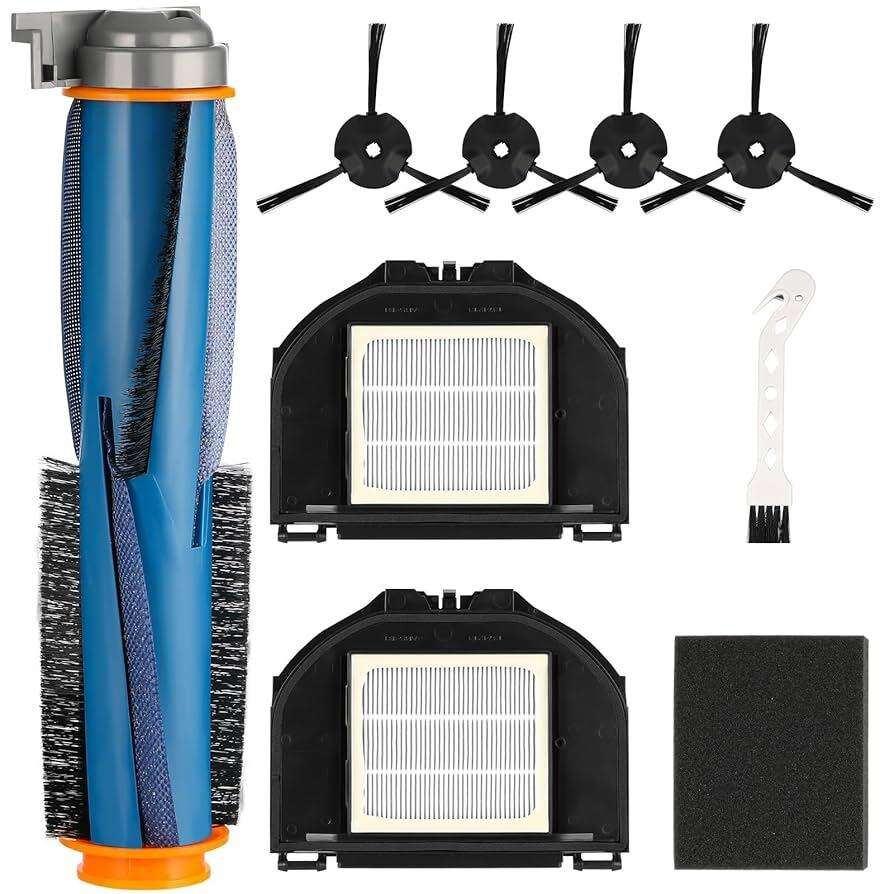
Performance Consistency Across Usage Cycles
Consistent performance delivery remains paramount when evaluating robot vacuum replacement parts for bulk procurement. Components must maintain their cleaning effectiveness throughout their entire service life, without significant degradation in suction power, filtration efficiency, or mechanical function. This consistency ensures predictable cleaning results across commercial environments where reliability cannot be compromised.
Testing protocols for premium robot vacuum replacement parts include extended operational cycles that simulate months of commercial usage within compressed timeframes. These rigorous testing standards help identify potential failure points before components reach market, ensuring bulk buyers receive parts that deliver reliable performance throughout their intended service intervals.
Cost-Effectiveness Factors for Bulk Purchasing Programs
Volume Pricing Structures and Economic Benefits
Bulk purchasing programs for robot vacuum replacement parts offer significant economic advantages through tiered pricing structures designed for commercial buyers. Volume discounts typically begin at modest quantities but increase substantially for larger commitments, making bulk procurement financially attractive for facilities managing multiple robotic cleaning units. These pricing advantages compound over time as operational scales increase.
The economic benefits extend beyond initial purchase prices to include reduced procurement overhead, consolidated shipping costs, and streamlined inventory management processes. Bulk buyers of robot vacuum replacement parts often negotiate additional benefits such as extended payment terms, priority delivery scheduling, and dedicated customer service support that further enhance the value proposition of volume purchasing agreements.
Inventory Management and Storage Considerations
Effective inventory management strategies for robot vacuum replacement parts require careful balance between adequate stock levels and storage capacity constraints. Bulk buyers must consider component shelf life, storage environmental requirements, and turnover rates when establishing inventory policies. Modern replacement parts designed for bulk purchasing often feature extended shelf life specifications and compact packaging to optimize storage efficiency.
Strategic inventory positioning allows facilities to maintain operational continuity while minimizing carrying costs associated with excess stock. Many suppliers offer inventory management programs that help bulk buyers optimize stock levels based on usage patterns, seasonal variations, and maintenance schedules specific to their robot vacuum replacement parts requirements.
Compatibility Standards and Universal Applications
Cross-Platform Compatibility Features
Modern robot vacuum replacement parts increasingly emphasize cross-platform compatibility to maximize utility for bulk buyers operating mixed robotic fleets. Universal design principles enable single component types to function across multiple robot vacuum models, reducing inventory complexity and simplifying maintenance procedures. This compatibility extends to mechanical interfaces, electrical connections, and software integration points.
Standardized dimensions and connection protocols for robot vacuum replacement parts facilitate interchangeability between different manufacturer systems. Bulk buyers benefit from this standardization through reduced inventory SKU counts, simplified technician training requirements, and greater flexibility in fleet management decisions. These compatibility features prove particularly valuable in large facilities where multiple robot vacuum models may operate simultaneously.
Integration with Existing Maintenance Protocols
Seamless integration with established maintenance protocols represents a crucial factor when selecting robot vacuum replacement parts for bulk procurement. Components designed with maintenance efficiency in mind feature tool-free installation procedures, clear identification markings, and documentation that supports existing workflow processes. This integration minimizes disruption to operational schedules during routine maintenance activities.
Advanced robot vacuum replacement parts often include built-in diagnostic capabilities that interface with facility management systems to provide real-time performance monitoring and predictive maintenance alerts. These features enable proactive replacement scheduling that prevents unexpected failures and optimizes component utilization throughout their service life.
Supply Chain Reliability and Vendor Relationships
Manufacturing Consistency and Quality Assurance
Reliable supply chain partnerships become essential when procuring robot vacuum replacement parts in bulk quantities. Manufacturers with established quality assurance programs provide consistency guarantees that ensure each batch meets identical performance specifications. This manufacturing reliability reduces variability in cleaning performance and maintenance requirements across large robotic cleaning fleets.
Quality assurance protocols for robot vacuum replacement parts typically include statistical process control measures, batch testing procedures, and traceability systems that enable rapid response to any quality issues. Bulk buyers benefit from these systems through reduced quality variability, faster resolution of any performance issues, and comprehensive documentation supporting warranty claims or performance guarantees.
Delivery Scheduling and Logistics Support
Flexible delivery scheduling options accommodate the diverse operational requirements of facilities purchasing robot vacuum replacement parts in bulk quantities. Just-in-time delivery programs help minimize inventory carrying costs while ensuring adequate component availability for planned maintenance activities. Many suppliers offer customized delivery schedules aligned with facility maintenance calendars and operational cycles.
Comprehensive logistics support includes emergency delivery capabilities for unexpected component failures, consolidated shipping options that reduce freight costs, and tracking systems that provide real-time visibility into order status. These logistics capabilities prove particularly valuable for facilities operating continuous cleaning programs where component availability directly impacts operational efficiency.
Technology Integration and Future-Proofing
Smart Component Features and Connectivity
Advanced robot vacuum replacement parts increasingly incorporate smart features that enhance operational visibility and maintenance planning capabilities. Sensor-enabled components provide real-time performance data, usage tracking, and predictive maintenance alerts that help facility managers optimize replacement schedules and minimize unexpected failures. These technological enhancements represent significant value additions for bulk purchasing programs.
Connectivity features in modern robot vacuum replacement parts enable integration with facility management systems, providing centralized monitoring capabilities across entire robotic cleaning fleets. This integration supports data-driven maintenance decisions, performance optimization initiatives, and cost management programs that maximize the return on investment for bulk component purchases.
Upgrade Compatibility and System Evolution
Future-proofing considerations become increasingly important when making bulk commitments for robot vacuum replacement parts. Components designed with upgrade compatibility ensure that existing inventory remains valuable as robotic cleaning systems evolve. This forward compatibility protects bulk purchasing investments and extends the useful life of component inventory.
Modular design principles in robot vacuum replacement parts support incremental system improvements without requiring complete component replacement. Bulk buyers benefit from these design approaches through extended inventory value retention, reduced obsolescence risks, and greater flexibility in fleet upgrade planning and execution strategies.
Performance Optimization and Operational Benefits
Enhanced Cleaning Efficiency Metrics
Superior robot vacuum replacement parts deliver measurable improvements in cleaning efficiency that translate directly into operational value for bulk buyers. Enhanced filtration systems capture smaller particles more effectively, while improved brush designs provide better debris agitation and collection across diverse surface types. These performance improvements reduce cleaning cycle times and improve overall cleaning quality.
Quantifiable efficiency gains from premium robot vacuum replacement parts include increased debris collection rates, reduced energy consumption per cleaning cycle, and extended operational periods between maintenance interventions. These metrics provide concrete justification for bulk purchasing decisions and demonstrate clear return on investment through improved operational performance.
Maintenance Interval Optimization
Extended maintenance intervals represent a significant operational advantage achieved through high-quality robot vacuum replacement parts. Components engineered for longevity reduce the frequency of replacement activities, minimizing operational disruptions and reducing maintenance labor requirements. These extended intervals prove particularly valuable in commercial environments where cleaning continuity cannot be compromised.
Predictable maintenance schedules enabled by reliable robot vacuum replacement parts support better resource planning and operational coordination. Facility managers can schedule maintenance activities during optimal periods, coordinate with other system maintenance requirements, and maintain adequate component inventory levels without excessive safety stock requirements.
FAQ
What quantity thresholds typically qualify for bulk pricing on robot vacuum replacement parts
Most suppliers offer initial bulk pricing tiers starting at quantities of 50-100 units, with more significant discounts available for orders exceeding 500-1000 pieces. The exact thresholds vary by component type, with high-turnover items like filters and brushes often having lower minimum quantities compared to motor assemblies or electronic components. Large facility operators managing extensive robotic fleets may qualify for enterprise pricing programs with even more favorable terms.
How should facilities determine optimal inventory levels for robot vacuum replacement parts
Optimal inventory levels depend on usage patterns, maintenance schedules, and lead times from suppliers. A general guideline involves maintaining 2-3 months of projected consumption based on historical usage data, adjusted for seasonal variations and planned fleet expansions. Facilities should also consider storage capacity constraints, component shelf life, and the cost of carrying excess inventory when establishing target stock levels.
What warranty coverage should bulk buyers expect for robot vacuum replacement parts
Standard warranty coverage for bulk purchases typically ranges from 6-12 months for consumable components like filters and brushes, while mechanical parts often carry 12-24 month warranties. Premium suppliers may offer extended warranty programs for bulk buyers, including performance guarantees and replacement commitments. It's important to understand warranty terms regarding proper installation, usage conditions, and documentation requirements for warranty claims.
Are there specific storage requirements for maintaining robot vacuum replacement parts quality
Most robot vacuum replacement parts require storage in clean, dry environments with stable temperatures between 50-80°F and relative humidity below 60%. Components should be kept in original packaging until use to prevent contamination and damage. Filters and electronic components may have more stringent requirements, while mechanical parts like brushes and wheels are generally more tolerant of standard warehouse conditions. Proper storage practices help ensure components maintain their performance specifications throughout their shelf life.
Table of Contents
- Essential Quality Standards for Commercial Robot Vacuum Components
- Cost-Effectiveness Factors for Bulk Purchasing Programs
- Compatibility Standards and Universal Applications
- Supply Chain Reliability and Vendor Relationships
- Technology Integration and Future-Proofing
- Performance Optimization and Operational Benefits
-
FAQ
- What quantity thresholds typically qualify for bulk pricing on robot vacuum replacement parts
- How should facilities determine optimal inventory levels for robot vacuum replacement parts
- What warranty coverage should bulk buyers expect for robot vacuum replacement parts
- Are there specific storage requirements for maintaining robot vacuum replacement parts quality