
 EN
EN
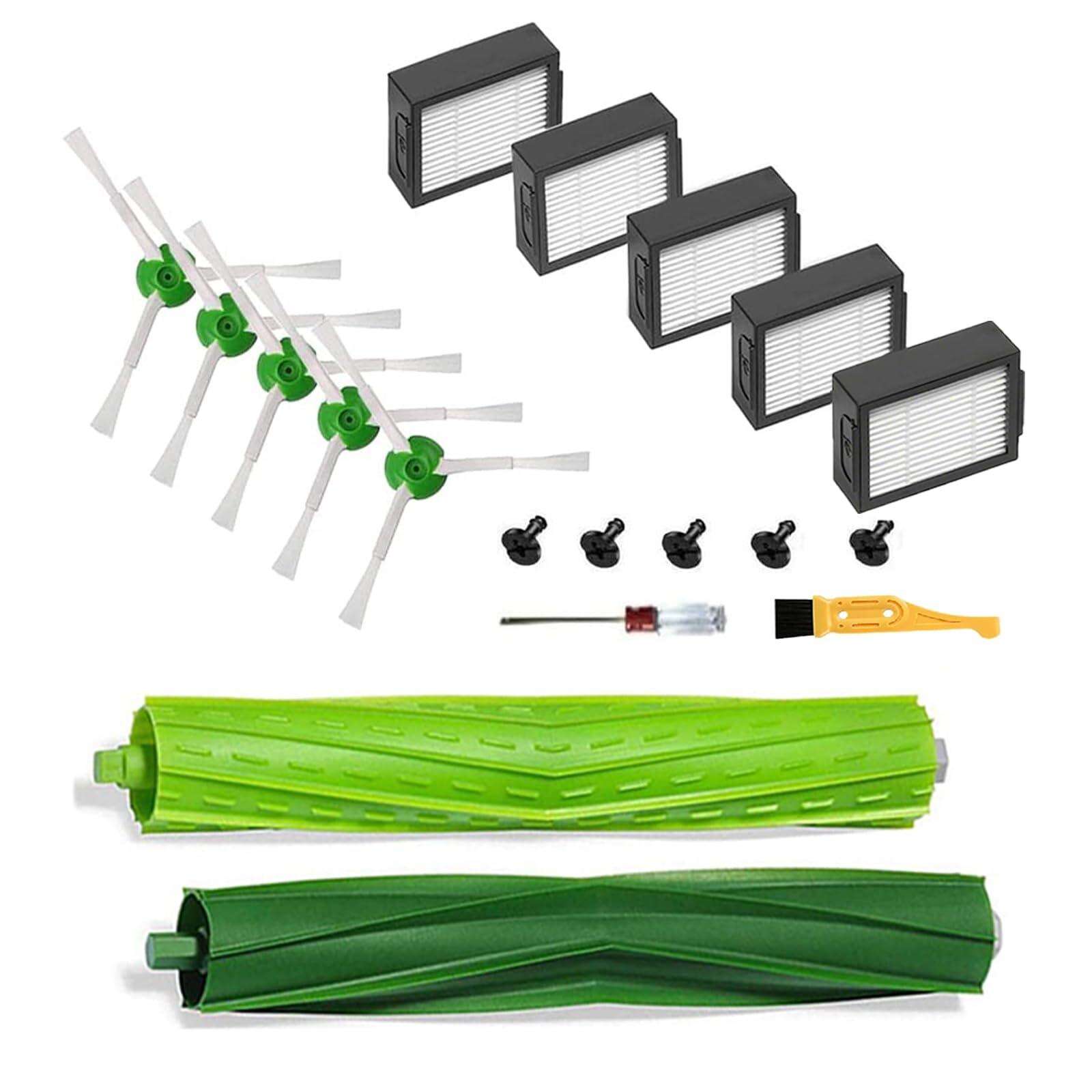
Selecting the right robot vacuum parts manufacturer for bulk sourcing requires careful evaluation of multiple factors that directly impact your business operations, product quality, and bottom line. The global robot vacuum market continues to expand rapidly, creating increasing demand for reliable replacement parts and accessories. Whether you're a distributor, retailer, or service provider, partnering with the right robot vacuum parts manufacturer can determine the success of your bulk purchasing strategy. Understanding the key criteria for manufacturer selection will help you avoid costly mistakes and establish profitable long-term partnerships that support sustainable business growth.
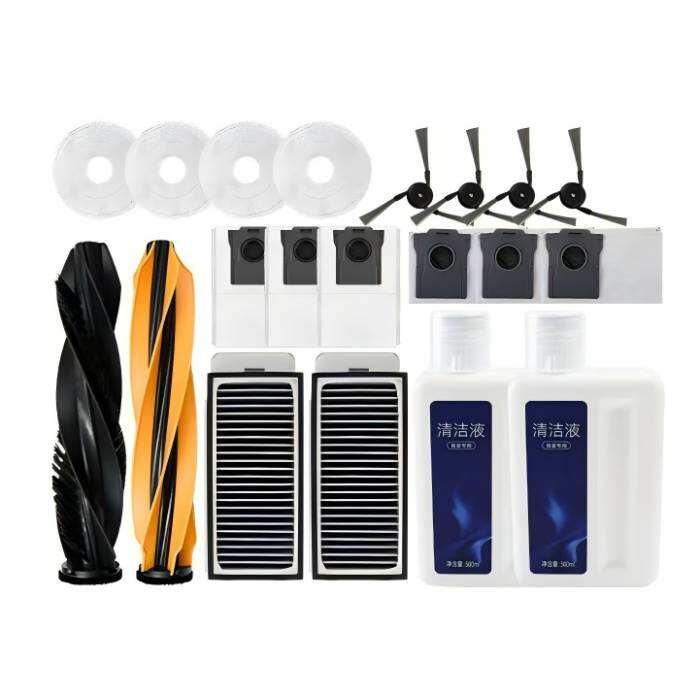
Manufacturing Capabilities and Production Capacity
Production Scale Assessment
Evaluating a manufacturer's production capacity represents the foundation of successful bulk sourcing relationships. A qualified robot vacuum parts manufacturer should demonstrate the ability to handle your volume requirements consistently without compromising quality standards. Assess their daily, monthly, and annual production capabilities to ensure they can meet your projected demand fluctuations. Consider seasonal variations in robot vacuum sales that may require increased parts inventory during peak periods. Request detailed production schedules and capacity utilization reports to understand their current commitments and available bandwidth for your orders.
Manufacturing flexibility becomes crucial when dealing with varying order sizes and unexpected demand spikes. Examine their ability to scale production up or down based on market conditions and your specific requirements. A reliable manufacturer should maintain adequate raw material inventory and have established relationships with component suppliers to avoid production delays. Verify their backup production plans and contingency measures for handling equipment failures or supply chain disruptions that could impact delivery schedules.
Equipment and Technology Standards
Modern robot vacuum parts manufacturing requires sophisticated equipment and advanced technology to maintain precision and consistency. Evaluate the manufacturer's machinery age, maintenance schedules, and technological capabilities to ensure they can produce parts that meet current industry standards. Advanced manufacturing equipment enables tighter tolerances, better surface finishes, and more consistent quality across large production runs. Request facility tours or detailed equipment specifications to verify their technological readiness for your specific part requirements.
Automation levels within the manufacturing process directly impact production efficiency and quality consistency. Assess their use of automated inspection systems, robotic assembly equipment, and computerized quality control measures. Higher automation levels typically result in reduced human error, faster production cycles, and better reproducibility of complex parts. Consider their investment in research and development capabilities that enable continuous improvement and adaptation to evolving robot vacuum technologies.
Quality Control and Certification Standards
Quality Management Systems
Comprehensive quality management systems form the backbone of reliable robot vacuum parts manufacturing. Examine the manufacturer's quality certifications, including ISO 9001, ISO 14001, and industry-specific standards relevant to electronic components and plastic manufacturing. These certifications indicate established processes for maintaining consistent quality, environmental responsibility, and continuous improvement. Request documentation of their quality control procedures, inspection protocols, and defect tracking systems to understand their commitment to quality assurance.
Statistical process control implementation demonstrates a manufacturer's dedication to maintaining consistent quality throughout production runs. Evaluate their use of quality metrics, control charts, and process monitoring systems that identify potential issues before they affect finished products. A robust quality system should include incoming material inspection, in-process monitoring, and final product testing protocols. Review their quality records, defect rates, and corrective action procedures to assess their ability to maintain the quality standards required for your bulk sourcing needs.
Testing and Validation Procedures
Thorough testing procedures ensure robot vacuum parts meet performance specifications and durability requirements. Assess the manufacturer's testing capabilities, including environmental testing, stress testing, and compatibility verification with specific robot vacuum models. Proper testing protocols should simulate real-world usage conditions and verify that parts perform reliably throughout their expected service life. Request details about their testing equipment, procedures, and pass/fail criteria to ensure alignment with your quality expectations.
Certification compliance becomes particularly important when sourcing parts for international markets with varying regulatory requirements. Verify the manufacturer's ability to provide necessary certifications such as CE marking, FCC compliance, RoHS compliance, and other regional standards. Understanding their experience with regulatory compliance helps avoid potential market entry barriers and ensures your bulk-sourced parts meet all applicable safety and performance standards in your target markets.
Supply Chain Management and Logistics
Raw Material Sourcing
Effective raw material sourcing strategies directly impact a manufacturer's ability to deliver consistent quality and maintain competitive pricing. Evaluate their supplier relationships, material qualification processes, and inventory management systems to ensure stable supply chains. A reliable robot vacuum parts manufacturer should maintain multiple supplier relationships for critical materials to avoid single-source dependencies that could disrupt production schedules.
Material traceability systems enable manufacturers to track components throughout the production process and provide documentation for quality issues or recalls. Assess their ability to provide material certificates, lot tracking information, and supply chain transparency for all components used in your parts. This documentation becomes essential for maintaining quality records and responding to customer inquiries about part origins and specifications.
Shipping and Delivery Capabilities
Efficient logistics management ensures timely delivery of bulk orders while minimizing transportation costs and damage risks. Evaluate the manufacturer's shipping partnerships, packaging capabilities, and delivery tracking systems to ensure reliable order fulfillment. Consider their proximity to major shipping ports or transportation hubs that could affect delivery times and costs for international shipments. Assess their experience with export documentation, customs procedures, and international shipping regulations that may impact your bulk sourcing operations.
Inventory management capabilities help manufacturers maintain appropriate stock levels and respond quickly to urgent orders. Review their inventory systems, safety stock policies, and order processing procedures to understand their ability to support your bulk sourcing requirements. Effective inventory management reduces lead times, minimizes stockouts, and enables more flexible ordering schedules that align with your business needs and cash flow requirements.
Cost Structure and Pricing Models
Pricing Transparency and Structure
Understanding a manufacturer's pricing structure enables accurate cost projections and profitable sourcing decisions. Request detailed pricing breakdowns that include material costs, labor costs, overhead allocations, and profit margins to evaluate the reasonableness of their quotes. Transparent pricing helps identify opportunities for cost reduction through design modifications, volume increases, or process improvements. Compare pricing structures across multiple manufacturers to ensure competitive rates while maintaining quality standards.
Volume-based pricing tiers typically offer significant cost advantages for bulk sourcing operations. Evaluate different quantity breaks and their corresponding price reductions to determine optimal order sizes that balance inventory costs with unit price savings. Consider annual volume commitments that may qualify for additional discounts or preferential pricing arrangements. Understanding the total cost of ownership, including shipping, handling, and inventory carrying costs, provides a more accurate comparison between different pricing options.
Payment Terms and Financial Stability
Favorable payment terms can significantly impact cash flow and overall sourcing costs for bulk purchases. Negotiate payment schedules that align with your business cycles and provide adequate time for quality inspection before payment obligations. Evaluate the manufacturer's willingness to offer extended payment terms, progress payments for large orders, or early payment discounts that could reduce total costs. Consider the financial implications of different payment methods and currency options for international transactions.
Assessing the manufacturer's financial stability helps ensure long-term partnership viability and reduces risks associated with supplier bankruptcy or financial distress. Review their financial statements, credit ratings, and business references to evaluate their financial health and business sustainability. A financially stable manufacturer is more likely to maintain consistent operations, invest in facility improvements, and honor long-term supply agreements that support your bulk sourcing strategy.
Communication and Customer Service
Language and Cultural Considerations
Effective communication forms the foundation of successful manufacturing partnerships, particularly for international sourcing relationships. Evaluate the manufacturer's English language capabilities, technical communication skills, and cultural understanding that facilitate clear project discussions and specifications. Consider time zone differences and their impact on response times for urgent inquiries or production issues that require immediate attention. Strong communication capabilities reduce misunderstandings, prevent quality problems, and enable more efficient project management.
Cultural compatibility affects long-term relationship development and business practices that may impact your sourcing success. Assess their understanding of your market requirements, business practices, and customer service expectations to ensure alignment with your operational standards. Consider their experience working with companies from your region and their familiarity with relevant business customs, legal requirements, and quality standards that may affect partnership effectiveness.
Technical Support and Engineering Services
Comprehensive technical support capabilities enable manufacturers to assist with product development, quality improvements, and troubleshooting issues that arise during production or after delivery. Evaluate their engineering expertise, design capabilities, and problem-solving resources that can add value beyond basic manufacturing services. Technical support becomes particularly valuable when developing custom parts or modifying existing designs to meet specific application requirements.
Engineering collaboration opportunities can lead to cost reductions, quality improvements, and innovative solutions that benefit both parties. Assess their willingness to participate in design reviews, suggest manufacturing improvements, and share technical expertise that optimizes part performance and manufacturability. Strong engineering support reduces development time, minimizes costly design changes, and ensures parts are optimized for efficient production processes.
FAQ
What minimum order quantities should I expect when sourcing robot vacuum parts in bulk
Minimum order quantities vary significantly based on part complexity, manufacturing processes, and supplier capabilities, typically ranging from 500 to 10,000 pieces per part number. Simple injection-molded components often have lower minimums than complex electronic assemblies or precision-machined parts. Discuss your specific volume requirements with potential manufacturers to understand their flexibility and ability to accommodate smaller initial orders with growth potential.
How can I verify the quality of parts before committing to large bulk orders
Request sample parts for evaluation and testing before placing bulk orders, including stress testing, compatibility verification, and performance validation under actual usage conditions. Many manufacturers offer small sample quantities at nominal costs to demonstrate quality and compatibility. Consider third-party testing services for independent verification of critical specifications and durability requirements that ensure parts meet your quality standards.
What lead times are typical for bulk robot vacuum parts orders
Lead times typically range from 2-8 weeks depending on part complexity, order quantity, and manufacturer capacity, with custom or modified parts requiring additional development time. Standard replacement parts like filters, brushes, and wheels generally have shorter lead times than complex electronic components or custom-designed assemblies. Plan inventory levels accordingly and maintain safety stock to accommodate potential delivery delays during peak demand periods.
How do I protect my business from quality issues or delivery delays
Implement comprehensive supplier agreements that include quality specifications, delivery schedules, penalty clauses for delays, and clear procedures for handling defective parts. Consider working with multiple qualified manufacturers to reduce dependency risks and maintain alternative sourcing options. Establish incoming inspection procedures and maintain relationships with backup suppliers who can provide emergency shipments when primary suppliers encounter difficulties.