
 EN
EN
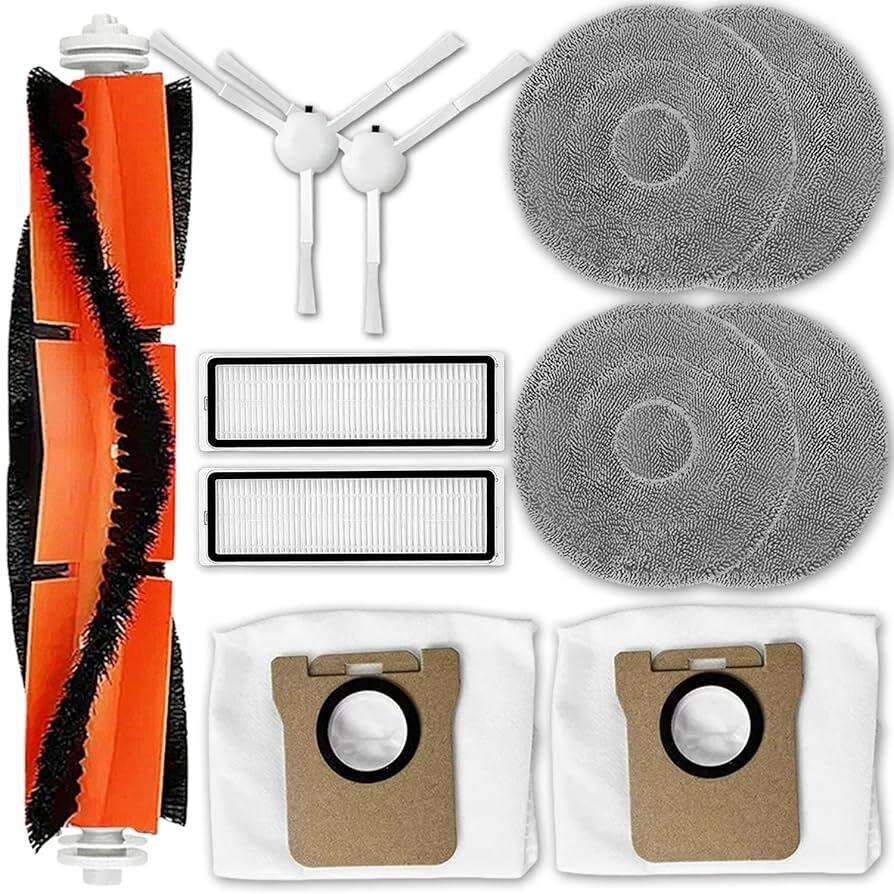
Finding the right vacuum robot parts supplier is crucial for businesses looking to maintain competitive pricing, quality standards, and reliable inventory management in today's fast-growing robotic cleaning market. As consumer demand for automated cleaning solutions continues to surge globally, manufacturers and retailers must establish partnerships with suppliers who can deliver consistent quality, competitive pricing, and timely delivery. The complexity of modern vacuum robots requires specialized components, from advanced filtration systems to precision brushes and sensors, making supplier selection a strategic business decision that directly impacts product performance and customer satisfaction.
Understanding Market Requirements and Quality Standards
Global Certification and Compliance Standards
When evaluating potential suppliers, understanding international quality certifications becomes paramount for successful global market penetration. Leading vacuum robot parts suppliers must demonstrate compliance with various regional standards including CE marking for European markets, FCC certification for North American distribution, and ISO quality management systems. These certifications ensure that components meet safety requirements, electromagnetic compatibility standards, and environmental regulations across different territories. A reliable supplier will maintain comprehensive documentation of their certification processes and provide clear evidence of ongoing compliance monitoring.
Quality assurance extends beyond basic certifications to encompass rigorous testing protocols for durability, performance consistency, and material safety. Professional suppliers implement multi-stage quality control processes, including incoming material inspection, in-process monitoring, and final product validation. This systematic approach helps prevent defective components from reaching end customers and reduces warranty claims that can damage brand reputation and profitability.
Component Specifications and Technical Expertise
Technical competency represents another critical factor when selecting a vacuum robot parts supplier, as modern robotic cleaners incorporate sophisticated technologies requiring specialized manufacturing expertise. Suppliers should demonstrate deep understanding of component interactions, material science, and precision manufacturing techniques. This includes knowledge of battery chemistry for power management systems, sensor calibration for navigation accuracy, and filtration efficiency for air quality maintenance.
Advanced suppliers often provide technical support services, including product customization capabilities, engineering consultation, and compatibility testing with existing robotic platforms. This technical partnership approach enables manufacturers to optimize product performance while reducing development time and costs. Suppliers with in-house research and development capabilities can also contribute valuable insights for future product innovations and market trends.
Evaluating Supply Chain Reliability and Logistics Capabilities
Production Capacity and Scalability
Production capacity assessment requires careful evaluation of a supplier's manufacturing infrastructure, including facility size, equipment capabilities, and workforce scalability. A dependable vacuum robot parts supplier should demonstrate ability to handle both small-batch orders for specialized applications and large-volume production runs for mass market distribution. This flexibility becomes particularly important during seasonal demand fluctuations or rapid market expansion phases.
Scalability considerations extend to supply chain resilience, including backup production facilities, alternative material sourcing options, and contingency planning for potential disruptions. Suppliers with geographically distributed manufacturing capabilities can offer better risk mitigation and reduced shipping costs for global distribution networks. Additionally, automated production systems and advanced manufacturing technologies often indicate a supplier's commitment to efficiency and quality consistency.
Inventory Management and Lead Times
Effective inventory management directly impacts cash flow, storage costs, and customer satisfaction levels. Professional suppliers typically maintain strategic inventory buffers for high-demand components while offering just-in-time delivery options for specialized parts. This balanced approach helps minimize working capital requirements while ensuring product availability during peak demand periods.
Lead time reliability becomes increasingly critical as markets demand faster product launches and shorter development cycles. Suppliers should provide accurate delivery schedules with built-in contingencies for potential delays. Transparent communication regarding production status, shipping milestones, and potential obstacles helps partners plan effectively and maintain customer commitments. Advanced suppliers often provide real-time tracking systems and automated status updates to enhance supply chain visibility.
Cost Structure Analysis and Value Proposition
Pricing Models and Cost Optimization
Comprehensive cost analysis extends beyond simple unit pricing to encompass total cost of ownership considerations. A professional vacuum robot parts supplier should provide transparent pricing structures with clear breakdowns of material costs, manufacturing expenses, and logistics fees. Volume-based pricing tiers can offer significant cost advantages for larger orders while maintaining competitive pricing for smaller quantities.
Value-added services such as kitting, custom packaging, and quality inspection can reduce overall operational costs even when unit prices appear higher. Some suppliers offer consignment inventory programs or vendor-managed inventory solutions that can significantly reduce working capital requirements and administrative overhead. These service-oriented approaches often provide better long-term value compared to purely price-focused relationships.
Payment Terms and Financial Stability
Financial stability assessment helps ensure long-term partnership viability and reduces supply chain risk. Established suppliers typically offer flexible payment terms including extended credit periods, progress payments for large orders, and various currency options for international transactions. This financial flexibility can improve cash flow management and reduce foreign exchange risk exposure.
Due diligence should include review of supplier financial statements, credit ratings, and market reputation. Suppliers with strong financial positions are better equipped to invest in new technologies, maintain inventory buffers during market volatility, and weather economic downturns. Long-term contracts with financially stable suppliers often provide better pricing stability and supply security compared to spot market purchasing.
Technology Integration and Innovation Capabilities
Digital Systems and Communication Platforms
Modern supply chain management relies heavily on digital integration capabilities including electronic data interchange, automated ordering systems, and real-time inventory visibility. Leading vacuum robot parts suppliers invest in sophisticated enterprise resource planning systems that enable seamless information sharing with customers. These platforms typically include order tracking, inventory status monitoring, and automated reorder functionality.
Communication efficiency becomes particularly important for international partnerships where time zone differences and language barriers can create coordination challenges. Suppliers with multilingual support teams and 24-hour communication capabilities can provide better service responsiveness and problem resolution. Digital collaboration tools including shared project management platforms and video conferencing capabilities facilitate effective partnership management across global operations.
Research and Development Collaboration
Innovation partnerships can provide significant competitive advantages through access to emerging technologies, material science advances, and manufacturing process improvements. Forward-thinking suppliers often maintain dedicated research and development teams focused on next-generation cleaning technologies, energy efficiency improvements, and cost reduction initiatives.
Collaborative development programs enable joint investment in new product development while sharing associated risks and rewards. These partnerships can accelerate time-to-market for innovative products while reducing individual development costs. Suppliers with strong intellectual property portfolios and patent development capabilities can offer additional value through technology licensing opportunities and competitive differentiation.
Quality Assurance and Performance Monitoring
Testing Protocols and Validation Procedures
Comprehensive quality assurance programs should encompass incoming material inspection, in-process monitoring, and final product validation testing. Professional suppliers implement statistical process control methods to identify potential quality issues before they impact production output. This proactive approach helps maintain consistent product quality while minimizing waste and rework costs.
Validation procedures should include both functional testing and durability assessment to ensure components meet performance specifications under real-world operating conditions. Advanced testing facilities with environmental chambers, vibration tables, and accelerated aging equipment provide confidence in long-term product reliability. Suppliers should maintain detailed test records and provide comprehensive test reports for critical components.
Continuous Improvement and Feedback Systems
Effective quality management requires ongoing performance monitoring and continuous improvement initiatives. Leading suppliers establish formal feedback systems to collect performance data from end customers and implement corrective actions when necessary. This closed-loop approach helps identify design improvements and process optimizations that benefit all stakeholders.
Performance metrics should include delivery reliability, quality consistency, technical support responsiveness, and overall customer satisfaction ratings. Regular business reviews provide opportunities to discuss performance trends, address emerging challenges, and align on future improvement priorities. Suppliers committed to excellence often share their improvement roadmaps and invite customer input on development priorities.
FAQ
What certifications should I look for when selecting a vacuum robot parts supplier
Key certifications include ISO 9001 for quality management systems, CE marking for European compliance, FCC certification for North American markets, and RoHS compliance for environmental safety. Additionally, look for industry-specific certifications such as UL listing for electrical components and specific regional certifications based on your target markets. These certifications demonstrate the supplier's commitment to quality and regulatory compliance.
How can I assess the financial stability of a potential supplier
Request financial statements, credit reports, and references from other customers or financial institutions. Look for consistent revenue growth, healthy cash flow, and manageable debt levels. Additionally, consider the supplier's investment in facilities and equipment as indicators of long-term commitment. Working with financially stable suppliers reduces the risk of supply disruptions due to business failures.
What should I expect in terms of lead times for vacuum robot components
Lead times vary depending on component complexity and order quantities, typically ranging from 2-4 weeks for standard items to 8-12 weeks for custom or complex components. Suppliers should provide realistic lead time estimates with built-in contingencies for potential delays. Establish clear communication protocols for order status updates and maintain safety stock for critical components to minimize production disruptions.
How important is geographic proximity when choosing a parts supplier
Geographic proximity can reduce shipping costs and lead times, but it should be balanced against other factors such as quality, pricing, and technical capabilities. Many successful partnerships involve suppliers in different countries or regions. Consider factors such as time zone differences for communication, shipping infrastructure, and potential trade restrictions when evaluating location-based advantages and disadvantages.