
 EN
EN
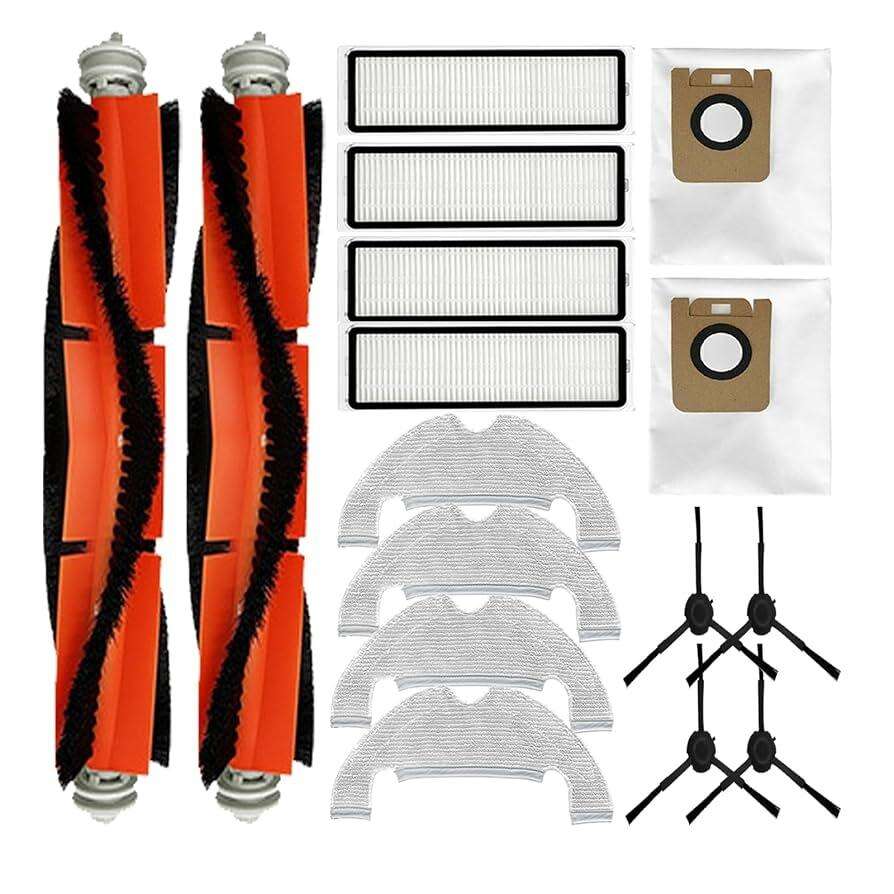
The global market for robotic vacuum cleaners continues to expand rapidly, with Dreame establishing itself as a leading brand across multiple international markets. Understanding how to select the right compatible accessories for these sophisticated cleaning devices is crucial for distributors, retailers, and end consumers alike. Proper accessory selection not only ensures optimal performance but also extends the lifespan of the vacuum cleaner while maintaining cleaning efficiency across different home environments and surface types.
International markets present unique challenges when it comes to accessory compatibility, ranging from different regulatory standards to varying consumer preferences and cleaning requirements. The selection process involves multiple factors including model specifications, regional availability, quality standards, and cost considerations. For businesses operating in the global marketplace, developing a comprehensive understanding of these factors is essential for successful product positioning and customer satisfaction.
Understanding Dreame Model Compatibility Requirements
Model-Specific Component Identification
Each Dreame vacuum cleaner model features specific design elements that dictate accessory compatibility. The L10 Plus, Z10 Pro, and D10 Plus models, for instance, have distinct dust bag capacities, brush configurations, and filtration systems. Understanding these specifications is fundamental to ensuring proper accessory selection. The dust bag compartment size varies between models, with some accommodating larger capacity bags while others require more compact designs for optimal fit and performance.
Main brush compatibility depends on several factors including brush width, mounting mechanism, and bristle configuration. Different models may require specific brush types designed for particular floor surfaces or cleaning patterns. The engineering precision required for proper fit ensures that replacement brushes maintain the original cleaning efficiency while preventing potential damage to the vacuum's internal mechanisms.
Side brush specifications also vary significantly between models, with differences in arm length, bristle density, and rotation speed compatibility. These variations directly impact the vacuum's ability to clean edges and corners effectively, making proper selection crucial for maintaining cleaning performance across different room layouts and furniture arrangements.
Filter System Specifications
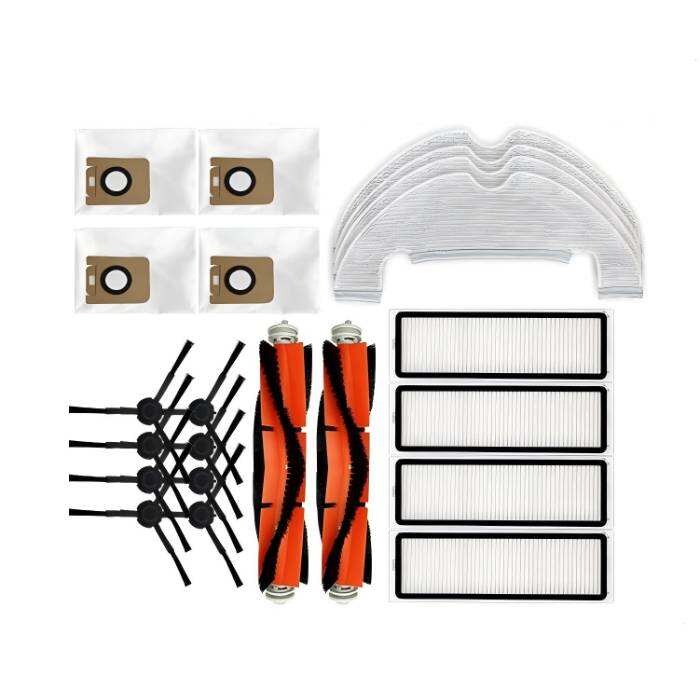
Filter compatibility represents one of the most critical aspects of accessory selection for Dreame vacuum cleaner accessories. Different models incorporate varying filtration technologies, from basic mesh filters to advanced HEPA systems. The filter selection process must consider not only physical dimensions but also filtration efficiency ratings and airflow requirements. Incorrect filter selection can significantly impact suction performance and may even damage the vacuum's motor system.
High-efficiency particulate air filters require precise dimensional matching to ensure proper sealing within the vacuum's filtration chamber. The filter material composition also plays a crucial role, with different materials offering varying levels of particle capture efficiency and durability. Understanding these technical specifications helps ensure that replacement filters maintain the vacuum's original performance standards while meeting international air quality regulations.
Multi-stage filtration systems found in premium Dreame models require careful coordination between different filter components. Each stage must work in harmony with others to achieve optimal air purification results. This interconnected design means that selecting compatible accessories requires understanding the entire filtration system rather than focusing on individual components in isolation.
International Market Considerations
Regional Regulatory Compliance
International markets impose various regulatory requirements that directly impact accessory selection and distribution. European markets, for example, adhere to strict RoHS directives regarding hazardous substances in electronic components. These regulations affect material selection for filters, brushes, and other replaceable parts. Compliance documentation must accompany accessory shipments to ensure smooth customs clearance and market acceptance.
North American markets operate under different safety standards, including UL certifications for electrical components and EPA guidelines for air filtration efficiency. These requirements may necessitate different material compositions or manufacturing processes compared to accessories designed for other regional markets. Understanding these variations helps businesses develop appropriate inventory strategies for different geographic regions.
Asian markets present their own unique regulatory landscape, with countries like Japan and South Korea maintaining specific product safety standards. These regulations often emphasize different aspects of product performance and safety, requiring careful consideration during the accessory selection process. Successful international distribution requires comprehensive knowledge of these varying regulatory environments.
Consumer Preference Variations
Different international markets exhibit distinct consumer preferences that influence accessory demand patterns. European consumers often prioritize environmental sustainability, leading to increased demand for biodegradable dust bags and recyclable filter materials. This preference drives the need for eco-friendly accessory options that maintain performance while meeting environmental expectations.
North American markets typically emphasize convenience and performance, with consumers showing preference for longer-lasting accessories that reduce replacement frequency. This preference pattern influences the selection of premium materials and enhanced durability features in accessory design. Understanding these preferences helps businesses tailor their product offerings to meet specific market demands.
Asian markets often demonstrate high sensitivity to technological innovation, with consumers readily adopting accessories that incorporate advanced features or materials. This technological focus creates opportunities for introducing cutting-edge accessory designs that may not find immediate acceptance in more conservative markets. Market research and consumer feedback analysis become essential tools for successful accessory selection in these dynamic environments.
Quality Assessment and Selection Criteria
Material Quality Standards
Selecting high-quality materials for Dreame vacuum cleaner accessories requires understanding the performance demands placed on each component. Dust bags must balance durability with appropriate porosity to maintain suction efficiency while containing collected debris. The material selection process involves evaluating tear resistance, filtration efficiency, and compatibility with the vacuum's disposal mechanism.
Main brush bristles require careful material selection to ensure effective cleaning across various floor surfaces without causing damage. Synthetic materials offer consistent performance and durability, while natural materials may provide superior cleaning action for specific applications. The selection process must consider the intended market's predominant flooring types and cleaning requirements.
Filter materials represent perhaps the most critical quality consideration, as they directly impact air quality and vacuum performance. Advanced synthetic materials offer superior particle capture efficiency while maintaining reasonable airflow resistance. The selection process must balance filtration performance with system compatibility and replacement cost considerations.
Performance Testing Protocols
Comprehensive performance testing ensures that selected accessories meet both manufacturer specifications and market expectations. Suction efficiency testing evaluates how different accessory configurations impact the vacuum's cleaning performance across various surface types. This testing protocol helps identify optimal accessory combinations for different cleaning scenarios and market segments.
Durability testing involves subjecting accessories to accelerated wear conditions that simulate extended use periods. This testing helps predict replacement intervals and identify potential failure points before market introduction. The testing protocol should reflect the usage patterns typical in target international markets to ensure relevant performance data.
Compatibility testing verifies proper fit and function across different Dreame models while identifying any potential interference issues. This comprehensive approach helps prevent customer satisfaction problems and ensures consistent performance across the product line. The testing protocol should encompass both mechanical fit and performance verification under various operating conditions.
Supply Chain and Distribution Strategies
Global Sourcing Considerations
Effective global sourcing for Dreame vacuum cleaner accessories requires balancing quality requirements with cost considerations across multiple international suppliers. Regional manufacturing capabilities vary significantly, with some areas excelling in specific component types while others offer cost advantages. Developing a diversified supplier network helps ensure consistent availability while managing supply chain risks.
Quality control protocols must be established for international suppliers to ensure consistent accessory performance regardless of manufacturing location. These protocols should include incoming inspection procedures, performance verification testing, and ongoing quality monitoring systems. Regular supplier audits help maintain quality standards while identifying improvement opportunities.
Lead time management becomes particularly important when sourcing from international suppliers, as shipping delays can significantly impact inventory availability. Developing appropriate safety stock levels and implementing demand forecasting systems helps maintain adequate inventory while minimizing carrying costs. The sourcing strategy should account for seasonal demand variations and regional market differences.
Inventory Management Systems
Sophisticated inventory management systems enable efficient distribution of Dreame vacuum cleaner accessories across international markets while minimizing stockout situations. These systems must account for varying demand patterns, seasonal fluctuations, and regional preferences when determining optimal stock levels. Advanced forecasting algorithms help predict demand trends while identifying potential supply chain disruptions before they impact customer satisfaction.
Regional warehouse distribution strategies help reduce shipping costs while improving delivery times to end customers. Strategic warehouse placement considers factors including transportation infrastructure, customs processing efficiency, and regional demand concentrations. The distribution network should provide flexibility to respond quickly to changing market conditions while maintaining cost efficiency.
Integration with e-commerce platforms and retail partners requires sophisticated inventory visibility systems that provide real-time stock information across multiple channels. These systems help prevent overselling while enabling efficient order fulfillment across different market segments. The inventory management approach should support both B2B distribution and direct consumer sales channels.
Technology Integration and Smart Features
IoT Connectivity Requirements
Modern Dreame vacuum cleaners incorporate sophisticated IoT connectivity features that may influence accessory selection and compatibility. Smart sensors within the vacuum can detect accessory status and performance, providing valuable data for maintenance scheduling and replacement recommendations. Understanding these technological capabilities helps ensure that selected accessories support rather than interfere with smart features.
App integration features allow users to monitor accessory condition and receive replacement notifications through their mobile devices. Compatible accessories should support these monitoring functions without creating false alerts or system conflicts. The selection process must consider how different accessory materials and designs interact with the vacuum's sensor systems.
Firmware compatibility represents another important consideration, as vacuum software updates may introduce new accessory monitoring features or modify existing functionality. Selecting accessories that maintain compatibility across firmware versions helps ensure long-term customer satisfaction and reduces support requirements. Regular communication with Dreame's technical team helps stay informed about upcoming changes that might impact accessory compatibility.
Future Technology Trends
Emerging technologies in the vacuum cleaner industry may influence future accessory requirements and selection criteria. Advanced materials science continues to develop new filtration technologies that offer improved performance while reducing environmental impact. Staying informed about these developments helps businesses prepare for future market opportunities and changing customer expectations.
Artificial intelligence integration in vacuum cleaners may lead to more sophisticated accessory monitoring and optimization features. These systems could automatically adjust cleaning patterns based on accessory condition or recommend specific replacement timing for optimal performance. Understanding these technology trends helps inform long-term accessory strategy development.
Sustainability initiatives within the industry are driving development of more environmentally friendly accessory options. Biodegradable materials, recyclable components, and extended lifecycle designs are becoming increasingly important selection criteria. Businesses that anticipate and prepare for these trends will be better positioned to meet evolving market demands.
FAQ
How do I determine which accessories are compatible with my specific Dreame model
Model compatibility can be determined by checking the vacuum's model number against manufacturer specifications or consulting with authorized dealers. Each Dreame model has specific dimensional requirements and connection mechanisms that must match exactly for proper function. The product manual typically includes detailed compatibility information, and many online retailers provide compatibility charts to help customers select appropriate accessories.
What factors should I consider when choosing between original and compatible accessories
Consider performance requirements, warranty implications, cost differences, and quality standards when choosing between original and compatible accessories. Original accessories guarantee perfect fit and performance but may cost more, while compatible alternatives can offer significant savings if manufactured to appropriate quality standards. Evaluate the supplier's reputation, quality certifications, and return policies to ensure satisfactory performance from compatible accessories.
How often should different types of Dreame accessories be replaced
Replacement frequency depends on usage intensity and environmental conditions, but general guidelines suggest dust bags should be replaced when full or every 4-6 weeks, filters every 2-3 months, main brushes every 6-12 months, and side brushes every 3-6 months. Heavy usage or pet hair may require more frequent replacement. Monitor accessory condition regularly and replace when performance begins to decline or visible wear becomes apparent.
Are there regional differences in accessory availability for international Dreame users
Yes, accessory availability can vary significantly between regions due to distribution networks, regulatory requirements, and local market demand. Some accessories may be readily available in certain markets while requiring special ordering in others. International customers should identify reliable local suppliers or consider direct importation for consistent accessory availability. Online marketplaces often provide broader selection and international shipping options for hard-to-find accessories.
Table of Contents
- Understanding Dreame Model Compatibility Requirements
- International Market Considerations
- Quality Assessment and Selection Criteria
- Supply Chain and Distribution Strategies
- Technology Integration and Smart Features
-
FAQ
- How do I determine which accessories are compatible with my specific Dreame model
- What factors should I consider when choosing between original and compatible accessories
- How often should different types of Dreame accessories be replaced
- Are there regional differences in accessory availability for international Dreame users