
 EN
EN
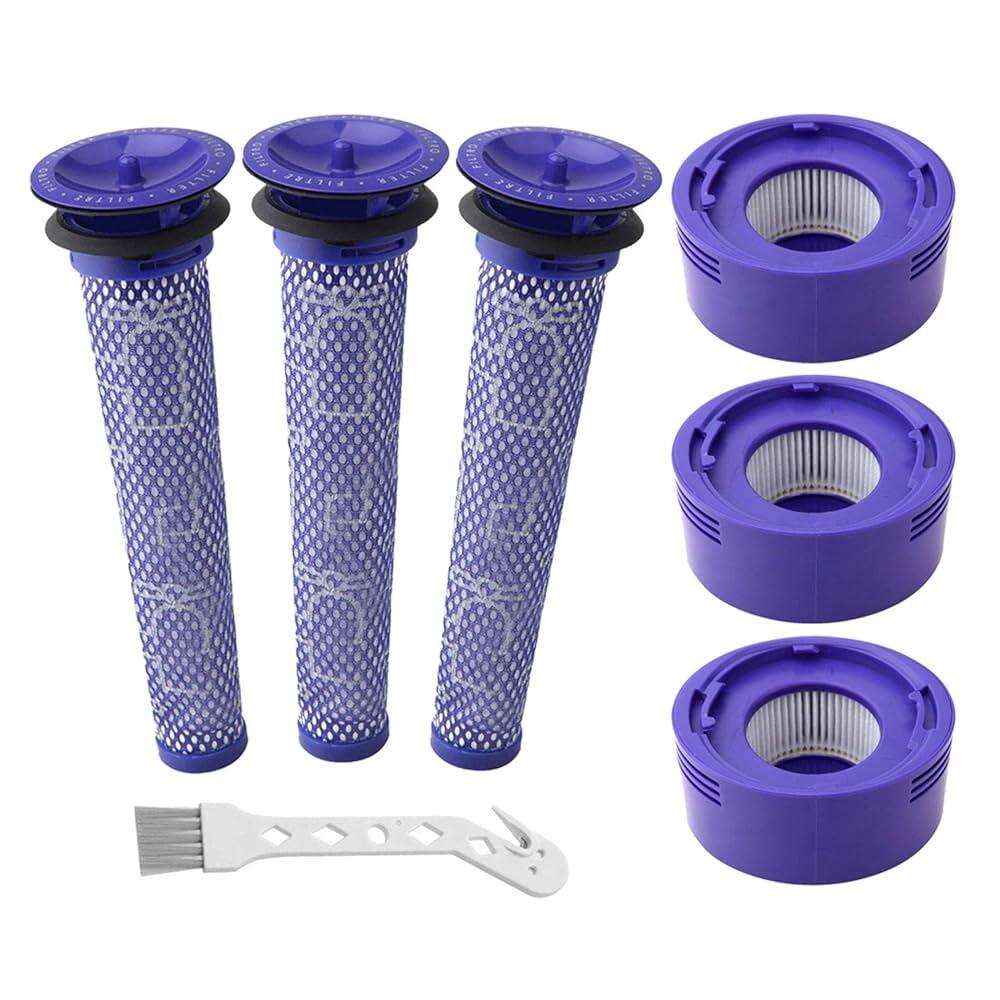
The growing demand for robotic vacuum cleaners has created substantial opportunities for retailers and distributors looking to capitalize on the replacement parts market. Dreame robot vacuum accessories represent a particularly lucrative segment, as these high-performance cleaning devices require regular maintenance and component replacement to maintain optimal functionality. Understanding how to effectively source these accessories in bulk quantities can significantly impact your business profitability and customer satisfaction rates.
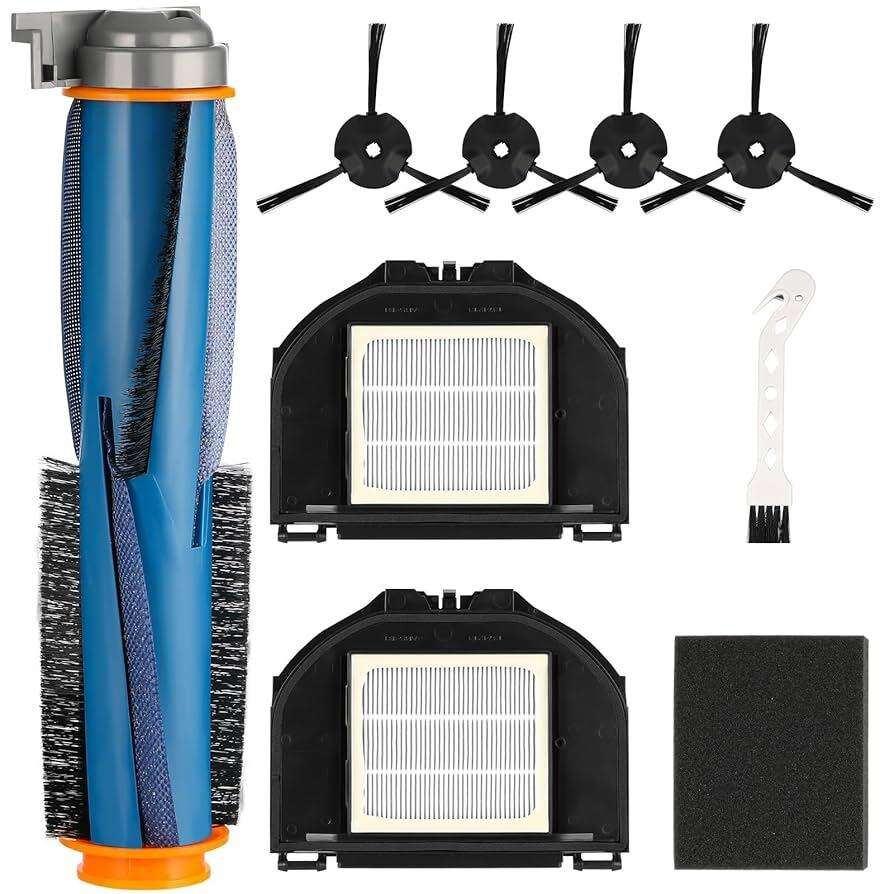
Successful bulk sourcing requires comprehensive market knowledge, reliable supplier relationships, and strategic inventory management. The replacement parts industry for robotic vacuums has experienced exponential growth, with consumers increasingly seeking cost-effective alternatives to original equipment manufacturer components. This trend presents unique opportunities for businesses willing to invest in quality aftermarket solutions that meet or exceed original specifications.
Understanding the Dreame Vacuum Ecosystem
Popular Dreame Models and Their Requirements
Different Dreame robot vacuum models require specific accessory configurations, making it essential to understand the compatibility matrix before placing bulk orders. The L10 Plus, Z10 Pro, and D10 Plus models each have unique specifications for dust bags, main brushes, side brushes, filters, and mopping cloths. These variations directly impact sourcing strategies and inventory allocation decisions.
The L10 Plus model typically requires high-capacity dust bags due to its self-emptying functionality, while the Z10 Pro focuses on advanced filtration systems that demand premium filter materials. Understanding these nuances helps buyers make informed decisions about which accessories to prioritize in bulk purchases and how to allocate budget resources effectively across different product categories.
Accessory Lifecycle and Replacement Frequency
Different components within the Dreame ecosystem have varying replacement schedules, which directly affects bulk ordering strategies. Main brushes typically require replacement every 6-12 months depending on usage intensity, while side brushes may need replacement every 3-6 months due to their exposure to debris and wear patterns.
Filters generally maintain effectiveness for 2-4 months before requiring replacement, making them high-turnover items perfect for bulk sourcing. Dust bags, particularly for self-emptying models, represent consumable products with monthly replacement cycles, creating consistent demand patterns that support large-volume purchasing agreements with suppliers.
Identifying Reliable Bulk Suppliers
Manufacturer Direct Sourcing Options
Establishing direct relationships with accessory manufacturers offers numerous advantages including better pricing structures, quality control oversight, and customization possibilities. Many Chinese manufacturers specialize in producing compatible accessories that meet or exceed original specifications while offering substantial cost savings compared to branded alternatives.
Direct sourcing relationships also provide opportunities to influence product development, request specific packaging configurations, and negotiate exclusive distribution agreements for particular geographic regions. These partnerships often result in better payment terms, priority production scheduling, and access to new product innovations before they reach broader market distribution channels.
Wholesale Platform Integration
Major B2B platforms like Alibaba, Made-in-China, and Global Sources have become essential tools for identifying potential suppliers and comparing pricing structures across multiple manufacturers. These platforms provide valuable insights into supplier capabilities, production capacities, and quality certifications that help inform sourcing decisions.
Effective platform utilization involves thorough supplier vetting, including verification of business licenses, factory inspections, and sample testing procedures. Many successful bulk buyers maintain relationships with multiple suppliers to ensure consistent inventory availability and competitive pricing leverage during negotiation processes.
Quality Assessment and Testing Protocols
Establishing Quality Standards
Implementing comprehensive quality assessment protocols protects your business reputation and ensures customer satisfaction with aftermarket accessories. Quality standards should address material composition, dimensional accuracy, performance specifications, and durability requirements that match or exceed original equipment specifications.
Effective quality control involves establishing testing procedures for each accessory type, including brush rotation testing, filter efficiency measurements, and bag capacity verification. Documentation of these standards provides clear communication tools for suppliers and creates measurable criteria for acceptance or rejection of bulk shipments.
Sample Testing and Validation
Comprehensive sample testing represents a critical investment that prevents costly mistakes in large-volume purchases. Testing protocols should evaluate compatibility with target vacuum models, performance under normal operating conditions, and longevity compared to original equipment alternatives.
Professional testing services can provide independent validation of accessory performance, including filtration efficiency ratings, brush wear patterns, and structural integrity assessments. This data supports marketing claims and provides confidence for customers considering aftermarket alternatives to branded Dreame robot vacuum accessories.
Inventory Management and Distribution Strategies
Demand Forecasting and Stock Planning
Accurate demand forecasting requires analyzing historical sales data, seasonal patterns, and market growth trends to optimize inventory levels and minimize carrying costs. Robotic vacuum accessories typically experience higher demand during spring cleaning seasons and around major shopping holidays when consumers focus on home maintenance activities.
Advanced inventory management systems can track replacement cycles for different accessory types, automatically generating reorder alerts based on predefined stock levels and lead times. This automation reduces the risk of stockouts while preventing excessive inventory accumulation that ties up working capital and warehouse space.
Storage and Handling Requirements
Proper storage conditions protect accessory quality and extend shelf life, particularly for components containing rubber seals, adhesive elements, or electronic components. Temperature and humidity control prevents degradation of materials and maintains packaging integrity during extended storage periods.
Organized storage systems with clear labeling and lot tracking facilitate efficient order fulfillment and quality traceability. First-in-first-out rotation principles ensure older inventory moves before expiration dates, while systematic organization reduces picking errors and improves warehouse productivity metrics.
Pricing Strategies and Market Positioning
Competitive Analysis and Pricing Models
Understanding market pricing dynamics helps establish competitive positioning while maintaining healthy profit margins on bulk-sourced accessories. Analysis should include original equipment pricing, competitor aftermarket pricing, and perceived value propositions among different customer segments.
Effective pricing strategies often involve tiered structures that reward volume purchases while maintaining accessibility for smaller buyers. Bundle pricing for complete accessory kits can increase average order values while providing convenience benefits that customers appreciate and willingly pay premium pricing to obtain.
Value-Added Services and Differentiation
Beyond competitive pricing, successful businesses differentiate through value-added services such as installation guides, compatibility guarantees, and extended warranty programs. These services justify premium pricing while building customer loyalty and reducing return rates.
Technical support services, including video tutorials and troubleshooting guides, enhance customer experience and reduce support costs over time. Many businesses find that investing in educational content creation pays dividends through increased customer satisfaction and reduced return processing expenses.
FAQ
What minimum order quantities should I expect when sourcing Dreame vacuum accessories in bulk
Most manufacturers require minimum order quantities ranging from 100 to 1000 pieces per accessory type, depending on the complexity and production setup costs. Standard accessories like filters and brushes typically have lower minimums, while specialized components may require larger initial orders. Negotiating mixed SKU orders can help meet minimum requirements while diversifying inventory across multiple product types.
How can I verify the compatibility of aftermarket accessories with specific Dreame models
Compatibility verification requires obtaining detailed technical specifications from manufacturers and comparing dimensions, connection mechanisms, and performance parameters with original equipment. Request detailed engineering drawings and conduct physical testing with actual vacuum units before committing to large orders. Many reputable suppliers provide compatibility guarantees and accept returns for genuinely incompatible products.
What certifications should I look for when evaluating potential accessory suppliers
Key certifications include ISO 9001 for quality management systems, ROHS compliance for environmental safety, and CE marking for European market compatibility. Additionally, look for factory audit reports from third-party inspection companies and evidence of ongoing quality control procedures. Suppliers with established export experience typically maintain better documentation and understand international shipping requirements.
How do I handle warranty and return policies for bulk-purchased vacuum accessories
Establish clear warranty terms with suppliers before placing orders, including coverage periods, replacement procedures, and responsibility for shipping costs. Document defect rates and maintain detailed records to support warranty claims and supplier performance evaluations. Consider purchasing product liability insurance to protect against potential issues with aftermarket accessories that could affect customer vacuum performance.
Table of Contents
- Understanding the Dreame Vacuum Ecosystem
- Identifying Reliable Bulk Suppliers
- Quality Assessment and Testing Protocols
- Inventory Management and Distribution Strategies
- Pricing Strategies and Market Positioning
-
FAQ
- What minimum order quantities should I expect when sourcing Dreame vacuum accessories in bulk
- How can I verify the compatibility of aftermarket accessories with specific Dreame models
- What certifications should I look for when evaluating potential accessory suppliers
- How do I handle warranty and return policies for bulk-purchased vacuum accessories