 EN
EN
Bulk procurement of OEM robot vacuum parts is a critical operational decision for distributors, repair service providers, and B2B buyers working in the consumer robotics sector. Unlike one-off purchases, bulk sourcing requires a disciplined evaluation framework that balances unit cost, compatibility, supply consistency, and quality assurance. Without a structured approach, procurement teams risk investing in components that create warranty issues, customer complaints, or costly rework down the line. Understanding how to navigate the supplier landscape and component specifications is the foundation of a sustainable procurement strategy.
The global robot vacuum market has expanded rapidly, driving demand for genuine replacement accessories and consumable sets that meet original equipment manufacturer standards. Procurement professionals who master the selection process for OEM robot vacuum parts gain a measurable competitive edge — they can offer faster turnaround on repairs, maintain tighter profit margins, and build long-term credibility with their customers. This article provides a practical, step-by-step guide on how to make informed, defensible procurement decisions when sourcing these parts at scale.
Understanding What OEM Robot Vacuum Parts Actually Mean in B2B Context
The Definition and Scope of OEM Components
In a B2B context, OEM robot vacuum parts refer to components that are manufactured to the original equipment manufacturer's exact specifications — either by the brand itself or by an authorized production partner. This is a meaningful distinction from aftermarket alternatives, which may vary significantly in material grades, tolerances, and performance benchmarks. For procurement teams, sourcing genuine OEM components means the parts have been validated against the original product design, reducing the risk of compatibility failures.
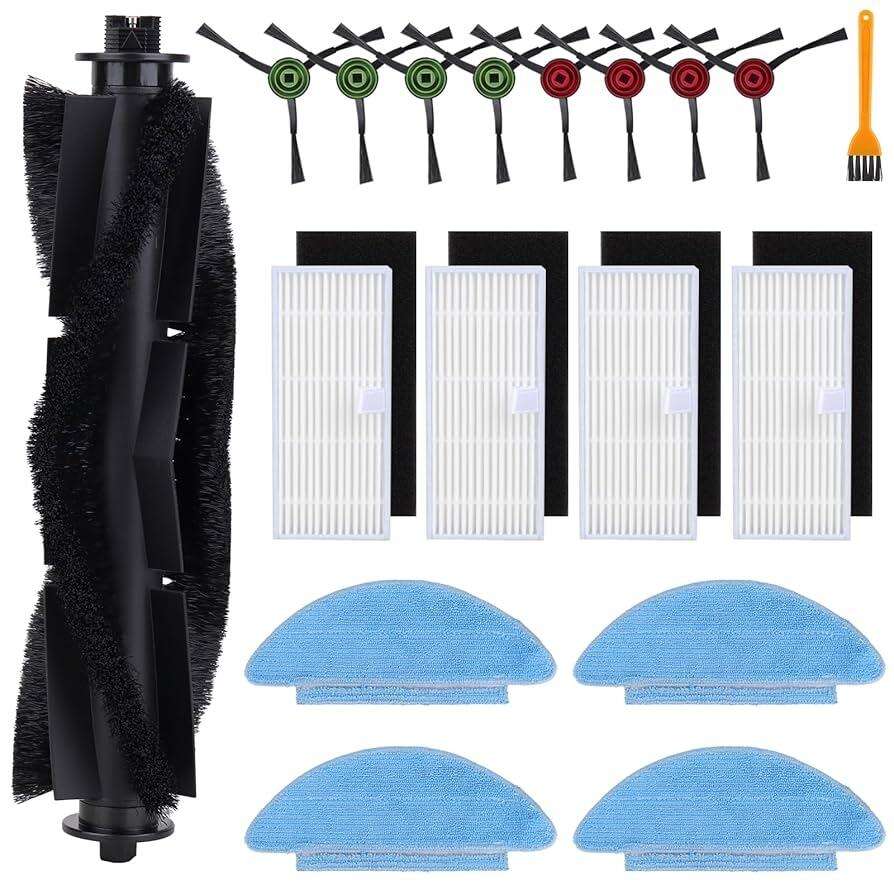
The scope of OEM robot vacuum parts typically includes consumable items such as side brushes, main roller brushes, HEPA filters, dustbin assemblies, mop pads, and cleaning solution tanks. It also extends to longer-life components like sensors, battery modules, charging dock connectors, and cover plates. Each category demands a different procurement logic — consumables require high-volume replenishment cycles, while structural components require tighter specification matching.
Understanding this classification is the first step toward building a procurement checklist. Buyers who treat all parts as interchangeable often encounter upstream problems when product performance fails to align with end-user expectations. Genuine OEM robot vacuum parts carry the assurance of being engineered for a specific platform, which directly impacts serviceability and customer satisfaction scores.
Why OEM Designation Matters for Bulk Buyers
When purchasing at scale, the OEM designation serves as a quality proxy. Bulk orders placed without OEM verification tend to produce inconsistent batch quality, unpredictable fit tolerances, and higher return rates. For resellers and repair centers, these outcomes translate directly into increased labor costs and reputation risk. Specifying OEM robot vacuum parts in procurement contracts sets a minimum quality floor that protects all downstream stakeholders.
From a warranty and liability standpoint, using non-OEM parts can void manufacturer warranties on the robot vacuum units themselves. This is a significant consideration for B2B service operators who manage fleet maintenance contracts. Documenting that all repairs and replacements use genuine OEM robot vacuum parts provides defensible evidence in warranty disputes and positions the service provider as a professional, accountable operator.
Key Selection Criteria When Evaluating OEM Robot Vacuum Parts for Bulk Orders
Compatibility Verification Across Model Lines
One of the most common procurement errors is assuming broad cross-compatibility between parts from the same brand. Robot vacuum platforms — even within a single product family — frequently use unique motor housings, brush geometry, filter frame dimensions, and dock connector designs. Before placing any bulk order, procurement teams must confirm part compatibility at the model-specific level, not just the brand level.
For example, a consumable accessory set designed for a high-end navigation platform like the OEM robot vacuum parts set for the Dreame L20 Ultra will have very different brush roller diameters, mop plate dimensions, and filter specifications compared to mid-range models. Treating these as interchangeable would result in poor fit, suboptimal cleaning performance, and elevated complaint rates.
A sound verification process involves cross-referencing the part number, reviewing technical data sheets provided by the supplier, and if possible, physically testing a sample set before committing to volume orders. This pre-procurement validation step is non-negotiable for professional B2B buyers managing multi-SKU inventories.
Material and Performance Specification Standards
Beyond compatibility, the material composition of OEM robot vacuum parts directly affects their service life and cleaning effectiveness. Main brushes made from substandard silicone or bristle composites wear out faster, pick up less debris, and create more tangles. HEPA filters that do not meet the specified micron rating compromise air quality performance and may trigger customer complaints in allergy-sensitive households.
Bulk buyers should request material certifications or third-party test reports from suppliers before finalizing procurement agreements. Key specifications to verify include brush roller hardness and flexibility ratings, filter filtration efficiency percentages, mop pad fiber density and absorption capacity, and battery cell grade for any battery-related parts. Suppliers capable of providing this documentation signal a higher level of manufacturing maturity and transparency.
For long-term procurement relationships, establishing a baseline specification document that outlines acceptable material thresholds for each part category creates a contractual quality standard. This approach prevents specification drift across different production batches of the same OEM robot vacuum parts, which is a common issue in high-volume manufacturing environments.
Supplier Evaluation Framework for Bulk OEM Part Procurement
Assessing Supplier Authorization and Production Capability
Not all suppliers claiming to provide OEM robot vacuum parts have the production authorization or manufacturing capability to deliver consistently. Evaluating supplier credentials should begin with verifying whether the supplier holds any form of authorized distributor status or licensed production agreement with the original equipment manufacturer. This information should be documentable, not just verbally confirmed.
Beyond authorization, assessing a supplier's production scale and quality management infrastructure is essential for bulk procurement reliability. Suppliers with ISO-certified quality management systems, dedicated incoming quality control processes, and structured batch traceability are significantly more capable of delivering consistent OEM robot vacuum parts at volume. A supplier audit — either in person or through a third-party inspection service — is a best practice for any order exceeding a significant financial threshold.
Procurement teams should also evaluate supplier lead times, minimum order quantities, and buffer stock policies. For time-sensitive service operations, a supplier that cannot guarantee replenishment within a defined window creates operational exposure. Building these commitments into the supply agreement from the outset prevents disruptions and ensures that the supply of OEM robot vacuum parts remains predictable throughout the procurement cycle.
Packaging, Labeling, and Documentation Requirements
Bulk procurement of OEM robot vacuum parts involves more than just the physical components — it also encompasses the packaging integrity, labeling accuracy, and documentation completeness that support downstream distribution and end-user confidence. Parts that arrive with ambiguous labeling, missing model compatibility information, or inadequate protective packaging create unnecessary handling complications and return risks.
Professional B2B buyers should specify packaging requirements explicitly in procurement contracts. This includes defining carton dimensions for efficient palletization, labeling standards that include part numbers, compatible model references, and batch codes, and documentation requirements such as packing lists, certificates of conformity, and customs declarations where applicable. These details reduce downstream friction and improve the operational efficiency of receiving and warehousing teams.
For businesses distributing OEM robot vacuum parts to retail or end-service customers, branded retail-ready packaging may also be a consideration. Some authorized suppliers offer co-branded or private label packaging options, which can enhance perceived product quality and brand alignment without compromising the OEM specification of the components themselves.
Cost Optimization Strategies Without Compromising OEM Standards
Volume Pricing Structures and MOQ Negotiation
One of the core advantages of bulk procurement is the ability to leverage volume for more favorable unit pricing. When sourcing OEM robot vacuum parts, understanding the supplier's pricing tier structure is essential to maximizing procurement efficiency. Most manufacturers and authorized distributors operate tiered pricing models, where the per-unit cost decreases at specific volume thresholds.
Procurement teams should approach MOQ negotiations not just from a price reduction angle, but from a total cost of ownership perspective. A lower MOQ at a slightly higher unit price may actually be more cost-effective than committing to a very large order that ties up working capital or creates slow-moving inventory. Mapping projected demand across the service calendar before entering negotiations ensures that volume commitments are grounded in realistic consumption data.
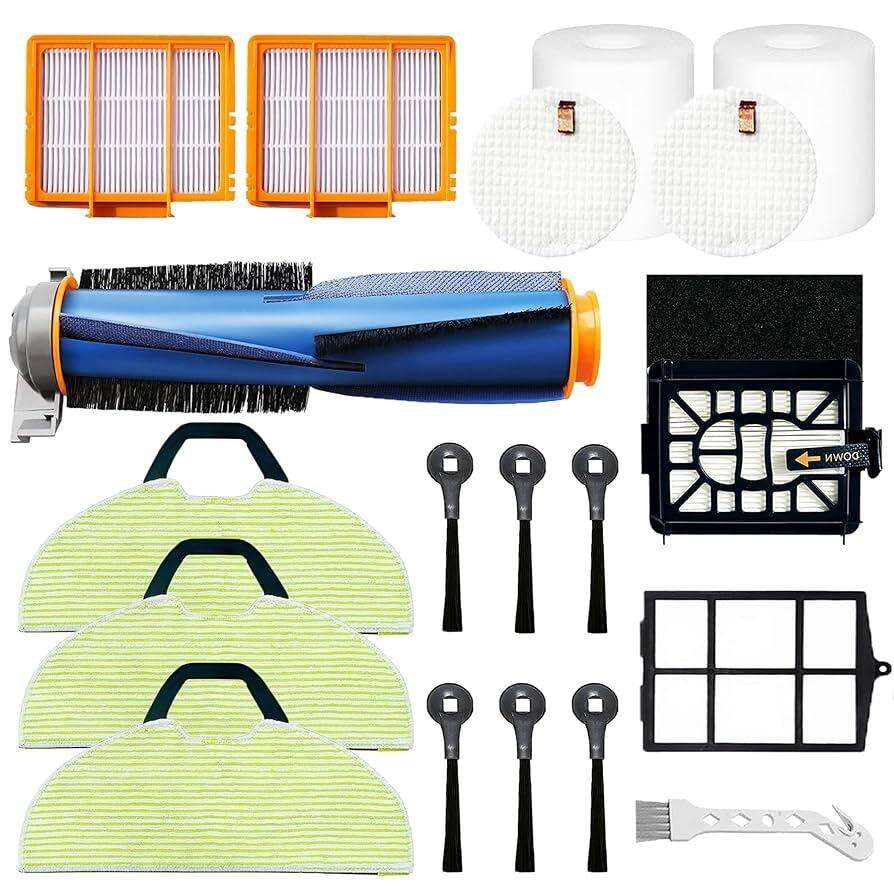
It is also worth exploring whether bundled accessory sets offer better procurement value than individually sourced parts. For instance, a comprehensive consumable set for a specific platform — combining brushes, filters, mop pads, and cleaning accessories — often carries a lower aggregated cost than sourcing each component separately. This bundled approach is increasingly common in the OEM robot vacuum parts market and aligns well with how repair centers and after-sales service operations consume parts.
Long-Term Supply Agreements and Forecast-Based Ordering
Establishing long-term supply agreements with vetted suppliers of OEM robot vacuum parts provides multiple procurement benefits beyond price. Blanket purchase orders with scheduled release dates allow buyers to lock in pricing over an extended period, protect against short-term price volatility, and ensure supply priority during periods of high market demand.
Forecast-based ordering, where procurement schedules are tied to historical consumption data and projected service volumes, further optimizes working capital utilization. By sharing demand forecasts with suppliers, buyers can encourage suppliers to pre-position inventory, reducing lead times and minimizing the risk of stockouts. This collaborative supply chain approach is standard practice in professional B2B procurement and applies equally well to the sourcing of OEM robot vacuum parts.
Periodic contract reviews — typically on a quarterly or semi-annual basis — allow both parties to recalibrate terms based on actual consumption, evolving product lines, and any changes in model-specific demand. This adaptive approach to supply agreements ensures that procurement contracts remain aligned with operational realities rather than becoming static documents that create misalignment over time.
Quality Assurance and Incoming Inspection Protocols
Establishing an Incoming Inspection Process
Even when sourcing from authorized suppliers, implementing a structured incoming inspection process for OEM robot vacuum parts is a non-negotiable quality safeguard. Batch variability, transit damage, and occasional production deviations can affect even well-managed supply chains. An incoming quality check ensures that only verified, specification-compliant components enter the inventory for service use or resale.
A practical incoming inspection protocol should cover dimensional checks on critical fit components, visual inspection for cosmetic and structural defects, functional testing of mechanical parts such as brush rollers and filter housings, and batch sampling procedures that scale with order size. Documenting inspection results by batch number creates a traceability record that supports warranty claims and return negotiations if quality issues emerge post-deployment.
Training receiving staff to distinguish genuine OEM robot vacuum parts from non-compliant substitutions is also valuable. OEM components typically carry specific markings, part numbers, and material characteristics that are consistently applied across batches. Familiarizing inspection staff with these identifiers creates an additional verification layer that complements formal inspection procedures.
Managing Returns and Supplier Accountability
Despite best efforts in supplier selection and incoming inspection, quality escapes will occasionally occur in bulk procurement operations. Establishing clear return authorization processes, defect rate thresholds, and supplier accountability mechanisms in advance of placing orders ensures that quality failures are addressed efficiently rather than becoming protracted disputes.
Procurement contracts for OEM robot vacuum parts should define acceptable defect rates per batch, the timeline for raising return claims, the documentation required to support a return request, and the resolution options available — whether replacement shipments, credit notes, or partial refunds. Suppliers who are unwilling to accept these accountability terms prior to order placement are typically not suitable long-term partners for professional bulk procurement operations.
FAQ
What is the difference between OEM robot vacuum parts and aftermarket alternatives?
OEM robot vacuum parts are manufactured to the original equipment manufacturer's exact specifications and are either produced by the brand directly or through an authorized manufacturing partner. Aftermarket parts are produced by third-party manufacturers without OEM authorization and may differ in material grades, dimensions, and performance. For B2B buyers managing service operations or resale, OEM parts provide greater reliability, compatibility assurance, and warranty protection compared to aftermarket alternatives.
How should I verify compatibility when ordering OEM parts for multiple robot vacuum models?
Compatibility must be verified at the individual model level, not just at the brand level. Request the supplier's compatibility chart or part number cross-reference document and compare it against your specific unit models. For critical components, obtain a sample set before placing bulk orders and physically test fit and function. Suppliers with robust technical documentation typically publish model-specific SKU lists that make this verification process straightforward.
What minimum documentation should I request from a supplier before placing a bulk OEM parts order?
At a minimum, professional B2B buyers should request a certificate of conformity confirming OEM specification compliance, material data sheets for key consumable components, a packing list template showing labeling and batch code standards, and any applicable test reports for performance-critical parts like HEPA filters. For suppliers seeking long-term procurement partnerships, ISO quality certification documentation adds an additional layer of confidence in manufacturing process maturity.
Is it cost-effective to source OEM robot vacuum parts as bundled accessory sets for bulk procurement?
In most cases, yes. Bundled accessory sets that combine multiple consumable components for a specific robot vacuum platform typically carry a lower aggregated cost per component compared to individual sourcing. They also simplify inventory management, reduce the number of supplier transactions, and align naturally with how service centers and repair operations consume parts in practice. Evaluating bundled sets against individual part pricing on a total cost basis is recommended before finalizing procurement strategy.
Table of Contents
- Understanding What OEM Robot Vacuum Parts Actually Mean in B2B Context
- Key Selection Criteria When Evaluating OEM Robot Vacuum Parts for Bulk Orders
- Supplier Evaluation Framework for Bulk OEM Part Procurement
- Cost Optimization Strategies Without Compromising OEM Standards
- Quality Assurance and Incoming Inspection Protocols
-
FAQ
- What is the difference between OEM robot vacuum parts and aftermarket alternatives?
- How should I verify compatibility when ordering OEM parts for multiple robot vacuum models?
- What minimum documentation should I request from a supplier before placing a bulk OEM parts order?
- Is it cost-effective to source OEM robot vacuum parts as bundled accessory sets for bulk procurement?