
 EN
EN
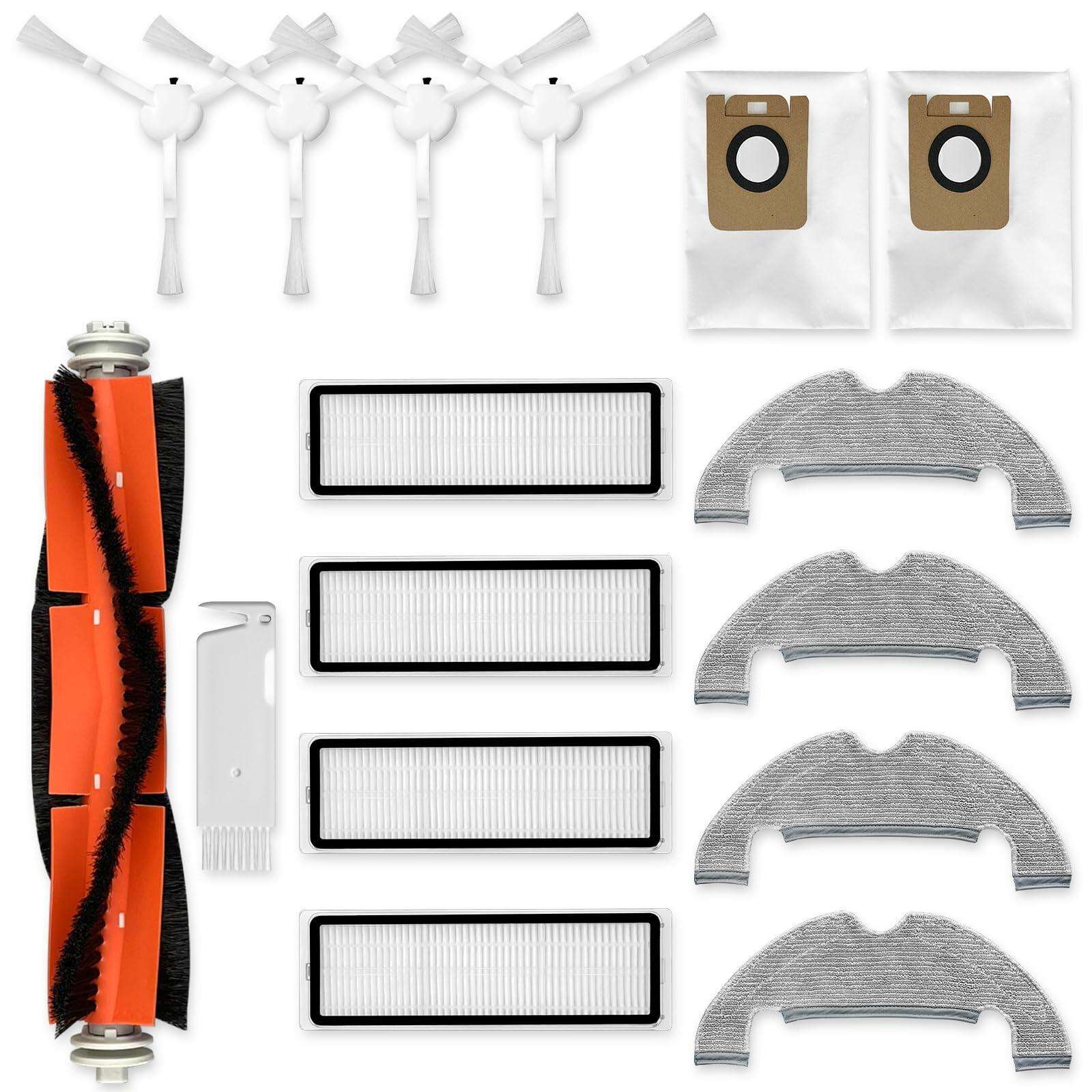
The demand for reliable replacement components has reshaped how manufacturers, service companies, and integrators approach long-term product sustainability. OEM robot vacuum parts have become central to this conversation, offering application-specific precision that aftermarket alternatives often fail to deliver. Whether the context is consumer electronics refurbishment, commercial fleet maintenance, or industrial cleaning automation, knowing which applications gain the most from OEM-grade components helps procurement teams and operations managers make smarter sourcing decisions.
Understanding the relationship between part quality and operational outcome is essential in today's robotic cleaning market. OEM robot vacuum parts are engineered to exact tolerances, validated against the original device architecture, and designed to maintain performance consistency across extended use cycles. For applications where uptime, cleaning efficiency, and device longevity are non-negotiable, the argument for sourcing OEM-grade components becomes not just logical but strategically essential.
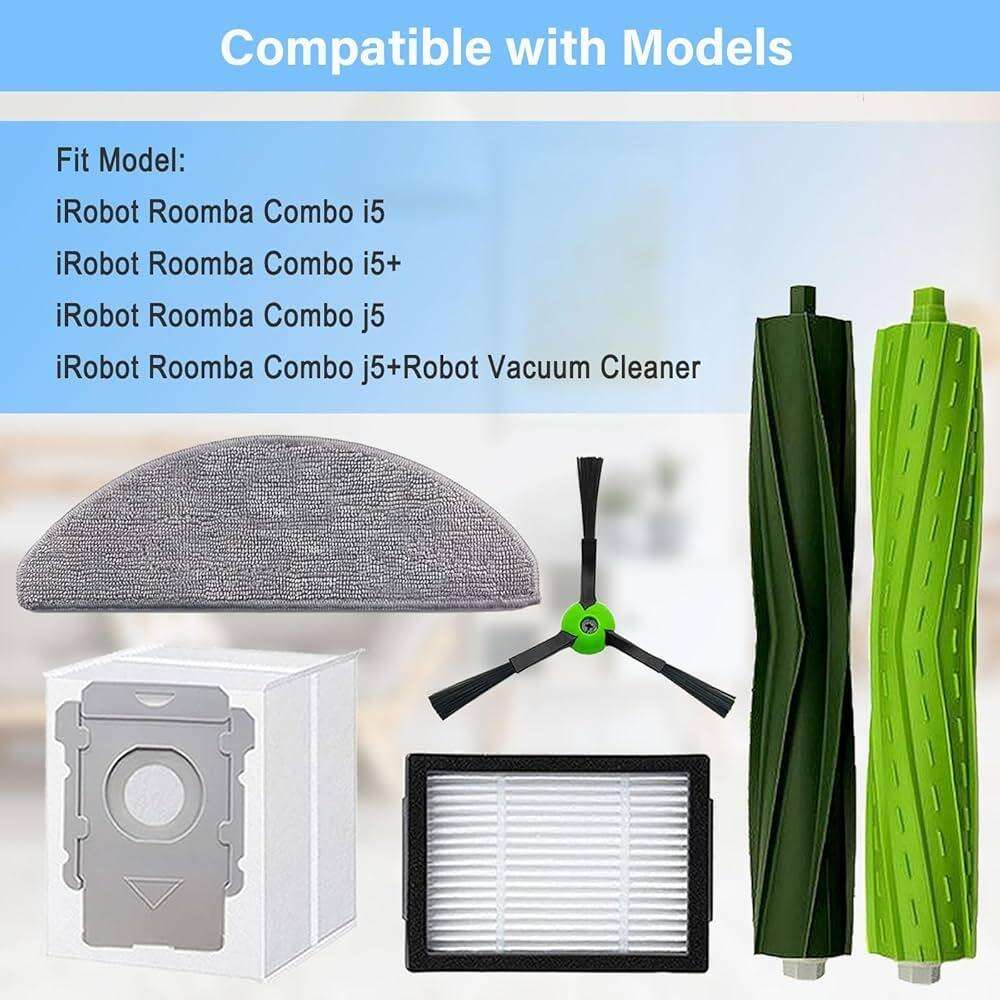
Consumer Electronics Repair and Refurbishment Services
Why Repair Shops Depend on OEM-Grade Components
Independent repair shops and certified service centers handle thousands of robot vacuum units every year. In this environment, using OEM robot vacuum parts is not simply a preference but a professional standard. Replacement brushes, filter assemblies, dustbin modules, and sensor covers must fit precisely without modification, and only components built to original specifications consistently meet this requirement.
When technicians install parts that deviate even slightly from original tolerances, the consequences become visible quickly. Brush rolls may create vibration noise, suction motors may work harder to compensate for poorly fitted filters, and navigation sensors may lose calibration accuracy. OEM robot vacuum parts eliminate these variables by providing direct form-and-function parity with factory originals.
For repair shops that manage warranties or offer service guarantees, sourcing OEM robot vacuum parts also reduces liability. A repair conducted with original-specification components is far easier to stand behind than one performed with generic alternatives of uncertain provenance. This reliability advantage directly translates into customer retention and brand reputation.
Refurbishment Programs for Resale Markets
The refurbished electronics market has grown substantially, and robot vacuums now represent a significant segment within it. Businesses that purchase used units, restore them to functional condition, and resell them through certified channels rely heavily on OEM robot vacuum parts to achieve the performance benchmarks required for certification.
Refurbished units sold under performance guarantees cannot afford the inconsistency of non-OEM components. Suction performance, battery cycle compatibility, and brush roller durability must all meet original device standards. OEM robot vacuum parts provide the component-level quality foundation that makes refurbishment economically viable and commercially trustworthy.
Furthermore, as device models age and original units leave mainstream retail, OEM robot vacuum parts supply chains become the primary mechanism keeping those models viable in the secondary market. Continued parts availability directly extends the commercial lifespan of each model and sustains the refurbishment ecosystem around it.
Commercial Cleaning Fleet Operations
High-Utilization Environments Demand Part Consistency
Commercial environments such as hotels, office complexes, retail facilities, and healthcare spaces increasingly deploy robot vacuum fleets to manage routine floor care. These units operate far more frequently than consumer devices, often running multiple sessions daily across large areas. In high-utilization contexts, consumable components degrade much faster, and part replacement cycles must be both predictable and efficient.
OEM robot vacuum parts are engineered to handle the duty cycles associated with commercial deployment. Side brushes, main roller brushes, HEPA filters, and mopping pads designed to original specifications maintain cleaning effectiveness across the full expected replacement interval. Non-OEM alternatives may appear cost-effective initially but often require replacement sooner, negating any upfront savings.
Fleet managers responsible for dozens or hundreds of units benefit from the standardization that OEM robot vacuum parts provide. When components across a fleet come from the same specification baseline, maintenance scheduling becomes more predictable, inventory management becomes more efficient, and technician training requires less variability handling.
Service Level Agreements and Operational Uptime
For facility management companies operating under service level agreements, robot vacuum uptime is a contractual obligation. Unexpected device failures caused by premature part degradation can trigger penalties and damage client relationships. OEM robot vacuum parts help protect these commitments by providing the performance consistency required to meet scheduled cleaning outcomes.
When a filter or brush assembly fails mid-contract, the response time and repair quality both matter. Having OEM robot vacuum parts on hand as pre-stocked inventory enables fast turnaround and guarantees that the replacement maintains the same operational standard as the original installation. This preparedness is a competitive differentiator for commercial cleaning service providers.
Additionally, commercial clients increasingly scrutinize the quality of maintenance practices. Demonstrating that OEM robot vacuum parts are used exclusively in fleet servicing reinforces professionalism and communicates a commitment to equipment longevity that resonates with facility managers and procurement officers.
OEM and White-Label Product Manufacturing
Integrating Verified Parts into New Build Cycles
Manufacturers developing private-label or white-label robot vacuum products often source components from established OEM supply chains to reduce R&D investment while maintaining quality benchmarks. In this application, OEM robot vacuum parts serve not as replacements but as foundational elements of new product assembly.
Using OEM robot vacuum parts in new builds ensures that each unit leaving the production line meets performance specifications without the lengthy validation process required for custom-designed alternatives. This shortens time to market and reduces the engineering risk associated with unproven component integration. The reliability data behind OEM components provides manufacturers with defensible quality documentation from day one.
For smaller manufacturers entering the market without the scale to develop proprietary components, access to OEM robot vacuum parts supply chains enables competitive product quality at manageable cost structures. This democratization of component access has accelerated innovation in the robot vacuum category and expanded the number of viable market entrants.
Consumable Accessory Kits as a Revenue Stream
Many robot vacuum manufacturers generate meaningful recurring revenue by offering official accessory and consumable kits directly to end users. These kits, built from OEM robot vacuum parts, create an ongoing commercial relationship that extends well beyond the initial purchase. Brush sets, filter replacements, mop pad collections, and sensor cleaning tools packaged as branded kits reinforce device performance and customer loyalty simultaneously.
The business model works because OEM robot vacuum parts carry inherent trust. Consumers who purchase official accessory kits are essentially paying for the assurance that their device will continue performing as designed. This willingness to pay a premium for verified components is a market dynamic that manufacturers and authorized distributors can leverage effectively.
From a channel strategy perspective, OEM robot vacuum parts kits also provide opportunities for bundled promotions, subscription-based replenishment programs, and loyalty incentives. The component itself becomes a vehicle for sustained customer engagement rather than a one-time transaction.
Smart Home Ecosystem Integration and Subscription Services
Maintaining Device Performance Within Connected Home Platforms
As robot vacuums become integrated nodes within broader smart home ecosystems, performance consistency takes on additional importance. Many advanced models now communicate with companion apps, smart home hubs, and voice assistants, reporting cleaning data, battery health, and maintenance alerts. When a component degrades below threshold, the system generates a replacement recommendation.
In this context, OEM robot vacuum parts are the expected response to those maintenance alerts. Devices calibrated to specific component performance profiles may behave unpredictably when non-OEM substitutes alter the operating parameters. Suction power readings, filter saturation metrics, and brush engagement data are all tied to original component specifications that OEM robot vacuum parts reliably maintain.
Smart home service providers and platform developers who recommend or facilitate maintenance for connected devices have strong incentives to direct users toward OEM robot vacuum parts. Recommending verified components reduces support escalations, improves user satisfaction scores, and maintains the performance narrative that drives ecosystem stickiness.
Subscription-Based Maintenance Programs
Several robot vacuum brands and third-party service providers have launched subscription programs that deliver replacement consumables on a scheduled basis. These programs, built around OEM robot vacuum parts, remove the friction of manual replenishment and ensure that devices always have fresh components available before degradation affects cleaning quality.
The subscription model works particularly well for households with multiple devices or high-traffic environments where consumable wear is faster than average. When OEM robot vacuum parts are automatically shipped at intervals aligned with expected wear cycles, users experience uninterrupted performance without the need to monitor component condition manually.
For brands operating subscription programs, OEM robot vacuum parts supply chain stability is a critical business dependency. Disruptions in parts availability directly impact subscriber satisfaction and retention. This makes securing reliable, authorized OEM component supply not just an operational consideration but a strategic business priority.
FAQ
What makes OEM robot vacuum parts different from generic aftermarket alternatives?
OEM robot vacuum parts are manufactured to the exact specifications of the original device, including dimensional tolerances, material grades, and performance parameters. Generic alternatives are produced to approximate specifications that may look similar but often differ in ways that affect fit, function, and longevity. For applications where consistency and reliability are critical, OEM components provide a level of assurance that generic parts cannot match.
Which industries benefit most from sourcing OEM robot vacuum parts in bulk?
Industries with high device utilization rates benefit most from bulk OEM robot vacuum parts sourcing. This includes commercial cleaning service providers managing large fleets, consumer electronics refurbishers processing high volumes of used units, and manufacturers assembling white-label or private-label robot vacuum products. Each of these contexts requires consistent component quality at scale, which bulk OEM sourcing enables effectively.
How do OEM robot vacuum parts support device performance over time?
OEM robot vacuum parts maintain the performance baseline established by the original device design. Replacement brushes, filters, and mopping components built to original specifications ensure that suction efficiency, navigation accuracy, and cleaning coverage remain consistent throughout the device's service life. Using components that deviate from original specifications can gradually degrade overall system performance in ways that are difficult to diagnose and resolve.
Are OEM robot vacuum parts necessary for smart home connected devices?
For devices integrated into smart home platforms, OEM robot vacuum parts are strongly recommended. Connected robot vacuums monitor component performance through sensors and report data to companion applications based on original component behavior profiles. Installing non-OEM components can introduce reporting inaccuracies and cause the device to misinterpret its own maintenance status, leading to suboptimal cleaning schedules and potentially triggering unnecessary error conditions.