
 EN
EN
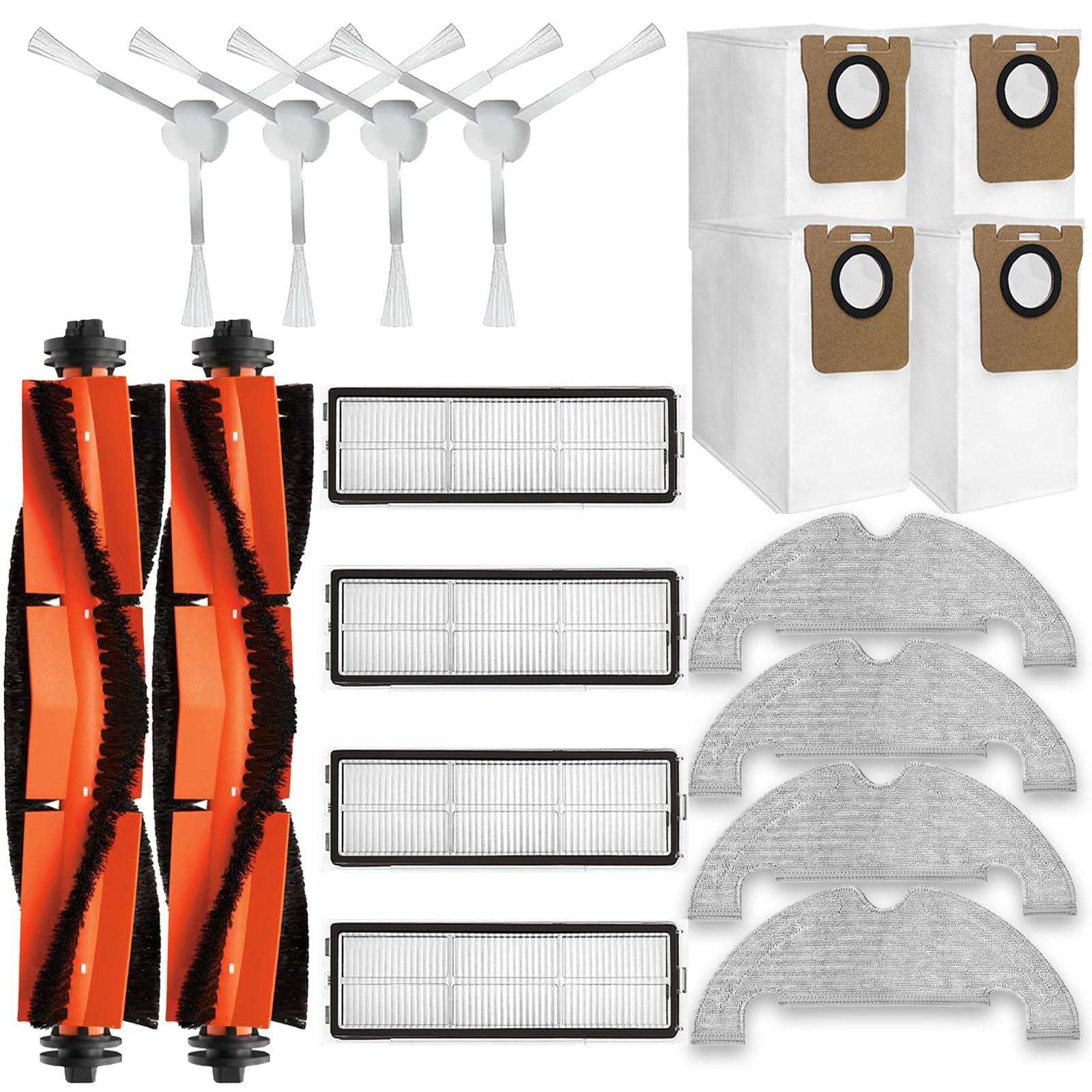
Selecting appropriate robot vacuum filters for commercial applications requires careful consideration of operational demands, environmental conditions, and maintenance requirements that differ significantly from residential settings. Commercial environments present unique challenges including higher debris volumes, extended operating hours, and diverse contaminant types that demand specialized filtration solutions. Understanding these requirements is essential for facility managers and cleaning professionals who need reliable automated cleaning systems that maintain consistent performance while minimizing operational disruptions.
The selection process involves evaluating multiple technical factors that directly impact cleaning effectiveness and operational costs. Commercial robot vacuum filters must handle substantially higher particle loads while maintaining airflow efficiency and extending service intervals. Poor filter selection can result in reduced suction power, frequent maintenance requirements, and premature equipment failure, ultimately increasing total cost of ownership. This comprehensive evaluation framework helps decision-makers identify filtration solutions that align with specific commercial cleaning requirements and operational constraints.
Understanding Commercial Filtration Requirements
High-Volume Particle Capture Needs
Commercial environments generate significantly more debris than residential spaces, requiring robot vacuum filters with enhanced particle retention capacity. Office buildings, retail stores, and hospitality venues accumulate diverse contaminants including paper fibers, textile particles, food remnants, and outdoor pollutants tracked in by high foot traffic. These filters must efficiently capture particles ranging from large debris to fine dust while maintaining consistent airflow throughout extended cleaning cycles.
The particle load in commercial settings can be three to five times higher than residential applications, demanding filters with greater surface area and improved structural integrity. Standard residential filters quickly become saturated in commercial environments, leading to reduced cleaning performance and frequent replacement cycles. Professional-grade robot vacuum filters incorporate multi-layered construction and higher-capacity media to handle these demanding conditions while maintaining optimal suction power throughout the cleaning process.
Extended Operating Duration Compatibility
Commercial robot vacuums typically operate for longer periods than residential units, often running multiple cleaning cycles throughout a business day. This extended operation places additional stress on filtration components, requiring robust construction that withstands continuous airflow and vibration without degradation. Robot vacuum filters designed for commercial use feature reinforced sealing systems and durable media that maintain structural integrity during prolonged operation.
The thermal stress from extended operation also affects filter performance, as continuous motor operation generates heat that can compromise filter materials. Commercial-grade filters utilize heat-resistant materials and improved airflow designs that dissipate thermal buildup while maintaining consistent filtration efficiency. This thermal stability ensures reliable performance during peak operating periods when cleaning demands are highest.
Chemical Resistance and Durability
Commercial cleaning environments often involve exposure to various chemicals, cleaning solutions, and environmental contaminants that can degrade standard filter materials. Robot vacuum filters in these applications must resist chemical breakdown while maintaining filtration effectiveness. The filter media and sealing components require chemical resistance to prevent degradation that could compromise air quality and cleaning performance.
Durability extends beyond chemical resistance to include physical robustness that withstands the rigors of commercial cleaning operations. These filters encounter more aggressive debris, higher impact forces, and frequent handling during maintenance procedures. Commercial applications require filters with reinforced construction that prevents tearing, maintains seal integrity, and resists deformation under varying pressure conditions.
Environmental Factor Assessment
Air Quality and Allergen Considerations
Commercial spaces must maintain acceptable indoor air quality standards, making filtration efficiency a critical selection criterion for robot vacuum filters. Offices, healthcare facilities, and educational institutions require filters capable of capturing allergens, fine particulates, and potential pathogens that could affect occupant health. HEPA-grade filtration becomes particularly important in sensitive environments where air quality directly impacts productivity and well-being.
The filtration requirements vary significantly based on occupancy patterns and sensitivity levels within different commercial spaces. Food service areas require filters that effectively capture grease particles and organic matter, while medical facilities need filtration systems that minimize cross-contamination risks. Understanding these specific environmental requirements helps identify robot vacuum filters with appropriate efficiency ratings and specialized capabilities for each application type.
Humidity and Temperature Variations
Commercial buildings experience greater temperature and humidity fluctuations than residential environments, affecting filter performance and longevity. Robot vacuum filters must maintain effectiveness across varying environmental conditions without compromising structural integrity or filtration capacity. High humidity environments can promote microbial growth within filter media, requiring antimicrobial treatments or moisture-resistant materials.
Temperature variations affect filter media expansion and contraction, potentially creating gaps that reduce filtration efficiency. Commercial applications require filters designed with thermal compensation features that maintain proper sealing across temperature ranges. This environmental stability ensures consistent cleaning performance regardless of seasonal variations or HVAC system fluctuations that commonly occur in commercial buildings.
Contaminant Type Analysis
Different commercial environments generate specific types of contaminants that influence filter selection requirements. Manufacturing facilities may produce metal particles or chemical residues, while retail environments typically generate textile fibers and packaging materials. Understanding the predominant contaminant types helps identify robot vacuum filters with media specifications optimized for effective capture and retention.
The particle size distribution in commercial environments often differs from residential settings, requiring filters with appropriate pore size gradation and multi-stage filtration capabilities. Fine particles from paper processing, construction activities, or industrial processes demand filters with enhanced sub-micron capture efficiency. Conversely, environments with predominantly larger debris benefit from filters with increased capacity and reduced pressure drop characteristics.
Performance and Efficiency Criteria
Airflow Maintenance Capabilities
Maintaining consistent airflow is crucial for commercial robot vacuum performance, as reduced suction directly impacts cleaning effectiveness and operational efficiency. Robot vacuum filters must balance particle capture with minimal pressure drop to preserve motor performance and battery life. Commercial applications require filters that maintain airflow characteristics even as particle loading increases throughout the cleaning cycle.
The filter design significantly influences airflow dynamics, with pleated configurations and optimized media density providing superior performance compared to flat filters. Commercial-grade robot vacuum filters incorporate advanced pleating patterns and gradient density media that maximize surface area while minimizing resistance. This design approach ensures sustained cleaning power throughout extended operating periods typical of commercial applications.
Pressure drop characteristics become particularly important when robot vacuums operate in challenging environments with high debris loads. Filters with excessive resistance force the motor to work harder, reducing battery life and potentially causing overheating. Professional-grade robot vacuum filters feature optimized airflow designs that balance capture efficiency with operational sustainability.
Particle Retention and Release Prevention
Effective particle retention prevents contaminated debris from being redistributed during cleaning operations, which is particularly important in commercial environments where air quality standards must be maintained. Robot vacuum filters require secure particle retention that prevents release even during high-vibration conditions or sudden pressure changes that can occur during operation.
The filter construction must prevent particle penetration and bypass while maintaining structural integrity under varying operating conditions. Commercial applications often involve impacts, sudden direction changes, and variable suction levels that can compromise inferior filter designs. High-quality filters incorporate multiple retention mechanisms including electrostatic capture, mechanical filtration, and secure sealing that prevent particle escape.
Capacity and Service Life Optimization
Commercial robot vacuum filters must provide extended service life to minimize maintenance requirements and operational disruptions. The filter capacity directly affects replacement frequency, with higher-capacity filters reducing labor costs and ensuring consistent cleaning performance between service intervals. This capacity optimization is particularly important in commercial settings where maintenance access may be limited during business hours.
Service life depends on both filter capacity and the degradation rate of filter materials under commercial operating conditions. Robot vacuum filters designed for commercial use incorporate durable media that resists compaction and maintains porosity throughout the service cycle. Advanced filter designs utilize progressive density gradation that extends useful life while maintaining efficiency standards required for commercial applications.
Maintenance and Operational Considerations
Replacement Schedule Optimization
Developing an appropriate replacement schedule for robot vacuum filters in commercial applications requires balancing cleaning performance with maintenance costs and operational convenience. Commercial environments typically require more frequent filter changes due to higher debris loads, but the exact schedule depends on specific usage patterns, environmental conditions, and filter capacity. Monitoring filter condition through performance indicators helps optimize replacement timing.
Visual inspection methods and performance monitoring systems help determine optimal replacement intervals for commercial robot vacuum filters. Signs of filter saturation include reduced suction power, increased operating noise, and visible debris accumulation. Establishing standardized inspection procedures ensures timely replacement while avoiding premature changes that increase operational costs without providing performance benefits.
Installation and Compatibility Requirements
Proper installation and compatibility verification are essential for optimal performance of robot vacuum filters in commercial applications. Filter dimensions, sealing mechanisms, and mounting systems must precisely match the vacuum unit specifications to prevent bypass and ensure effective filtration. Incompatible filters can create gaps that compromise cleaning performance and potentially damage the vacuum system.
Commercial cleaning operations benefit from standardized filter systems that simplify inventory management and reduce installation errors. Robot vacuum filters with universal mounting systems and clear compatibility markings streamline maintenance procedures and reduce the risk of incorrect installation. Training cleaning staff on proper installation techniques ensures consistent performance and prevents filter damage during replacement procedures.
Cost-Effectiveness Analysis
Evaluating the total cost of ownership for robot vacuum filters involves considering initial purchase price, replacement frequency, labor costs, and performance impact on cleaning effectiveness. Higher-quality filters may have increased upfront costs but often provide better value through extended service life, improved performance, and reduced maintenance requirements. This cost-effectiveness analysis helps justify investment in premium filtration solutions for commercial applications.
Operational cost considerations extend beyond filter replacement to include energy consumption, equipment longevity, and cleaning performance impacts. Robot vacuum filters that maintain efficient airflow reduce motor strain and extend equipment life while ensuring consistent cleaning results. The indirect cost savings from improved reliability and reduced downtime often justify the investment in high-quality commercial-grade filters.
FAQ
How often should robot vacuum filters be replaced in commercial settings?
Robot vacuum filters in commercial applications typically require replacement every 2-4 weeks depending on usage intensity, debris load, and environmental conditions. High-traffic areas with significant debris accumulation may need weekly replacements, while lighter-duty applications can extend to monthly intervals. Monitor vacuum performance indicators such as suction power and operating noise to determine optimal replacement timing for specific environments.
What filtration efficiency rating is recommended for commercial robot vacuums?
Commercial robot vacuum filters should meet MERV 11-13 ratings for general applications, with HEPA-grade filtration (MERV 17+) recommended for sensitive environments such as healthcare facilities, laboratories, or areas with specific air quality requirements. The efficiency rating should balance particle capture performance with airflow maintenance to ensure effective cleaning without compromising vacuum performance.
Can standard residential robot vacuum filters be used in commercial applications?
Residential robot vacuum filters are not recommended for commercial use due to insufficient capacity, reduced durability, and inability to handle high debris loads typical in commercial environments. Commercial applications require filters specifically designed for extended operation, higher particle loads, and environmental stresses that exceed residential specifications. Using residential filters in commercial settings results in frequent replacements and compromised cleaning performance.
What are the signs that robot vacuum filters need immediate replacement?
Immediate filter replacement indicators include noticeable reduction in suction power, increased operating noise, visible debris escaping from the vacuum, unusual odors during operation, and reduced battery life. Additionally, if filters appear visibly saturated, torn, or deformed, replacement should occur immediately to prevent equipment damage and maintain cleaning effectiveness in commercial environments.
Table of Contents
- Understanding Commercial Filtration Requirements
- Environmental Factor Assessment
- Performance and Efficiency Criteria
- Maintenance and Operational Considerations
-
FAQ
- How often should robot vacuum filters be replaced in commercial settings?
- What filtration efficiency rating is recommended for commercial robot vacuums?
- Can standard residential robot vacuum filters be used in commercial applications?
- What are the signs that robot vacuum filters need immediate replacement?