
 EN
EN
Maintaining robot vacuum replacement parts properly can significantly extend their lifespan and ensure your automated cleaning device operates at peak efficiency for years. Most homeowners invest in robotic cleaning technology expecting convenience and longevity, yet many overlook the critical importance of regular maintenance for components like brushes, filters, and sensors that directly impact performance and durability.
Understanding the proper maintenance techniques for each type of replacement component enables you to maximize your return on investment while maintaining consistent cleaning quality throughout your home. This comprehensive approach to caring for robot vacuum replacement parts involves systematic cleaning schedules, proper storage methods, and proactive replacement strategies that prevent costly repairs and extend overall device functionality.
Essential Cleaning Techniques for Maximum Component Longevity
Daily and Weekly Maintenance Routines
Establishing consistent daily maintenance habits forms the foundation of effective robot vacuum replacement parts care. After each cleaning cycle, inspect the main brush assembly for tangled hair, pet fur, or debris that could cause premature wear. Remove any visible obstructions immediately using the provided cleaning tool or a pair of scissors to cut away stubborn tangles.
Weekly deep cleaning sessions should focus on thoroughly washing removable components with warm water and mild detergent. Allow all robot vacuum replacement parts to air dry completely before reassembly, as moisture trapped within mechanical components can lead to corrosion and electrical damage. Pay particular attention to brush bearings and motor connections during this process.
The frequency of maintenance directly correlates with usage patterns and environmental conditions in your home. High-traffic households with multiple pets may require more frequent attention to maintain optimal performance from their robot vacuum replacement parts.
Proper Disassembly and Cleaning Methods
Learning correct disassembly techniques prevents accidental damage to delicate components during maintenance procedures. Always power down your device completely and disconnect from charging stations before removing any robot vacuum replacement parts for cleaning or inspection.
Use appropriate cleaning solutions that won't degrade plastic components or compromise rubber seals. Avoid harsh chemicals, bleach, or abrasive cleaners that can weaken material integrity over time. Instead, opt for gentle dish soap or specialized cleaning products designed specifically for robotic vacuum components.
Document your disassembly process with photos or notes to ensure proper reassembly sequence. Incorrectly installed robot vacuum replacement parts can cause operational issues and accelerate component wear through improper alignment or excessive friction.
Filter System Maintenance and Optimization Strategies
Understanding Filter Types and Replacement Schedules
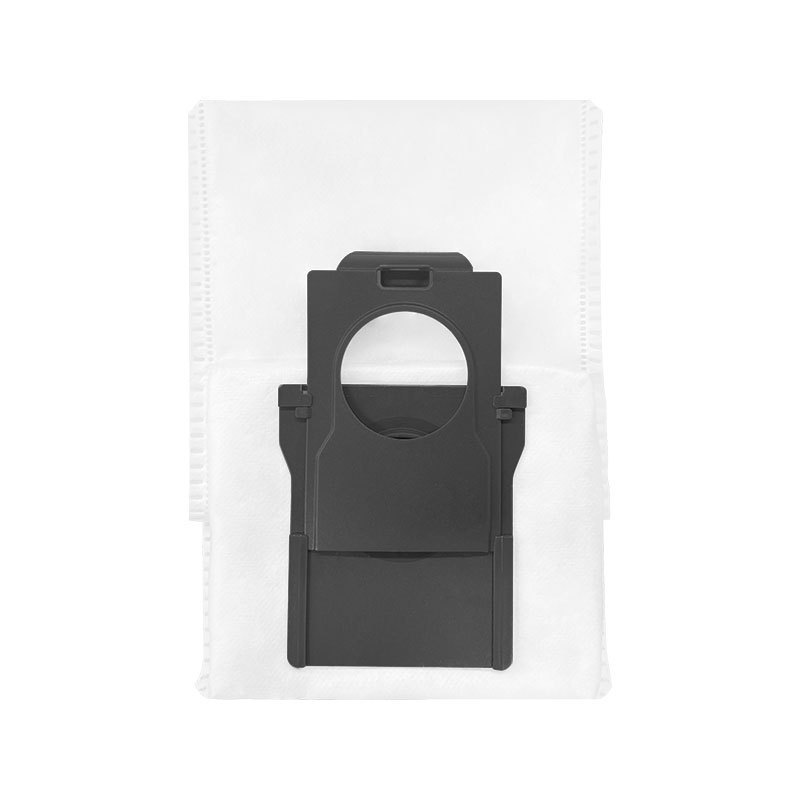
Different filter technologies require distinct maintenance approaches to maximize their effectiveness and durability. HEPA filters typically need replacement every 6-12 months depending on usage frequency and air quality conditions in your home. Standard foam or fabric filters can often be washed and reused multiple times before requiring replacement.
Monitor filter condition through visual inspection and performance indicators rather than relying solely on manufacturer recommendations. Discolored, torn, or permanently deformed filters should be replaced immediately regardless of their theoretical remaining lifespan. Quality robot vacuum replacement parts maintain their structural integrity throughout their usable life.
Keep spare filters in rotation to ensure continuous operation while cleaned components dry completely. This approach prevents the temptation to reinstall damp filters, which can lead to mold growth and reduced filtration efficiency.
Cleaning and Storage Best Practices
Proper filter cleaning techniques vary by material composition but generally involve gentle rinsing with cool water and thorough air drying. Never use compressed air or high-pressure water streams that could damage delicate filter media or force debris deeper into the material structure.
Store clean, dry robot vacuum replacement parts in dust-free environments away from direct sunlight and extreme temperatures. Original packaging often provides optimal protection during storage periods. Avoid storing filters in sealed plastic bags where residual moisture could promote bacterial or fungal growth.
Label stored components with installation dates and maintenance records to track performance patterns and optimize replacement schedules. This systematic approach helps identify which robot vacuum replacement parts consistently outperform expectations and which may need more frequent attention.
Brush Assembly Care and Maintenance Protocols
Main Brush and Side Brush Maintenance
Main brush assemblies experience the highest wear rates due to constant contact with flooring surfaces and debris. Regular inspection should focus on bristle condition, bearing wear, and motor housing integrity. Replace brushes when bristles become significantly shorter, bent, or missing in large sections.
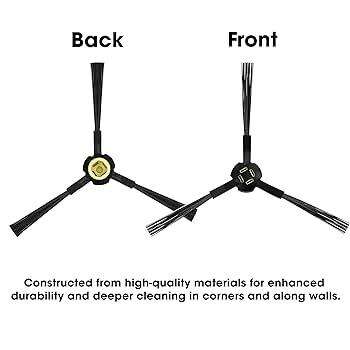
Side brushes require frequent cleaning to remove wrapped hair and fabric threads that can imbalance rotation and stress motor components. Use scissors to carefully cut away tangles, working from the base of the brush toward the tips to avoid pulling bristles loose from their mounting points.
Lubrication of brush bearings should only be performed using manufacturer-specified products, as incorrect lubricants can attract dirt or cause seal degradation. Many modern robot vacuum replacement parts feature sealed bearings that don't require user maintenance, but older models may benefit from occasional lubrication.
Motor and Drive Component Protection
Protecting brush motors from debris ingestion and moisture exposure significantly extends their operational life. Ensure all seals remain intact and replace any damaged gaskets immediately to prevent contamination of internal components.
Monitor brush motor performance through sound and vibration patterns during operation. Unusual noises, excessive vibration, or decreased brush speed often indicate impending failure of robot vacuum replacement parts within the drive assembly.
Clean brush chambers thoroughly after each use to prevent debris accumulation that could interfere with proper brush operation. Pay special attention to hair and thread removal, as these materials can wind around drive shafts and cause mechanical binding.
Sensor Maintenance and Calibration Procedures
Optical and Infrared Sensor Care
Navigation sensors require regular cleaning to maintain accurate environmental detection and mapping capabilities. Use soft, lint-free cloths dampened with isopropyl alcohol to clean sensor lenses and housings without scratching delicate optical surfaces.
Avoid touching sensor lenses directly with fingers, as oils and residues can interfere with light transmission and reception. Schedule sensor cleaning as part of your regular robot vacuum replacement parts maintenance routine to prevent gradual performance degradation.
Test sensor functionality after cleaning by observing navigation behavior during test runs. Sensors that fail to detect obstacles or boundaries may require professional recalibration or replacement.
Cliff Detection and Proximity Sensors
Cliff detection sensors prevent costly falls and device damage, making their proper maintenance critical for safe operation. Clean these sensors weekly with dry cotton swabs to remove dust and debris that could cause false readings or sensor failure.
Verify cliff sensor operation by testing near safe elevated surfaces like furniture or carpeted steps. Properly functioning sensors should trigger avoidance behaviors before the robot reaches dangerous drop-offs.
Replace malfunctioning proximity sensors immediately, as they're essential safety components that protect both your robot vacuum replacement parts and your home furnishings from collision damage.
Storage and Environmental Considerations
Optimal Storage Conditions for Replacement Parts
Proper storage environments significantly impact the longevity of unused robot vacuum replacement parts. Maintain storage temperatures between 60-75°F with relative humidity levels below 50% to prevent material degradation and component corrosion.
Organize replacement components in clearly labeled containers or drawers to prevent damage during handling and retrieval. Avoid stacking heavy items on top of delicate filters or sensors that could become compressed or deformed.
Rotate stock using first-in-first-out principles to ensure older robot vacuum replacement parts get used before their optimal performance window expires. Even unused components can degrade over time when exposed to environmental stresses.
Environmental Factors Affecting Component Lifespan
High-humidity environments accelerate corrosion of metal components and promote bacterial growth on organic materials. Use dehumidifiers or climate control systems in storage areas to maintain optimal conditions for robot vacuum replacement parts preservation.
Protect stored components from direct sunlight, which can degrade plastic materials and cause rubber seals to become brittle over time. UV exposure particularly affects the performance characteristics of synthetic brush bristles and filter media.
Consider seasonal storage needs, as extreme temperature fluctuations can cause expansion and contraction cycles that stress component materials and reduce their effective lifespan.
FAQ
How often should I replace robot vacuum replacement parts?
Replacement frequency depends on usage patterns and environmental conditions. Main brushes typically last 6-12 months with regular cleaning, while filters need replacement every 3-6 months. Side brushes may require replacement every 3-4 months in high-debris environments. Monitor component condition rather than following fixed schedules, as proper maintenance can significantly extend useful life.
Can I wash all robot vacuum replacement parts with water?
Not all components are water-safe. Filters and some brush assemblies can be washed with mild soap and water, but electronic sensors and motor assemblies should never be submerged. Always consult your user manual for specific cleaning instructions, and ensure components are completely dry before reinstallation to prevent electrical damage or corrosion.
What signs indicate that robot vacuum replacement parts need immediate replacement?
Replace parts immediately if you notice excessive wear, damage, or performance degradation. Warning signs include bent or missing brush bristles, torn or discolored filters, cracked plastic housings, unusual noises during operation, reduced suction power, or navigation errors. Continuing to use damaged robot vacuum replacement parts can lead to more extensive and costly repairs.
Is it worth buying premium robot vacuum replacement parts over standard options?
Premium components often feature enhanced materials and construction that provide better durability and performance. While initial costs are higher, quality robot vacuum replacement parts typically offer better value through extended lifespan, improved cleaning effectiveness, and reduced maintenance requirements. Consider your usage patterns and budget when choosing between standard and premium options.