 EN
EN
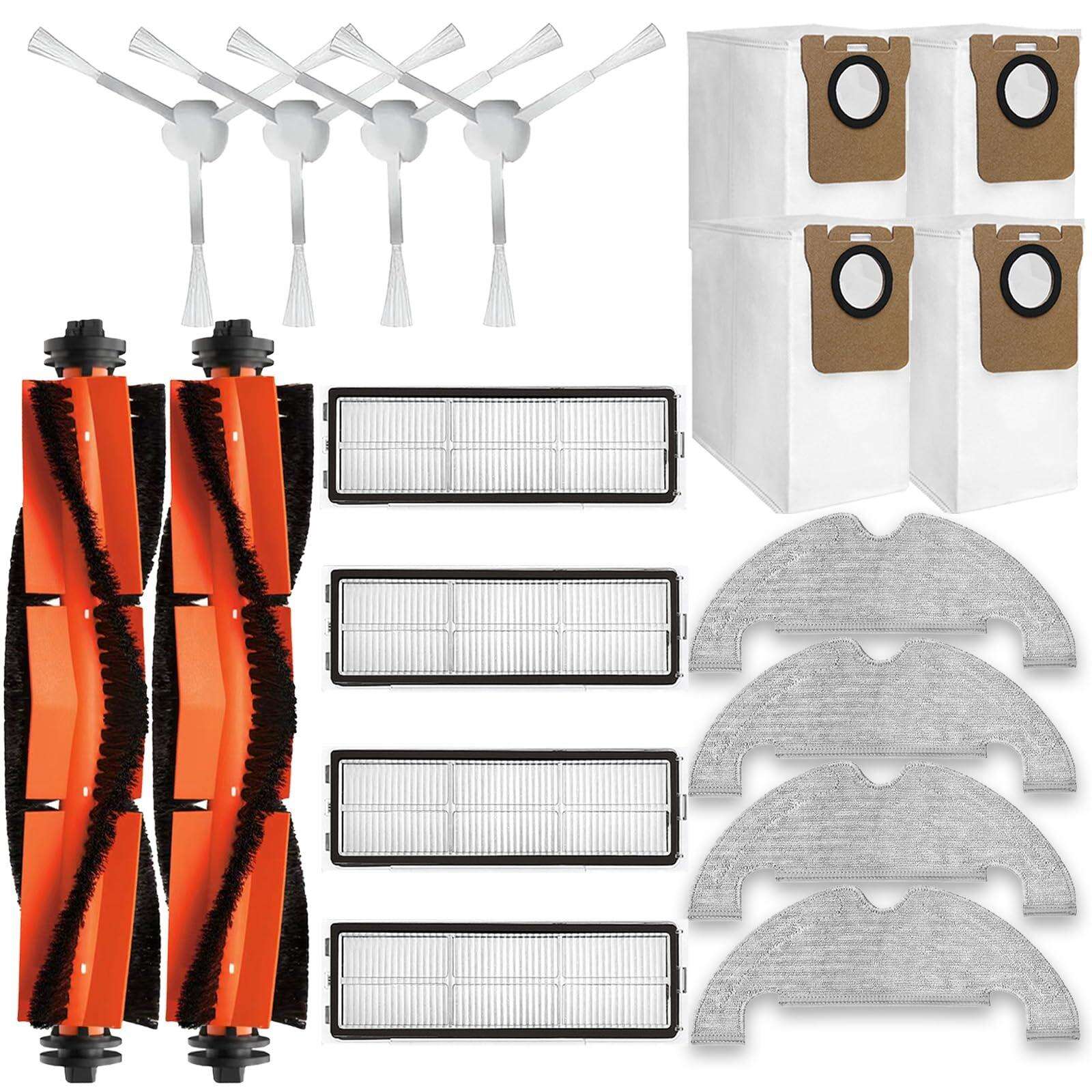
The global market for vacuum replacement parts has experienced significant growth as consumers and businesses increasingly prioritize equipment longevity and cost-effective maintenance strategies. Understanding how to source high-quality vacuum replacement parts effectively can dramatically extend the operational lifespan of cleaning equipment while maintaining optimal performance standards. Whether managing commercial facilities, residential properties, or industrial environments, the strategic procurement of compatible components requires careful consideration of supplier reliability, part authenticity, and application-specific requirements that align with diverse market demands.
Understanding Market-Specific Requirements for Vacuum Components
Commercial Application Demands
Commercial environments present unique challenges that significantly influence vacuum replacement parts selection criteria. High-traffic areas such as office buildings, retail spaces, and hospitality venues require components engineered for intensive daily use and extended operational cycles. Filtration systems in commercial settings must handle diverse debris types while maintaining consistent suction performance throughout extended cleaning sessions. The procurement strategy for these environments typically emphasizes durability, rapid availability, and standardized compatibility across multiple equipment units to streamline maintenance protocols.
Professional cleaning services operating in commercial markets often require bulk purchasing arrangements for commonly replaced components such as filters, brushes, and collection bags. These organizations benefit from establishing relationships with suppliers who can provide guaranteed stock availability and technical support for complex installations. The cost-per-use calculations become particularly important in commercial applications where equipment downtime directly impacts service delivery and client satisfaction levels.
Industrial Environment Considerations
Industrial vacuum applications demand specialized components capable of withstanding harsh operating conditions and handling hazardous materials safely. Manufacturing facilities, construction sites, and processing plants require vacuum replacement parts that meet stringent safety standards while delivering consistent performance under extreme conditions. These environments often involve exposure to chemicals, fine particulates, and abrasive materials that can accelerate component wear and necessitate more frequent replacement cycles.
The sourcing strategy for industrial applications must prioritize compliance with occupational safety regulations and industry-specific standards. Components such as HEPA filters, explosion-proof motors, and chemical-resistant seals require certification documentation and traceability throughout the supply chain. Industrial buyers typically establish long-term partnerships with specialized suppliers who understand regulatory requirements and can provide technical documentation supporting compliance audits and safety inspections.
Strategic Supplier Evaluation and Selection Processes
Assessing Supplier Reliability and Capabilities
Effective supplier evaluation begins with comprehensive assessment of manufacturing capabilities, quality control processes, and distribution networks that support consistent delivery of vacuum replacement parts. Reliable suppliers demonstrate transparency in their production methods, maintain certifications from recognized quality organizations, and provide detailed specifications for all components. The evaluation process should include facility audits, quality system reviews, and performance history analysis to ensure alignment with operational requirements and timeline expectations.
Geographic proximity and logistics capabilities play crucial roles in supplier selection, particularly for organizations requiring rapid response times for critical component failures. Suppliers with strategically located warehouses and established shipping partnerships can significantly reduce procurement lead times and minimize equipment downtime. The ability to provide emergency delivery services and maintain adequate safety stock levels becomes essential for businesses operating in time-sensitive environments where vacuum system failures can disrupt critical operations.
Quality Assurance and Certification Standards
Quality assurance protocols for vacuum replacement parts must encompass both manufacturing standards and performance verification testing to ensure compatibility and reliability. Reputable suppliers implement rigorous testing procedures that validate dimensional accuracy, material composition, and functional performance under simulated operating conditions. Certification documentation should include compliance with relevant industry standards such as ISO quality management systems, electrical safety certifications, and environmental compliance declarations.
The verification process extends beyond initial supplier qualification to include ongoing performance monitoring and quality feedback systems. Establishing clear quality metrics and regular review processes helps maintain consistent component quality while identifying potential issues before they impact equipment performance. Suppliers who demonstrate commitment to continuous improvement and responsive customer service typically provide the most reliable long-term partnerships for vacuum replacement parts procurement across diverse market applications.
Cost Optimization Strategies Across Different Market Segments
Volume Purchasing and Contract Negotiations
Strategic volume purchasing arrangements can significantly reduce the total cost of ownership for vacuum replacement parts while ensuring consistent supply availability. Organizations managing multiple facilities or equipment fleets benefit from consolidating procurement activities to leverage purchasing power and negotiate favorable pricing structures. Contract negotiations should address pricing stability, volume discounts, and performance guarantees that align with operational requirements and budget constraints.
Long-term supply agreements provide mutual benefits by offering suppliers predictable demand forecasts while guaranteeing buyers access to components at predetermined prices. These arrangements typically include provisions for annual price adjustments, quality performance metrics, and supply chain flexibility to accommodate changing operational requirements. Effective contract structures also establish clear communication protocols and dispute resolution procedures that protect both parties' interests throughout the agreement duration.
Multi-tier pricing structures allow organizations to optimize procurement costs based on usage patterns and seasonal demand fluctuations. Suppliers often provide additional discounts for early payment terms, consolidated shipping arrangements, and standardized product specifications that reduce handling complexity. The negotiation process should also address warranty terms, return policies, and technical support services that add value beyond the basic component cost.
Total Cost of Ownership Analysis
Comprehensive cost analysis extends beyond initial purchase prices to encompass installation expenses, maintenance requirements, and performance impact on overall system efficiency. High-quality vacuum replacement parts may command premium prices but often deliver superior longevity and performance characteristics that reduce long-term operational costs. The analysis should consider factors such as replacement frequency, labor costs for installation and maintenance, and potential productivity losses associated with equipment failures or reduced performance.
Energy efficiency improvements achieved through upgraded components can generate substantial operational savings over the equipment lifespan. Advanced filtration systems and optimized airflow components often reduce power consumption while maintaining or improving cleaning performance. The cost-benefit analysis should quantify these operational improvements alongside component costs to provide accurate total cost of ownership calculations that support informed procurement decisions.
Technology Integration and Compatibility Management
Cross-Platform Compatibility Solutions
Modern vacuum systems often incorporate components from multiple manufacturers, creating compatibility challenges that require careful coordination during the sourcing process. Cross-platform compatibility solutions enable organizations to standardize maintenance procedures while maintaining flexibility in supplier relationships and component selection. These approaches typically involve identifying universal components that meet multiple equipment specifications or developing adapter systems that enable broader compatibility ranges.
Compatibility databases and reference systems help procurement professionals identify suitable alternatives when original equipment manufacturer components are unavailable or cost-prohibitive. Third-party manufacturers often produce high-quality alternatives that meet or exceed original specifications while offering improved availability and competitive pricing. The evaluation process for alternative components should include thorough testing and validation to ensure performance compatibility and warranty compliance.
Digital Integration and Smart Component Features
Advanced vacuum replacement parts increasingly incorporate digital monitoring capabilities and smart features that enhance operational efficiency and maintenance planning. Sensors embedded in filters and collection systems can provide real-time performance data and predictive maintenance alerts that optimize replacement timing and reduce unexpected failures. These technologies enable proactive maintenance strategies that extend component life while maintaining peak system performance.
Integration with building management systems and maintenance software platforms allows automated tracking of component performance and replacement schedules. Digital integration capabilities should be evaluated alongside traditional performance criteria when selecting suppliers and components for technology-forward applications. The investment in smart components often generates long-term operational benefits through improved maintenance efficiency and reduced labor costs for routine inspections and replacements.
Supply Chain Risk Management and Continuity Planning
Diversified Sourcing Strategies
Supply chain resilience requires diversified sourcing strategies that reduce dependence on single suppliers or geographic regions for critical vacuum replacement parts. Organizations operating across multiple markets benefit from establishing relationships with primary and secondary suppliers who can provide comparable components and maintain adequate inventory levels. This approach provides flexibility to respond to supply disruptions, price fluctuations, and quality issues while maintaining operational continuity.
Regional supplier networks offer advantages in terms of shipping costs, delivery times, and regulatory compliance while reducing exposure to international trade disruptions and currency fluctuations. The diversification strategy should balance cost optimization with risk mitigation by maintaining appropriate supplier relationships across different geographic regions and market segments. Regular supplier performance reviews and contingency planning exercises help maintain effective backup sourcing capabilities.
Inventory Management and Strategic Stockpiling
Strategic inventory management balances carrying costs with service level requirements to ensure adequate availability of critical vacuum replacement parts without excessive capital investment. Organizations must identify critical components that require higher stock levels based on failure frequency, lead times, and operational impact. The inventory strategy should consider seasonal demand patterns, equipment age profiles, and planned maintenance schedules to optimize stock levels and purchasing timing.
Collaborative inventory management programs with key suppliers can reduce total inventory investment while maintaining service levels through vendor-managed inventory arrangements or consignment programs. These partnerships leverage supplier expertise in demand forecasting and inventory optimization while providing guaranteed availability for critical components. The collaborative approach often includes shared visibility into usage patterns and forward-looking maintenance schedules that enable more accurate inventory planning.
FAQ
How can I determine the authenticity of vacuum replacement parts from third-party suppliers
Authentic vacuum replacement parts can be verified through several key indicators including proper packaging with manufacturer logos and part numbers, certification marks from recognized testing organizations, and documentation that includes warranty information and installation instructions. Reputable third-party suppliers provide detailed specifications that match original equipment manufacturer standards and offer return policies that demonstrate confidence in their products. Additionally, authentic components typically exhibit consistent build quality, proper material composition, and dimensional accuracy that ensures proper fit and function within the vacuum system.
What factors should influence the timing of vacuum replacement parts procurement
Optimal procurement timing depends on several critical factors including historical usage patterns, seasonal demand fluctuations, supplier lead times, and equipment maintenance schedules. Organizations should establish reorder points based on average consumption rates and safety stock requirements while considering longer lead times for specialized or imported components. Seasonal factors such as increased cleaning demands during specific periods or supplier production schedules can significantly impact availability and pricing, making advanced planning essential for cost-effective procurement strategies.
How do I evaluate the cost-effectiveness of premium versus standard vacuum replacement parts
Cost-effectiveness analysis should encompass initial purchase price, expected service life, performance characteristics, and impact on overall system efficiency to determine true value. Premium components often provide extended service intervals, improved filtration efficiency, and enhanced durability that can reduce total cost of ownership despite higher upfront costs. The evaluation should quantify factors such as labor costs for replacement procedures, energy consumption differences, and potential productivity improvements to create comprehensive cost comparisons that support informed purchasing decisions.
What documentation should I require from vacuum replacement parts suppliers
Essential supplier documentation includes product specifications with dimensional drawings and material certifications, quality control certificates that verify manufacturing standards, and compliance documentation for relevant industry standards and safety regulations. Suppliers should also provide installation instructions, compatibility guides, and warranty terms that clearly define coverage and claim procedures. For critical applications, additional documentation such as test reports, traceability records, and supplier audit results may be necessary to ensure component reliability and regulatory compliance throughout the procurement and installation process.
Table of Contents
- Understanding Market-Specific Requirements for Vacuum Components
- Strategic Supplier Evaluation and Selection Processes
- Cost Optimization Strategies Across Different Market Segments
- Technology Integration and Compatibility Management
- Supply Chain Risk Management and Continuity Planning
-
FAQ
- How can I determine the authenticity of vacuum replacement parts from third-party suppliers
- What factors should influence the timing of vacuum replacement parts procurement
- How do I evaluate the cost-effectiveness of premium versus standard vacuum replacement parts
- What documentation should I require from vacuum replacement parts suppliers