
 EN
EN
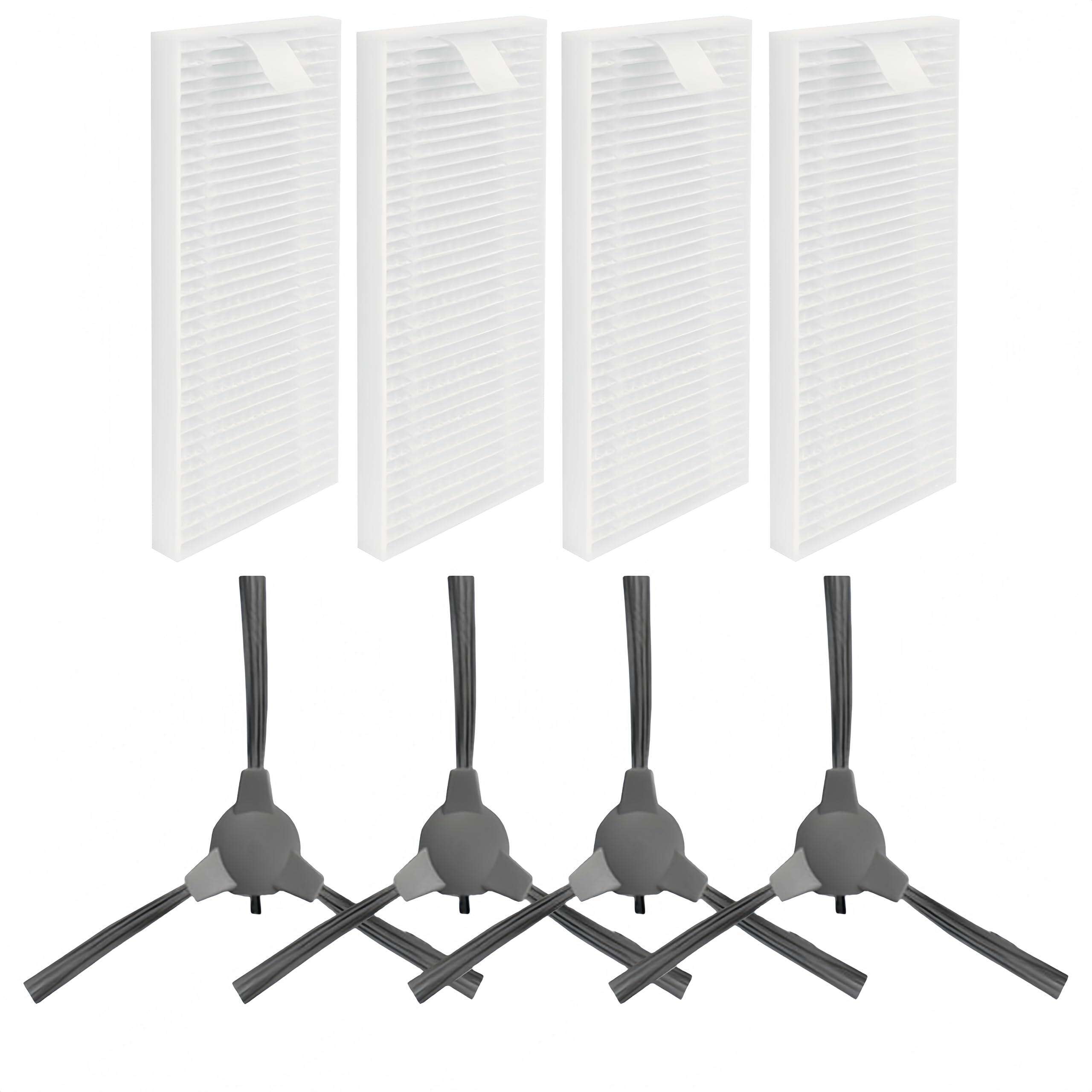
Sourcing OEM robot vacuum parts for international markets is a process that demands precision, supplier intelligence, and a clear understanding of cross-border procurement dynamics. Whether you are a distributor, a private-label brand operator, or an e-commerce retailer serving customers across Europe, North America, or Southeast Asia, the challenge is not simply finding a supplier — it is finding the right supplier who can deliver consistent quality, regulatory-compliant components, and reliable logistics at a commercially viable price point. The global demand for robot vacuum accessories continues to expand rapidly, which makes sourcing strategy a genuine competitive advantage.
The complexity of sourcing OEM robot vacuum parts internationally goes far beyond a simple transaction. Buyers must evaluate manufacturing capabilities, compatibility standards, certification requirements, minimum order quantities, lead times, and after-sales support — all while managing currency risks, import duties, and shifting consumer expectations. This guide walks you through the complete sourcing process, from defining your procurement needs to building a resilient international supply chain for OEM robot vacuum parts that supports long-term business growth.
Understanding What OEM Robot Vacuum Parts Actually Cover
The Scope of OEM Components in the Robot Vacuum Ecosystem
Before initiating any sourcing activity, it is critical to understand exactly what falls under the category of OEM robot vacuum parts. In the broadest sense, OEM parts refer to components manufactured to the original equipment manufacturer's design specifications, intended to match the exact functional and dimensional requirements of a specific robot vacuum model or product family. These are not generic aftermarket replacements — they are precision-engineered accessories built to maintain performance standards consistent with the original product design.
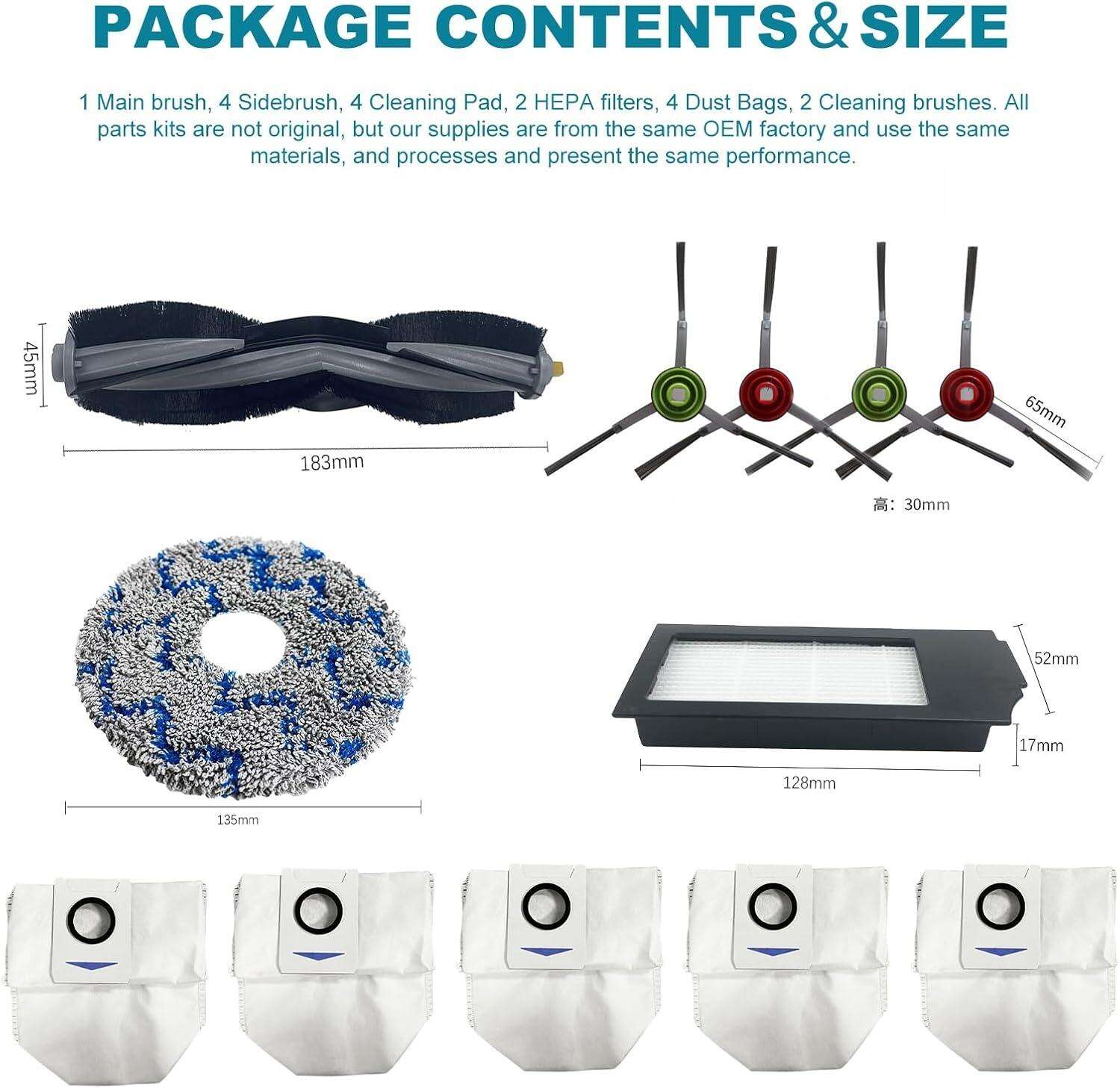
OEM robot vacuum parts typically include main brushes, side brushes, HEPA filters, dustbin assemblies, mop pads, water tanks, charging contacts, cliff sensors, drive wheels, and suction motors. Each of these components serves a specific functional role and must meet tolerances defined by the original hardware design. When you source OEM robot vacuum parts for international distribution, compatibility with target models is non-negotiable because even a minor dimensional deviation can cause product failure or consumer returns.
Understanding the breadth of OEM robot vacuum parts also helps you define your product line strategy. Some international buyers source a complete consumables kit — covering filters, brushes, and mop accessories — while others focus on high-turnover single items like side brushes or filters that require frequent replacement. Either strategy is valid, but the sourcing approach, packaging requirements, and pricing logic will differ significantly between them.
Differentiating OEM Parts from Compatible Aftermarket Alternatives
A common sourcing confusion in international markets is the distinction between true OEM robot vacuum parts and compatible aftermarket alternatives. OEM parts are produced by the original manufacturer or an authorized contract manufacturer using the original design data. Compatible parts are produced independently by third parties who reverse-engineer the specifications to create functional equivalents. Both have legitimate market roles, but they are not interchangeable from a sourcing, branding, or compliance perspective.
When positioning OEM robot vacuum parts in international markets — particularly in regulated markets like Germany, France, the UK, or the United States — buyers and distributors often find that OEM sourcing commands a price premium because it carries implicit quality assurance and liability traceability. Retailers in these markets increasingly require documented quality certification, and true OEM parts make that documentation process significantly more straightforward.
If you are building a private-label business using OEM robot vacuum parts as the manufacturing base, ensuring that your supplier has genuine OEM authorization is essential. Operating with unauthorized replicas in markets with strong intellectual property enforcement can expose your business to significant legal and reputational risk. Establishing the OEM credential of your source is therefore one of the most important due diligence steps in the international sourcing process.
Mapping the International Sourcing Process Step by Step
Defining Your Procurement Specifications Before Approaching Suppliers
Effective sourcing of OEM robot vacuum parts for international markets begins long before you contact a single supplier. You need to develop a detailed procurement specification that defines every material requirement: the exact models for which compatibility is required, the materials and performance standards expected for each part type, the annual volume forecast, the packaging format needed for retail or e-commerce channels, and the target landed cost per unit including freight and duties.
Having a clear specification document serves multiple purposes. It forces internal alignment on what you actually need, which prevents costly miscommunication with suppliers. It also creates a consistent benchmark for comparing supplier proposals, which is otherwise nearly impossible when every supplier presents their OEM robot vacuum parts using different terminology and quality claim frameworks. Buyers who approach sourcing with vague requirements tend to receive equally vague proposals and end up making decisions based on price alone — which is a poor basis for international supply chain decisions.
Your specifications should also address regulatory requirements for each target market. For example, if you are distributing OEM robot vacuum parts in the European Union, RoHS compliance and REACH chemical restrictions apply to materials used in plastic components and electronic contacts. In Australia, product safety standards may apply to electrical components. Understanding these requirements upfront allows you to filter out non-compliant suppliers early and avoid costly product recalls or customs clearance delays later.
Identifying and Qualifying International Suppliers
The global manufacturing base for OEM robot vacuum parts is concentrated in specific industrial clusters, particularly in southern China, where deep supply chains for electronics, plastics, motors, and filtration materials converge. However, concentration does not mean uniformity — quality levels, certifications, capacity, and minimum order flexibility vary enormously between suppliers operating in the same geography. Identifying the right supplier requires structured evaluation rather than simply selecting the lowest-quoted price.
Supplier qualification for OEM robot vacuum parts should involve a multi-step process. Begin with a document review: request business licenses, ISO 9001 or equivalent quality management certifications, sample testing reports, and any existing OEM authorization letters from robot vacuum brands. Follow this with a sample evaluation: order samples of each part type you intend to carry and physically test them for fit, finish, durability, and functional performance against genuine reference parts. This step is non-negotiable for any serious international buyer.
Factory audits — whether conducted in person or via third-party audit services — add another layer of assurance for high-volume international sourcing relationships. An audit validates that the manufacturing environment, quality controls, and workforce capabilities are consistent with the production standards claimed in supplier documentation. For OEM robot vacuum parts destined for premium retail markets, factory audit evidence significantly strengthens your ability to defend product quality to retail buyers, distributors, and end consumers.
Managing Compliance, Certification, and Regulatory Alignment
Understanding Certification Requirements by Target Market
One of the most frequently underestimated challenges in sourcing OEM robot vacuum parts internationally is the variation in certification requirements across target markets. A product that clears customs and complies with safety standards in one country may face significant barriers in another. Building a sourcing strategy that anticipates these differences saves time, money, and reputational exposure down the line.
For electrical components within OEM robot vacuum parts — including charging contacts, motors, and sensor modules — CE marking is required for EU market access, while FCC certification is needed for US sales, and PSE is required for the Japanese market. Filtration materials used in HEPA filters may need to meet specific air filtration efficiency testing standards. Plastic materials must comply with relevant chemical restriction directives. When sourcing OEM robot vacuum parts for multiple international markets simultaneously, you may need to work with suppliers who can support parallel certification pathways.
Buyers who are new to international sourcing sometimes assume that compliance responsibility rests entirely with the supplier. In practice, the importer of record carries significant compliance liability in most jurisdictions. This means that as the international buyer, you have an active responsibility to verify that your OEM robot vacuum parts meet the regulatory standards of each market you serve — and to document that verification thoroughly for customs, retail buyer audits, and consumer protection purposes.
Building Regulatory Documentation Into Your Sourcing Workflow
Integrating regulatory documentation requirements into your supplier onboarding process creates a scalable compliance framework for international distribution of OEM robot vacuum parts. Rather than requesting compliance documents reactively after a problem arises, build document collection checkpoints into your standard purchase order workflow. This typically means requesting a Declaration of Conformity, material safety data sheets for chemically sensitive components, and test reports from accredited third-party laboratories as part of every new product setup.
Maintaining a centralized compliance document library for your OEM robot vacuum parts portfolio allows you to respond quickly when retail partners, customs authorities, or platform compliance teams request proof of regulatory status. Large e-commerce platforms and omnichannel retailers increasingly require upfront compliance documentation before listing new accessories, particularly for products that consumers use indoors and in close proximity to children or pets. Being documentation-ready is therefore a direct commercial advantage.
Work with suppliers who demonstrate familiarity with international compliance environments and who proactively update their certifications when standards change. The regulatory landscape for OEM robot vacuum parts is not static — filtration standards, chemical restriction lists, and electrical safety requirements evolve over time, and suppliers who treat compliance as an ongoing process rather than a one-time box-ticking exercise are inherently more reliable long-term partners.
Structuring Pricing, MOQ, and Logistics for International Viability
Negotiating Pricing and Minimum Order Quantities Strategically
Pricing negotiation for OEM robot vacuum parts in international sourcing contexts involves understanding the cost structure that drives supplier pricing — materials, tooling amortization, labor, packaging, and margin — rather than simply pushing for the lowest number. Suppliers who are asked to reduce prices below a sustainable margin often respond by quietly reducing material quality or skipping quality control steps, which creates downstream problems that cost far more than the initial savings.
Minimum order quantities for OEM robot vacuum parts vary significantly depending on the component type, the supplier's production model, and your negotiated relationship tier. Consumable items like side brushes and filters typically have lower MOQs because they are high-volume, standardized products. More complex assemblies like dustbin units or motor modules may carry higher MOQs due to production setup costs. Understanding this logic helps you negotiate MOQs that are commercially viable for your market entry volume while maintaining a credible commitment to the supplier relationship.
Consider structuring pricing negotiations around annual volume commitments with tiered pricing brackets rather than purely transactional per-unit negotiations. This approach gives suppliers revenue predictability, which they typically reward with more favorable pricing, priority production scheduling, and greater flexibility on customization requests. For businesses building a systematic international distribution business around OEM robot vacuum parts, this kind of structured commercial relationship creates compounding advantages over time.
Optimizing Logistics and Lead Time Management for International Delivery
Logistics planning is a critical but often overlooked dimension of OEM robot vacuum parts sourcing for international markets. The choice between sea freight, air freight, and express courier depends on order volume, urgency, product weight and dimensions, and the cost structure of your target market. Sea freight is economically efficient for large consolidated shipments but introduces lead times of four to eight weeks depending on routing, which requires careful inventory planning to avoid stockouts during peak demand periods.
Air freight offers significantly faster delivery for OEM robot vacuum parts but at a cost premium that may not be sustainable for high-volume consumables. A common approach for experienced international buyers is to use sea freight as the primary replenishment channel while maintaining a small air freight budget for emergency restocks or new product launches. This hybrid logistics model balances cost efficiency with supply chain responsiveness.
Lead time management becomes particularly important when your OEM robot vacuum parts portfolio includes products with seasonal demand peaks — for example, increased robot vacuum accessory sales during back-to-school periods or end-of-year promotional seasons in Western markets. Building safety stock policies based on historical demand patterns and supplier lead time data ensures that your logistics model supports commercial objectives rather than constraining them.
Building Long-Term OEM Sourcing Relationships That Scale
Transitioning from Transactional Buying to Strategic Partnership
Businesses that treat OEM robot vacuum parts sourcing as a purely transactional activity — buying opportunistically at the lowest available price — typically experience inconsistent quality, unreliable supply, and difficulty scaling. The more commercially effective approach is to identify two or three core suppliers with whom you can build structured, long-term partnerships characterized by mutual investment, transparent communication, and shared business planning.
Strategic supplier relationships for OEM robot vacuum parts typically involve shared product development discussions, where you communicate upcoming model expansion plans and the supplier prepares tooling and material sourcing in advance. They also involve joint problem-solving when quality issues arise, rather than immediate supplier termination. This collaborative model produces better outcomes because suppliers who trust the long-term relationship are more willing to invest in quality systems, capacity, and customization that serves your specific business needs.
Regular supplier performance reviews — covering quality defect rates, on-time delivery performance, responsiveness, and compliance document maintenance — create accountability and a structured basis for relationship management. Well-managed strategic sourcing relationships for OEM robot vacuum parts become a genuine competitive moat: they give you access to better pricing, earlier access to new component innovations, and greater supply resilience than competitors who source opportunistically.
Scaling Your OEM Parts Portfolio Across Multiple Robot Vacuum Models
Once you have established reliable sourcing processes and supplier relationships for a core range of OEM robot vacuum parts, scaling your portfolio across additional robot vacuum models becomes significantly more efficient. Suppliers who already understand your quality standards, documentation requirements, and packaging specifications can onboard new SKUs much faster than suppliers being engaged for the first time. This is one of the compounding advantages of building concentrated rather than fragmented supplier relationships.
Model compatibility mapping is an important capability to develop as you scale your OEM robot vacuum parts portfolio. Many components — particularly side brushes, HEPA filters, and mop pads — are compatible across multiple robot vacuum models from the same manufacturer family. Identifying these cross-compatibility patterns allows you to rationalize your SKU count while broadening the model coverage your portfolio supports. This reduces inventory complexity and increases the commercial leverage of each SKU you carry.
Expanding into new international markets with an existing OEM robot vacuum parts portfolio is also more straightforward when you have established sourcing infrastructure. Compliance documentation, quality test data, and supplier relationships are assets that transfer across market entry efforts. Businesses that invest in building rigorous sourcing infrastructure early find that international market expansion becomes progressively less costly and less risky with each new geography they enter.
FAQ
What is the difference between OEM robot vacuum parts and aftermarket compatible parts?
OEM robot vacuum parts are manufactured according to the original equipment manufacturer's specifications, either by the brand owner or an authorized contract manufacturer. They are designed to exact dimensional and performance tolerances for specific models. Aftermarket compatible parts are produced independently by third parties who replicate the specifications without OEM authorization. OEM parts typically carry stronger quality assurance, clearer compliance documentation, and greater defensibility in regulated retail markets.
Which certifications should OEM robot vacuum parts have for EU market distribution?
For EU market distribution, OEM robot vacuum parts containing electrical components should carry CE marking supported by relevant technical documentation. Plastic materials must comply with RoHS and REACH regulations. HEPA filter components may need to meet specific filtration efficiency standards. Importers are advised to request Declarations of Conformity and third-party laboratory test reports from their suppliers and maintain these on file for customs and retail buyer compliance audits.
How should I evaluate a new supplier of OEM robot vacuum parts before placing a large order?
Begin with document review: request business registration, ISO 9001 or equivalent quality certifications, compliance documentation, and existing OEM authorization evidence. Order physical samples and conduct fit-and-function testing against genuine reference parts. For significant volume commitments, commission a third-party factory audit to verify manufacturing environment and quality control systems. Combine these steps into a structured qualification process before committing to large purchase orders.
How can I reduce logistics costs when sourcing OEM robot vacuum parts internationally?
Consolidating shipments by combining multiple SKUs into a single sea freight consignment is one of the most effective ways to reduce unit-level logistics costs for OEM robot vacuum parts. Negotiating annual volume commitments with suppliers also creates opportunities to align production schedules with optimized shipping windows. Maintaining a safety stock buffer at your distribution center reduces the need for expensive emergency air freight shipments, further improving your overall landed cost structure.
Table of Contents
- Understanding What OEM Robot Vacuum Parts Actually Cover
- Mapping the International Sourcing Process Step by Step
- Managing Compliance, Certification, and Regulatory Alignment
- Structuring Pricing, MOQ, and Logistics for International Viability
- Building Long-Term OEM Sourcing Relationships That Scale
-
FAQ
- What is the difference between OEM robot vacuum parts and aftermarket compatible parts?
- Which certifications should OEM robot vacuum parts have for EU market distribution?
- How should I evaluate a new supplier of OEM robot vacuum parts before placing a large order?
- How can I reduce logistics costs when sourcing OEM robot vacuum parts internationally?