 EN
EN
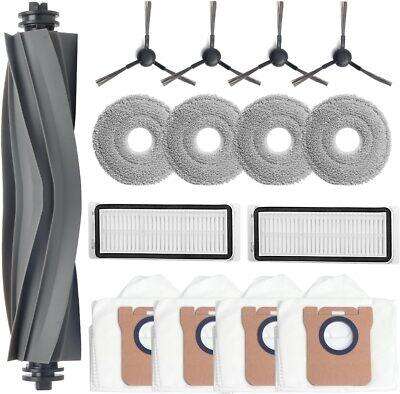
Finding the right manufacturing partner for robot vacuum parts is one of the most consequential decisions a product company or distributor can make. The quality, reliability, and precision of these components directly affect end-user satisfaction, product lifespan, and your brand reputation in a highly competitive market. Whether you are sourcing brush rolls, filters, side brushes, dustbin assemblies, or sensor components, the manufacturer behind those parts shapes every downstream outcome. Understanding how to systematically compare robot vacuum parts manufacturers is not just a procurement exercise — it is a strategic business decision.
This guide is designed to help procurement managers, product developers, and business owners navigate the evaluation process with clarity and confidence. Comparing manufacturers of robot vacuum parts requires looking beyond price lists and sample quality. It demands a structured assessment of manufacturing capabilities, quality management systems, communication practices, and long-term partnership potential. When you get this comparison right, you build a supply chain that is resilient, cost-efficient, and capable of scaling with your business growth.
Understanding What Makes a Robot Vacuum Parts Manufacturer Worth Comparing
The Scope of Components and Production Depth
Not all manufacturers of robot vacuum parts operate at the same level of production depth. Some specialize in a narrow category — such as HEPA filters or rubber brushes — while others offer comprehensive component lines covering consumables, structural parts, and electronic accessories. Before beginning your comparison, it is essential to map out precisely which components your partnership requires. A manufacturer with deep expertise in a specific component category may outperform a generalist in terms of material quality and dimensional precision.
Production depth also refers to vertical integration — whether the manufacturer controls raw material sourcing, molding, assembly, and quality inspection in-house, or relies on subcontractors. Greater vertical integration typically means tighter quality control and more predictable lead times. When evaluating robot vacuum parts suppliers, ask detailed questions about which production stages they own and which they outsource. This transparency reveals both capability and risk exposure.
Understanding the breadth of a manufacturer's catalog also helps you assess scalability. If your product line expands to include multiple robot vacuum models, a supplier capable of producing a wide range of compatible robot vacuum parts across different SKUs becomes far more valuable than one locked into a single component type. This forward-looking assessment is a critical step in any meaningful manufacturer comparison.
Certifications, Compliance, and Regulatory Standards
Certifications are not merely paperwork — they are measurable indicators of a manufacturer's commitment to consistent quality and safety. When comparing manufacturers of robot vacuum parts, look for ISO 9001 certification as a baseline quality management signal. For components entering European markets, RoHS compliance and CE marking matter significantly. For markets in North America, understanding UL standards and material safety compliance is equally important.
Beyond the obvious certifications, ask whether the manufacturer conducts third-party testing on their robot vacuum parts. Independent lab reports on material durability, filtration efficiency for HEPA filters, or motor component life cycles provide evidence-based differentiation between manufacturers. A supplier that actively pursues and shares such documentation is demonstrating accountability, not just competence.
Compliance with environmental regulations is increasingly relevant in the global market for robot vacuum parts. Buyers sourcing for European or North American distribution channels face regulatory requirements that simply cannot be met without a manufacturer who proactively manages material content and production waste. Treat compliance documentation as a minimum threshold, not a nice-to-have, during your comparison process.
Evaluating Manufacturing Quality and Process Controls
Quality Management Systems in Action
A certified quality management system is only as valuable as its real-world implementation. When you visit or audit a manufacturer of robot vacuum parts, observe whether the quality control processes described in their documentation are actually visible on the production floor. Are incoming materials inspected? Are there dedicated in-process inspection stations? Is finished goods testing systematic or sporadic? These observations separate manufacturers who manage quality from those who only claim to.
Defect rate data is one of the most useful metrics in this comparison. Ask prospective manufacturers of robot vacuum parts to share historical defect rates, complaint rates, and corrective action records. A supplier confident in their quality system will share this data openly. A supplier who deflects or refuses to provide such information is presenting a red flag that should factor heavily into your partnership decision.
It is also worth discussing how the manufacturer handles quality issues after shipment. Strong partners in the robot vacuum parts supply chain have clear RMA processes, rapid root cause analysis protocols, and replacement or credit policies that protect your business continuity. The quality response process is just as important as the initial defect prevention system.
Material Sourcing and Consistency Over Time
One of the most overlooked aspects when comparing robot vacuum parts manufacturers is material sourcing stability. A manufacturer might deliver excellent first samples using premium materials, but then quietly switch to lower-grade inputs once the initial contract is secured. This is a known risk in component manufacturing globally. To protect against it, require material specifications to be documented in your supply agreement and request periodic material certifications throughout the relationship.
Consistency of robot vacuum parts across production batches affects not only product quality but also your after-sales service reliability. If a replacement brush roll from a new production batch does not fit the same robot vacuum model it was designed for, or a filter's airflow resistance changes between deliveries, your customers experience those inconsistencies as product failures — even though the fault lies in the manufacturing supply chain.
Ask manufacturers how they qualify new material suppliers and what controls exist to prevent unauthorized material substitutions. This question alone can reveal significant differences in maturity between competing robot vacuum parts manufacturers. Suppliers with robust supplier qualification programs and material traceability systems offer a fundamentally lower risk profile for long-term partnership.
Assessing Partnership Fit and Communication Capability
Technical Support and Customization Willingness
The most productive partnerships between buyers and robot vacuum parts manufacturers are not purely transactional. They involve a level of technical collaboration that allows your product to perform at its best. When comparing manufacturers, evaluate how willing and capable they are to support customization requests — whether that involves modifying a brush pattern, adjusting filter dimensions for a new model, or developing a new color or material variant for a branded product line.
Technical support capability is also relevant after the design phase. When your engineering team identifies a fit issue or a performance concern with robot vacuum parts during product testing, the manufacturer's engineering responsiveness determines how quickly you can resolve the issue and stay on your product launch timeline. Manufacturers with dedicated engineering or application support teams consistently outperform those who route technical questions through sales representatives only.
Test the customization process early by submitting a specific technical request during your evaluation phase. The speed, accuracy, and professional depth of the manufacturer's response will tell you more about their partnership capability than any sales presentation. A manufacturer who asks clarifying questions, proposes practical solutions, and provides technical drawings or samples in a timely manner is demonstrating the collaborative mindset you want in a long-term robot vacuum parts supplier.
Lead Time Reliability and Order Flexibility
For businesses that depend on consistent supply of robot vacuum parts, lead time reliability is not just a logistics metric — it is a revenue protection mechanism. Delayed shipments of replacement accessories translate directly into lost sales, damaged customer relationships, and costly air freight expediting. When comparing manufacturers, request actual delivery performance data from existing customers rather than relying solely on quoted lead times.
Order flexibility is equally important in a market where demand fluctuates with promotional cycles and new model launches. Some manufacturers of robot vacuum parts impose rigid minimum order quantities that are incompractical for smaller distributors or for SKUs in the early stages of market introduction. Others offer tiered MOQs, pre-stocking programs, or blanket order arrangements that allow you to secure capacity while managing inventory risk effectively.
Discussing holiday and peak season production planning is also essential. If your primary sales period aligns with a period of high factory utilization or scheduled shutdowns, a manufacturer unprepared for that dynamic will create supply gaps at the worst possible time. Strong robot vacuum parts partners proactively communicate capacity constraints and collaborate on demand planning to prevent those scenarios.
Building a Long-Term Strategic Partnership Framework
Contractual Terms That Protect Both Parties
A partnership built on handshake agreements or vague email exchanges is inherently fragile. When formalizing a relationship with a robot vacuum parts manufacturer, the contract should clearly define specifications, inspection standards, packaging requirements, lead times, payment terms, and IP ownership for any custom designs. These elements create a shared operational baseline that prevents misunderstandings from escalating into disputes.
Intellectual property protection is especially important when commissioning custom-designed robot vacuum parts. Ensure that your supply agreement explicitly grants you ownership or exclusive licensing of molds, tooling, and design documentation. Without these provisions, a manufacturer can theoretically produce your custom components for other buyers once the relationship ends, undermining your competitive differentiation.
Termination and transition clauses deserve careful attention as well. A well-negotiated agreement should specify what happens to inventory, tooling, and design files if the partnership concludes — whether due to performance failure, business restructuring, or strategic change. Protecting your ability to transition to an alternative supplier for robot vacuum parts without excessive friction is a sign of business maturity and supply chain resilience.
Evaluating Financial Stability and Operational Continuity
A manufacturer's financial health directly affects their ability to invest in equipment, maintain raw material stock, and weather demand fluctuations without passing instability onto your supply chain. When comparing robot vacuum parts manufacturers, request references from current customers and ask specifically about the supplier's behavior during periods of market stress, such as raw material price spikes or logistics disruptions.
Operational continuity planning is a related consideration. Does the manufacturer have documented contingency plans for equipment failures, key personnel changes, or natural disasters? Suppliers of robot vacuum parts with mature business continuity programs demonstrate a level of operational seriousness that is directly relevant to your supply chain security. This is particularly important for consumable parts that require frequent replenishment cycles.
Facility visits — either in person or through virtual audit formats — provide firsthand evidence of operational health that no document can fully convey. The cleanliness, organization, and general discipline observed on a factory floor reflect management culture and directly predict the consistency of the robot vacuum parts that will arrive at your warehouse. Make facility assessment a standard part of your manufacturer comparison process.
FAQ
What is the most important factor when comparing robot vacuum parts manufacturers?
There is no single most important factor, but quality management system implementation, production consistency, and communication capability collectively form the foundation of a sustainable partnership. A manufacturer of robot vacuum parts who scores well across all three dimensions is far more likely to become a reliable long-term supplier than one who excels in only price or sample quality.
How do I verify the quality claims made by a robot vacuum parts manufacturer?
Request third-party test reports, material certifications, and historical defect rate data. Arrange a factory audit — either in person or via a third-party audit service — to observe quality controls in action. Speaking directly with the manufacturer's existing customers about their experience with robot vacuum parts quality and responsiveness provides the most credible real-world verification available.
Can small businesses benefit from forming a partnership with a robot vacuum parts manufacturer?
Yes, smaller buyers can absolutely form productive partnerships with manufacturers of robot vacuum parts, particularly when they identify suppliers who offer tiered minimum order quantities, flexible stocking programs, or consolidated SKU ordering options. The key is to communicate your growth trajectory clearly and seek manufacturers who view smaller accounts as future strategic customers rather than low-priority transactions.
How often should I review or re-evaluate my robot vacuum parts manufacturer partnership?
An annual formal review is a reasonable minimum, but meaningful performance monitoring should happen continuously. Track delivery performance, defect rates, and responsiveness metrics throughout the year. If your product line evolves significantly or the market introduces new compliance requirements, a more comprehensive re-evaluation of your robot vacuum parts supplier's capabilities may be warranted even mid-cycle.
Table of Contents
- Understanding What Makes a Robot Vacuum Parts Manufacturer Worth Comparing
- Evaluating Manufacturing Quality and Process Controls
- Assessing Partnership Fit and Communication Capability
- Building a Long-Term Strategic Partnership Framework
-
FAQ
- What is the most important factor when comparing robot vacuum parts manufacturers?
- How do I verify the quality claims made by a robot vacuum parts manufacturer?
- Can small businesses benefit from forming a partnership with a robot vacuum parts manufacturer?
- How often should I review or re-evaluate my robot vacuum parts manufacturer partnership?