 EN
EN
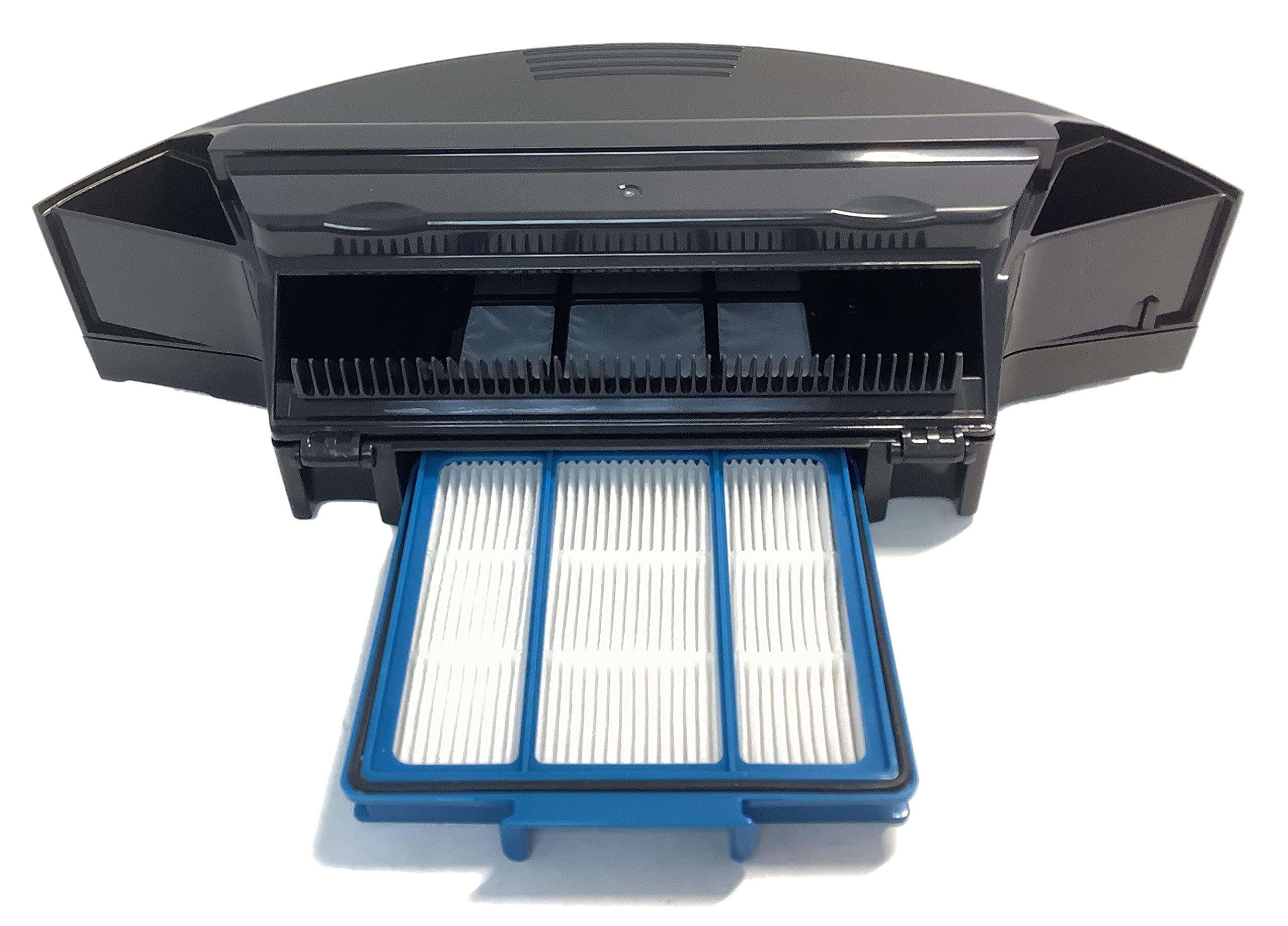
The robotic vacuum industry has experienced unprecedented growth in recent years, driving demand for reliable vacuum robot parts suppliers who can meet the evolving needs of manufacturers, retailers, and service centers. As the market becomes increasingly competitive, buyers are discovering that partnering with experienced suppliers offers significant advantages beyond simple product availability. These established providers bring decades of expertise, comprehensive quality control systems, and deep understanding of robotic vacuum technology that can make the difference between successful operations and costly setbacks.
Superior Product Quality and Engineering Excellence
Advanced Manufacturing Standards
Experienced vacuum robot parts suppliers maintain rigorous manufacturing standards that reflect years of refinement and continuous improvement. These suppliers have invested heavily in state-of-the-art production facilities equipped with precision machinery and automated quality control systems. Their manufacturing processes undergo regular audits and certifications from international standards organizations, ensuring consistent product quality that meets or exceeds OEM specifications. The result is components that demonstrate superior durability, performance reliability, and compatibility across multiple robotic vacuum models.
The engineering expertise of seasoned suppliers extends to material selection and component design optimization. They understand the specific requirements of robotic vacuum applications, including the need for lightweight yet durable materials, precise tolerances for moving parts, and compatibility with various cleaning mechanisms. This knowledge translates into parts that not only fit properly but also enhance overall system performance and longevity.
Comprehensive Testing Protocols
Established suppliers implement extensive testing protocols that go far beyond basic functionality checks. These comprehensive evaluation processes include endurance testing under various operating conditions, compatibility verification across multiple device models, and performance benchmarking against original equipment specifications. Such thorough testing ensures that replacement parts maintain the same operational characteristics as original components, preventing performance degradation or premature failure.
The testing infrastructure of experienced suppliers often includes specialized equipment for evaluating suction performance, brush effectiveness, filter efficiency, and sensor accuracy. This investment in testing capabilities reflects their commitment to delivering components that meet the exacting standards required for modern robotic vacuum systems.
Extensive Product Portfolio and Compatibility
Wide Range of Compatible Components
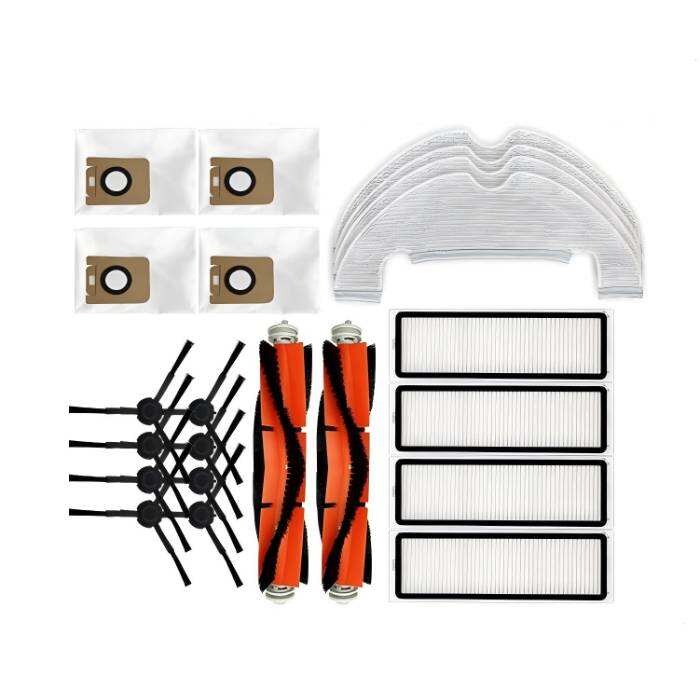
One of the most significant advantages offered by experienced suppliers is their comprehensive inventory of compatible components for numerous robotic vacuum brands and models. These suppliers have developed relationships with multiple manufacturers over time, allowing them to understand the nuances and specifications required for different systems. Their product portfolios typically include essential components such as main brushes, side brushes, filters, dust bags, and cleaning cloths that are engineered to work seamlessly with popular models from brands like Dreame, Roomba, Shark, and others.
The depth of their inventory means buyers can source multiple components from a single supplier, streamlining procurement processes and reducing administrative overhead. This consolidated sourcing approach also enables better coordination of delivery schedules and more efficient inventory management for buyers who service multiple robotic vacuum models.
Cross-Model Compatibility Solutions
Seasoned vacuum robot parts suppliers often develop innovative solutions that provide cross-model compatibility, allowing certain components to work across multiple device types. This approach reduces inventory complexity for buyers while maintaining performance standards. Their engineering teams analyze similarities between different models and identify opportunities to create universal solutions that meet the requirements of multiple systems without compromising functionality.
These compatibility solutions are particularly valuable for service centers and retailers who need to maintain inventory for numerous models but want to minimize storage requirements and investment in slow-moving parts. Experienced suppliers can provide guidance on which components offer the best cross-compatibility options while ensuring optimal performance.
Reliable Supply Chain and Inventory Management
Consistent Availability and Stock Management
Experienced suppliers have developed sophisticated supply chain management systems that ensure consistent product availability even during periods of high demand or supply chain disruptions. Their established relationships with raw material suppliers, manufacturing partners, and logistics providers create a robust network that can adapt to changing market conditions. This reliability is crucial for buyers who cannot afford stockouts or delays in critical component deliveries.
These suppliers typically maintain strategic inventory reserves and implement demand forecasting systems that anticipate market needs. Their inventory management capabilities include automated reorder points, seasonal demand planning, and contingency stock for high-turnover items. This proactive approach ensures that buyers can rely on consistent supply availability regardless of market fluctuations.
Global Distribution Networks
Established vacuum robot parts suppliers have invested in global distribution networks that enable efficient delivery to customers worldwide. These networks include strategically located warehouses, partnerships with international shipping providers, and customs clearance expertise that simplifies cross-border transactions. The result is faster delivery times, reduced shipping costs, and simplified logistics management for buyers regardless of their location.
The global reach of experienced suppliers also means they can provide localized support and services in multiple regions. This capability is particularly valuable for international buyers who need consistent service levels and communication in their preferred languages and time zones.
Technical Expertise and Customer Support
Product Knowledge and Application Guidance
The technical expertise accumulated by experienced vacuum robot parts suppliers represents a valuable resource for buyers seeking optimal component solutions. These suppliers employ technical specialists who understand the intricacies of robotic vacuum systems, including motor specifications, filtration requirements, brush configurations, and sensor technologies. Their knowledge extends beyond basic part numbers to include application-specific recommendations and optimization strategies.
This expertise enables suppliers to provide consultative support that helps buyers select the most appropriate components for their specific applications. Whether the need involves replacing worn parts, upgrading performance characteristics, or troubleshooting system issues, experienced suppliers can offer informed guidance that leads to better outcomes and reduced trial-and-error costs.
Responsive Customer Service Infrastructure
Established suppliers have developed comprehensive customer service infrastructures that provide multiple channels for communication and support. These systems typically include dedicated account managers, technical support teams, and customer service representatives who understand the unique requirements of the robotic vacuum industry. The responsiveness of these support systems reflects the suppliers' commitment to maintaining long-term customer relationships.
The customer service capabilities of experienced suppliers often extend to providing detailed product documentation, installation guides, and troubleshooting resources that help buyers maximize the value of their component purchases. This support infrastructure reduces the learning curve for new buyers and provides ongoing assistance for complex applications.
Cost Optimization and Value Engineering
Competitive Pricing Through Economies of Scale
Experienced vacuum robot parts suppliers leverage their substantial purchasing power and production volumes to negotiate favorable terms with manufacturers and raw material suppliers. These economies of scale translate into competitive pricing for buyers without compromising product quality or service levels. The cost advantages are particularly significant for high-volume buyers who can benefit from quantity discounts and preferential pricing structures.
The pricing stability offered by established suppliers provides buyers with predictable cost structures that support accurate budgeting and financial planning. These suppliers often provide advance notice of price changes and work with customers to minimize the impact of market fluctuations through strategic inventory planning and flexible purchasing arrangements.
Value-Added Services and Solutions
Beyond competitive pricing, experienced suppliers offer value-added services that reduce total cost of ownership for buyers. These services may include custom packaging solutions, drop-shipping capabilities, inventory management support, and technical training programs. Such comprehensive service offerings enable buyers to reduce internal overhead costs while improving operational efficiency.
The value engineering capabilities of seasoned suppliers help buyers optimize their component selections based on performance requirements, cost constraints, and application-specific needs. This consultative approach ensures that buyers receive the most cost-effective solutions while maintaining the quality and reliability standards required for their operations.
Innovation and Future-Ready Solutions
Research and Development Investments
Leading vacuum robot parts suppliers invest significantly in research and development activities that drive innovation and product advancement. These investments enable them to stay ahead of technology trends and develop next-generation components that offer improved performance, enhanced durability, and new functionality. Their R&D capabilities include materials research, design optimization, and manufacturing process improvements that benefit buyers through better products and enhanced value propositions.
The innovation focus of experienced suppliers extends to developing solutions for emerging robotic vacuum technologies, including advanced navigation systems, improved cleaning mechanisms, and enhanced connectivity features. This forward-looking approach ensures that buyers have access to components that support the latest technological developments in the industry.
Sustainability and Environmental Considerations
Modern vacuum robot parts suppliers increasingly focus on sustainability initiatives that address environmental concerns while meeting performance requirements. These efforts include developing components from recycled materials, implementing eco-friendly manufacturing processes, and designing products for improved recyclability at end-of-life. Such sustainability initiatives align with the growing environmental consciousness of buyers and end-users.
The environmental stewardship demonstrated by experienced suppliers provides buyers with components that support their own sustainability goals and corporate responsibility commitments. This alignment becomes increasingly important as environmental regulations and consumer preferences drive demand for more sustainable products and practices.
FAQ
How do experienced vacuum robot parts suppliers ensure component compatibility across different models
Experienced suppliers maintain extensive databases of specifications for various robotic vacuum models and employ engineering teams that analyze compatibility requirements. They conduct thorough testing and validation processes to ensure components meet or exceed original equipment specifications. Additionally, they develop cross-reference guides and compatibility matrices that help buyers select appropriate parts for specific applications.
What quality assurance measures do established suppliers implement to guarantee product reliability
Established suppliers implement multi-stage quality control processes including incoming material inspection, in-process monitoring, and final product testing. They maintain certifications from international standards organizations and conduct regular audits of their manufacturing facilities. Many also provide warranties and quality guarantees that demonstrate confidence in their products and provide buyers with additional protection against defective components.
How do experienced suppliers handle urgent or emergency component requirements
Experienced suppliers typically maintain emergency response protocols that include expedited shipping options, priority processing for urgent orders, and access to emergency inventory reserves. They often provide dedicated contact channels for urgent requests and work closely with logistics partners to ensure fast delivery when time-critical situations arise. Many also offer regional distribution centers that enable same-day or next-day delivery in major markets.
What advantages do buyers gain from establishing long-term relationships with experienced suppliers
Long-term relationships with experienced suppliers provide buyers with preferential pricing, priority access to new products, customized service arrangements, and dedicated account management support. These relationships also enable suppliers to better understand buyer requirements and provide more targeted solutions. Additionally, established relationships often result in improved payment terms, flexible ordering arrangements, and collaborative planning for future needs.
Table of Contents
- Superior Product Quality and Engineering Excellence
- Extensive Product Portfolio and Compatibility
- Reliable Supply Chain and Inventory Management
- Technical Expertise and Customer Support
- Cost Optimization and Value Engineering
- Innovation and Future-Ready Solutions
-
FAQ
- How do experienced vacuum robot parts suppliers ensure component compatibility across different models
- What quality assurance measures do established suppliers implement to guarantee product reliability
- How do experienced suppliers handle urgent or emergency component requirements
- What advantages do buyers gain from establishing long-term relationships with experienced suppliers