
 EN
EN
When a robot vacuum operates in a commercial environment — think hotel corridors, office floors, retail spaces, or healthcare facilities — the performance demands are significantly higher than in a typical household setting. In these contexts, the question of which OEM robot vacuum parts genuinely support long-term commercial use becomes a critical procurement and operational decision. Not all replacement components are created equally, and choosing correctly from the start can determine whether a cleaning program delivers consistent results or constantly struggles with downtime, poor performance, and inflated maintenance budgets.
OEM robot vacuum parts are manufactured to the original equipment specifications set by the device's maker, ensuring compatibility, measured durability, and performance consistency. In a commercial deployment, where multiple units may run extended daily cycles across demanding floor types, the selection of genuine OEM components — rather than aftermarket substitutes — directly affects the total cost of ownership, the reliability of autonomous cleaning schedules, and the longevity of the entire fleet. This article breaks down which specific part categories hold up best under sustained commercial workloads, and why their design characteristics make them suited for continuous-use environments.
Understanding the Role of OEM Specifications in Commercial Durability
Why OEM Standards Matter Beyond the Household Context
In residential use, a robot vacuum may run two or three cycles per week on a relatively clean, consistent surface. Commercial environments are entirely different. High-traffic areas accumulate debris rapidly, floor types vary, and the machines may be scheduled to run multiple cycles per day. OEM robot vacuum parts are engineered to handle the operational tolerances specified by the original manufacturer, including motor load ratings, material wear thresholds, and suction performance windows.
When facilities managers or procurement teams replace worn components with generic alternatives, they often find that the dimensional tolerances, material hardness, or connector compatibility do not precisely match the unit's operational design. This mismatch accelerates wear on surrounding components, introducing secondary failure points that compound maintenance costs. Sourcing OEM robot vacuum parts eliminates this risk by ensuring that each replacement component integrates exactly as the machine was designed to operate.
The concept of specification adherence is especially important when managing a fleet of units across a large commercial property. Standardized OEM robot vacuum parts allow maintenance staff to work from a predictable replacement schedule rather than reacting to irregular failures caused by inconsistent aftermarket quality.
How Commercial Duty Cycles Stress Individual Components
A commercial robot vacuum operating in a busy environment encounters conditions that stress its components at a rate several times higher than residential benchmarks. Brushes and filters accumulate debris more quickly, wheels traverse varied floor surfaces continuously, and suction motors run near maximum load across long cycles. Understanding which components bear the most stress helps define which OEM robot vacuum parts need to be prioritized in any long-term maintenance plan.
The duty cycle — meaning the ratio of active operating time to total time — in commercial environments often exceeds what consumer product testing covers. OEM robot vacuum parts are validated against the design specifications of the machine, which gives them a reliable baseline. Still, commercial operators should expect replacement intervals to compress significantly compared to residential recommendations and plan their inventory accordingly.
Main Brush Assemblies and Their Suitability for Extended Use
Main Brush Design Characteristics That Support Durability
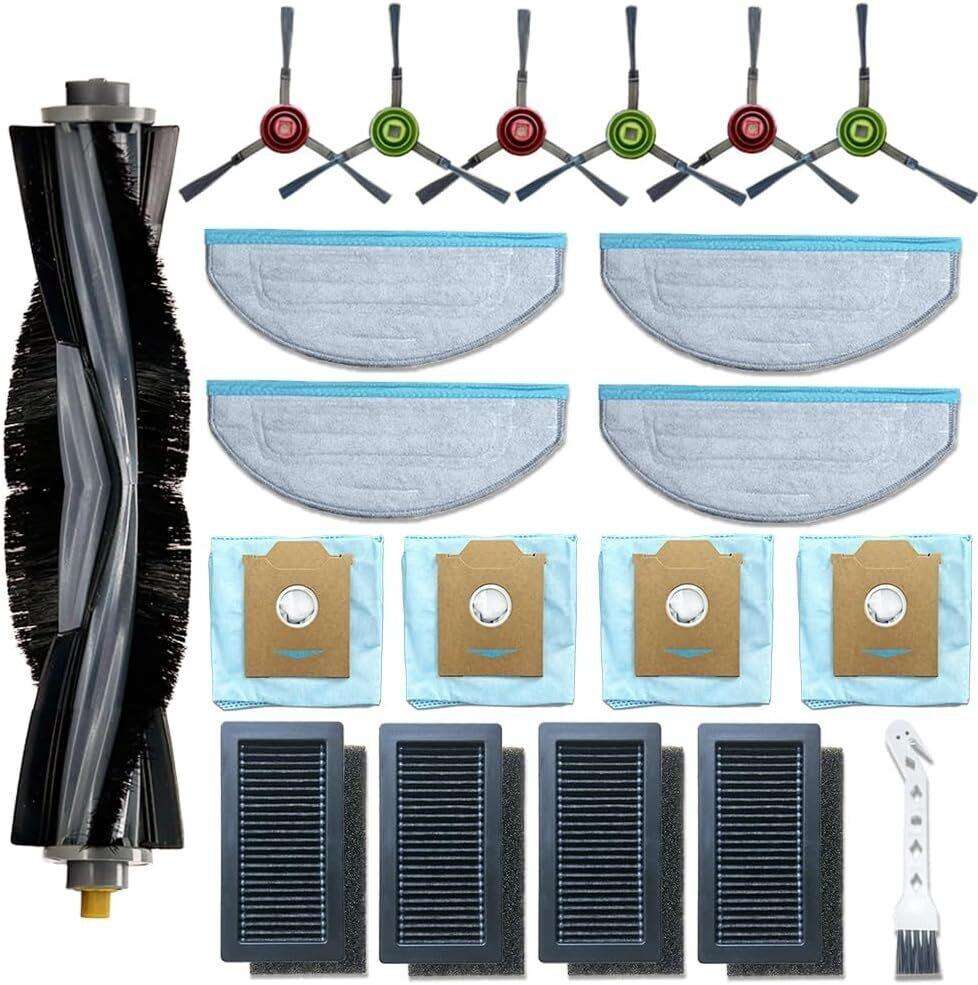
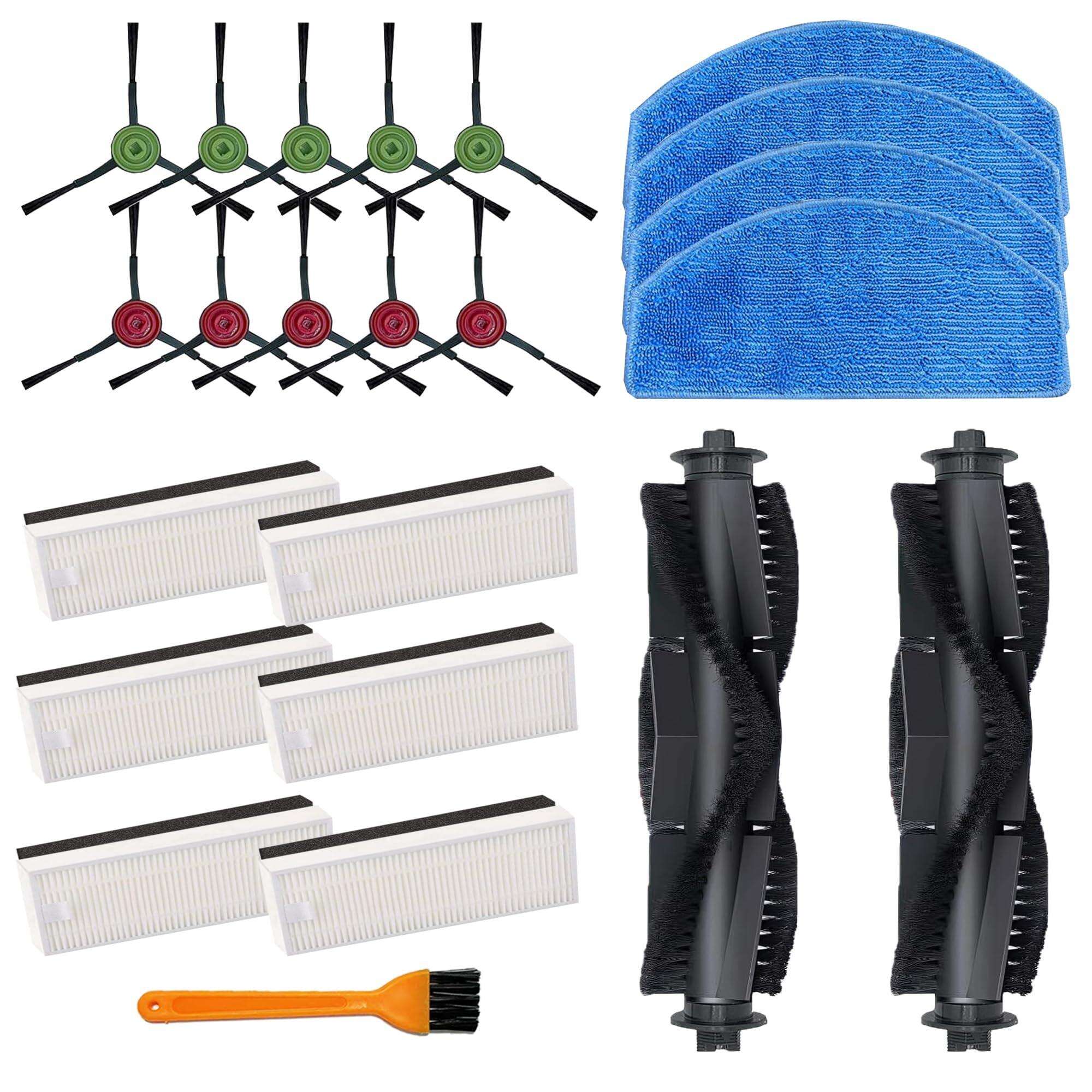
The main brush assembly is one of the highest-wear components in any robot vacuum. In commercial settings, this part is responsible for agitating and collecting debris across a continuous span of operational hours. OEM robot vacuum parts in this category are designed with specific bristle materials, roller geometry, and end-cap fittings that correspond to the suction path and motor torque of the original device.
Genuine OEM main brushes maintain consistent contact with the floor surface without causing excessive drag on the motor. This balance is critical in commercial use because an improperly fitted brush assembly increases motor thermal load, which shortens motor life. When OEM robot vacuum parts are used for the main brush, the roller integrates with the housing perfectly, allowing smooth rotation and efficient debris transfer into the suction path.
For facilities deploying multiple units, using OEM robot vacuum parts for main brushes also ensures uniform cleaning performance across the fleet. Inconsistent brush quality leads to uneven cleaning patterns, which can create compliance issues in regulated environments like food service or healthcare facilities.
Replacement Frequency Considerations in High-Traffic Areas
Even high-quality OEM robot vacuum parts will wear faster under commercial conditions. Main brush assemblies in continuous-use environments may need replacement every four to eight weeks depending on floor type, debris volume, and daily cycle duration. Establishing a documented replacement schedule using genuine OEM robot vacuum parts helps maintain the machine's rated cleaning efficiency and prevents the gradual performance degradation that often goes unnoticed until it becomes a significant operational problem.
Operators who track brush wear intervals also gain useful data about their cleaning environment. Abnormally fast brush wear may indicate floor surface issues, excessive debris loads, or scheduling problems — all of which are easier to diagnose when the baseline of OEM robot vacuum parts performance is well understood.
Filtration Systems Designed for Sustained Commercial Performance
HEPA and High-Efficiency Filter Standards in OEM Components
Filtration is one of the most consequential components in any commercial cleaning application. OEM robot vacuum parts in the filtration category are built to match the airflow architecture of the specific model, ensuring that suction power remains stable and that particulate capture meets the machine's rated efficiency. In environments where indoor air quality is regulated or expected — healthcare, hospitality, office buildings — using OEM filters is not just a maintenance preference but a performance and compliance requirement.
High-efficiency OEM robot vacuum parts for filtration are tested to handle the specific airflow volumes generated by the original motor and suction system. Aftermarket filters with different media density or dimensional tolerances can reduce suction efficiency, allow fine particulates to bypass the filter, or cause pressure buildup that stresses the fan assembly. These failure modes are particularly damaging in commercial operations where the filtration contribution to overall hygiene standards is taken seriously.
Facilities that use OEM robot vacuum parts consistently in their filtration maintenance programs report more predictable filter change intervals and more stable long-term air quality results. This predictability simplifies procurement and makes budget planning more accurate across multi-unit deployments.
Filter Maintenance Protocols That Extend Commercial Viability
Beyond filter replacement, commercial operators should establish cleaning protocols for reusable pre-filter layers where applicable. OEM robot vacuum parts for filtration often include multi-stage designs that allow certain components to be cleaned and reused while others are disposable. Following the OEM-specified maintenance protocol ensures that the filtration system continues to function as designed through its entire service life.
The interaction between filter condition and suction performance is linear — as filter media becomes occluded with particulates, suction diminishes. In commercial use, this degradation happens faster. Maintaining OEM robot vacuum parts in the filtration path on a regular schedule directly preserves the machine's ability to clean to specification, which is the core reason commercial operators invest in robotic cleaning systems in the first place.
Side Brushes, Wheels, and Consumable Components Supporting Operational Continuity
Side Brush Performance in Edge-Heavy Commercial Environments
Commercial spaces often have complex layouts with numerous walls, furniture legs, and corners. Side brushes are critical for collecting debris from these edge zones, and they operate under constant mechanical stress as they spin against floor surfaces and intermittently contact wall baseboards. OEM robot vacuum parts for side brushes are calibrated to the specific rotational speed and brush arm geometry of the original model, ensuring that edge cleaning coverage meets the manufacturer's design intent.
Inferior side brushes — even those that appear dimensionally similar — often have softer bristle materials that deform prematurely or stiffer materials that cause unnecessary drag on the side motor. Either condition accelerates the failure rate and reduces cleaning effectiveness in edge zones. For commercial operations that count on comprehensive floor coverage, OEM robot vacuum parts for side brushes are an investment in consistent performance rather than an optional upgrade.
Replacement intervals for side brushes in commercial environments are typically shorter than main brush intervals due to the stress of constant floor and surface contact. Planning for this in the maintenance schedule and maintaining a stock of OEM robot vacuum parts for side brush replacement ensures that commercial cleaning cycles are never compromised by this easily overlooked component.
Drive Wheels and Chassis Components Under Sustained Load
Drive wheels may not be classified as consumables in the traditional sense, but in commercial use they experience significantly higher cumulative load than in residential operation. OEM robot vacuum parts for the drive wheel system include the wheel assemblies, axle seals, and suspension modules that allow the machine to traverse floor transitions smoothly. When these parts begin to wear, the machine's navigation accuracy and surface contact quality decline.
Using OEM robot vacuum parts for wheel replacement ensures that the wheel diameter, tread pattern, and suspension tension remain within the design parameters that the navigation software and motor control systems were calibrated for. Dimensional deviations caused by aftermarket wheels can introduce navigation drift, reduce bump-crossing capability, and place asymmetric load on the drive motors over time.
Commercial operators managing large properties with multiple floor types — including transitions between carpet, tile, and hardwood — will find that maintaining OEM robot vacuum parts in the drive system sustains the machine's ability to handle these transitions reliably across extended service periods. This reliability is foundational to the value proposition of autonomous commercial cleaning.
Procurement Strategy for OEM Parts in a Multi-Unit Commercial Deployment
Building a Reliable Replacement Parts Inventory
For commercial operators running multiple robot vacuum units, a well-structured OEM robot vacuum parts inventory is a strategic asset. The goal is to minimize unplanned downtime by having critical consumables available before they are needed. Main brushes, filters, and side brushes should be stocked in quantities that reflect the replacement intervals observed in the specific operating environment.
Establishing a relationship with a reliable OEM robot vacuum parts supplier also ensures that components are sourced consistently and that any specification updates released by the manufacturer are reflected in the parts being procured. This is particularly important as manufacturers refine their component designs over production runs — using outdated parts even from legitimate sources can introduce compatibility gaps in newer machine firmware versions.
Documentation is also essential. Tracking which OEM robot vacuum parts were installed, when, and on which unit creates a maintenance history that supports warranty claims, enables performance trend analysis, and provides evidence of proper maintenance in regulated commercial environments.
Total Cost of Ownership Perspective on OEM Part Selection
The initial cost of OEM robot vacuum parts is often higher than aftermarket alternatives, but this comparison becomes less meaningful when viewed through a total cost of ownership lens. Secondary component damage caused by poorly fitting aftermarket parts, unplanned maintenance labor, and cleaning performance shortfalls all add to the real cost of ownership in ways that are not visible in a per-unit parts price comparison.
Commercial operators who commit to OEM robot vacuum parts programs tend to experience more predictable maintenance budgets, longer machine service lives, and fewer emergency service calls. The cleaning consistency achieved through properly specified parts also has a measurable value in terms of labor savings, facility compliance, and customer or occupant satisfaction. These outcomes collectively justify the investment in genuine OEM robot vacuum parts for any serious commercial cleaning operation.
FAQ
What makes OEM robot vacuum parts more suitable for commercial use than aftermarket alternatives?
OEM robot vacuum parts are manufactured to the exact specifications of the original device, ensuring dimensional accuracy, material compatibility, and performance consistency. In commercial environments with high duty cycles, this precision prevents secondary component damage and maintains cleaning efficiency across extended operational periods. Aftermarket parts often introduce tolerance variations that accelerate wear on surrounding systems, increasing both maintenance frequency and total operational cost.
How often should OEM robot vacuum parts be replaced in a commercial setting?
Replacement intervals in commercial settings are significantly shorter than residential recommendations due to higher daily cycle counts and more demanding debris loads. Main brushes may need replacement every four to eight weeks, filters every two to four weeks depending on environment, and side brushes at similar or shorter intervals. Establishing a documented maintenance schedule based on actual observed wear in the specific facility provides the most accurate replacement timing guidance.
Can using non-OEM parts void the warranty on commercial robot vacuums?
In many cases, yes. Most commercial robot vacuum manufacturers specify that warranty coverage applies only when maintenance is performed using OEM robot vacuum parts. Using non-OEM components can void warranty protections, which creates significant financial exposure when operating a fleet of machines in a commercial environment. Always review the warranty terms of the specific model and source OEM robot vacuum parts from authorized channels to maintain coverage.
Which OEM robot vacuum parts should be prioritized for a first-time commercial parts inventory?
For a first-time commercial parts inventory, priority should be placed on main brush assemblies, high-efficiency filters, and side brushes — these are the highest-wear OEM robot vacuum parts across all commercial environments. Drive wheel assemblies and filter pre-stages are secondary priorities. Stocking two to three replacement cycles' worth of these key parts ensures that no unit experiences extended downtime due to parts availability gaps during the initial deployment phase.
Table of Contents
- Understanding the Role of OEM Specifications in Commercial Durability
- Main Brush Assemblies and Their Suitability for Extended Use
- Filtration Systems Designed for Sustained Commercial Performance
- Side Brushes, Wheels, and Consumable Components Supporting Operational Continuity
- Procurement Strategy for OEM Parts in a Multi-Unit Commercial Deployment
-
FAQ
- What makes OEM robot vacuum parts more suitable for commercial use than aftermarket alternatives?
- How often should OEM robot vacuum parts be replaced in a commercial setting?
- Can using non-OEM parts void the warranty on commercial robot vacuums?
- Which OEM robot vacuum parts should be prioritized for a first-time commercial parts inventory?