
 EN
EN
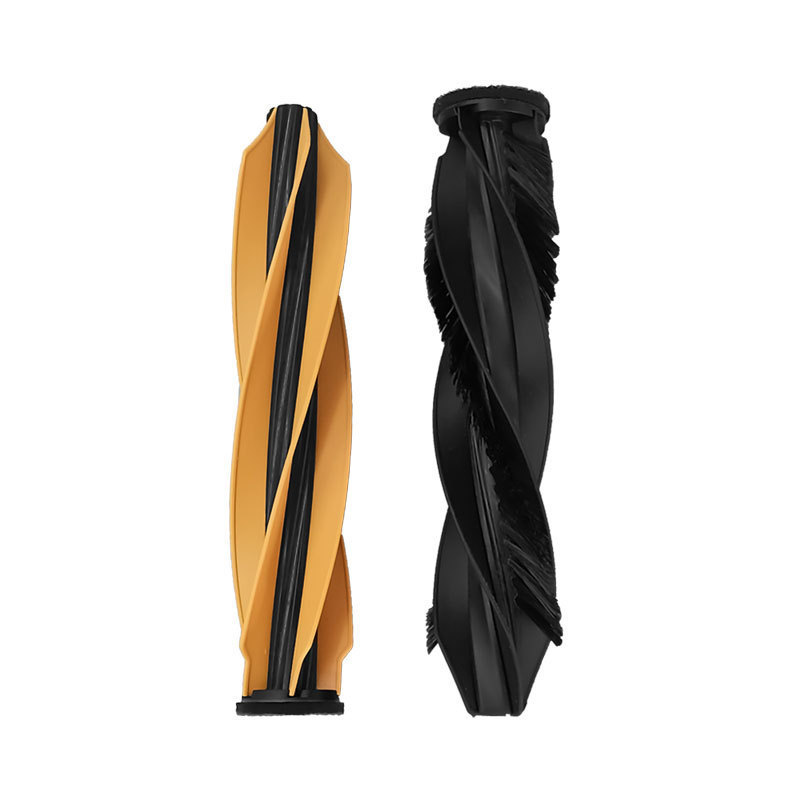
Retail sales performance of robot vacuum filters depends heavily on their ability to maintain consistent filtration efficiency throughout extended use cycles. Store buyers and inventory managers increasingly prioritize robot vacuum filters that demonstrate reliable performance metrics, as customer satisfaction directly correlates with filter longevity and effectiveness. Understanding which specific filter characteristics drive consistent retail performance enables better purchasing decisions and reduces return rates in competitive retail environments.
Market analysis reveals that robot vacuum filters with superior particle retention capabilities and extended operational durability generate higher customer satisfaction scores and lower warranty claim frequencies. Retail partners report that filters incorporating multi-layer filtration technology and reinforced construction materials consistently outperform standard alternatives in both initial sales velocity and repeat purchase patterns. These performance indicators directly influence retail inventory strategies and profit margins across various market segments.
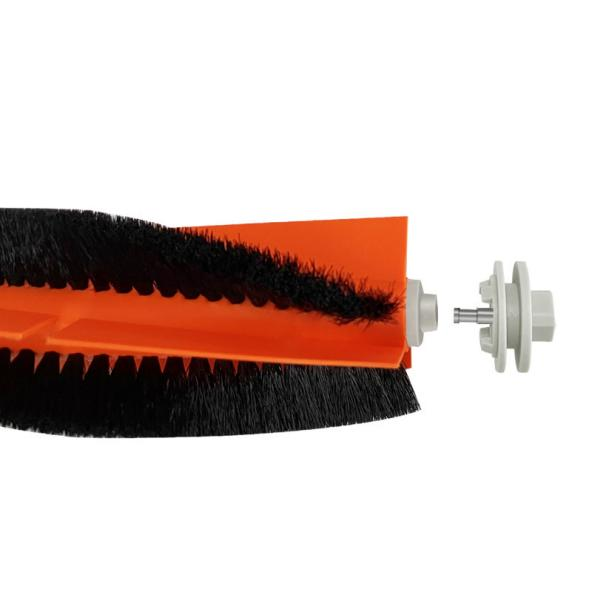
Filter Construction Quality Standards for Retail Success
Material Composition and Durability Factors
High-performance robot vacuum filters utilize advanced synthetic materials that resist degradation under continuous suction pressure and dust accumulation. Premium filters incorporate electrostatically charged fibers that maintain particle capture efficiency even as debris loads increase during normal operation cycles. These construction elements ensure that robot vacuum filters deliver consistent performance throughout their intended service life, reducing customer complaints and return processing costs for retail partners.
Filter frame rigidity plays a crucial role in maintaining proper sealing within robot vacuum housings, preventing bypass air flow that compromises cleaning effectiveness. Reinforced plastic frames with precision molding tolerances ensure that robot vacuum filters maintain their dimensional stability under varying temperature and humidity conditions commonly encountered in residential environments. This structural integrity directly impacts customer satisfaction scores and influences repeat purchase behavior patterns observed in retail sales data.
Filtration Media Technology Integration
Advanced robot vacuum filters incorporate multiple filtration layers designed to capture particles across different size ranges while maintaining optimal air flow characteristics. HEPA-grade filtration media combined with pre-filtering layers creates a comprehensive particle removal system that maintains performance consistency throughout extended use periods. These technological features enable robot vacuum filters to meet consumer expectations for both cleaning effectiveness and operational reliability in diverse household environments.
Electrostatic charge retention capabilities in robot vacuum filters significantly influence their long-term performance characteristics and customer satisfaction outcomes. Filters that maintain their electrostatic properties throughout multiple cleaning cycles continue to attract and retain fine particles effectively, ensuring consistent cleaning results that drive positive customer feedback. This performance consistency translates directly into higher retail sales velocity and improved profit margins for retail partners carrying these premium filter products.
Performance Metrics That Drive Retail Sales
Particle Capture Efficiency Measurements
Quantitative testing of robot vacuum filters reveals that models achieving 99.5% or higher particle capture rates for particles above 0.3 microns consistently generate superior retail sales performance and customer retention rates. These efficiency measurements provide concrete performance benchmarks that retail buyers use to evaluate filter quality and predict customer satisfaction outcomes. Filters meeting these stringent efficiency standards typically command premium pricing while maintaining strong sales velocity across diverse retail channels.
Sustained filtration efficiency over extended operational periods distinguishes high-performance robot vacuum filters from standard alternatives in competitive retail environments. Filters that maintain 95% or higher efficiency ratings after processing equivalent household debris loads for three months demonstrate the consistency that drives customer loyalty and repeat purchases. These performance characteristics enable retailers to position premium filter products as value-oriented investments rather than commodity replacements.
Operational Longevity and Replacement Intervals
Extended service life capabilities of robot vacuum filters directly influence customer purchase frequency and lifetime value calculations for retail partners. Filters designed to maintain effective performance for 6-8 weeks under normal household conditions provide optimal balance between cleaning effectiveness and replacement cost considerations. This extended operational period reduces customer friction associated with frequent filter changes while maintaining the cleaning performance standards that drive customer satisfaction.
Predictable performance degradation patterns in robot vacuum filters enable customers to establish reliable replacement schedules that optimize cleaning effectiveness while minimizing maintenance costs. Filters that provide clear visual indicators of capacity utilization help customers determine optimal replacement timing, reducing premature disposal and extending effective service life. These user-friendly features contribute to positive customer experiences that translate into strong retail sales performance and brand loyalty development.
Customer Satisfaction Drivers in Filter Performance
Cleaning Effectiveness Consistency
Retail sales data indicates that robot vacuum filters maintaining consistent suction flow rates throughout their service life generate significantly higher customer satisfaction scores than alternatives experiencing gradual performance degradation. Customers expect their cleaning equipment to deliver predictable results across multiple cleaning cycles, making flow rate stability a critical performance characteristic for retail success. Filters designed with optimized pleating patterns and reinforced media construction ensure sustained air flow characteristics that meet these customer expectations.
Allergen capture capabilities of robot vacuum filters significantly influence customer satisfaction outcomes and retail sales performance in households with sensitivity concerns. Filters achieving and maintaining high allergen removal efficiency throughout their operational life cycle address growing consumer awareness of indoor air quality issues. These health-related benefits create strong customer loyalty patterns that drive repeat purchases and positive word-of-mouth recommendations in retail environments.
Installation and Maintenance Simplicity
User-friendly installation procedures for robot vacuum filters reduce customer frustration and support call frequency, contributing to positive retail experience outcomes. Filters featuring clear directional indicators and secure locking mechanisms enable customers to perform replacements confidently without technical assistance. This ease of use factor significantly influences customer satisfaction scores and affects retail partners' customer service overhead costs and resource allocation requirements.
Maintenance requirements that align with typical household cleaning schedules enhance customer acceptance of robot vacuum filters and drive consistent retail sales performance. Filters designed to operate effectively under normal household conditions without requiring frequent cleaning or maintenance interventions meet customer expectations for convenience and reliability. These practical considerations influence purchase decisions and affect customer lifetime value calculations for retail partners evaluating filter product lines.
Market Positioning and Retail Strategy Considerations
Price-Performance Value Propositions
Successful retail positioning of robot vacuum filters requires clear demonstration of performance benefits that justify premium pricing compared to generic alternatives. Filters offering superior particle capture efficiency, extended service life, and enhanced durability provide quantifiable value propositions that resonate with quality-conscious consumers. These performance advantages enable retailers to maintain healthy profit margins while delivering genuine customer value that drives repeat business and brand loyalty development.
Total cost of ownership calculations for robot vacuum filters must account for replacement frequency, cleaning effectiveness, and customer satisfaction factors that influence long-term value perceptions. Premium filters with extended service life and consistent performance often deliver superior value despite higher initial purchase prices, creating opportunities for retailers to educate customers about long-term cost benefits. These value-based positioning strategies support premium pricing while building customer relationships that generate sustained retail profitability.
Inventory Management and Sales Forecasting
Predictable replacement cycles for high-quality robot vacuum filters enable retailers to optimize inventory management strategies and reduce carrying costs while maintaining adequate stock availability. Filters with consistent 6-8 week service life cycles create reliable demand patterns that support accurate sales forecasting and inventory planning processes. This predictability reduces stockout risks while minimizing excess inventory costs that impact retail profitability and cash flow management.
Seasonal demand fluctuations for robot vacuum filters typically align with household cleaning activity patterns and gift-giving periods, requiring strategic inventory positioning to capture sales opportunities. Retailers successfully managing these demand cycles maintain appropriate stock levels during peak periods while avoiding overstock situations during lower-demand periods. Understanding these patterns enables effective promotional timing and inventory turnover optimization that maximizes retail profitability throughout annual sales cycles.
FAQ
How often should robot vacuum filters be replaced to maintain optimal performance?
High-quality robot vacuum filters typically require replacement every 6-8 weeks under normal household usage conditions to maintain optimal cleaning effectiveness and air flow characteristics. Usage in high-traffic areas or homes with pets may require more frequent replacement intervals to prevent performance degradation. Regular replacement ensures consistent particle capture efficiency and prevents motor strain that could affect overall vacuum system longevity and reliability.
What specific features indicate superior filter quality in retail purchasing decisions?
Superior robot vacuum filters feature multi-layer construction with HEPA-grade filtration media, reinforced frame materials, and precision manufacturing tolerances that ensure proper sealing within vacuum housings. Electrostatic charge retention capabilities and optimized pleating patterns indicate advanced engineering that delivers consistent performance throughout extended service periods. These quality indicators correlate directly with customer satisfaction outcomes and retail sales success metrics across diverse market segments.
Do premium robot vacuum filters justify their higher cost compared to generic alternatives?
Premium robot vacuum filters typically deliver superior total cost of ownership through extended service life, consistent performance maintenance, and enhanced particle capture efficiency that reduces cleaning frequency requirements. While initial purchase costs may be higher, the combination of longer replacement intervals and improved cleaning effectiveness often results in lower overall costs and higher customer satisfaction. These value propositions support premium pricing strategies while delivering genuine customer benefits that drive retail sales success.
How do robot vacuum filters impact overall system performance and longevity?
High-quality robot vacuum filters protect internal motor components from debris damage while maintaining optimal air flow rates that prevent system strain and overheating issues. Proper filtration reduces wear on mechanical components and extends overall vacuum system life, creating additional value for customers beyond immediate cleaning performance benefits. This protective function influences customer satisfaction and affects warranty claim frequencies that impact retail partner relationships and profitability outcomes.
Table of Contents
- Filter Construction Quality Standards for Retail Success
- Performance Metrics That Drive Retail Sales
- Customer Satisfaction Drivers in Filter Performance
- Market Positioning and Retail Strategy Considerations
-
FAQ
- How often should robot vacuum filters be replaced to maintain optimal performance?
- What specific features indicate superior filter quality in retail purchasing decisions?
- Do premium robot vacuum filters justify their higher cost compared to generic alternatives?
- How do robot vacuum filters impact overall system performance and longevity?