
 EN
EN
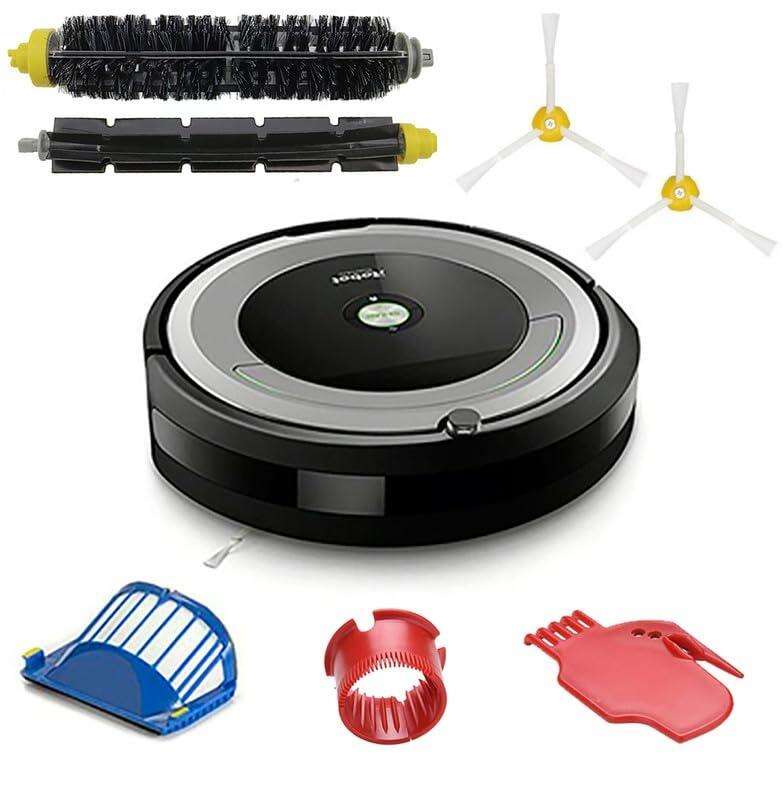
High-quality robot vacuum accessories represent a significant opportunity for distributors looking to expand their product portfolios and increase profitability in the growing home automation market. As consumer demand for robotic cleaning solutions continues to surge, distributors who strategically position themselves in the robot vacuum accessories market can capitalize on recurring revenue streams, enhanced customer relationships, and competitive differentiation that sets them apart from general electronics retailers.
The distribution landscape for robot vacuum accessories offers unique advantages that traditional one-time product sales cannot match. These consumable components create ongoing relationships with end customers, generate predictable revenue cycles, and provide distributors with higher profit margins compared to the base vacuum units themselves. Understanding these advantages enables distributors to make informed decisions about inventory investment, supplier partnerships, and market positioning strategies that drive sustainable business growth.
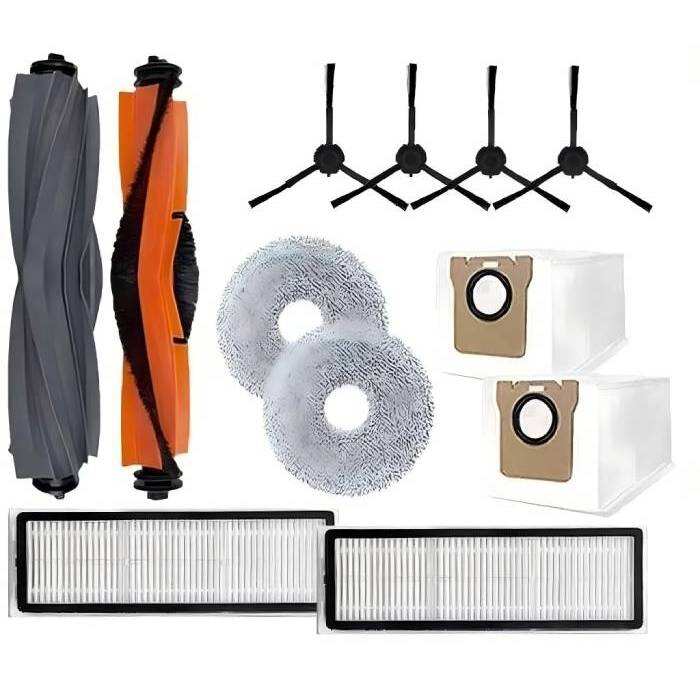
Revenue Model Advantages for Distributors
Recurring Revenue Opportunities
Robot vacuum accessories create predictable recurring revenue streams that fundamentally change the distribution business model from single transactions to ongoing customer relationships. Unlike the original robot vacuum purchase, which typically occurs every three to five years, accessories require regular replacement every three to twelve months depending on usage patterns and component type. This consistent demand allows distributors to forecast revenue more accurately and build sustainable business projections based on established customer bases.
The recurring nature of robot vacuum accessories sales means distributors can expect multiple touchpoints with the same customers throughout the product lifecycle. Brushes, filters, and cleaning solutions need replacement at different intervals, creating multiple sales opportunities per customer annually. This model reduces customer acquisition costs since existing customers return for consumables, making each customer relationship more valuable over time compared to single-purchase scenarios.
Seasonal demand patterns for robot vacuum accessories also provide distributors with predictable sales cycles that align with spring cleaning periods and holiday gift seasons. These patterns enable better inventory planning, cash flow management, and staffing decisions that optimize operational efficiency. Distributors can leverage these cycles to negotiate better terms with suppliers and plan promotional campaigns that maximize sales during peak demand periods.
Higher Profit Margins
Robot vacuum accessories typically offer distributors significantly higher profit margins compared to the base vacuum units themselves. While robot vacuum manufacturers often compete aggressively on hardware pricing, accessories maintain premium pricing due to compatibility requirements, quality expectations, and replacement necessity. These factors allow distributors to achieve gross margins of 40-60% on accessories compared to 15-25% margins typical for the main units.
The higher margin structure of robot vacuum accessories stems from reduced price competition and increased value perception among customers. Consumers understand that quality accessories directly impact cleaning performance and robot longevity, making them less price-sensitive for these components. This reduced price elasticity enables distributors to maintain pricing power and resist margin erosion that commonly affects consumer electronics categories.
Volume purchasing advantages become more pronounced with robot vacuum accessories due to their consumable nature and standardized compatibility requirements. Distributors can negotiate better unit costs by committing to larger quantities across multiple SKUs, knowing that inventory will turn over predictably. These volume advantages compound the already higher base margins, creating substantial profit improvements for distributors who effectively manage their accessory portfolios.
Customer Relationship and Loyalty Benefits
Enhanced Customer Engagement
High-quality robot vacuum accessories provide distributors with regular opportunities to engage customers and demonstrate ongoing value beyond the initial sale. Each accessory purchase creates a touchpoint for distributors to provide maintenance advice, recommend complementary products, and gather feedback about customer satisfaction and usage patterns. These interactions build trust and position distributors as knowledgeable partners rather than transactional vendors.
The technical nature of robot vacuum accessories allows distributors to showcase expertise and provide consultative value that differentiates them from online-only retailers. Customers often need guidance on replacement schedules, compatibility questions, and performance optimization techniques that benefit from in-person or direct consultation. This advisory role strengthens customer relationships and creates barriers to switching to alternative suppliers.
Educational opportunities around robot vacuum accessories enable distributors to build customer loyalty through value-added services. Demonstrating proper installation techniques, explaining maintenance schedules, and providing troubleshooting support creates positive customer experiences that extend beyond the product transaction. These educational interactions position distributors as trusted advisors and increase the likelihood of repeat business across multiple product categories.
Cross-Selling and Upselling Potential
Robot vacuum accessories serve as effective entry points for cross-selling related home automation and cleaning products to established customers. Customers who invest in quality accessories demonstrate commitment to maintaining their robotic cleaning systems and often show interest in complementary products such as additional cleaning solutions, protective accessories, or upgraded components. This buying behavior creates natural opportunities for distributors to expand order values and introduce new product categories.
The replacement cycle timing of different robot vacuum accessories allows distributors to plan strategic cross-selling campaigns that align with customer needs. When customers purchase new brushes or filters, they may also need cleaning solutions or protective mats, creating logical product bundles that increase transaction values. Understanding these complementary relationships helps distributors optimize inventory assortments and promotional strategies.
Premium accessory options provide upselling opportunities that enhance customer satisfaction while improving distributor profitability. Customers who experience superior performance from high-quality robot vacuum accessories often become willing to pay premium prices for enhanced versions or extended-life components. These upselling opportunities increase average order values and customer lifetime value for distributors who effectively communicate the benefits of premium options.
Competitive Positioning and Market Differentiation
Specialized Product Knowledge
Focusing on high-quality robot vacuum accessories allows distributors to develop specialized product knowledge that creates competitive advantages in the marketplace. Understanding compatibility matrices, performance characteristics, and replacement intervals for different accessory types enables distributors to provide expert guidance that general electronics retailers cannot match. This expertise becomes a valuable differentiator when customers need technical support or product recommendations.
The complexity of modern robot vacuum systems means that accessory compatibility and performance optimization require detailed technical knowledge. Distributors who invest in understanding these technical aspects can position themselves as category specialists and attract customers who value expert guidance over low-price alternatives. This specialization creates higher barriers to entry for competitors and establishes sustainable competitive moats.
Training staff on robot vacuum accessories technology and maintenance procedures enables distributors to offer value-added services that justify premium pricing and build customer loyalty. Technical expertise allows distributors to troubleshoot customer issues, recommend optimal replacement schedules, and provide installation assistance that enhances the overall customer experience. These service capabilities differentiate distributors from online retailers and create compelling reasons for customers to choose local partners.
Inventory Management Advantages
Robot vacuum accessories offer distributors significant inventory management advantages compared to the base units due to their smaller size, lighter weight, and standardized packaging requirements. These characteristics reduce warehousing costs, simplify logistics operations, and enable distributors to maintain broader product assortments without proportional increases in storage space or handling complexity.
The predictable replacement cycles of robot vacuum accessories enable more accurate demand forecasting and inventory planning compared to discretionary consumer electronics purchases. Distributors can use historical sales data and customer base analysis to predict accessory demand with greater accuracy, reducing both stockout risks and excess inventory costs. This predictability improves cash flow management and reduces working capital requirements.
Fast-moving nature of consumable robot vacuum accessories means inventory turns over more frequently than durable goods, improving return on investment calculations for distributors. Higher inventory turnover rates reduce carrying costs, minimize obsolescence risks, and improve cash conversion cycles. These financial advantages make accessory distribution more attractive from a working capital perspective compared to slower-moving electronic devices.
Market Growth and Future Opportunities
Expanding Robot Vacuum Adoption
The global robot vacuum market continues experiencing rapid growth, driven by increasing consumer acceptance, technological improvements, and falling price points that make robotic cleaning accessible to broader market segments. This growth directly translates to expanding demand for robot vacuum accessories as the installed base of devices increases and existing users require replacement components. Distributors positioned in this market can benefit from both unit growth and per-unit accessory demand increases.
Consumer behavior shifts toward automated home maintenance solutions create sustained demand growth for robot vacuum accessories beyond simple market expansion. As users become more sophisticated in their understanding of robot vacuum maintenance requirements, they increasingly prioritize quality accessories that enhance performance and extend device lifespan. This trend favors distributors who focus on premium accessory lines over low-cost alternatives.
Technological advances in robot vacuum design continue creating new accessory categories and upgrade opportunities that expand the total addressable market for distributors. Advanced features such as self-emptying bases, mopping capabilities, and smart navigation systems require specialized consumables and maintenance components that represent new revenue streams. Distributors who stay current with these innovations can capture first-mover advantages in emerging accessory segments.
Brand Partnership Opportunities
Robot vacuum manufacturers increasingly recognize the importance of authorized distribution channels for maintaining product quality and customer satisfaction throughout the ownership lifecycle. These manufacturers often prefer working with distributors who demonstrate commitment to accessory sales and customer support, creating partnership opportunities that include preferential pricing, marketing support, and exclusive territory rights.
Quality assurance becomes critically important for robot vacuum accessories since counterfeit or substandard components can damage expensive robot units and create liability issues. Manufacturers value distributors who maintain strict quality standards and provide traceability for accessory sales, making quality-focused distributors attractive partners for brand relationships. These partnerships can include co-marketing opportunities, training programs, and preferred supplier status that creates competitive advantages.
The emergence of subscription-based accessory delivery models creates new partnership opportunities between distributors and robot vacuum manufacturers or service providers. These programs require reliable distribution partners who can manage inventory, fulfill orders, and provide customer support for recurring shipments. Distributors who develop capabilities in subscription commerce can access these growing revenue streams and build stronger manufacturer relationships.
FAQ
How do robot vacuum accessories generate higher profits than selling the main units?
Robot vacuum accessories typically offer gross margins of 40-60% compared to 15-25% margins on the main vacuum units. This higher profitability stems from reduced price competition, necessity-based purchasing, and lower customer price sensitivity for quality replacement components. Additionally, accessories require less sales effort and technical support compared to major appliance sales, improving profit per transaction for distributors.
What types of robot vacuum accessories have the most consistent demand?
Filters, brushes, and cleaning solutions represent the highest-volume accessory categories due to their frequent replacement requirements. Main brushes typically need replacement every 6-12 months, side brushes every 3-6 months, and filters every 2-3 months depending on usage. These predictable replacement cycles create steady demand that distributors can forecast and plan inventory around with greater accuracy than discretionary accessory purchases.
How can distributors differentiate themselves in the robot vacuum accessories market?
Successful differentiation focuses on technical expertise, product quality assurance, and value-added services such as installation support and maintenance scheduling advice. Distributors who develop deep knowledge of compatibility requirements, replacement intervals, and performance optimization can position themselves as category specialists. Offering genuine manufacturer parts, providing expert consultation, and maintaining comprehensive inventory assortments creates compelling value propositions that justify premium pricing over online alternatives.
What inventory investment is typically required for robot vacuum accessories distribution?
Initial inventory investment for robot vacuum accessories distribution typically ranges from $10,000 to $50,000 depending on target market size and product breadth. The compact nature of accessories allows distributors to maintain diverse SKU assortments without extensive warehousing requirements. Fast inventory turnover rates of 6-12 times annually mean working capital requirements remain manageable while generating attractive returns on invested capital for distributors who effectively manage their accessory portfolios.
Table of Contents
- Revenue Model Advantages for Distributors
- Customer Relationship and Loyalty Benefits
- Competitive Positioning and Market Differentiation
- Market Growth and Future Opportunities
-
FAQ
- How do robot vacuum accessories generate higher profits than selling the main units?
- What types of robot vacuum accessories have the most consistent demand?
- How can distributors differentiate themselves in the robot vacuum accessories market?
- What inventory investment is typically required for robot vacuum accessories distribution?