
 EN
EN
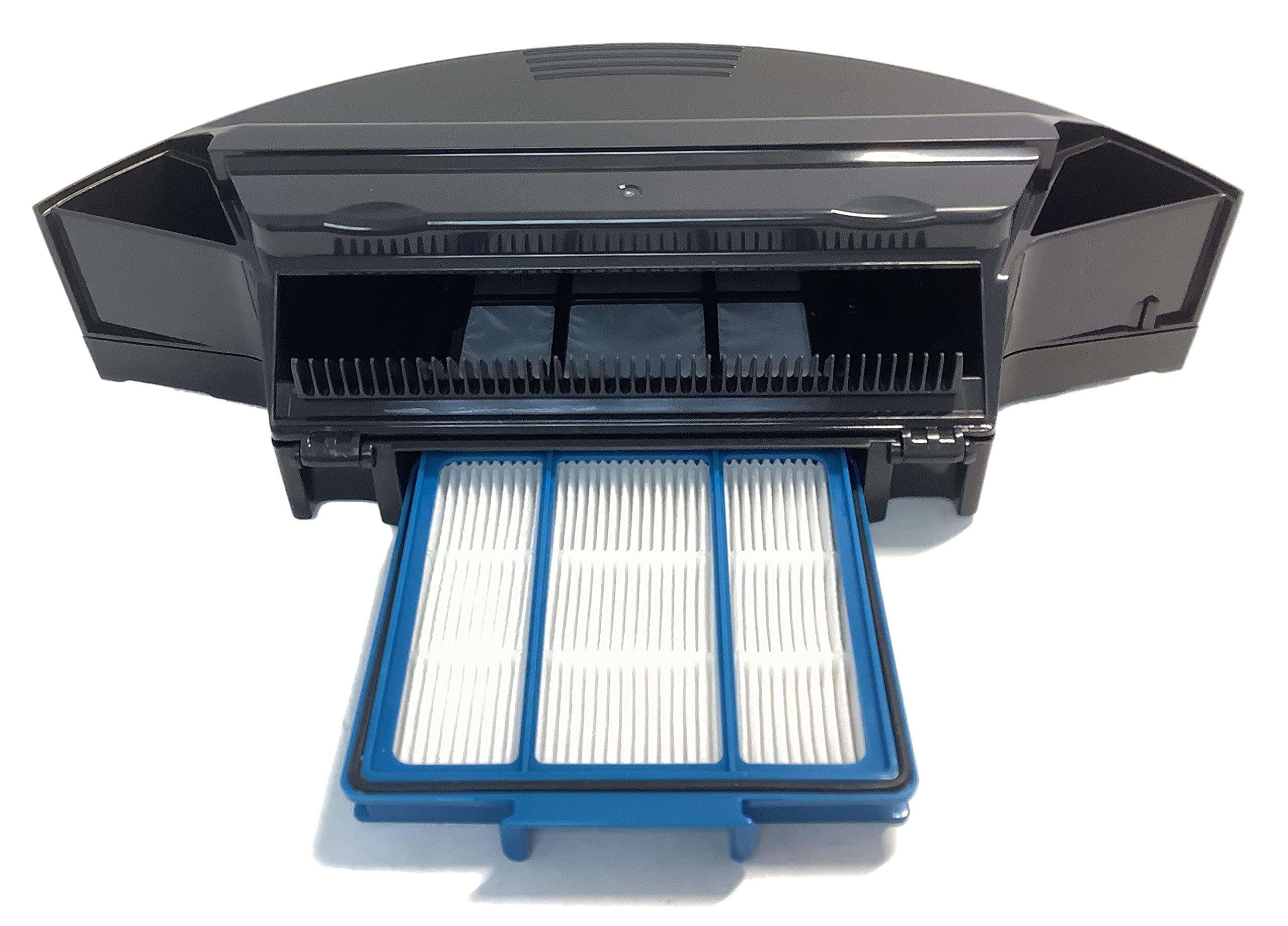
Temizlik aksesuarları pazarında toptan dağıtım söz konusu olduğunda, doğru robot süpürge fırçaları seçimi, envanter performansını, müşteri memnuniyetini ve uzun vadeli marjları doğrudan etkileyen bir karardır. Ürünleri sürekli olarak satan stok tutmak isteyen dağıtıcılar, toptancılar ve bayiler, bireysel tüketici tercihlerinin ötesine geçmeli ve geniş bir müşteri kitlesinde tekrarlayan satın alma davranışlarını neyin yönlendirdiğini değerlendirmelidir. Günümüzde mevcut olan robot süpürge fırçalarının çeşitliliği; farklı fırça tiplerini, malzemelerini, uyumluluk aralıklarını ve kalite seviyelerini kapsar — ancak bunların hepsi yüksek hacimli dağıtım kanalları için eşit derecede uygundur değildir.
Toptan dağıtım alanı için robot süpürge fırçaları uyumluluk kapsamı, değiştirme sıklığı ve piyasayı domine eden marka ekosistemleri tarafından şekillendirilir. Akıllı dağıtımcılar, en büyük kurulu kullanıcı tabanına sahip robot süpürge platformlarına dikkatle bakarlar; çünkü bu sistemler, yedek parça talebini en tutarlı şekilde oluşturanlardır. Bu makale, toptan ticaret açısından gerçekten optimize edilmiş robot süpürge fırçalarının seçiminde dikkat edilmesi gereken temel kriterleri analiz eder; bunlar arasında fırça türleri, uyumluluk stratejisi, kalite standartları ve ölçekli işlemlerde önemli olan teslimat hususları yer alır.
Dağıtım İçin Robot Süpürge Fırçalarının Türlerini Anlamak
Ana Fırçalar ve Talep Hacmindeki Rolü
Ana fırça — aynı zamanda döner fırça veya çalkalayıcı fırça olarak da bilinir — çoğu robot süpürge sisteminde merkezde yer alan mekanik bileşendir. Bu fırça, zemin yüzeyleriyle doğrudan temas ederek kir ve kalıntıyı harekete geçirir ve onları emme girişine doğru yönlendirir. Bu sürekli mekanik temas nedeniyle ana fırçalar, herhangi bir robot süpürge ürün gamında en sık değiştirilen aksesuarlar arasındadır. Dağıtıcılar için bu durum şunu ifade eder: robot süpürge fırçaları ana fırça çeşitlerinin tamamı, güvenilir ve yüksek devir hızına sahip bir SKU kategorisini temsil eder.
Ana fırçalar genellikle iki farklı malzeme çeşidinde gelir: kıllı ve lastikli. Kıllı ana fırçalar halılar ve derinlemesine yerleşmiş kirler üzerinde etkilidir; buna karşılık lastikli ana fırçalar sert zeminler ve evinde evcil hayvan bulunan kullanıcılar için tercih edilir çünkü saç dolanmalarına daha dirençlidir. Toplu dağıtım açısından, aynı uyumlu platform için her iki varyantı da stoklamak, envanter stratejinizi parçalamadan çeşitli müşteri segmentlerine hizmet verme yeteneğinizi maksimize eder.
Değerlendirirken robot süpürge fırçaları toplu satın alım için ana fırçalar, temel ürün olarak kabul edilir. Bunlar genellikle en yüksek değiştirme sıklığına sahip olma eğilimindedir, tüketiciler arasında en geniş bilinirliğe sahiptir ve yeniden sipariş verme potansiyeli en güçlü olandır. Popüler robot süpürge modelleri için uyumlu ana fırçaları stoklayan bir dağıtım şirketi, müşterilere yalnızca tek bir satın alma döngüsünde değil, birden fazla satın alma döngüsü boyunca hizmet verebilir.
Yan Fırçalar: Yüksek Hacimli Tamamlayıcı Ürün
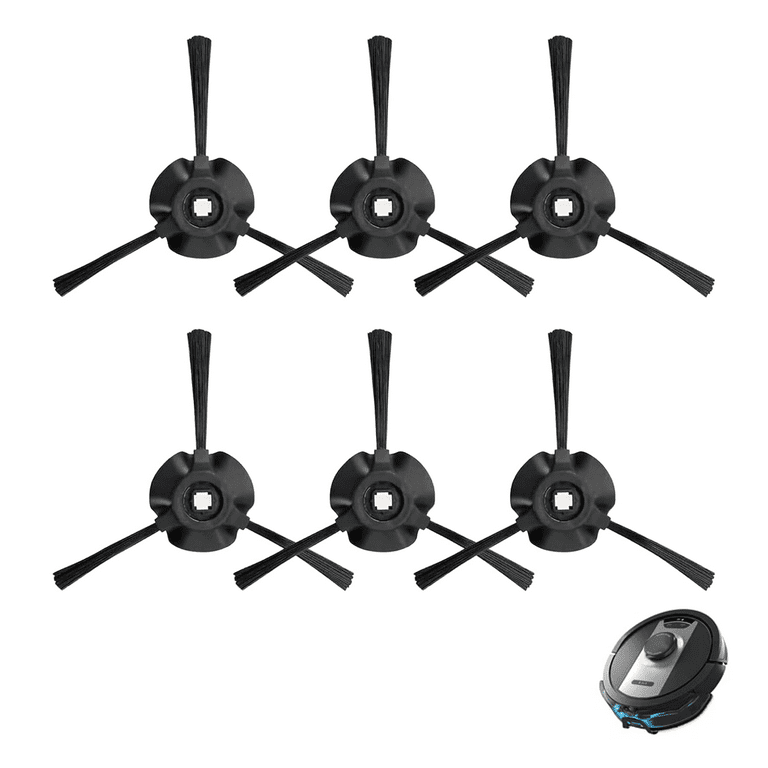
Yan fırçalar, aynı zamanda kenar fırçaları olarak da bilinir ve çoğu robot süpürgenin ön köşelerine monte edilen küçük dönen fırçalardır. Amacıkları, kirleri duvar kenarlarından ve köşelerden ana emme yoluna doğru süpürmektir. Yan fırçalar, sürekli yüksek hızda dönme ve taban tahtaları, mobilya ayakları ve köşelerle temas etme nedeniyle önemli ölçüde aşınmaya uğrar. Bu durum, yan fırçaları da ana fırçalarla birlikte herhangi bir toplu dağıtım kataloğunda yer alması gereken başka bir yüksek frekanslı değiştirme parçası haline getirir. robot süpürge fırçaları .
Dağıtıcılar için yan fırçaların temel bir avantajı, birçok robot süpürge platformunun birden fazla modelde standartlaştırılmış yan fırça formatlarını kullanmasıdır. Bu durum, tek bir SKU'nun aynı markanın robot süpürgelerinin birkaç neslini bazen aynı anda karşılayabilmesini sağlar ve böylece stok verimliliğini önemli ölçüde artırır. Hangi ürünleri robot süpürge fırçaları toplu olarak stoklamak gerektiğini değerlendirirken, çapraz model uyumluluğu sunan yan fırçalar seçmek, pazar kapsamanızı azaltmadan SKU karmaşıklığınızı düşürmenizi sağlar.
Yan fırçalar ayrıca ana fırçalara kıyasla birim maliyet açısından genellikle daha ucuzdur; bu da onları çekici bir ek satın alma ürünü haline getirir. Dağıtıcılar, yan fırçaları ana fırçalarla birlikte aksesuar kiti olarak paketleyerek genellikle daha yüksek ortalama sipariş değerleri ve daha iyi müşteri bağlılığı elde ederler; çünkü müşteriler, tek tek parçalar yerine tam bir yedek parça seti almayı tercih ederler.
Uyumluluk Stratejisi: Toplu Dağıtım Uygunluğunun Temeli
Robot Süpürgeleri İçin Fırçaları Yüksek Kurulum Tabanlı Platformlarla Uyumlandırma
Toplu dağıtım için uyumluluk her şeydir. Stoklama robot süpürge fırçaları niche veya üretilmeyen platformlara uygun olanlar, ölü envanter yolunun hızlı bir yoludur. Dağıtım açısından en uygun robot süpürge fırçaları, büyük, aktif ve büyüyen bir kullanıcı tabanına sahip platformlar için tasarlananlardır. Popüler orta ila üst düzey robot süpürge ekosistemleri, özellikle bu markaların güçlü küresel dağıtıma sahip olması ve ana perakende pazarlarında yerleşik bir varlığı olması durumunda, en sürdürülebilir yedek parça talebini yaratır.
Yeni modelleri düzenli olarak piyasaya sürerken aynı zamanda geriye dönük uyumlu aksesuar formatlarını koruyan platformlar, dağıtıcılar için özellikle değerlidir. Bir markanın yeni modelleri eski modellerle aynı fırça formatlarını kabul ettiğinde, mevcut stokunuz yeni müşterilere hizmet vermeye devam eder ve yeni SKU yatırımları gerektirmez. Bu tür uyumluluk sürekliliği, hangi ürünlerin toptan dağıtım kataloğuna dahil edilmesi gerektiğine karar verirken kritik bir faktördür. robot süpürge fırçaları ürünlerin, toptan dağıtım kataloğunda yer almayı hak ettiği
Dreame gibi önde gelen robot süpürge platformlarıyla uyumlu aksesuarlar sunan tedarikçilerle çalışan dağıtım şirketleri, güçlü kullanıcı büyümesi ve sık aksesuar değiştirme döngüleriyle karakterize edilen bir ekosisteme erişim sağlayarak avantaj elde eder. Örneğin; robot süpürge fırçaları l10 Plus, Z10 Pro ve D10 Plus gibi Dreame modelleriyle uyumlu ürünler, toplu stoklamayı ticari olarak mantıklı kılan, platforma özel ve yüksek talep gören envanterin tam olarak o örneğidir.
Çoklu Model Uyumluluğu ve SKU Verimliliği
Toplu olarak değerlendirilen ürünler için dağıtım şirketlerinin dikkat etmesi gereken en önemli kavramlardan biri robot süpürge fırçaları toplu satın alma kararlarıdır. Tek bir fırça tasarımı, aynı marka ailesi içindeki veya hatta farklı markalardaki birden fazla robot süpürge modeline uyuyorsa, bu SKU ile ilişkili envanter riski önemli ölçüde azalır. Beş modele uyan bir fırça, yalnızca tek bir modele uyan bir fırçaya kıyasla beş kat daha fazla alıcı bulma olasılığına sahiptir; bu nedenle çapraz uyumlu tasarımlar, ölçekli dağıtıma temelde daha uygundur.
Robot süpürge fırçaları için toptan dağıtımda etkili SKU yönetimi, her fırça türünü hizmet verdiği platformlarla eşleştirmeyi ve ardından bu kapsamı gerçek pazar penetrasyon verileriyle değerlendirmeyi içerir. Geniş bir kurulu tabana hizmet veren fırçalar daha düşük risklidir. Dar veya azalan bir kurulu tabana hizmet veren fırçalar, ne kadar iyi mühendislikle tasarlanmış olurlarsa olsunlar, daha yüksek risklidir. Dağıtım uygunluğu, nihayetinde ürün kalitesinden çok pazar kapsamı sorusudur.
Bir çeşitlilik oluşturmak robot süpürge fırçaları katmanlı uyumluluk sunan — geniş platform kapsamını, en yüksek hacimli platformlar için model özel varyantlarla tamamlayan — bir ürün yelpazesi, dağıtıcılara hem derinlik hem de verimlilik sağlar. Bu yaklaşım, mümkün olan en geniş müşteri kitlesine hizmet verebilmenizi sağlarken aynı zamanda kataloğunuzu pratik olarak yönetilebilir düzeyde tutmanızı da garanti eder.
Toplu Alıcılar İçin Önem Arz Eden Kalite Referans Değerleri
Malzeme Dayanıklılığı ve İade Oranları Üzerindeki Etkisi
Toplu dağıtımda ürün kalitesi, iade oranlarını, müşteri şikayetlerini ve marka itibarını doğrudan etkiler. Robot süpürge fırçaları kötü şekilde üretilen ürünler doğru şekilde oturabilir ancak erken aşınma gösterebilir; bu da hızlandırılmış aşınmaya, temizleme performansında azalmaya ve müşterilerde hayal kırıklığına neden olur. Dağıtıcılar, tedarikçi seçimi sırasında kalite standartlarına öncelik vererek satış sonrası sorunları önemli ölçüde azaltabilir ve daha güçlü uzun vadeli müşteri ilişkileri kurabilir.
Ana fırçalar için sürekli çalışma koşulları altında kıllı veya lastik malzemelerin dayanıklılığı, birincil kalite göstergesidir. Yüksek elastikiyete sahip lastik bileşimlerinden veya sık dokunmuş kıllı malzemelerden üretilen fırçalar, daha uzun çalışma saatleri boyunca temizleme geometrilerini korur; bu da doğrudan daha uzun bakım ömrüne ve daha az iadeye çevrilir. Değerlendirme yapılırken robot süpürge fırçaları toplu satın alma amacıyla, tedarikçilerden malzeme bileşimi verilerini ve bağımsız aşınma döngüsü test sonuçlarını talep etmek, makul bir özen gösterme adımıdır.
Yan fırçalar için, göbeğin oturması — robotun fırça motor mili miline bağlanan merkezi montaj — kritik bir dayanıklılık faktörüdür. Gevşek veya hassasiyetsiz bir göbek oturması titreşimlere, eşit olmayan aşınmaya ve erken arızaya neden olur. Yüksek kaliteli yan fırçalar, uzun süreli kullanım boyunca tutarlı döndürme geometrisini koruyan dar toleranslı göbek tasarımlarına sahiptir. Bu görünüşte küçük ayrıntı, müşteri deneyimi üzerinde büyük bir etkiye sahiptir ve dolayısıyla sizin olarak dağıtıcı olarak iade ve değişim oranlarınız üzerinde de önemli bir etkisi vardır.
Oturma Hassasiyeti ve Kurulum Deneyimi
Kurulum deneyimi, birçok dağıtıcının başlangıçta düşündüğünden daha fazla önem taşır. Robot süpürge fırçaları kurulumu zor olan, aşırı kuvvet gerektiren ya da yerine sağlam bir şekilde 'tık' sesiyle oturmayan ürünler, orantısız düzeyde müşteri destek taleplerine neden olur. Özellikle B2C dağıtım bağlamlarında kurulum kolaylığı, müşteri memnuniyet puanları ve olumlu incelemeler açısından önemli bir faktördür.
Uygunluk hassasiyeti — fırçanın boyutlarının hedef platform için orijinal ekipman üreticisi (OEM) spesifikasyonlarına ne kadar doğru uyduğu — kurulum deneyimini belirleyen temel faktördür. Kesin boyutsal toleranslarla tasarlanan fırçalar sorunsuz şekilde takılır, doğru konuma oturur ve zorlamaya veya modifikasyona gerek kalmadan amaçlandığı gibi çalışır. Toplu dağıtım yapan firmalar için robot süpürge fırçaları , yalnızca doğru boyutsal mühendisliğe yatırım yapan tedarikçilerle çalışmak, müşteri güvenini büyük ölçekte korumak açısından hayati öneme sahiptir.
Teknik boyutun ötesinde, ambalaj kalitesi de algılanan kurulum deneyimini etkiler. İyi korunarak ulaşan, uyumluluk bilgileriyle açıkça etiketlenmiş ve temel kurulum talimatlarıyla birlikte verilen fırçalar, müşteri hatalarını azaltır ve gereksiz iadeleri en aza indirir. Toplu tedarik seçenekleri değerlendirilirken robot süpürge fırçaları , ambalaj kalitesi, ürün kalitesi değerlendirmesinin bir parçası olarak ele alınmalı; ikinci planda bırakılmamalıdır.
Yüksek Hacimli Robot Süpürge Fırçası Siparişleri İçin Teslimat ve Lojistik Hususları
Paket Formatları ve Depolama Verimliliği
Toplu dağıtım robot süpürge fırçaları sadece bir satın alma kararı değil — aynı zamanda bir lojistik karar da olup, fırçaların fiziksel boyutu, özellikle uzunca şekilli ana fırçaların, nasıl verimli bir şekilde paketlenebileceğini, depolanabileceğini ve sevk edilebileceğini etkiler. Büyük hacimli robot süpürge fırçası siparişleriyle çalışan dağıtıcılar, ürün korumasını riske atmadan palet yoğunluğunu maksimize eden — genellikle ana kutular içinde çoklu birim iç paketler sunan — tedarikçilerden yararlanırlar.
Depolama verimliliği, kendi teslimat altyapılarını işleten dağıtıcılar için özellikle önemlidir. Uzunca ana fırçalar, filtreler veya toz torbaları gibi daha kısa aksesuarlardan farklı özel raf yapılandırmaları gerektirir. Fırçaların boyutsal özelliklerini barındıracak şekilde depolama yerleşim planlaması yapmak; robot süpürge fırçaları diğer temizlik aksesuarı SKUnuzla birlikte depo kullanımınızı ve seçme-paketleme verimliliğinizi optimize etmenize yardımcı olur.
Üçüncü taraf ürün yerleştirme ortakları veya doğrudan sevkiyat modelleriyle çalışan dağıtım şirketleri için, fırça tedarikçinizin ambalajının büyük ölçekli ürün yerleştirme platformlarının gerektirdiği boyut ve ağırlık spesifikasyonlarını karşıladığını doğrulamak kritik öneme sahiptir. Uyumsuz ambalaj, ek ücretler, yeniden işlenme maliyetleri veya nakliye hasarlarına neden olabilir — bunların hepsi toplu alımın getirdiği marj avantajını azaltır.
Robot Süpürge Fırçaları İçin Yeniden Sipariş Döngüleri ve Talep Tahmini
Stoklamak için en değerli yönlerden biri robot süpürge fırçaları Toplu dağıtım için en önemli faktör, talep tahmin edilebilirliğidir. Müşterilerin bir defa satın aldığı dayanıklı ürünlerden farklı olarak fırçalar, nispeten öngörülebilir değişim aralıklarına sahip tüketim amaçlı aksesuarlardır. Ana fırçalar genellikle normal kullanım koşullarında altı ile on iki ayda bir değiştirilmelidir; yan fırçalar ise üç ile altı ayda bir değiştirilmelidir. Bu durum, dağıtıcıların talebi tahmin edip stoklarını buna göre planlayabileceği doğal bir tekrarlayan talep deseni oluşturur.
Müşteri hesaplarınız arasında yeniden sipariş davranışlarını takip ederek, taşıdığınız her uyumlu robot süpürge fırçaları SKU için güvenilir talep modelleri oluşturabilirsiniz. Yeniden sipariş döngülerini proaktif olarak yöneten dağıtıcılar — örneğin B2B müşterileri için otomatik yenileme uyarıları ayarlayarak — stokta tükenme riskini azaltırken aynı zamanda tedarikçileriyle olan satın alma desenlerini de daha düzenli hale getirirler. Taleple ilgili bu düzeyde görünürlik, stokta tükenme durumunun müşterileri rakip markalara yönlendirebileceği bir ürün kategorisinde önemli bir operasyonel avantaj sağlar.
Talep tahmini için robot süpürge fırçaları ayrıca mevsimsel desenleri de dikkate almalıdır. Temizlik aksesuarları pazarı, bahar temizliği mevsiminin başlangıcında, büyük indirim etkinlikleri sırasında ve robot süpürgelerin genellikle hediye olarak satın alındığı tatil dönemlerinde talep artışları yaşamaktadır. En yüksek devir hızına sahip fırça STK’larınız için mevsimsel stok tamponları oluşturmak, yavaş dönemlerde fazla stoklanmadan zirve talebi yakalamayı sağlar.
SSS
Dağıtım kanallarında hangi tür robot süpürge fırçaları en yüksek yeniden sipariş sıklığını oluşturur?
Ana fırçalar ve yan fırçalar, robot süpürge aksesuarları kategorisinde sürekli olarak en sık değiştirilen ürünlerdir. Ana fırçalar genellikle altı ile on iki ayda bir, yan fırçalar ise üç ile altı ayda bir değiştirilmelidir. Dağıtıcılar için bu iki fırça türü, robot süpürge fırçalarına odaklanan toplu dağıtım kataloğunun temelini oluşturmalıdır.
Toplu stok amacıyla robot süpürge fırçaları seçerken platform uyumluluğu ne kadar önemlidir?
Platform uyumluluğu, robot süpürge fırçalarıyla toplu dağıtım başarısı için en kritik faktördür. Büyük ve aktif bir kullanıcı tabanına sahip platformlarla uyumlu fırçaların stoklanması, tutarlı talebi sağlar ve ölü envanter riskini azaltır. Aynı marka ekosistemindeki birden fazla modele uyan tek bir fırça SKU’su ile sağlanan çapraz model uyumluluğu, özellikle büyük ölçekte envanter verimliliğini artırmak açısından son derece değerlidir.
Toplu alıcılar, robot süpürge fırçaları tedarik ederken hangi kalite göstergelerine öncelik vermeli?
Toplu alıcılar, malzeme dayanıklılığına, boyutsal uyum hassasiyetine ve hub (merkez) bağlantısı kalitesine öncelik vermeli. Dayanıklı fırça malzemeleri, değiştirme sıklığını ve iade oranlarını azaltır. Kesin boyutsal toleranslar, robot süpürgede sorunsuz montajı ve doğru oturma konumunu sağlar. Yan fırçalardaki yüksek kaliteli hub bağlantıları, titreşimi, düzensiz aşınmayı ve erken arızayı önler; bu durumların hepsi doğrudan müşteri memnuniyetini ve satış sonrası destek maliyetlerini etkiler.
Aksesuar kiti, tek başlarına satılan robot süpürge fırçalarına kıyasla toptan dağıtıma daha mı uygundur?
Ana fırçaları, yan fırçaları, filtreleri ve diğer tüketim maddelerini bir araya getiren aksesuar kiti, daha yüksek ortalama sipariş değerleri sunması ve müşterilere daha eksiksiz bir çözüm sağlaması nedeniyle dağıtım kanallarında genellikle iyi performans gösterir. Ancak bileşenleri farklı zaman aralıklarında değiştiren müşteriler için tek başlarına satılan robot süpürge fırçaları da yine önemini korumaktadır. Hem kiti hem de tek tek bileşenleri içeren dengeli bir ürün yelpazesi, dağıtıcılara müşteri satın alma davranışlarının tamamını karşılayacak esneklik sağlar.
İçindekiler Tablosu
- Dağıtım İçin Robot Süpürge Fırçalarının Türlerini Anlamak
- Uyumluluk Stratejisi: Toplu Dağıtım Uygunluğunun Temeli
- Toplu Alıcılar İçin Önem Arz Eden Kalite Referans Değerleri
- Yüksek Hacimli Robot Süpürge Fırçası Siparişleri İçin Teslimat ve Lojistik Hususları
-
SSS
- Dağıtım kanallarında hangi tür robot süpürge fırçaları en yüksek yeniden sipariş sıklığını oluşturur?
- Toplu stok amacıyla robot süpürge fırçaları seçerken platform uyumluluğu ne kadar önemlidir?
- Toplu alıcılar, robot süpürge fırçaları tedarik ederken hangi kalite göstergelerine öncelik vermeli?
- Aksesuar kiti, tek başlarına satılan robot süpürge fırçalarına kıyasla toptan dağıtıma daha mı uygundur?