 EN
EN
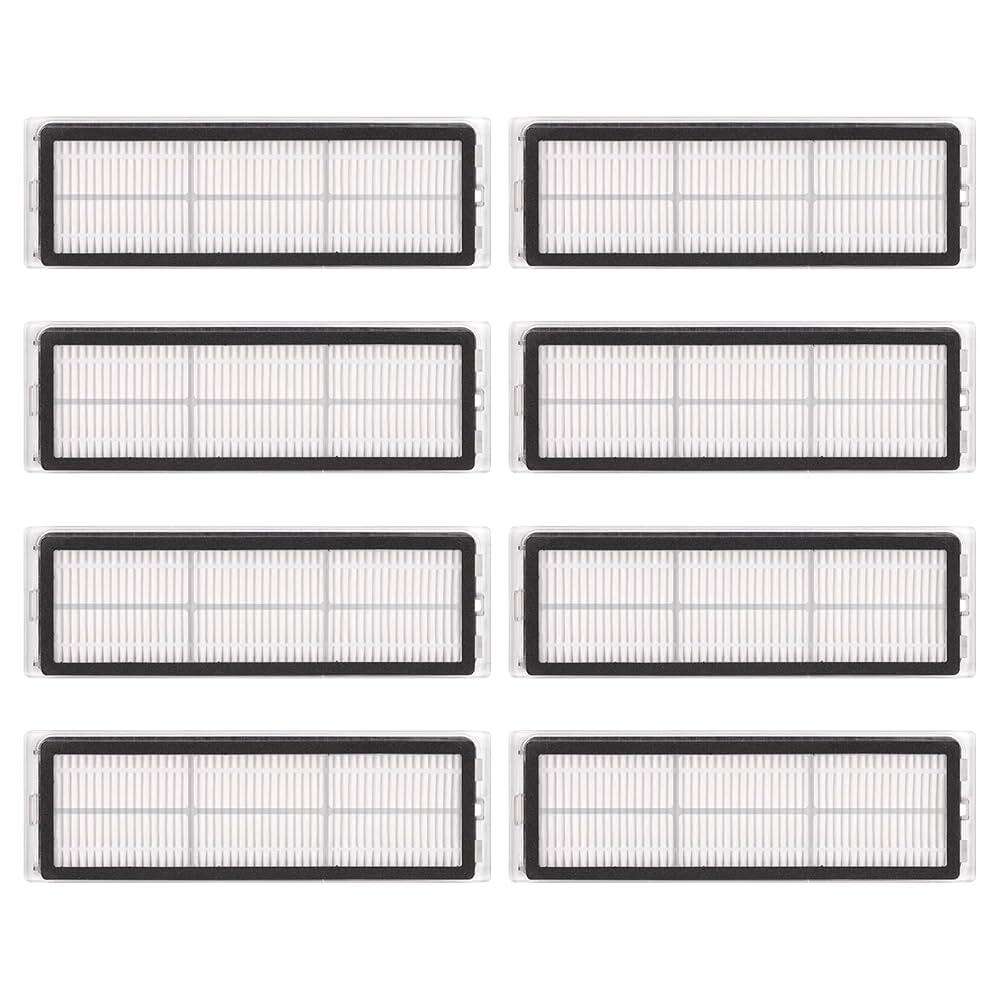
For distributors operating in the consumer electronics and home appliance space, selecting the right robot vacuum parts manufacturer is one of the most consequential decisions in the supply chain. Unlike finished goods, components and consumable parts directly influence product longevity, end-user satisfaction, and ultimately, your brand's credibility in the market. A single batch of substandard brush rolls or poorly fitted filter assemblies can trigger returns, warranty claims, and damaging reviews that are difficult to recover from.
This is why quality evaluation must go beyond a simple price comparison or catalog review. Distributors who consistently source high-performing parts do so through a structured, multi-layered assessment of the robot vacuum parts manufacturer they work with. Understanding what to look for — from production certifications to material traceability — empowers distributors to make confident, defensible sourcing decisions. This article breaks down the evaluation process in practical terms, giving you a reliable framework for choosing and vetting manufacturing partners.
Understanding the Scope of What a Robot Vacuum Parts Manufacturer Produces
The Range of Components That Define Part Quality
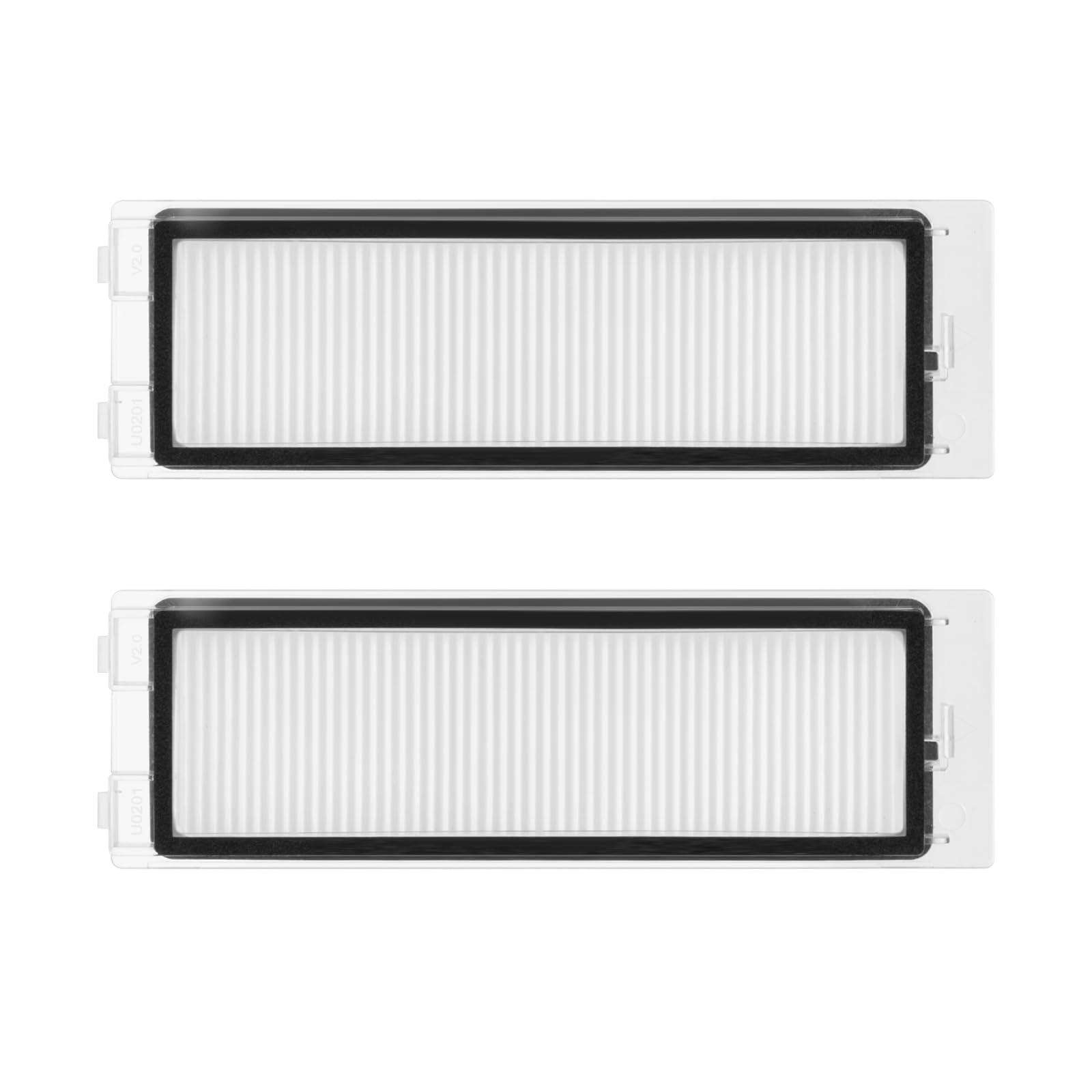
A qualified robot vacuum parts manufacturer produces far more than brushes and dustbins. The full scope of components includes side brush assemblies, main roller brushes, HEPA and mesh filter systems, mop pads, water tanks, charging contacts, sensor covers, and accessory consumable sets. Each of these parts must meet specific dimensional tolerances, material standards, and performance durability thresholds.
When evaluating a manufacturer, distributors should first understand the breadth of their product catalog. A manufacturer that produces only a narrow range of generic components may struggle with precision engineering requirements for newer robot vacuum platforms. In contrast, a manufacturer that supports specific model lines — such as accessories engineered for premium robot vacuums — demonstrates the capacity for precision and model-specific compliance.
Look for product lines that include consumable sets rather than only individual parts. A robot vacuum parts manufacturer that bundles components into coordinated accessory sets shows awareness of how end users actually replace and maintain their devices, which is a sign of deeper market understanding and engineering intent.
Why Model Compatibility Signals Manufacturing Sophistication
Model-specific compatibility is one of the clearest indicators of a manufacturer's technical capability. Producing parts that fit precisely across different robot vacuum platforms — especially high-end models with tight tolerances — requires reverse engineering expertise, quality molds, and strict dimensional control. A manufacturer that can demonstrate cross-model compatibility without sacrificing fit or function is operating at a higher level of precision manufacturing.
Distributors should request fit-test samples and verify them against actual devices before committing to bulk orders. This practice reveals manufacturing accuracy in ways that no catalog description or factory tour can replicate. If a part fits loosely, jams during operation, or fails to maintain consistent contact with internal mechanisms, it signals potential quality control gaps at the production level.
Certifications and Quality Management Systems
What Certifications to Look For in a Manufacturer
Certifications are not merely paperwork — they represent a manufacturer's commitment to systematic quality management. When evaluating a robot vacuum parts manufacturer, distributors should look for internationally recognized certifications such as ISO 9001 for quality management systems. This certification confirms that the manufacturer follows documented processes for design, production, testing, and corrective action, reducing the risk of inconsistent batch quality.
For parts that include electrical contacts or plastic materials with potential exposure to heat, certifications related to material safety and environmental compliance — such as RoHS or REACH compliance — are also significant. These ensure that consumable components are safe for end users and meet import requirements in major markets like the European Union and North America.
Ask the manufacturer to provide current, verifiable certification documents rather than outdated copies. A reputable robot vacuum parts manufacturer will maintain up-to-date certifications as part of ongoing business practice, not just as a sales tool during initial negotiations.
In-House Testing Capabilities and QC Infrastructure
Beyond certifications, distributors should evaluate the physical quality control infrastructure within the manufacturing facility. Does the manufacturer conduct incoming material inspection before production begins? Do they perform dimensional testing during production runs? Is there a final outgoing quality check before shipment? These three checkpoints define a robust quality assurance system.
A robot vacuum parts manufacturer with in-house testing labs — including equipment for tensile testing of brush bristles, airflow testing of filter components, and life-cycle testing of mop pads — demonstrates a serious investment in product reliability. Manufacturers who rely solely on visual inspection or outsource all testing are more likely to produce inconsistent batches, especially under production pressure.
Request documentation or video evidence of QC procedures before finalizing a partnership. Serious manufacturers will have this readily available and will not hesitate to share it with prospective distribution partners.
Material Standards and Supply Chain Traceability
How Raw Material Quality Affects End-Product Performance
The quality of a robot vacuum part begins long before assembly — it starts with raw material selection. For brush assemblies, bristle stiffness, fiber diameter, and resistance to deformation over extended use cycles are all determined by the grade of material used. For filter components, fiber density, electrostatic charge properties, and resistance to moisture all depend on the sourcing quality of non-woven or HEPA-grade filtration media.
A credible robot vacuum parts manufacturer maintains documented supplier lists and material specifications. When distributors ask where materials are sourced and what standards they meet, a well-organized manufacturer should be able to answer clearly. Vague or evasive responses around material sourcing are a red flag that deserves further investigation before committing to a supply relationship.
Distributors should also consider requesting material test reports for key components, especially for parts like HEPA filters where performance is directly linked to material quality. These reports should show actual filtration efficiency results, not just claims made in marketing materials.
Traceability Systems and Batch Accountability
Traceability means that if a quality issue arises, both the distributor and the manufacturer can trace it back to a specific production batch, material lot, or process step. This capability is essential for protecting distributors from widespread product recall scenarios. A robot vacuum parts manufacturer with batch-level tracking systems allows issues to be isolated and resolved quickly, minimizing exposure to the distributor's customer base.
Ask whether the manufacturer uses lot numbering systems, production date codes, or digital traceability tools. Even relatively simple systems — such as batch logs tied to shipment records — provide a baseline level of accountability that separates quality-focused manufacturers from those operating without systems. The absence of any traceability infrastructure is a serious concern, particularly for distributors serving retailers or professional users who expect accountability.
Responsiveness, Communication, and Technical Support
Communication Quality as a Proxy for Operational Reliability
How a robot vacuum parts manufacturer communicates during the evaluation phase reveals a great deal about how they will behave as a long-term supply partner. Manufacturers who respond to technical questions promptly, provide detailed product documentation without being asked, and proactively flag potential compatibility issues are demonstrating the kind of operational discipline that translates into consistent delivery performance.
Conversely, manufacturers who are slow to respond to samples requests, provide incomplete technical specifications, or deflect detailed questions about their processes are signaling that they may not have the systems in place to support a demanding distribution partnership. Distributors should treat the evaluation phase as a rehearsal for what the relationship will look like under pressure — such as a tight reorder window or an urgent customer complaint.
Establish clear communication benchmarks during the evaluation period: response times to technical inquiries, turnaround on sample requests, and clarity of product documentation. If a robot vacuum parts manufacturer cannot meet reasonable communication standards during sales, they are unlikely to improve after the contract is signed.
Technical Support and After-Sales Service Capability
For distributors, the relationship with a parts manufacturer does not end at delivery. Questions about installation compatibility, end-user complaints about part performance, and requests for updated product versions all require a manufacturer who is capable of providing technical support. A manufacturer with a dedicated after-sales team, clear escalation procedures, and documented troubleshooting resources is far more valuable than one offering low prices with no support infrastructure.
Ask how the manufacturer handles quality complaints from distributors. Is there a formal RMA process? Do they conduct root cause analysis and provide corrective action reports? These questions separate professional manufacturing operations from transactional suppliers. A quality-focused robot vacuum parts manufacturer will view distributor feedback as a tool for continuous improvement, not as an inconvenience.
Production Capacity and Long-Term Supply Stability
Evaluating Scalability Without Sacrificing Quality
A manufacturer may produce high-quality parts in small batches but struggle to maintain those standards at scale. Distributors planning for seasonal demand spikes or long-term category growth must evaluate whether the robot vacuum parts manufacturer has the production capacity to scale without compromising quality. This assessment should include understanding the number of production lines, available mold sets, and workforce capacity.
Request information about lead times during peak production periods and ask whether the manufacturer has ever faced supply disruptions related to capacity constraints. A manufacturer that has scaled successfully in the past will have documented processes for managing demand increases without reducing quality oversight. Look for evidence of investment in automation or process improvements as a sign that the manufacturer is building for long-term capacity growth.
Supply Chain Resilience and Risk Management
Beyond raw capacity, distributors should assess how a robot vacuum parts manufacturer manages supply chain risk. Do they maintain safety stock of critical raw materials? Do they have backup suppliers for key components? Are they exposed to single-source dependencies that could create sudden stockouts? These questions matter enormously for distributors who have made commitments to retailers or end customers.
A manufacturer with a resilient supply chain is one that has thought carefully about risk scenarios and taken concrete steps to mitigate them. This level of operational maturity is often reflected in how a manufacturer talks about their business — manufacturers who can articulate their contingency plans clearly are the ones who have actually thought them through. Those who give vague reassurances without specific examples are more likely to be caught unprepared during a disruption.
Distributors who take the time to evaluate supply stability early in the relationship protect themselves from one of the most damaging scenarios in parts distribution — running out of inventory precisely when customer demand peaks. A strong robot vacuum parts manufacturer partner reduces this risk meaningfully through proactive planning and transparent communication.
FAQ
What is the most important factor when evaluating a robot vacuum parts manufacturer?
The most important factor is the manufacturer's quality management system, which encompasses certifications, in-house testing infrastructure, and raw material standards. A robot vacuum parts manufacturer with documented quality control at every stage of production — from incoming materials to outgoing inspection — provides the most reliable foundation for a consistent supply relationship. Without systematic quality management, even technically capable manufacturers will produce inconsistent results over time.
How can distributors verify that parts are compatible with specific robot vacuum models?
The most reliable verification method is physical sample testing on actual devices. Distributors should request production samples from the robot vacuum parts manufacturer and test fit, function, and durability on the specific models they serve. Dimensional specifications and compatibility claims in product catalogs should be treated as starting points, not final confirmation. Real-world fit testing before bulk ordering eliminates the risk of costly compatibility failures after delivery.
What documentation should a distributor request from a robot vacuum parts manufacturer?
Distributors should request ISO or relevant quality certifications, material test reports, product dimensional specifications, and batch traceability documentation. For parts involving filtration, efficiency test data is also critical. A reputable robot vacuum parts manufacturer will have these documents readily available. Reluctance or inability to provide standard documentation is a signal that the manufacturer may not have the quality infrastructure needed to support a professional distribution channel.
How does communication during the evaluation phase predict long-term supplier reliability?
Communication quality during the evaluation phase is one of the strongest predictors of long-term reliability. A robot vacuum parts manufacturer that responds promptly to technical questions, provides complete documentation without repeated follow-up, and proactively identifies potential issues is demonstrating operational discipline. These behaviors reflect internal systems and culture that will persist throughout the supply relationship. Poor communication during sales negotiations rarely improves after contracts are signed.
Table of Contents
- Understanding the Scope of What a Robot Vacuum Parts Manufacturer Produces
- Certifications and Quality Management Systems
- Material Standards and Supply Chain Traceability
- Responsiveness, Communication, and Technical Support
- Production Capacity and Long-Term Supply Stability
-
FAQ
- What is the most important factor when evaluating a robot vacuum parts manufacturer?
- How can distributors verify that parts are compatible with specific robot vacuum models?
- What documentation should a distributor request from a robot vacuum parts manufacturer?
- How does communication during the evaluation phase predict long-term supplier reliability?