
 EN
EN
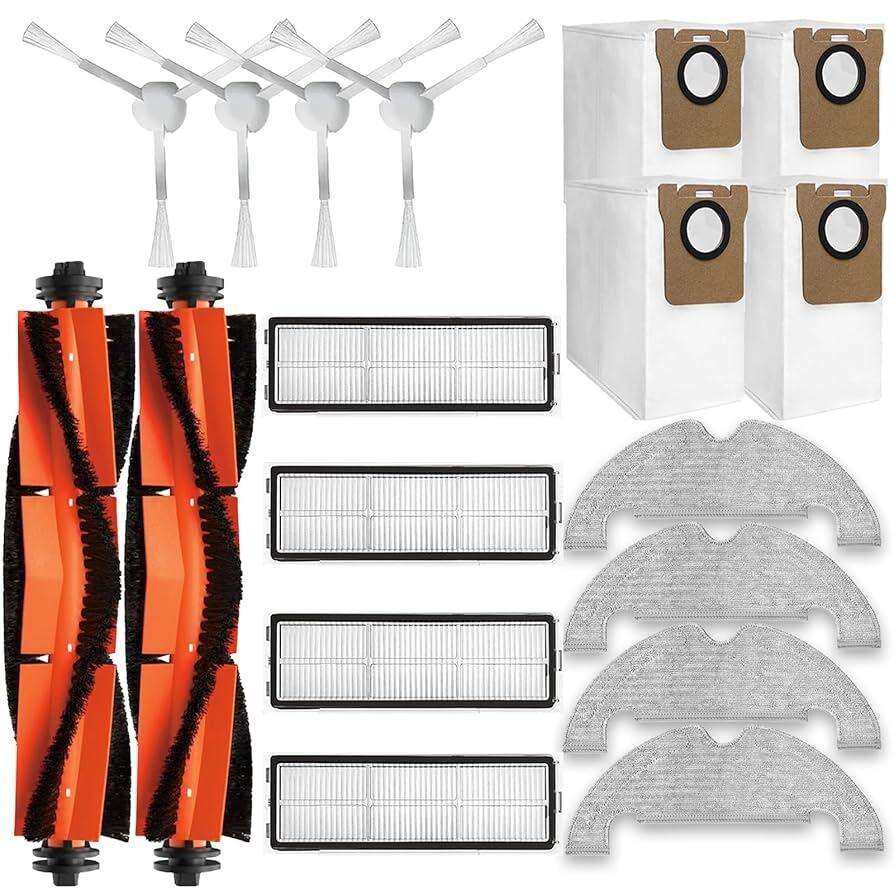
When it comes to building, scaling, or maintaining any product or service that depends on automated floor cleaning technology, identifying the right robot vacuum parts manufacturer is not simply a procurement decision — it is a strategic partnership. The complexity of modern robotic vacuum systems, from brush rolls and suction motors to HEPA filters, sensors, and docking station components, means that a wide range of industries and application types need access to reliable, precision-manufactured parts. Understanding which applications specifically require this kind of cooperation helps procurement officers, product developers, and business owners make smarter, faster decisions.
The global demand for robotic cleaning solutions has expanded well beyond consumer households. Commercial facilities, OEM product lines, after-sales service networks, and even academic research programs now rely on consistent access to quality components. A capable robot vacuum parts manufacturer serves as the backbone for these diverse applications, ensuring that every segment of the market can operate efficiently and meet its own end-user expectations. This article breaks down the key application areas that depend on this type of manufacturing partnership and explains why each one has unique requirements that only a dedicated parts supplier can fulfill.
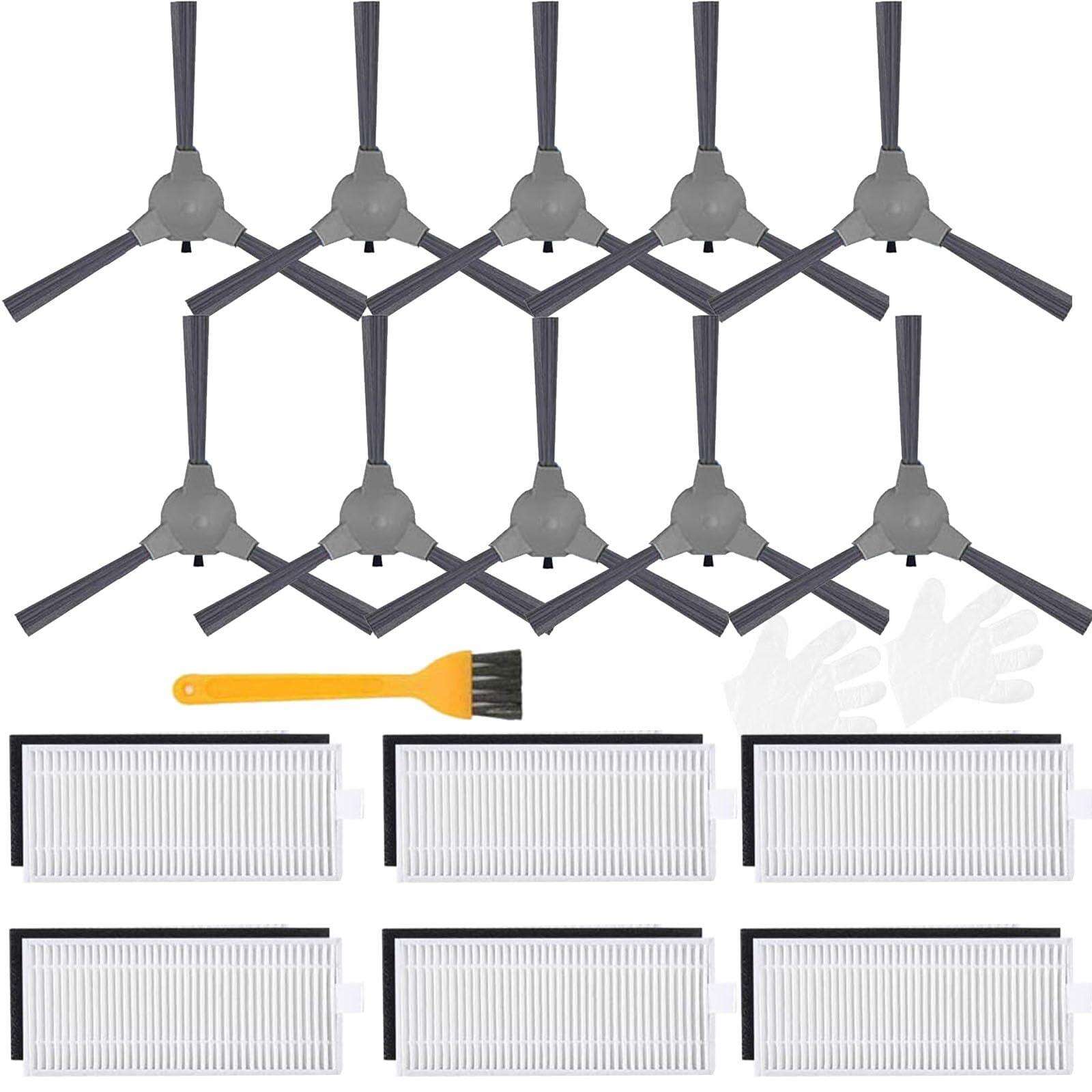
OEM Product Development and Hardware Manufacturing
Integrating Parts into New Robotic Vacuum Product Lines
Original Equipment Manufacturers that develop robotic vacuum cleaners from the ground up are perhaps the most obvious category that needs to cooperate directly with a robot vacuum parts manufacturer. For these companies, every functional component — from side brushes and dustbin assemblies to rolling brush motors and cliff sensors — must meet exacting engineering tolerances. A parts manufacturer who understands these requirements can deliver components that integrate seamlessly into the product's design without requiring costly modifications.
OEM partners often collaborate with a robot vacuum parts manufacturer during the early prototyping stage to test different material compositions, brush stiffness grades, and motor specifications. This early-stage collaboration ensures that the final assembled product performs reliably across different floor types, debris sizes, and household environments. Without this level of technical cooperation, an OEM risks releasing a product that fails prematurely, triggering expensive recall processes and reputational damage.
Production scalability is another critical factor. When an OEM moves from prototype to mass production, the parts manufacturer must be able to supply consistent volumes without compromising quality. A well-established robot vacuum parts manufacturer will have the quality control processes in place to ensure that the ten-thousandth component produced matches the first one in every measurable specification. This level of manufacturing discipline is essential for OEM success in competitive consumer electronics markets.
Private Label and White-Label Robotic Cleaning Products
Beyond traditional OEM partnerships, a growing segment of the market involves companies that want to sell robotic vacuum cleaners under their own brand names without developing proprietary hardware from scratch. These private label or white-label businesses rely heavily on a robot vacuum parts manufacturer to supply both the structural components and the consumable parts that define performance and longevity. The parts manufacturer effectively becomes an extension of their product development team.
In this application, the relationship with a robot vacuum parts manufacturer often extends to customization of aesthetics as well as function. A private label brand may require brushes in specific colors, dustbins with custom capacity configurations, or filters branded with proprietary labeling. The ability of the manufacturer to accommodate these customization requests determines how effectively the brand can differentiate its product in a crowded marketplace.
After-Sales Service Networks and Repair Businesses
Spare Parts Supply for Consumer and Commercial Warranties
After-sales service is one of the largest and most continuous sources of demand for a robot vacuum parts manufacturer. Every robotic vacuum cleaner sold into the market creates a downstream need for replacement components as wear occurs over time. Brush rolls degrade, filters become clogged beyond cleaning, rubber bumpers crack, and battery cells lose capacity. Service centers and warranty programs must have access to a steady supply of genuine-spec replacement parts to fulfill their obligations to end users.
A dedicated robot vacuum parts manufacturer who stocks or can rapidly produce replacement components is invaluable to after-sales networks. Response time directly impacts customer satisfaction scores, especially when a repair technician is waiting on a single brush module or dustbin lid to close out a service ticket. Delays in parts availability translate directly into customer dissatisfaction, negative reviews, and in some cases, warranty claim disputes that are legally and financially costly.
For businesses managing after-sales at scale, such as regional distributors responsible for thousands of units in the field, having a reliable robot vacuum parts manufacturer partnership means being able to forecast parts inventory accurately and maintain strategic stock positions. This reduces service lead times and allows the service network to operate efficiently without excessive working capital tied up in slow-moving parts.
Independent Repair Shops and Third-Party Maintenance Providers
The rise of independent appliance repair businesses has created another significant application category that benefits from cooperation with a robot vacuum parts manufacturer. These shops handle repairs for consumers who prefer third-party service over manufacturer warranty channels, often because the warranty period has expired or the cost of manufacturer-authorized repair is prohibitively high. For these businesses, sourcing compatible, high-quality replacement parts is fundamental to their value proposition.
A professional robot vacuum parts manufacturer that offers cross-compatibility data, clear part numbering systems, and technical specifications enables independent repair businesses to operate with confidence. When a technician knows exactly which brush module fits a specific robot model variant, repairs can be completed faster and with fewer errors. This precision reduces rework rates and keeps customer satisfaction high for the repair shop, directly contributing to repeat business and referrals.
Commercial Cleaning and Facility Management Applications
Fleet Deployment in Large-Scale Facilities
Commercial facility managers deploying robotic vacuum cleaners across large environments such as hotels, airports, warehouses, or office complexes have very different requirements from household consumers. When a fleet of thirty or fifty robotic units is in daily operation, consumable parts like brushes and filters need to be replaced on a structured maintenance schedule. This creates a highly predictable and high-volume demand that requires a dependable robot vacuum parts manufacturer as a supply partner.
In commercial deployments, the cost-per-clean metric is a primary concern. Facility managers analyze how often parts need replacement, how much each part costs, and how part quality affects cleaning performance across a full shift. A robot vacuum parts manufacturer who understands these operational economics can help design a maintenance kit structure — like a scheduled consumables set — that optimizes cost and performance simultaneously. Products such as accessory and consumables sets for specific robot models are ideal for this type of structured procurement.
Downtime is also a serious concern in commercial settings. A robotic unit that is offline for lack of a brush roller or a clogged filter that hasn't been replaced represents a real operational gap in the cleaning schedule. This makes the supply reliability of the robot vacuum parts manufacturer as important as the quality of the parts themselves. Commercial operations demand just-in-time delivery capabilities and the ability to scale orders quickly when additional fleet units are brought online.
Industrial Cleaning and Specialized Environments
Beyond standard commercial spaces, robotic vacuum technology is being adapted for use in environments with specific contamination control requirements, such as pharmaceutical manufacturing floors, food processing facilities, or sensitive electronics assembly areas. In these specialized settings, the specifications for robot vacuum parts are significantly more stringent than in consumer markets. Components may need to be manufactured from materials that comply with food safety standards, anti-static requirements, or cleanroom protocols.
Working with an experienced robot vacuum parts manufacturer in these contexts means engaging a supplier that can provide full material certification, traceability documentation, and compliance records. The relationship goes beyond a simple purchase order and becomes a technical compliance partnership. Parts manufacturers who serve these specialized industries must invest in quality management systems, testing infrastructure, and documentation capabilities that exceed what is needed for standard consumer market supply.
E-Commerce, Retail Distribution, and Subscription Service Models
Online Marketplaces and Accessories Retail
The proliferation of e-commerce platforms has created a high-growth application for companies that specialize in selling robot vacuum accessories and replacement parts directly to end consumers. These businesses act as intermediaries between the robot vacuum parts manufacturer and the individual buyer, aggregating compatible parts for multiple robot models and making them accessible through simple online search and purchase flows. For these companies, manufacturer relationships are the single most critical competitive variable.
A parts retailer or marketplace seller who has direct access to a robot vacuum parts manufacturer benefits from lower unit costs, faster restocking, and the ability to offer guaranteed compatibility with specific robot models. Shoppers in this category are highly price-sensitive and quality-conscious simultaneously — they want affordable replacement parts that perform as well as original equipment. Only a strong manufacturing source can consistently deliver this balance, which is why the retail business model in this category is essentially built on manufacturing partnerships.
Product listing accuracy is another dimension where the manufacturer relationship adds value. When a robot vacuum parts manufacturer provides detailed technical specifications, model compatibility charts, and high-quality product images, the retailer can create accurate, informative listings that reduce return rates and customer service inquiries. This operational efficiency compounds over time, improving profitability and customer lifetime value for the e-commerce business.
Subscription-Based Consumables and Maintenance Programs
An emerging business model in the robotic vacuum space involves subscription programs that automatically deliver replacement consumables to robot owners on a scheduled basis. Companies offering these programs depend entirely on a reliable robot vacuum parts manufacturer to supply the brushes, filters, mop pads, and other consumables that form the core of their subscription boxes. The predictability of subscription demand is an asset, but only if the parts manufacturer can match it with equally consistent supply.
For subscription businesses, part quality consistency is arguably even more important than for retail sales. A subscriber who receives a substandard brush roller in their monthly kit will cancel the subscription and leave a negative review. The robot vacuum parts manufacturer must therefore operate with tight quality control systems that guarantee batch-to-batch uniformity. Long-term subscription growth in this model is directly tied to parts manufacturer reliability and quality performance.
Research, Development, and Academic Applications
Robotics Research Programs and University Laboratories
Academic institutions and corporate research and development teams working on autonomous navigation, machine learning, sensor fusion, or robotic system optimization often use commercial robotic vacuum platforms as test beds for their work. These programs frequently need access to replacement parts, modified components, or custom-configured assemblies that cannot be obtained through standard retail channels. Cooperation with a robot vacuum parts manufacturer gives researchers the access they need to continue experimental work without extended delays.
A research team studying brush roll wear patterns under different floor surface conditions, for example, would need to source dozens of identical brush modules at defined specifications. A consumer retail supply chain cannot reliably support this kind of controlled experimental procurement, but a direct relationship with a robot vacuum parts manufacturer can. The manufacturer can provide batch documentation, material specifications, and consistent part dimensions that make experimental results scientifically reproducible.
Product Testing, Certification, and Compliance Bodies
Testing laboratories and certification agencies that evaluate robotic vacuum performance — whether for safety, energy efficiency, or cleaning efficacy standards — also require structured access to replacement parts. When a unit undergoing extended testing needs a component replaced to continue the test protocol without introducing uncontrolled variables, only a direct supply relationship with a robot vacuum parts manufacturer can meet this need adequately. Off-the-shelf retail parts may not be manufactured to the same tolerances as the original units being tested.
This application reinforces the importance of documentation and traceability in the robot vacuum parts manufacturer partnership. Test bodies and certification agencies require complete records of part specifications, production batch numbers, and material compositions in order to maintain the integrity of their testing methodologies. Manufacturers who invest in quality documentation systems are therefore better positioned to serve this demanding application segment.
FAQ
What types of businesses most commonly work with a robot vacuum parts manufacturer?
The most common partners include OEM hardware developers, private label brands, after-sales service networks, commercial cleaning fleet operators, e-commerce accessories retailers, and subscription consumables businesses. Each of these segments has distinct volume, customization, and quality requirements that require a dedicated robot vacuum parts manufacturer relationship rather than relying on general retail supply channels.
Why is it important to choose a robot vacuum parts manufacturer with strong quality control systems?
Because performance failures in replacement parts directly affect end-user satisfaction, product reviews, and in commercial settings, cleaning productivity. A robot vacuum parts manufacturer with robust quality control ensures batch-to-batch consistency, reduces defect rates, and provides the documentation needed for warranty compliance, certification programs, and regulated industry applications.
Can small businesses or independent repair shops benefit from working with a robot vacuum parts manufacturer?
Absolutely. Independent repair shops and small-scale accessories retailers benefit significantly from direct access to a robot vacuum parts manufacturer because it reduces their unit cost, improves part compatibility accuracy, and allows them to offer customers a more reliable and professionally supported repair or replacement experience. Even modest-volume buyers gain a competitive advantage through manufacturer-level product knowledge and technical support.
How does cooperation with a robot vacuum parts manufacturer support commercial facility management?
Commercial facility managers running robotic vacuum fleets need structured, predictable parts supply to maintain cleaning schedules and control operational costs. A robot vacuum parts manufacturer who offers consumables kits, scheduled delivery programs, and volume pricing enables facility managers to reduce downtime, simplify maintenance workflows, and achieve consistent cleaning performance across large and complex environments.
Table of Contents
- OEM Product Development and Hardware Manufacturing
- After-Sales Service Networks and Repair Businesses
- Commercial Cleaning and Facility Management Applications
- E-Commerce, Retail Distribution, and Subscription Service Models
- Research, Development, and Academic Applications
-
FAQ
- What types of businesses most commonly work with a robot vacuum parts manufacturer?
- Why is it important to choose a robot vacuum parts manufacturer with strong quality control systems?
- Can small businesses or independent repair shops benefit from working with a robot vacuum parts manufacturer?
- How does cooperation with a robot vacuum parts manufacturer support commercial facility management?