
 EN
EN
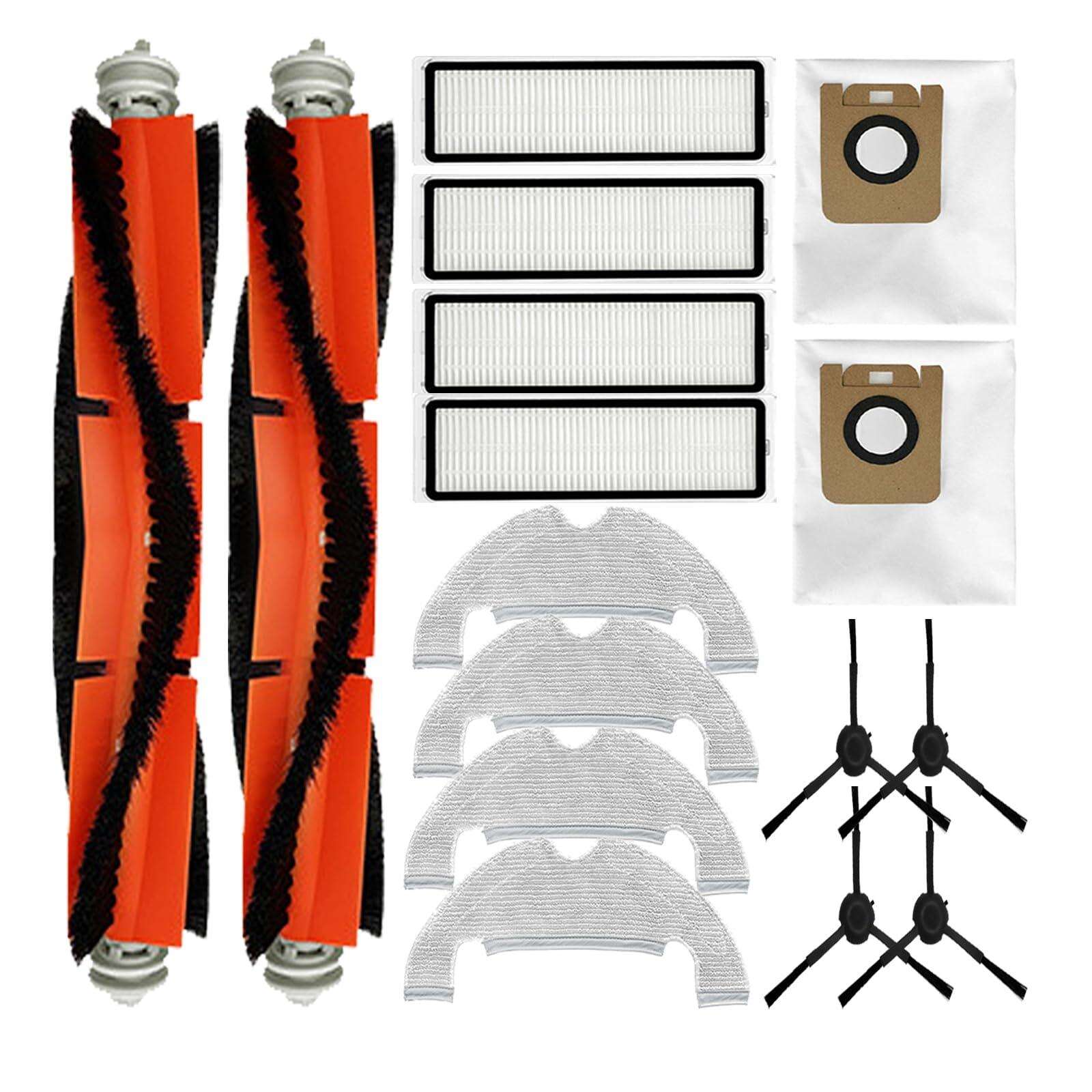
For distributors operating in the fast-growing robotics cleaning market, choosing the right vacuum robot parts supplier is one of the most consequential decisions they will make. The quality of consumables and accessories directly affects end-user satisfaction, return rates, and long-term brand reputation. Yet many distributors still rely on surface-level indicators—price sheets and product photos—without conducting a rigorous capacity evaluation. A deeper, more structured approach to supplier assessment protects margins, reduces supply chain disruptions, and builds a resilient business foundation.
Evaluating a vacuum robot parts supplier goes far beyond reviewing a catalog. It demands a clear-eyed look at production capabilities, quality control infrastructure, fulfillment reliability, and the supplier's ability to scale alongside your distribution network. This article breaks down the key evaluation dimensions every distributor should apply—whether sourcing side brushes, HEPA filters, dust bins, mop pads, or full accessory sets for leading robot vacuum models. When these dimensions are assessed systematically, distributors gain a supplier relationship that performs under real-world demand pressure.
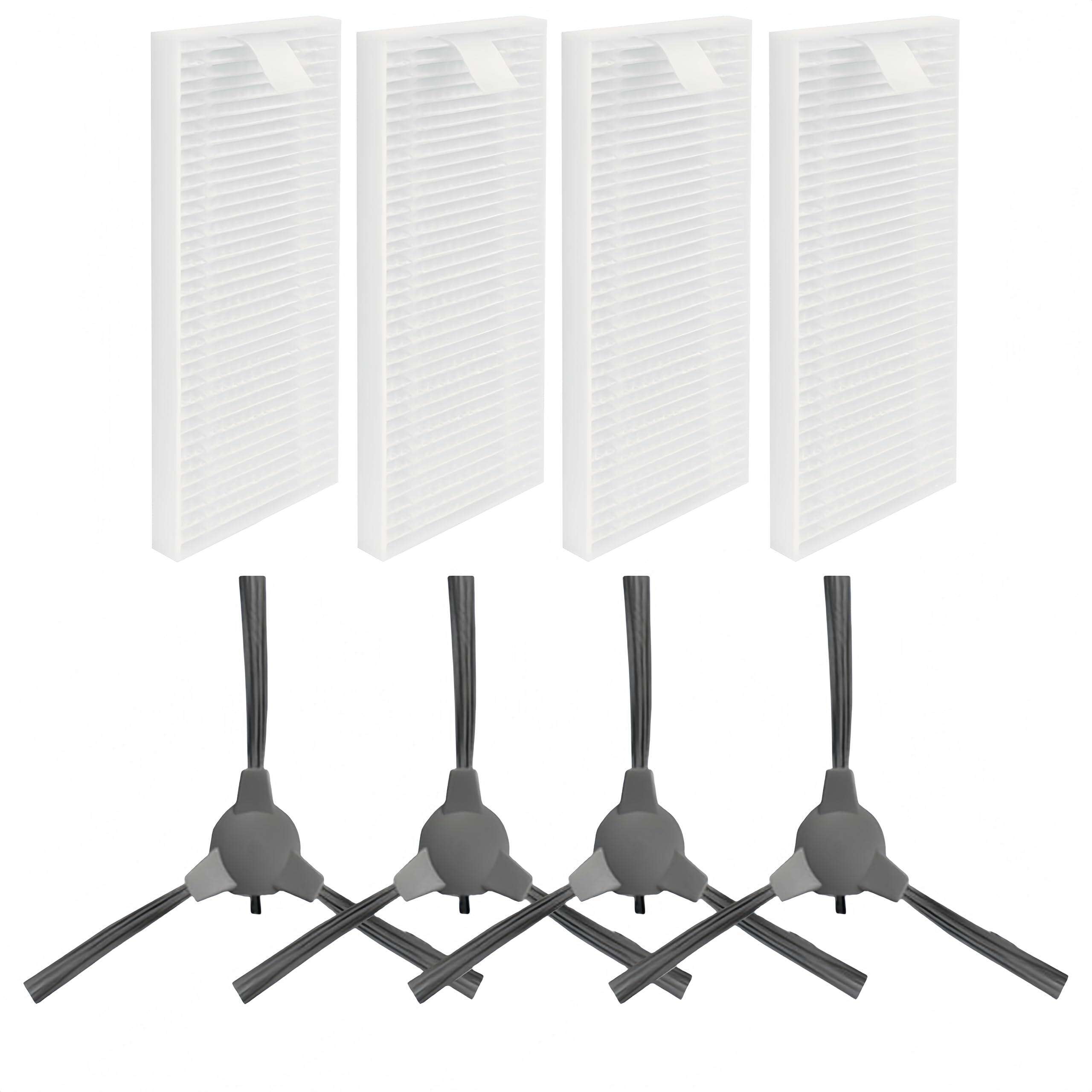
Understanding Production Capacity and Scalability
Assessing Current Manufacturing Output
The first and most tangible measure of any vacuum robot parts supplier is their documented manufacturing output. Distributors should request specific details about monthly production volumes for each part category—brushes, filters, dust compartment assemblies, and mop attachments. These numbers reveal whether the supplier can realistically meet your baseline order quantities without overextending their lines or causing delays for their other clients.
Beyond raw numbers, distributors should ask how production is organized—whether the supplier operates dedicated lines for specific part types or uses shared equipment across multiple SKUs. Dedicated lines typically produce more consistent output with fewer cross-contamination issues, which matters significantly for precision-fit vacuum robot parts. Understanding the physical plant size, number of active production shifts, and workforce stability gives a realistic picture of reliable throughput.
A competent vacuum robot parts supplier will be transparent about their utilization rate. If a supplier is consistently running at 95% or above capacity, they may struggle to accommodate peak seasonal orders or unexpected demand surges. Ideally, look for suppliers with headroom to accommodate a 20–30% volume increase without compromising lead times or quality.
Evaluating Scalability for Growing Distribution Needs
Scalability is not just about producing more—it is about producing more without degradation in quality or service. Distributors with growing regional or international networks need a vacuum robot parts supplier that can expand output in response to new retail partnerships, seasonal promotions, or market expansion events. Ask suppliers directly about their capacity expansion plans: are new machines being acquired, new facilities planned, or additional staff being trained?
A supplier's history of scaling up for existing clients is one of the most reliable indicators of future scalability. Request references or case examples where the supplier successfully doubled or tripled order volumes within a defined timeframe. This track record is far more persuasive than stated capacity claims alone. A proven vacuum robot parts supplier will have concrete evidence of their scaling capability rather than vague assurances.
Distributors should also evaluate how the supplier handles demand volatility. Robot vacuum accessory demand often spikes during promotional seasons, major product launches, or compatibility updates for popular models. A supplier with flexible manufacturing protocols—modular production scheduling, buffer stock programs, or pre-agreed surge capacity arrangements—offers a material competitive advantage for distributors managing unpredictable retail environments.
Quality Control Infrastructure and Part Compatibility Standards
Examining Quality Assurance Processes
No evaluation of a vacuum robot parts supplier is complete without a thorough review of their quality assurance framework. Distributors should request documentation of in-process quality checks, final inspection protocols, and rejection rate statistics. A supplier with robust QA processes will have formal checkpoints at raw material intake, mid-production, and pre-shipment stages. These layers of control directly reduce the risk of defective parts reaching end users.
Material certifications matter enormously in the vacuum robot parts category. HEPA filters need to meet filtration efficiency standards; bristle materials for side and main brushes should be assessed for durability, static resistance, and floor-surface compatibility; mop pads require specific absorbency and attachment integrity. A reliable vacuum robot parts supplier will readily share test reports, material data sheets, and third-party certification records that support their quality claims.
Distributors should also probe the supplier's defect handling procedures. How quickly do they respond to batch defect reports? Is there a clear replacement or credit mechanism? Suppliers that have formalized defect escalation paths demonstrate operational maturity and a genuine commitment to the distributor relationship. This aspect of quality management is often overlooked during initial negotiations but proves critical over months of ongoing distribution activity.
Part Compatibility and Model Coverage
In the vacuum robot parts market, compatibility with specific robot models is a core commercial requirement. Distributors need to know whether their chosen vacuum robot parts supplier maintains engineering accuracy across multiple model variants and firmware generations. A part that fits a first-generation unit but does not seal correctly with a current-generation model creates immediate field returns and customer dissatisfaction.
Evaluate the supplier's engineering and reverse-engineering capabilities. Do they invest in compatibility testing when new robot vacuum models are launched? Do they update their part specifications when manufacturers release hardware revisions? A proactive vacuum robot parts supplier tracks product evolution in the robot vacuum market and pre-emptively adjusts component designs to stay compatible. For distributors carrying accessories for models like high-end robot vacuums with advanced mopping systems, this engineering responsiveness is essential.
The breadth of model coverage is equally important. A supplier offering accessories and consumable sets compatible with a wide range of premium robot vacuum models simplifies procurement for distributors serving diverse retail customers. For example, sourcing a comprehensive vacuum robot parts supplier that covers accessories for advanced models reduces the need to manage multiple supplier relationships across your product lineup.
Logistics Reliability and Lead Time Performance
Evaluating Fulfillment Consistency
A vacuum robot parts supplier with strong production capacity but poor logistics execution creates just as much disruption as a low-volume manufacturer. Distributors must evaluate the supplier's on-time delivery record, packaging quality, and shipping accuracy. Request historical fulfillment data across at least six months to identify patterns—are delays seasonal, tied to specific part categories, or random? Consistency matters more than occasional excellence in a distribution context.
Lead time transparency is a practical operational necessity. Distributors building retail replenishment cycles need firm lead time commitments, not estimates. A credible vacuum robot parts supplier will provide documented standard lead times for each SKU category, differentiated by order size. They will also communicate proactively when lead times are at risk due to material shortages, factory maintenance, or logistics disruptions—giving distributors time to adjust their own inventory planning accordingly.
Packaging integrity deserves specific attention for vacuum robot parts. Components like HEPA filters, rubber seals, and mop attachment pads are sensitive to moisture, compression damage, and static exposure. Assess whether the supplier uses category-appropriate protective packaging—sealed poly bags for filters, rigid inserts for brush roll assemblies, and anti-static wrapping where relevant. Damaged parts arriving at distributor warehouses create downstream waste, returns processing costs, and customer trust erosion.
Inventory Management and Safety Stock Capability
Distributors serving dynamic retail environments benefit enormously from a vacuum robot parts supplier that maintains strategic safety stock for high-velocity SKUs. Ask suppliers whether they hold finished goods inventory for their most popular accessories and consumable sets, and what their minimum stock commitment levels are. Safety stock programs eliminate order-to-ship delays and significantly improve the distributor's ability to respond to retail reorders within tight windows.
The supplier's warehouse management practices also reflect broader operational competency. A vacuum robot parts supplier with accurate real-time inventory visibility, clear lot tracking, and systematic FIFO (first-in, first-out) rotation demonstrates the kind of operational discipline that reduces mis-ships and ensures product freshness for consumables like filters and mop pads that carry functional shelf-life considerations.
For distributors sourcing internationally, lead times are compounded by customs clearance, freight consolidation, and port handling. A sophisticated vacuum robot parts supplier will have established freight partnerships, experience preparing accurate customs documentation for accessory sets, and a track record of smooth cross-border fulfillment. These logistics competencies significantly reduce the total procurement risk for distributors managing international supply lines.
Supplier Communication, Support, and Business Relationship Quality
Responsiveness and Technical Support
The operational quality of a vacuum robot parts supplier extends into the relationship itself. Distributors benefit from suppliers whose sales and technical teams respond promptly to inquiries, provide accurate answers to compatibility questions, and facilitate smooth onboarding for new SKUs. Evaluate responsiveness during the pre-contract phase—if a supplier is slow or vague in answering questions before a contract is signed, that behavior will likely persist and worsen once business is underway.
Technical support capability becomes especially important when distributors encounter compatibility edge cases, field complaints about part performance, or questions about product updates for specific robot models. A vacuum robot parts supplier with dedicated technical support personnel—not just generalist sales staff—can provide the engineering-level guidance distributors need to resolve issues quickly and maintain customer confidence at the retail end.
Documentation support is another underrated aspect of supplier quality. Distributors frequently need product specifications, installation guides, multilingual labeling, and compliance documents for their regional markets. A capable vacuum robot parts supplier will have these materials readily available and updated to reflect current product versions. This documentation infrastructure reduces the administrative burden on distributors and accelerates market readiness for new accessory launches.
Financial Stability and Long-Term Partnership Viability
A vacuum robot parts supplier that is financially unstable creates existential supply chain risk for distributors who depend on them. Business continuity demands that distributors assess the supplier's financial health through credit history, trading references, and years in operation. Longer-established suppliers with a diversified client base are generally lower risk than newer entrants still proving their financial model.
Payment term flexibility and pricing stability also signal financial maturity. Suppliers who can offer net-term arrangements, maintain pricing consistency across contract periods, and absorb moderate input cost fluctuations without frequent surcharges are demonstrating financial resilience. For distributors managing multi-market retail programs, pricing predictability from their vacuum robot parts supplier is directly linked to margin planning accuracy.
Long-term partnership orientation is visible in how a supplier invests in the relationship over time. Do they proactively bring new product developments, compatibility updates, or market insights to their distributor partners? A vacuum robot parts supplier that treats distributors as strategic partners—rather than transactional order sources—tends to provide better prioritization, preferential capacity allocation, and collaborative problem-solving when challenges arise.
FAQ
What documents should I request from a vacuum robot parts supplier during evaluation?
Request production capacity reports, quality certification records (such as material test reports and filtration efficiency certifications), historical on-time delivery data, sample defect rate statistics, and lead time schedules by SKU category. Asking for references from existing distributor clients adds another layer of verification. A credible vacuum robot parts supplier will provide these documents without hesitation.
How important is model compatibility when evaluating a vacuum robot parts supplier?
Model compatibility is critically important. Parts that do not fit or seal correctly with the robot models your customers own will generate immediate returns and damage your brand's reputation. Always ask the supplier to demonstrate compatibility testing protocols and whether they update specifications when manufacturers release hardware revisions. The best suppliers track product evolution proactively rather than reactively.
How can I test a supplier's responsiveness before signing a long-term contract?
Run a structured pre-qualification process: submit a detailed technical inquiry, request samples with specific compatibility requirements, and set internal response time benchmarks. A vacuum robot parts supplier's speed, accuracy, and professionalism during this pre-contract phase are reliable predictors of how they will perform once operational volumes are underway. Poor pre-sales communication is a strong early warning signal.
What capacity buffer should I expect from a reliable vacuum robot parts supplier?
A reliable vacuum robot parts supplier should ideally be operating at no more than 70–80% of maximum capacity under normal conditions, leaving a meaningful buffer for seasonal spikes, emergency restocking requests, and your network's natural growth. Suppliers running consistently at or above 95% capacity are at high risk of failing to meet your orders during peak demand periods, which creates serious downstream retail disruptions.
Table of Contents
- Understanding Production Capacity and Scalability
- Quality Control Infrastructure and Part Compatibility Standards
- Logistics Reliability and Lead Time Performance
- Supplier Communication, Support, and Business Relationship Quality
-
FAQ
- What documents should I request from a vacuum robot parts supplier during evaluation?
- How important is model compatibility when evaluating a vacuum robot parts supplier?
- How can I test a supplier's responsiveness before signing a long-term contract?
- What capacity buffer should I expect from a reliable vacuum robot parts supplier?