
 EN
EN
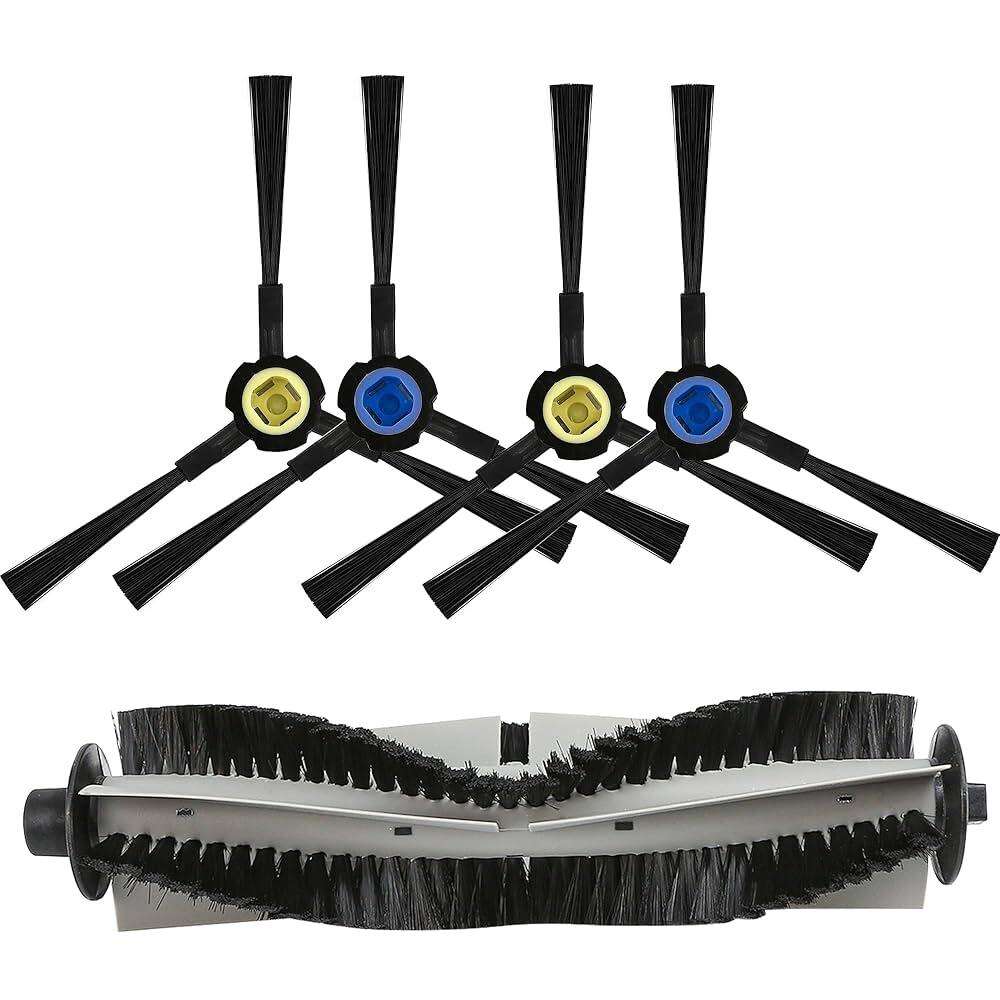
Robotic vacuum technology has evolved far beyond a consumer novelty. Today, autonomous cleaning systems are deployed across commercial facilities, healthcare environments, industrial floors, and smart residential complexes — each environment placing unique demands on the machines that serve them. When components wear out or need upgrading, the source of replacement parts matters enormously. Selecting the right vacuum robot parts supplier is not simply a procurement decision; it directly determines whether these systems perform reliably, maintain warranty compliance, and continue delivering the operational efficiency they were designed for.
Understanding which specific applications genuinely require a trusted vacuum robot parts supplier — rather than a generic or low-cost alternative — is the key question for facility managers, fleet operators, procurement teams, and service businesses. This article identifies and explores those applications in detail, explaining why the sourcing standard matters and what risks arise when it is overlooked. From high-frequency commercial deployments to precision-sensitive healthcare settings, the case for working with a qualified vacuum robot parts supplier is consistently strong.
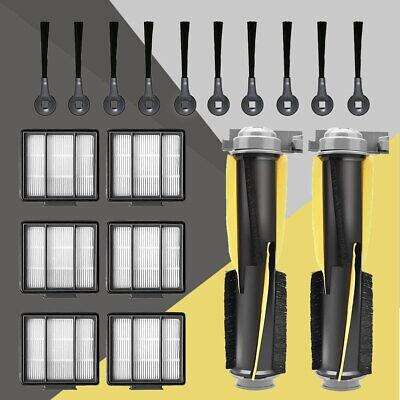
Commercial Cleaning Fleets and High-Frequency Deployment
Why Fleet Scale Demands Supplier Consistency
Organizations managing fleets of robotic vacuum units — such as hotel chains, shopping malls, airport terminals, and office campuses — operate on tight maintenance schedules where parts availability and consistency are critical. When dozens or even hundreds of units are running daily, the rate at which consumables such as brushes, filters, and sensors wear out is dramatically accelerated. A reliable vacuum robot parts supplier must be able to deliver consistent part quality across large and recurring orders, ensuring that no single shipment introduces performance variation across the fleet.
Inconsistent parts create compounding problems in fleet environments. A sub-standard side brush on one unit may leave cleaning gaps that go undetected until complaints arise. Filter materials that deviate from original specifications can allow fine dust particles to recirculate, undermining air quality commitments in sensitive spaces. Working with a trusted vacuum robot parts supplier who maintains documented quality standards means that every replacement component performs to the same benchmark as the original, regardless of order volume or frequency.
Beyond quality, fleet operators benefit from structured supply agreements with a dependable vacuum robot parts supplier that can guarantee availability windows, provide advance notice of part discontinuations, and support bulk purchasing logistics. These operational benefits are rarely achievable through opportunistic sourcing or unverified marketplace vendors.
Minimizing Downtime in Revenue-Critical Environments
In commercial environments where cleaning directly supports revenue generation — such as hospitality venues or retail spaces — robotic vacuum downtime carries a measurable financial cost. A trusted vacuum robot parts supplier supports uptime by ensuring that critical components are readily stocked, correctly specified, and reliably shipped. This allows maintenance teams to execute predictive replacement schedules rather than reactive emergency repairs.
Predictive maintenance strategies depend entirely on parts availability. When a facility manager knows that a specific brush roll or suction motor component will be replaced at a defined interval, they need confidence that the vacuum robot parts supplier can fulfill that order on schedule. Delays or substitutions from unreliable sources disrupt maintenance windows and force compromises that ultimately reduce machine lifespan and cleaning performance.
Healthcare and Sterile Environment Applications
Contamination Control and Parts Certification
Healthcare environments — including hospitals, clinics, aged care facilities, and pharmaceutical manufacturing floors — represent one of the most demanding application categories for robotic cleaning systems. In these settings, autonomous vacuums often complement infection control protocols, and the integrity of every component directly affects hygiene outcomes. Sourcing from a trusted vacuum robot parts supplier is not optional in these contexts; it is a fundamental aspect of facility compliance.
Filters in healthcare-grade robotic vacuums must meet specific particle retention standards. If replacement filters sourced from an unverified vacuum robot parts supplier fail to match these specifications, the machine may appear to be functioning normally while actually failing to capture pathogenic particles. Similarly, cleaning brush materials must be appropriate for the surfaces being cleaned and free of contaminants that could compromise sterile zones. A reputable vacuum robot parts supplier provides traceability for component specifications and, in many cases, documentation that supports compliance audits.
The responsibility held by healthcare procurement teams to vet their vacuum robot parts supplier is therefore significantly greater than in general commercial settings. Every part that enters a healthcare environment must be sourced through channels where quality control, material safety, and specification accuracy can be confirmed and documented.
Longevity Requirements in Sensitive Operational Environments
Healthcare facilities operate cleaning equipment continuously, often across multiple shifts. The mechanical and electronic components of robotic vacuums in these settings face exceptional wear cycles. Sourcing from a high-quality vacuum robot parts supplier ensures that replacement parts are manufactured to withstand these operating intensities without premature failure. Low-quality alternatives that may function adequately in light residential use can fail rapidly under the continuous operational demands of a healthcare setting, creating unexpected repair costs and service interruptions.
Additionally, healthcare environments frequently require minimal noise operation. Replacement components — particularly motor elements, wheels, and brush mounts — must maintain the acoustic performance of the original design. A trusted vacuum robot parts supplier will specify acoustic performance alongside mechanical and filtration standards, giving procurement teams the data they need to make informed sourcing decisions.
Industrial and Warehouse Cleaning Applications
Heavy Debris and Harsh Surface Conditions
Industrial facilities, manufacturing plants, and large warehouse complexes present a different set of demands from commercial or healthcare environments. In these settings, robotic vacuums may encounter heavy particulate loads, abrasive floor surfaces, metal shavings, chemical residues, and significant temperature variation. Components sourced from a knowledgeable vacuum robot parts supplier designed for industrial-grade applications will be built to tolerate these conditions without rapid degradation.
Standard consumer-grade replacement parts are entirely inadequate for industrial vacuum robot applications. Brush rolls designed for light residential debris will fragment quickly when exposed to metal particles or heavy grit. Filters rated for household dust loads will clog rapidly in environments with high airborne particulate concentrations. The right vacuum robot parts supplier for industrial applications understands these differences and supplies components that match the environmental demands of the deployment site, not just the model number of the machine.
Procurement managers in industrial environments should engage their vacuum robot parts supplier in detailed specification conversations before placing orders. Understanding the load ratings, material grades, and environmental tolerances of replacement parts is essential to ensuring that maintenance investments deliver the expected operational returns.
Safety Compliance and Equipment Integrity
Industrial environments are subject to occupational health and safety regulations that extend to cleaning equipment. Robotic vacuums used in these settings must maintain their certified operational standards throughout their service life. Using non-compliant or unspecified replacement parts can void equipment certifications, creating both regulatory risk and liability exposure. A trusted vacuum robot parts supplier provides components that are compatible with the machine's original safety certifications, helping operators maintain compliance without interruption.
Battery components and charging systems are particularly sensitive in industrial contexts. Industrial robots operate in environments where overheating, electrical faults, or substandard battery performance can have serious consequences. A qualified vacuum robot parts supplier ensures that power system components meet the relevant electrical safety standards and are appropriate for use in environments where flammable materials, machinery, or sensitive processes may be present.
Smart Home Ecosystems and Premium Residential Applications
Integration Precision and Software Compatibility
At the premium residential level, robotic vacuums are increasingly integrated into broader smart home ecosystems. Models equipped with advanced navigation systems, AI-based mapping, mop-and-vacuum combination functions, and automatic self-emptying stations require precise component compatibility. A knowledgeable vacuum robot parts supplier understands the tight tolerances and software interdependencies of these sophisticated systems and stocks replacement components that maintain full functional integrity.
For example, the sensors that enable laser-based navigation or structured light mapping must be replaced with exact equivalents to preserve mapping accuracy. A vacuum robot parts supplier who supplies generic or mismatched sensor components may appear to offer a cheaper solution, but the result is a machine that navigates less accurately, misses cleaning zones, or fails to communicate correctly with its companion application. For premium residential users who have invested significantly in their smart home infrastructure, this type of performance degradation is unacceptable.
Similarly, mop pad systems, water tank components, and auto-empty dust bag specifications must align precisely with the machine's original design parameters. A trusted vacuum robot parts supplier for premium residential applications maintains detailed model-specific part catalogs to prevent cross-contamination of incompatible components.
Extended Product Lifecycle and Value Preservation
Premium robotic vacuum models represent a meaningful household investment. Owners who wish to extend the functional life of their machines depend on reliable access to authentic or high-quality compatible parts. A trusted vacuum robot parts supplier enables this lifecycle extension by providing consistent, well-documented components that restore machines to near-original performance levels after routine wear.
When sourcing from a quality vacuum robot parts supplier, residential users and their service providers can be confident that the parts they install will perform as expected for the specified replacement interval. This builds long-term confidence in the machine, reduces the total cost of ownership, and delays the need for full unit replacement — a benefit that resonates strongly with environmentally conscious consumers and cost-focused households alike.
Service and Repair Businesses Operating at Scale
Supplier Reliability as a Business Foundation
Third-party repair businesses, appliance service centers, and authorized maintenance providers represent a distinct and highly demanding customer category for any vacuum robot parts supplier. These businesses depend on their parts supplier as a direct operational partner. Their ability to deliver timely, accurate repairs to end customers is only as strong as the reliability and range of their vacuum robot parts supplier relationship.
A service business that routinely works with multiple robotic vacuum models and brands needs a vacuum robot parts supplier capable of supporting a broad and deep parts inventory. Short lead times, accurate part descriptions, model-specific compatibility data, and consistent availability are non-negotiable for service providers who manage appointment-based repair queues. A single delayed or incorrect shipment from a vacuum robot parts supplier can cascade into missed service deadlines, customer dissatisfaction, and reputational damage for the repair business.
Service businesses also benefit from vacuum robot parts supplier relationships that include technical documentation, installation guidance, and access to updates on part revisions or supersessions. This knowledge support reduces diagnostic errors and ensures that repair technicians are always working with accurate, current information.
Margin and Quality Balance for Repair Economics
Repair businesses must balance the cost of parts against the quality required to deliver durable repairs. A trusted vacuum robot parts supplier helps achieve this balance by offering quality-graded options with transparent specifications — allowing service providers to select the appropriate tier of component for each repair context without compromising on reliability. This capability is entirely absent from informal or unverified supply channels, where parts quality is opaque and defect rates unpredictable.
By building their supply chain around a dependable vacuum robot parts supplier, service businesses can price their repair services with confidence, knowing that warranty callback rates will remain low and customer satisfaction will be consistently high. Over time, this translates into a stronger reputation, higher customer retention, and greater operational stability — outcomes that are directly enabled by the sourcing choices made at the supplier level.
FAQ
What types of parts are most commonly needed from a vacuum robot parts supplier?
The most frequently replaced components include main brush rolls, side brushes, HEPA filters, dust bin assemblies, mop pads, water tanks, navigation sensors, battery packs, and wheel modules. A comprehensive vacuum robot parts supplier will maintain stock across all of these categories and provide model-specific compatibility guidance to ensure correct fitment.
How do I verify that a vacuum robot parts supplier is trustworthy?
Trustworthy sourcing indicators include documented part specifications, model-compatibility catalogs, transparent return and quality policies, responsive technical support, and a track record of consistent fulfillment. For commercial or industrial buyers, certifications, quality control documentation, and the ability to support bulk or recurring orders are additional markers of a reliable vacuum robot parts supplier.
Can using non-original parts from an unverified supplier void my robot vacuum warranty?
In many cases, yes. Using parts that do not meet the original manufacturer's specifications — especially those sourced from unverified channels — can void the machine's warranty and may compromise its safety certifications. A reputable vacuum robot parts supplier clearly identifies whether its components are OEM-equivalent or compatible alternatives, allowing buyers to make informed decisions that align with their warranty obligations.
Is it more cost-effective to source parts from a specialized vacuum robot parts supplier versus a general marketplace?
While general marketplaces may appear to offer lower upfront prices, the total cost calculation must include defect rates, incorrect fitment, repeat purchases, and downtime caused by part failures. A specialized vacuum robot parts supplier typically delivers better value over time through higher part accuracy, lower failure rates, and reliable availability — particularly for commercial, industrial, and healthcare applications where downtime and maintenance failures carry significant financial consequences.
Table of Contents
- Commercial Cleaning Fleets and High-Frequency Deployment
- Healthcare and Sterile Environment Applications
- Industrial and Warehouse Cleaning Applications
- Smart Home Ecosystems and Premium Residential Applications
- Service and Repair Businesses Operating at Scale
-
FAQ
- What types of parts are most commonly needed from a vacuum robot parts supplier?
- How do I verify that a vacuum robot parts supplier is trustworthy?
- Can using non-original parts from an unverified supplier void my robot vacuum warranty?
- Is it more cost-effective to source parts from a specialized vacuum robot parts supplier versus a general marketplace?