
 EN
EN
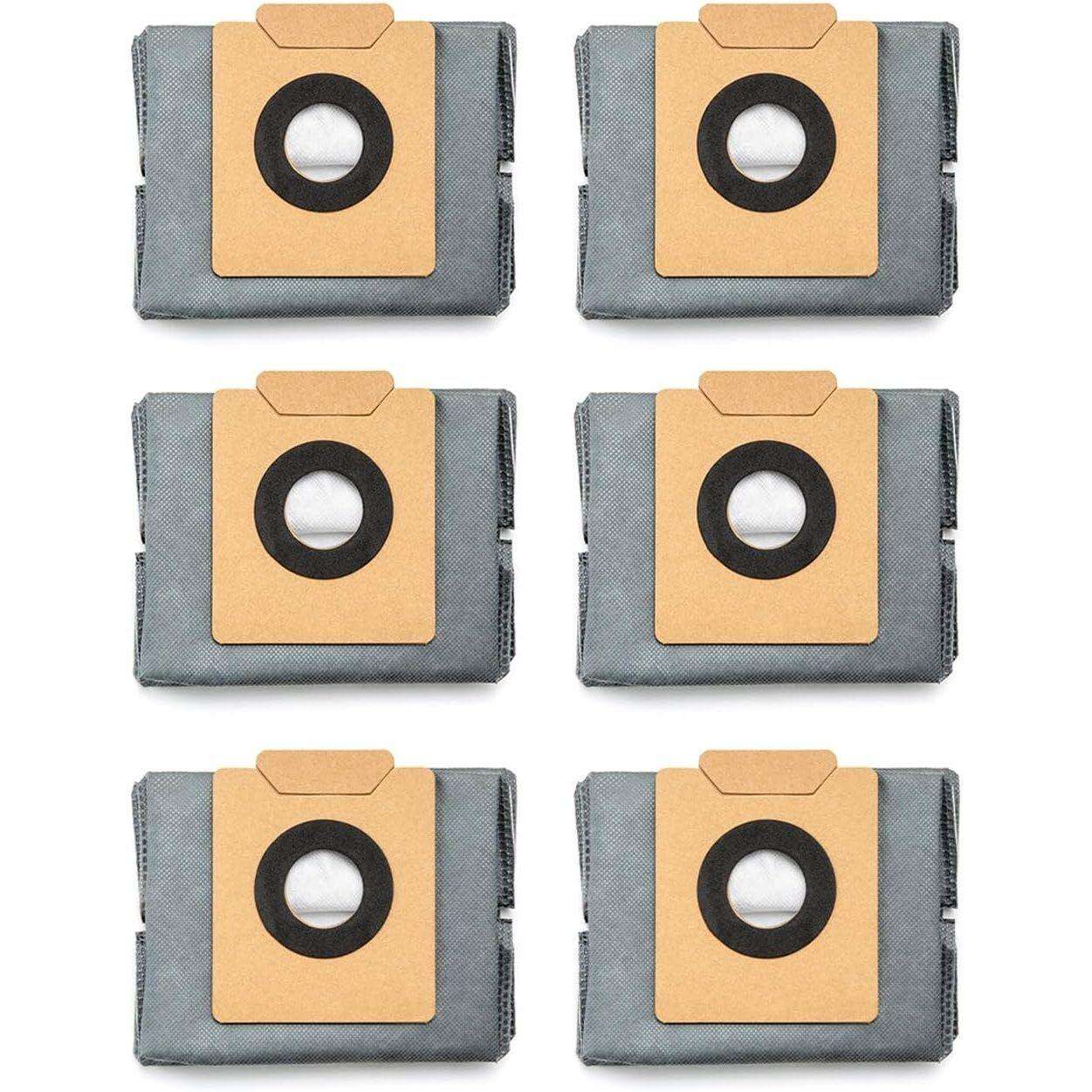
Distributors entering the robot vacuum accessories market face critical decisions when evaluating robot vacuum filters for large-scale procurement. The quality, compatibility, and performance characteristics of these filters directly impact customer satisfaction, return rates, and long-term business relationships. Understanding the comprehensive evaluation process becomes essential for making informed purchasing decisions that protect both profit margins and brand reputation in this competitive market segment.
The evaluation methodology for robot vacuum filters extends beyond basic compatibility checks to encompass filtration efficiency, material durability, manufacturing consistency, and supply chain reliability. Distributors must develop systematic assessment frameworks that consider both immediate product specifications and long-term market dynamics. This comprehensive approach ensures that large orders deliver consistent value while minimizing potential quality issues that could damage distributor relationships with retailers and end consumers.
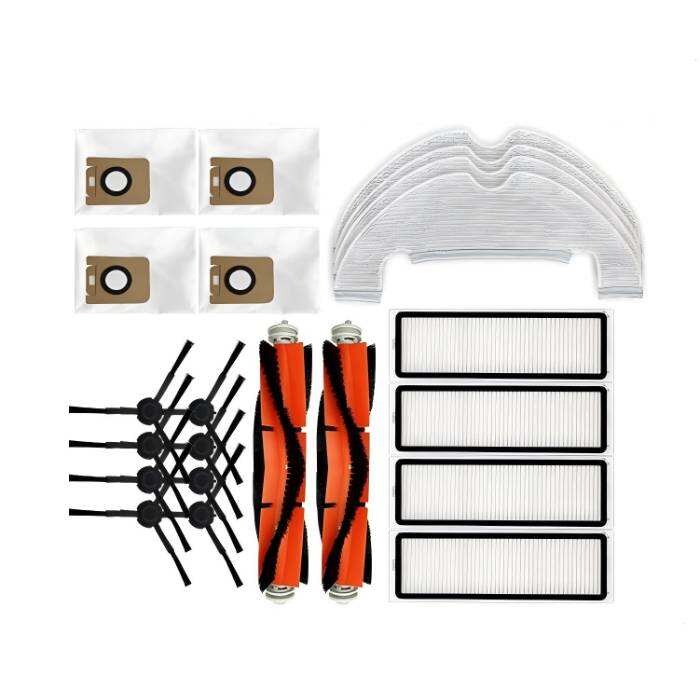
Technical Specifications Assessment Framework
Filtration Efficiency Standards
Robot vacuum filters require precise evaluation of their particle capture capabilities across different size ranges. HEPA-grade filters should demonstrate 99.97% efficiency for particles 0.3 microns and larger, while standard filters typically achieve 85-95% efficiency for particles above 1 micron. Distributors should request detailed filtration performance data including airflow resistance measurements, which directly impact the robot vacuum's cleaning efficiency and battery life.
Testing protocols should verify filtration performance under various conditions including dust loading scenarios that simulate real-world usage patterns. The filter's ability to maintain consistent airflow while accumulating debris determines its practical effectiveness in consumer environments. Distributors should also evaluate the filter's capacity for different types of debris, from fine dust particles to pet hair and larger debris commonly encountered in household cleaning applications.
Material Composition Analysis
The material composition of robot vacuum filters significantly influences their durability, washability, and overall lifespan. High-quality filters typically incorporate multi-layered filtration media combining coarse pre-filters with fine particle capture layers. Distributors should examine the specific materials used, including synthetic fiber compositions, activated carbon integration for odor control, and any antimicrobial treatments that enhance filter hygiene.
Frame construction materials require equal attention, as plastic quality and molding precision affect filter fit and seal integrity within robot vacuum systems. Poor-quality frames can lead to air bypass issues that compromise filtration effectiveness. Distributors should assess frame flexibility, corner reinforcement, and gasket integration to ensure consistent sealing performance across different robot vacuum models and operating conditions.
Compatibility Verification Procedures
Physical Dimension Validation
Accurate dimensional specifications form the foundation of successful robot vacuum filters compatibility. Distributors must verify length, width, height, and mounting mechanism dimensions against original equipment manufacturer specifications. Even minor dimensional variations can result in improper sealing, reduced filtration efficiency, or mechanical interference within the robot vacuum housing.
Three-dimensional scanning technologies can provide precise measurements for complex filter geometries, particularly for models with curved surfaces or integrated mounting features. Distributors should maintain detailed dimension databases for popular robot vacuum models to streamline compatibility verification processes. This systematic approach reduces the risk of ordering incompatible filters that cannot be effectively sold or must be returned to manufacturers.
Model-Specific Integration Testing
Physical compatibility extends beyond dimensional accuracy to include functional integration with robot vacuum systems. Filters must align properly with intake pathways, seal effectively against housing surfaces, and allow for easy user installation and removal. Distributors should conduct hands-on testing with actual robot vacuum units to verify smooth installation processes and proper operational integration.
Electronic compatibility considerations become relevant for smart robot vacuum filters that incorporate sensors or electronic components. These advanced filters may include clog detection sensors, replacement timing indicators, or other electronic features that must integrate seamlessly with the robot vacuum's control systems. Distributors should verify electronic compatibility and ensure that aftermarket filters maintain all intended smart functionality.
Quality Control and Manufacturing Standards
Production Consistency Evaluation
Manufacturing consistency directly impacts the commercial viability of robot vacuum filters in large-volume distribution. Distributors should evaluate manufacturers' quality control processes, including statistical process control implementations, batch testing procedures, and defect rate monitoring systems. Consistent production quality ensures predictable performance across entire order quantities and minimizes customer complaints related to variable filter effectiveness.
Sample-based quality assessments should include filters from multiple production batches to identify potential variations in materials, construction, or performance characteristics. Distributors should establish quality benchmarks based on leading manufacturers' standards and require detailed quality documentation from suppliers. This approach helps identify potential quality issues before committing to large orders that could result in significant financial losses.
Certification and Compliance Requirements
Regulatory compliance verification ensures that robot vacuum filters meet applicable safety and environmental standards in target markets. Many regions require specific certifications for filtration products, including materials safety documentation, environmental impact assessments, and product liability coverage. Distributors must verify that suppliers maintain current certifications and can provide necessary documentation for regulatory compliance.
International distribution requires understanding diverse regulatory environments and ensuring that robot vacuum filters comply with varying standards across different markets. This includes verification of materials restrictions, labeling requirements, and performance standards that may differ significantly between regions. Comprehensive compliance documentation protects distributors from potential regulatory issues that could disrupt distribution operations.
Supplier Evaluation and Risk Management
Manufacturing Capability Assessment
Supplier manufacturing capabilities determine their ability to fulfill large orders while maintaining consistent quality standards. Distributors should evaluate production capacity, equipment sophistication, raw material sourcing reliability, and scalability potential. Site visits or third-party manufacturing audits provide valuable insights into supplier operations and help identify potential bottlenecks or quality risks that could impact large orders.
Supply chain resilience becomes particularly important for robot vacuum filters given the global nature of electronics manufacturing and potential disruptions to component availability. Distributors should assess suppliers' raw material diversification, inventory management practices, and contingency planning capabilities. Robust supply chains ensure continued product availability even during market disruptions or increased demand periods.
Financial Stability and Partnership Reliability
Long-term partnership viability requires evaluation of supplier financial stability, business continuity planning, and commitment to ongoing relationship development. Distributors should review financial statements, credit ratings, and references from other distribution partners to assess partnership risks. Financially stable suppliers provide greater assurance for large order commitments and ongoing product support requirements.
Communication capabilities and responsiveness indicate supplier commitment to partnership success and problem resolution effectiveness. Distributors should evaluate technical support availability, order processing efficiency, and dispute resolution mechanisms. Strong communication frameworks ensure smooth operations and rapid resolution of any issues that arise during large-scale distribution activities.
Market Analysis and Commercial Considerations
Competitive Positioning Assessment
Market positioning analysis helps distributors understand how specific robot vacuum filters compete within broader accessory markets. This includes evaluation of price points relative to original equipment manufacturer alternatives, performance advantages or disadvantages, and unique value propositions that differentiate products from competitors. Understanding competitive dynamics enables more effective marketing and pricing strategies.
Customer demand patterns provide insights into market acceptance and sales velocity potential for different filter types and compatibility ranges. Distributors should analyze historical sales data, seasonal demand variations, and emerging trends in robot vacuum technology that could impact filter requirements. This market intelligence supports more accurate demand forecasting and inventory planning for large orders.
Profit Margin and Volume Economics
Financial viability assessment encompasses both direct product costs and associated distribution expenses including warehousing, handling, and customer service requirements. Robot vacuum filters with higher complexity or special handling requirements may impact overall profitability despite attractive wholesale pricing. Distributors should conduct comprehensive cost analysis including all operational factors that affect net margins.
Volume pricing structures and order quantity incentives significantly influence the economics of large filter purchases. Distributors should negotiate favorable terms that reflect their volume commitments while maintaining flexibility for market demand variations. Long-term pricing agreements can provide cost predictability but should include provisions for quality performance standards and delivery reliability requirements.
FAQ
What sample quantities should distributors request before placing large orders for robot vacuum filters?
Distributors should typically request 50-100 filter samples representing different production batches to conduct comprehensive compatibility testing, quality assessment, and market validation. This sample size allows for destructive testing, performance validation across multiple robot vacuum models, and small-scale market testing to gauge customer acceptance before committing to large inventory investments.
How can distributors verify the claimed filtration efficiency of robot vacuum filters?
Independent laboratory testing provides the most reliable verification of filtration performance claims. Distributors should request ASHRAE 52.2 or EN 779 standard test reports from accredited laboratories, or conduct their own testing using particle counters and standard dust loading procedures. Performance verification should include both initial efficiency and efficiency degradation over typical usage cycles.
What quality control documentation should distributors require from filter manufacturers?
Essential quality documentation includes ISO 9001 certification, detailed quality control procedures, batch testing reports, material safety data sheets, and statistical process control data. Distributors should also require certificate of analysis for each production batch, dimensional inspection reports, and performance test results that demonstrate consistent manufacturing standards across production runs.
How do distributors assess the long-term availability of robot vacuum filters for discontinued models?
Long-term availability assessment requires analysis of robot vacuum model lifecycle patterns, installed base estimates, and manufacturer production planning horizons. Distributors should evaluate aftermarket demand duration for discontinued models, typically 3-5 years post-discontinuation, and ensure suppliers can maintain production capabilities or provide adequate inventory coverage for expected demand periods.
Table of Contents
- Technical Specifications Assessment Framework
- Compatibility Verification Procedures
- Quality Control and Manufacturing Standards
- Supplier Evaluation and Risk Management
- Market Analysis and Commercial Considerations
-
FAQ
- What sample quantities should distributors request before placing large orders for robot vacuum filters?
- How can distributors verify the claimed filtration efficiency of robot vacuum filters?
- What quality control documentation should distributors require from filter manufacturers?
- How do distributors assess the long-term availability of robot vacuum filters for discontinued models?