
 EN
EN
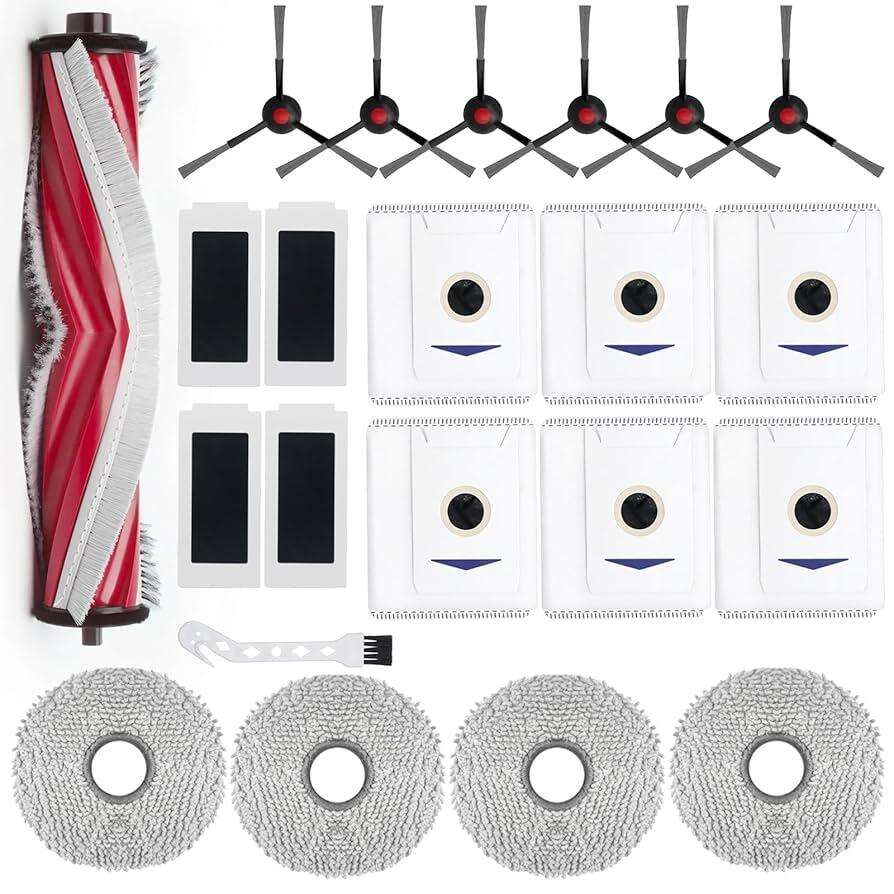
Maintaining robot vacuum replacement parts properly can extend their operational lifespan by up to 300% while ensuring consistent cleaning performance throughout your home. The key to maximizing durability lies in understanding how different components function together and implementing targeted maintenance routines that address the specific wear patterns of each part. Robot vacuum replacement parts experience varying degrees of stress during daily operation, making systematic care essential for both performance optimization and cost-effective ownership.
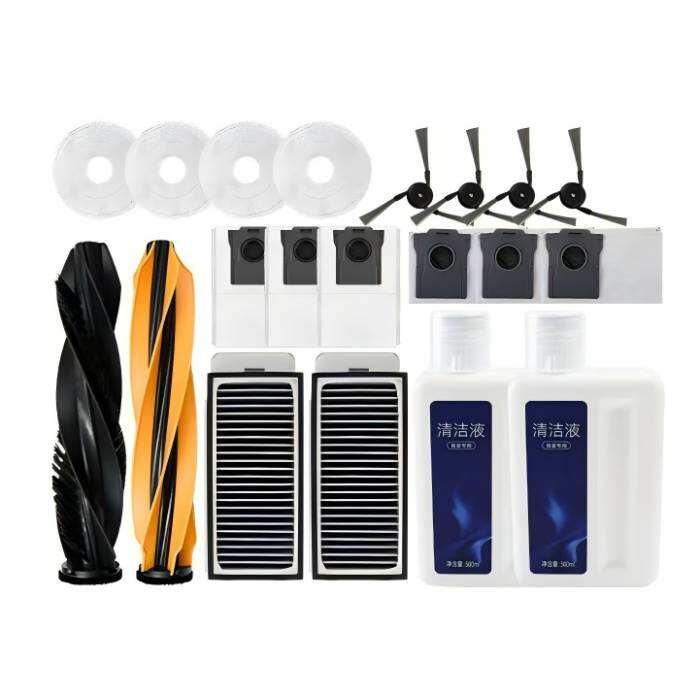
Effective maintenance of robot vacuum replacement parts requires understanding the operational mechanics behind each component and how environmental factors impact their degradation rates. From brush systems that encounter hair and debris to filtration components that trap microscopic particles, each part demands specific attention to maintain optimal functionality. The maintenance approach must account for usage frequency, floor types, household debris patterns, and the quality standards of the original manufacturing specifications.
Understanding Component-Specific Maintenance Requirements
Brush System Maintenance Protocols
Robot vacuum replacement parts in the brush category require the most frequent attention due to their direct contact with debris and surface materials. The main brush, side brushes, and roller assemblies accumulate hair, threads, and particles that can cause binding and premature wear. Regular inspection should occur after every 5-7 cleaning cycles, focusing on removing tangled materials and checking for bristle damage or deformation.
Proper cleaning technique involves removing the brush assembly completely and using specialized tools to extract wrapped debris. The brush housing should be wiped clean with a damp cloth, ensuring no moisture enters the motor connections. Bristle alignment must be checked during reassembly, as misaligned brushes can cause uneven wear patterns and reduced cleaning effectiveness across different floor surfaces.
Temperature considerations play a crucial role in brush maintenance, as extreme heat or cold can affect bristle flexibility and housing materials. Storage in climate-controlled environments helps maintain optimal material properties, while regular rotation of brush sets allows for even wear distribution when multiple robot vacuum replacement parts are available for rotation schedules.
Filtration System Care Strategies
Filter maintenance represents a critical aspect of robot vacuum replacement parts longevity, as compromised filtration directly impacts motor performance and overall system efficiency. HEPA filters, pre-filters, and dust compartment seals require different maintenance approaches based on their filtration mechanisms and material compositions. Regular cleaning schedules should align with household dust levels and pet hair presence to prevent premature saturation.
Proper filter cleaning involves gentle washing with lukewarm water and complete air-drying before reinstallation. Chemical cleaning agents should be avoided as they can degrade filter materials and compromise filtration effectiveness. The drying process must be thorough, as residual moisture can promote bacterial growth and cause premature filter deterioration within the vacuum system.
Filter rotation strategies help extend overall system life by allowing complete drying cycles while maintaining continuous operation. Multiple filter sets enable alternating use patterns that prevent over-saturation and allow for proper maintenance intervals without interrupting cleaning schedules throughout busy household periods.
Environmental Factors Affecting Part Longevity
Humidity and Temperature Impact Assessment
Environmental conditions significantly influence robot vacuum replacement parts durability through material expansion, corrosion potential, and operational stress factors. High humidity environments can cause metal components to corrode more rapidly while affecting electronic sensors and charging contacts. Temperature fluctuations impact plastic components and rubber seals, potentially causing cracking or dimensional changes that affect proper fit and sealing.
Moisture management becomes critical in bathrooms, kitchens, and basements where robot vacuums may encounter water droplets or elevated humidity levels. Immediate drying of wet components prevents corrosion and electrical damage that can cascade through multiple robot vacuum replacement parts simultaneously. Climate-controlled storage areas help maintain optimal conditions when the vacuum is not in active use.
Seasonal maintenance adjustments account for changing environmental conditions throughout the year. Winter heating systems create different dust patterns, while summer humidity affects component behavior differently than dry winter air. Maintenance schedules should reflect these environmental variations to optimize robot vacuum replacement parts performance across all operating conditions.
Debris Type and Cleaning Surface Considerations
Different floor surfaces and debris types create varying wear patterns on robot vacuum replacement parts, requiring tailored maintenance approaches for optimal longevity. Hardwood floors generate different particle types compared to carpeted areas, while pet hair creates unique challenges for brush systems and filtration components. Understanding these patterns enables proactive maintenance that addresses specific wear mechanisms before they cause component failure.
Abrasive particles from tracked-in soil can accelerate wear on brush bristles and housing components. Regular inspection for embedded particles helps identify when more aggressive cleaning methods may be necessary to remove grinding compounds that cause premature degradation. Surface-specific maintenance protocols ensure robot vacuum replacement parts receive appropriate care based on their primary operating environment.
Traffic pattern analysis helps optimize maintenance timing by identifying high-wear areas where components experience increased stress. Entrance areas, pet feeding zones, and high-traffic corridors create different maintenance requirements that should be reflected in care schedules and component replacement planning for sustained performance optimization.
Systematic Maintenance Scheduling and Documentation
Preventive Maintenance Timeline Development
Establishing comprehensive maintenance schedules for robot vacuum replacement parts requires understanding manufacturer recommendations alongside real-world usage patterns in specific household environments. Daily, weekly, and monthly maintenance tasks should be clearly defined and documented to ensure consistent care that prevents premature wear and maintains optimal cleaning performance throughout the component lifecycle.
Daily maintenance focuses on debris removal and visual inspection for obvious damage or excessive wear. Weekly maintenance includes thorough cleaning of removable components and checking for proper assembly and alignment. Monthly maintenance involves detailed inspection of all robot vacuum replacement parts, lubrication where appropriate, and performance testing to identify developing issues before they cause system failures.
Documentation systems help track maintenance activities and component performance over time, enabling data-driven decisions about replacement timing and maintenance interval optimization. Digital logs can include photos of component conditions, maintenance activities performed, and performance observations that guide future care decisions and warranty considerations.
Performance Monitoring and Early Detection Methods
Systematic monitoring of robot vacuum replacement parts performance enables early detection of wear patterns and potential failures before they impact cleaning effectiveness or cause damage to other system components. Observable indicators include changes in cleaning patterns, unusual noises, reduced battery life, and decreased suction performance that may signal developing component issues.
Baseline performance documentation provides reference points for identifying gradual degradation that might otherwise go unnoticed until significant problems develop. Regular testing under controlled conditions helps distinguish between normal wear and accelerated degradation that requires immediate attention or modified maintenance approaches.
Component lifecycle tracking enables proactive replacement planning that prevents unexpected failures and ensures continuous operation. Understanding typical replacement intervals for different robot vacuum replacement parts helps budget for ongoing maintenance costs while optimizing component utilization through strategic replacement timing.
Storage and Handling Best Practices
Proper Storage Techniques for Extended Component Life
Correct storage methods for robot vacuum replacement parts significantly impact their shelf life and performance when placed back into service. Components should be stored in clean, dry environments away from direct sunlight and extreme temperatures that can degrade materials over time. Original packaging often provides optimal protection, but custom storage solutions can be developed for frequently replaced items.
Inventory management systems help ensure robot vacuum replacement parts are used in proper rotation, preventing some components from aging in storage while others receive excessive use. First-in, first-out principles apply to components with limited shelf life, particularly filters and rubber seals that may degrade even when not in active use.
Climate control considerations include avoiding storage areas with high humidity, temperature fluctuations, or exposure to chemicals that might affect component materials. Sealed containers with desiccant packets can provide additional protection for sensitive components, while proper labeling ensures easy identification and prevents confusion during maintenance activities.
Safe Handling Procedures During Maintenance
Proper handling techniques during maintenance activities prevent accidental damage to robot vacuum replacement parts while ensuring personal safety during cleaning and inspection procedures. Delicate sensors, electrical connections, and precision-molded components require careful handling to avoid damage that might not be immediately apparent but could cause premature failure.
Tool selection for maintenance activities should prioritize component protection over convenience, using appropriate materials and techniques that clean effectively without causing surface damage or dimensional changes. Soft brushes, lint-free cloths, and plastic tools help maintain component integrity while removing debris and contamination.
Safety protocols include proper electrical disconnect procedures, awareness of sharp edges or moving parts, and appropriate personal protective equipment when handling dusty or potentially contaminated components. Consistent safety practices protect both the maintenance person and the robot vacuum replacement parts from damage during care activities.
Troubleshooting Common Durability Issues
Identifying and Addressing Premature Wear Patterns
Recognizing early signs of abnormal wear in robot vacuum replacement parts enables corrective action that can extend component life and prevent cascading failures throughout the system. Uneven wear patterns often indicate alignment issues, foreign object interference, or environmental factors that exceed normal operating parameters and require investigation.
Root cause analysis for premature wear involves examining operating conditions, maintenance history, and component interactions that might contribute to accelerated degradation. Common causes include improper installation, inadequate cleaning, exposure to inappropriate materials, or operating outside recommended environmental parameters.
Corrective measures may include modified maintenance procedures, environmental changes, or operational adjustments that address underlying causes rather than simply replacing worn components. Understanding why robot vacuum replacement parts fail prematurely enables prevention strategies that improve overall system reliability and reduce long-term maintenance costs.
Quality Assessment and Replacement Decision Criteria
Establishing clear criteria for when robot vacuum replacement parts should be replaced rather than maintained helps optimize both performance and cost-effectiveness. Visual inspection guidelines, performance benchmarks, and safety considerations should all factor into replacement decisions that balance continued operation with reliability requirements.
Cost-benefit analysis for repair versus replacement considers component cost, labor requirements, availability, and the impact of continued use on other system components. Sometimes continued use of marginal robot vacuum replacement parts can cause damage to more expensive components, making proactive replacement the more economical choice.
Quality standards for acceptable component condition should be clearly defined and consistently applied to ensure reliable operation and prevent unexpected failures. These standards should account for safety requirements, performance expectations, and the potential consequences of component failure during operation.
FAQ
How often should robot vacuum replacement parts be inspected for maintenance needs?
Robot vacuum replacement parts should be inspected after every 5-7 cleaning cycles for brush components, weekly for filters and debris compartments, and monthly for all other components including sensors and charging contacts. High-traffic households or homes with pets may require more frequent inspections to prevent premature wear and maintain optimal cleaning performance.
What are the most critical environmental factors that affect robot vacuum replacement parts durability?
Humidity levels above 60%, temperature fluctuations exceeding 20 degrees within short periods, exposure to direct sunlight during storage, and the presence of fine abrasive particles from tracked-in soil represent the most significant environmental threats to robot vacuum replacement parts longevity. Controlling these factors through proper storage and operating environment management can extend component life significantly.
Can improper maintenance void warranties on robot vacuum replacement parts?
Yes, improper maintenance including use of harsh chemicals, excessive force during cleaning, modification of components, or failure to follow manufacturer-specified procedures can void warranties on robot vacuum replacement parts. Always follow manufacturer guidelines and document maintenance activities to preserve warranty coverage and ensure optimal component performance throughout the expected service life.
What tools are essential for proper robot vacuum replacement parts maintenance?
Essential maintenance tools include soft-bristled brushes for debris removal, lint-free microfiber cloths, plastic prying tools for safe disassembly, compressed air for cleaning hard-to-reach areas, and appropriate lubricants specified by the manufacturer. Avoid metal tools that could damage plastic components or electrical contacts, and maintain a dedicated tool set to prevent cross-contamination from other household maintenance activities.
Table of Contents
- Understanding Component-Specific Maintenance Requirements
- Environmental Factors Affecting Part Longevity
- Systematic Maintenance Scheduling and Documentation
- Storage and Handling Best Practices
- Troubleshooting Common Durability Issues
-
FAQ
- How often should robot vacuum replacement parts be inspected for maintenance needs?
- What are the most critical environmental factors that affect robot vacuum replacement parts durability?
- Can improper maintenance void warranties on robot vacuum replacement parts?
- What tools are essential for proper robot vacuum replacement parts maintenance?