
 EN
EN
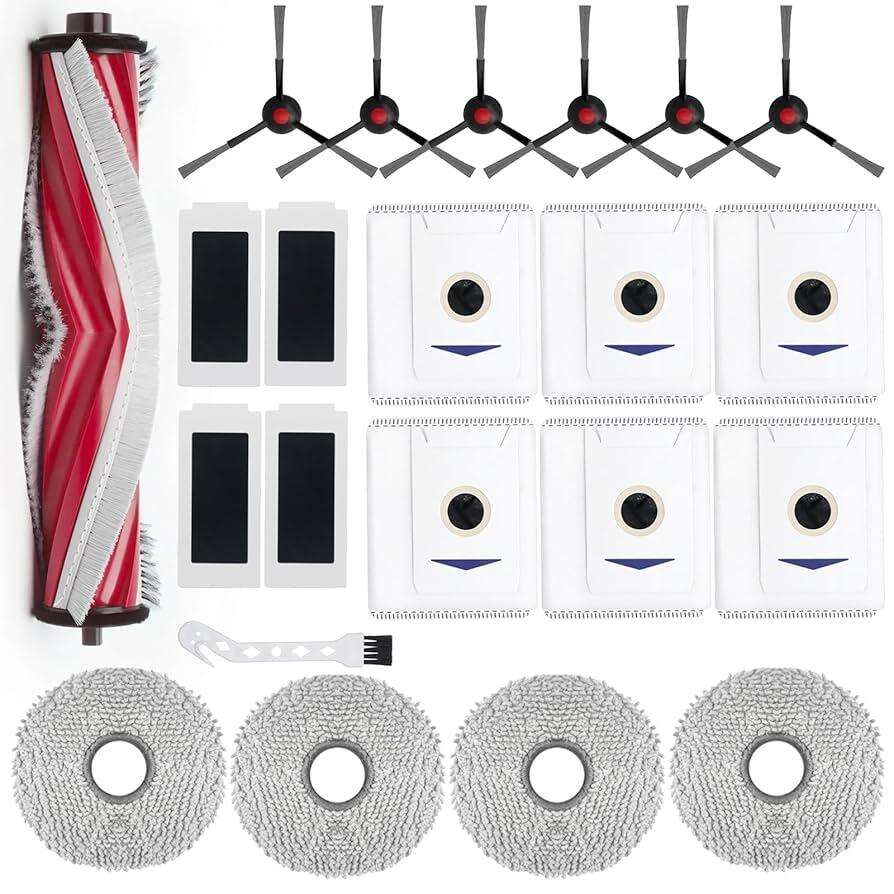
Robot vacuum replacement parts play a critical role in maintaining the performance and longevity of automated cleaning systems across diverse applications. Understanding which environments and use cases demand the most reliable components helps facility managers, homeowners, and commercial operators make informed decisions about maintenance strategies and part quality requirements.
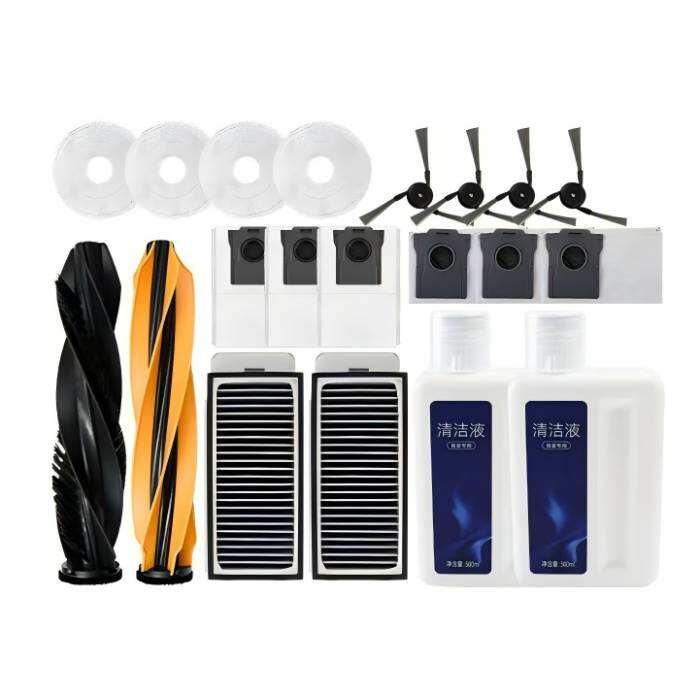
The demand for robot vacuum replacement parts varies significantly depending on operational intensity, environmental conditions, debris types, and cleaning frequency requirements. Applications with high-traffic patterns, challenging surface materials, or continuous operation schedules create accelerated wear patterns that necessitate premium replacement components to maintain consistent cleaning performance.
Commercial Office Environments
High-Traffic Reception Areas
Reception areas and lobbies in commercial buildings represent some of the most demanding applications for robot vacuum replacement parts. These spaces experience constant foot traffic, bringing in outdoor debris, salt residue during winter months, and fine particulates that quickly wear down brush assemblies and filtration systems. The continuous operation required to maintain professional appearance standards places exceptional stress on motor components and navigation sensors.
In these environments, brush rollers encounter everything from paper clips and rubber bands to coffee grounds and food particles. The diverse debris types require robust brush bristles and efficient debris extraction mechanisms. Facilities typically schedule cleaning cycles multiple times daily, creating accelerated wear patterns that demand high-quality robot vacuum replacement parts to prevent operational disruptions.
The professional appearance expectations in corporate settings mean that vacuum performance cannot deteriorate gradually. Replacement parts must maintain consistent suction power and debris collection efficiency throughout their service life. This requirement drives the need for premium filtration components that resist clogging and maintain airflow capacity even when processing fine dust and toner particles common in office environments.
Open Floor Plan Workspaces
Modern open office designs create unique challenges for robotic cleaning systems. The large, unobstructed areas allow for efficient navigation patterns but also expose robot vacuum replacement parts to extended continuous operation periods. Carpet tiles and hard surface transitions create varying resistance levels that stress drive wheels and motor assemblies.
Cable management systems and furniture legs create navigation obstacles that require frequent sensor cleaning and calibration. The accumulation of dust on optical sensors can degrade navigation accuracy, making sensor replacement parts critical for maintaining efficient cleaning patterns. Additionally, the acoustic requirements in office environments demand that motor assemblies and fan components maintain quiet operation throughout their service life.
Employee workspace debris includes staples, paper shreds, and food crumbs that can damage brush mechanisms if replacement parts lack adequate durability. The professional environment also requires that robot vacuum replacement parts maintain consistent performance without creating maintenance disruptions during business hours.
Healthcare and Medical Facilities
Patient Care Areas
Healthcare facilities demand the highest standards for robot vacuum replacement parts due to infection control requirements and continuous operation needs. Patient rooms, corridors, and waiting areas must maintain exceptional cleanliness standards while accommodating sensitive medical equipment and patient mobility aids. The presence of medical waste, pharmaceutical residues, and biological contaminants creates challenging operating conditions.
HEPA filtration systems in healthcare applications require premium replacement filters that maintain specified particle capture efficiency throughout their service life. The cost of compromised air quality in medical environments far exceeds the investment in high-grade robot vacuum replacement parts. Additionally, the need for frequent sanitization of vacuum components requires replacement parts that resist degradation from cleaning chemicals and UV sterilization processes.
Emergency response situations in healthcare facilities can introduce unexpected debris types that stress vacuum systems beyond normal parameters. Broken glass, medical packaging materials, and liquid spills create scenarios where replacement parts must handle extreme conditions without failing. The 24-hour operation schedules typical in healthcare settings also accelerate normal wear patterns.
Laboratory and Research Spaces
Research laboratories present unique challenges for robotic cleaning systems due to the presence of fine chemical powders, glass particles, and specialized equipment configurations. Robot vacuum replacement parts in these environments must resist chemical corrosion while maintaining precision performance around sensitive instruments. Static electricity control becomes critical when processing electronic components and chemical powders.
The controlled environment requirements in laboratories often include specific humidity and temperature conditions that affect replacement part performance. Rubber seals and gaskets must maintain flexibility and sealing integrity across varying environmental conditions. Additionally, the presence of magnetic fields from scientific equipment can interfere with navigation systems, requiring specialized sensor components.
Contamination prevention protocols in laboratory settings require that robot vacuum replacement parts contribute minimal particle shedding and maintain consistent performance without introducing variables that could affect research outcomes. The precision cleaning requirements often exceed typical commercial standards, driving demand for premium component specifications.
Manufacturing and Industrial Settings
Production Floor Environments
Manufacturing facilities create some of the most demanding conditions for robot vacuum replacement parts due to the presence of metal shavings, coolant residues, and abrasive particles from production processes. The industrial environment combines high debris volumes with harsh operating conditions that accelerate component wear. Dust collection systems must handle particles that range from fine powders to larger manufacturing byproducts.
The continuous operation requirements in manufacturing often involve multiple shifts with minimal downtime for maintenance activities. This operational pattern demands robot vacuum replacement parts that maintain performance consistency across extended service intervals. Additionally, the presence of oil mists and chemical vapors in manufacturing environments requires specialized materials that resist chemical degradation.
Quality control requirements in manufacturing settings often include documentation of cleaning performance and component service life. This accountability standard drives the need for replacement parts that provide predictable performance characteristics and clear service interval indicators. The cost impact of production disruptions also justifies investment in premium robot vacuum replacement parts that minimize unscheduled maintenance events.
Warehouse and Distribution Centers
Warehouse environments combine large floor areas with diverse debris types that challenge robotic cleaning systems. Cardboard fibers, packaging materials, and seasonal debris from incoming shipments create variable loading conditions for robot vacuum replacement parts. The scale of warehouse operations often requires multiple robotic units operating simultaneously, creating fleet maintenance considerations.
The concrete floors typical in warehouse settings generate fine dust particles that can clog filtration systems and create abrasive wear on moving components. Temperature variations between loading dock areas and interior spaces also stress replacement parts through thermal cycling effects. Additionally, the presence of forklift traffic and material handling equipment creates safety requirements for robust construction in all replacement components.
Inventory management considerations in warehouse settings often favor replacement parts with extended service intervals to minimize inventory carrying costs and maintenance scheduling complexity. The 24-hour operational patterns in many distribution centers also require replacement parts that maintain performance consistency across extended operating periods without degradation.
Educational and Institutional Facilities
Classroom and Academic Spaces
Educational facilities present unique challenges for robot vacuum replacement parts due to the combination of high occupancy levels, diverse debris types, and budget-conscious maintenance approaches. Classrooms accumulate paper fragments, eraser debris, food particles, and craft materials that require versatile cleaning capabilities. The seasonal variations in academic schedules also create periods of intensive use followed by maintenance opportunities.
The presence of educational technology, including computers and projection equipment, creates electromagnetic interference considerations for navigation systems in robotic vacuums. Robot vacuum replacement parts must maintain consistent performance in these environments while avoiding interference with sensitive electronic equipment. Additionally, the acoustic requirements in learning environments demand quiet operation from motor and fan assemblies.
Budget constraints in educational settings often extend replacement part service intervals beyond optimal maintenance schedules. This operational reality requires replacement components that maintain acceptable performance even when serviced at extended intervals. The educational environment also requires that maintenance activities avoid disruption to academic schedules, favoring replacement parts with predictable service life characteristics.
Dormitories and Student Housing
Student housing facilities combine residential debris patterns with commercial-scale cleaning requirements. The high density of occupants creates accelerated debris accumulation while varying cleanliness standards among residents create inconsistent operating conditions for robotic cleaning systems. Robot vacuum replacement parts must handle everything from food spills to personal care products and study materials.
The transient nature of student populations creates seasonal peaks in debris types and volumes, particularly during move-in and move-out periods. These events can introduce unusual debris types that stress vacuum systems beyond normal parameters. Additionally, the mix of carpeted and hard surface areas in student housing requires replacement parts that adapt efficiently to varying surface types and cleaning requirements.
Maintenance scheduling in student housing often accommodates academic calendar constraints, creating periods of intensive use followed by maintenance opportunities. Robot vacuum replacement parts must maintain performance consistency across these variable operational patterns while providing clear indicators of service life remaining to facilitate maintenance planning.
FAQ
How often should robot vacuum replacement parts be changed in commercial applications?
Commercial applications typically require robot vacuum replacement parts every 3-6 months depending on operating intensity, debris types, and environmental conditions. High-traffic areas may need monthly replacement of consumable components like filters and brushes, while motor assemblies and sensors may last 12-18 months with proper maintenance.
What factors determine the quality requirements for robot vacuum replacement parts?
Quality requirements depend on operational intensity, debris characteristics, environmental conditions, and maintenance accessibility. Applications with continuous operation, abrasive debris, or limited maintenance windows require premium replacement parts with extended service life and consistent performance characteristics throughout their operational period.
Can generic replacement parts maintain the same performance as original equipment parts?
Generic robot vacuum replacement parts can provide acceptable performance in low-intensity applications, but demanding commercial and industrial environments typically require original equipment or premium aftermarket parts that meet specific performance and durability standards. The cost savings from generic parts may be offset by more frequent replacement and potential performance degradation.
How do environmental factors affect robot vacuum replacement parts selection?
Environmental factors including temperature variations, humidity levels, chemical exposure, and debris types significantly influence replacement parts selection. Harsh environments require specialized materials and construction techniques that resist degradation, while controlled environments may allow standard components with extended service intervals and predictable performance characteristics.
Table of Contents
- Commercial Office Environments
- Healthcare and Medical Facilities
- Manufacturing and Industrial Settings
- Educational and Institutional Facilities
-
FAQ
- How often should robot vacuum replacement parts be changed in commercial applications?
- What factors determine the quality requirements for robot vacuum replacement parts?
- Can generic replacement parts maintain the same performance as original equipment parts?
- How do environmental factors affect robot vacuum replacement parts selection?