
 EN
EN
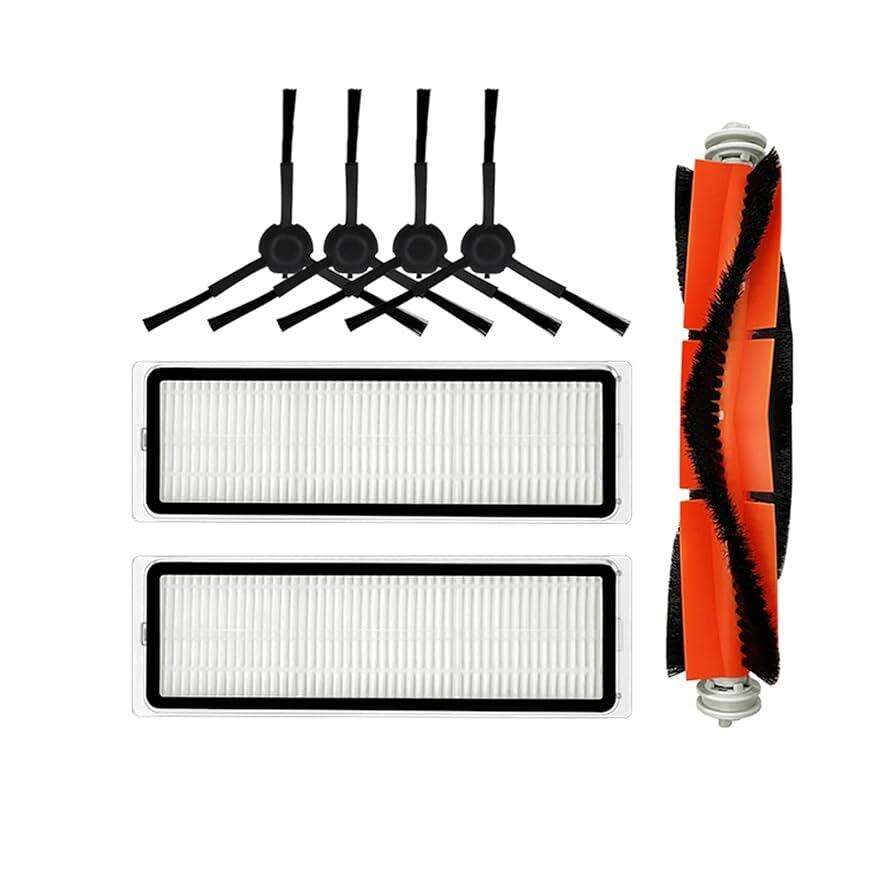
Selecting the right robot vacuum filters for commercial applications requires careful consideration of multiple factors that directly impact cleaning efficiency, maintenance costs, and operational reliability. Commercial environments present unique challenges compared to residential settings, including higher debris volumes, extended operating hours, and diverse floor surfaces that demand specialized filtration solutions. Understanding these requirements is essential for facility managers and business owners who want to maximize their investment in automated cleaning technology.
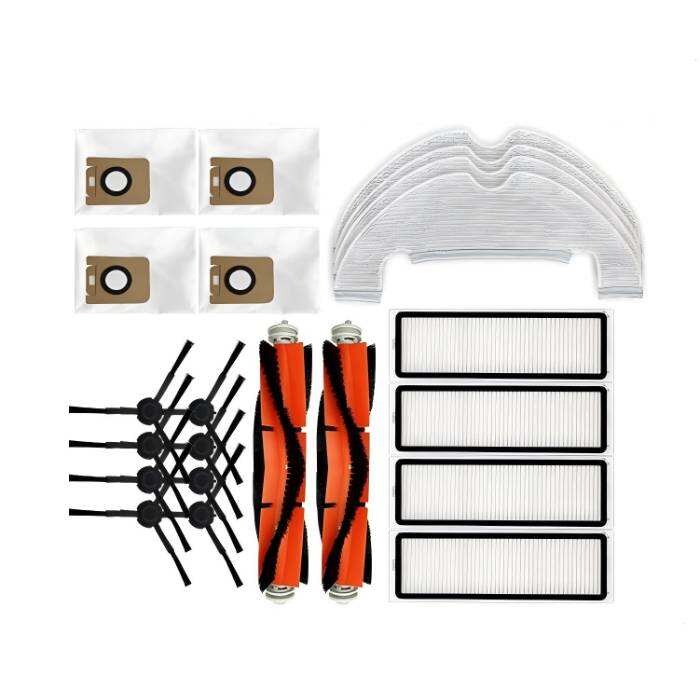
Commercial robot vacuum filters must deliver consistent performance across demanding operational schedules while maintaining indoor air quality standards that protect employee health and comply with workplace regulations. The selection process involves evaluating filtration efficiency ratings, compatibility with specific robot vacuum models, replacement frequency requirements, and total cost of ownership considerations that affect long-term budgeting decisions.
Understanding Commercial Filtration Requirements
Air Quality Standards in Commercial Environments
Commercial facilities must maintain specific indoor air quality standards that exceed typical residential requirements. Robot vacuum filters play a crucial role in capturing fine particles, allergens, and microscopic debris that can accumulate in high-traffic areas. HEPA-rated filters with 99.97% efficiency for particles 0.3 microns and larger are often necessary to meet commercial air quality regulations and protect employee health.
Different commercial environments have varying air quality needs based on occupancy levels, business activities, and regulatory compliance requirements. Office buildings, retail spaces, healthcare facilities, and food service establishments each present unique challenges that influence filter selection criteria and performance expectations for robot vacuum filters.
Debris Volume and Composition Analysis
Commercial spaces generate significantly higher debris volumes compared to residential environments, requiring robot vacuum filters with enhanced capacity and durability. Analyzing the types of particles commonly found in specific commercial settings helps determine appropriate filtration technology and replacement schedules that maintain optimal performance.
Fine dust from paper products, fabric fibers from carpeting and upholstery, food particles in break rooms, and outdoor contaminants tracked in by foot traffic create complex filtration challenges. Robot vacuum filters must effectively capture this diverse particle mix without clogging prematurely or reducing suction power during extended cleaning cycles.
Operating Duration and Frequency Considerations
Commercial robot vacuums typically operate for longer periods and more frequent cycles than residential units, placing additional stress on filtration systems. Robot vacuum filters must maintain consistent performance throughout extended operating schedules without compromising cleaning effectiveness or requiring excessive maintenance interventions.
Peak operating periods during business hours and overnight cleaning schedules require robot vacuum filters that can handle continuous debris accumulation while maintaining adequate airflow. Filter design and materials must withstand repeated cleaning cycles without structural degradation or filtration efficiency loss.
Filter Technology and Performance Specifications
HEPA Filter Applications and Benefits
High-Efficiency Particulate Air (HEPA) filters represent the gold standard for commercial robot vacuum applications where superior air quality is essential. These robot vacuum filters capture 99.97% of particles measuring 0.3 microns or larger, including fine dust, pollen, bacteria, and other microscopic contaminants that conventional filters cannot effectively remove.
HEPA robot vacuum filters are particularly important in healthcare facilities, laboratories, and food processing environments where contamination control directly impacts safety and regulatory compliance. The initial investment in HEPA-grade filtration pays dividends through improved indoor air quality and reduced health-related concerns for occupants and employees.
Multi-Stage Filtration Systems
Advanced robot vacuum filters often incorporate multi-stage filtration designs that combine coarse debris capture with fine particle removal. Pre-filters handle larger particles and protect downstream HEPA elements from premature clogging, while activated carbon layers address odors and chemical vapors common in commercial environments.
This layered approach extends the operational life of robot vacuum filters while maintaining consistent suction power throughout cleaning cycles. Each filtration stage serves a specific purpose, creating a comprehensive debris capture system that handles the diverse particle sizes and types encountered in commercial applications.
Washable versus Disposable Filter Options
Commercial robot vacuum filter selection often involves choosing between washable and disposable options based on operational requirements and maintenance capabilities. Washable robot vacuum filters offer lower long-term costs and reduced waste generation but require proper cleaning procedures and drying time that may impact cleaning schedules.
Disposable robot vacuum filters provide consistent performance and eliminate maintenance labor but create ongoing operational costs and waste disposal considerations. The decision depends on facility maintenance capabilities, budget constraints, and environmental sustainability goals that align with corporate policies.
Compatibility and Installation Requirements
Model-Specific Filter Matching
Robot vacuum filters must precisely match the specifications and mounting requirements of specific vacuum models to ensure proper fit, seal integrity, and optimal performance. Dimensional accuracy, mounting tab positioning, and airflow pathway alignment are critical factors that affect filtration efficiency and prevent bypass leakage.
Using incorrect or poorly fitting robot vacuum filters can compromise cleaning effectiveness, reduce motor life, and create maintenance issues that disrupt commercial cleaning schedules. Verification of part numbers, manufacturer compatibility charts, and physical dimensions ensures proper filter selection and installation success.
Seal Integrity and Bypass Prevention
Effective filtration depends on maintaining proper seals between robot vacuum filters and the vacuum housing to prevent unfiltered air bypass. Commercial applications require robust sealing systems that withstand repeated filter changes, vibration during operation, and potential handling stress during maintenance procedures.
Quality robot vacuum filters incorporate appropriate gasket materials, compression characteristics, and mounting mechanisms that create reliable seals without excessive force or complex installation procedures. Poor sealing allows particles to bypass filtration, reducing cleaning effectiveness and potentially damaging vacuum components.
Maintenance Access and Replacement Procedures
Commercial robot vacuum filters should be designed for easy access and replacement to minimize maintenance downtime and labor requirements. Quick-release mechanisms, clear visual indicators for replacement timing, and straightforward installation procedures help maintain consistent cleaning performance with minimal operational disruption.
Training maintenance staff on proper filter replacement procedures, handling techniques, and disposal methods ensures that robot vacuum filters continue delivering optimal performance throughout their service life. Clear documentation and visual guides support efficient maintenance practices and reduce the risk of installation errors.
Cost Analysis and Replacement Scheduling
Total Cost of Ownership Evaluation
Selecting robot vacuum filters requires comprehensive total cost of ownership analysis that includes initial purchase price, replacement frequency, maintenance labor, and performance impact on overall cleaning effectiveness. Lower-priced filters may require more frequent replacement, while premium options often deliver longer service life and better performance consistency.
Commercial decision-makers must balance upfront filter costs with operational efficiency, maintenance requirements, and long-term budget implications. Robot vacuum filters that maintain consistent performance longer reduce overall operational costs despite higher initial investment, particularly in high-use commercial environments.
Replacement Frequency Optimization
Determining optimal replacement schedules for robot vacuum filters depends on operating conditions, debris levels, and performance monitoring data collected during routine operations. Preventive replacement schedules prevent performance degradation while avoiding premature filter disposal that increases operational costs unnecessarily.
Visual inspection indicators, pressure differential monitoring, and cleaning performance tracking help establish data-driven replacement schedules that maximize robot vacuum filters service life while maintaining consistent cleaning quality. Regular monitoring prevents unexpected performance drops that can disrupt commercial cleaning operations.
Bulk Purchasing and Inventory Management
Commercial facilities often benefit from bulk purchasing agreements that reduce per-unit costs for robot vacuum filters while ensuring adequate inventory levels for uninterrupted maintenance schedules. Strategic inventory management prevents stockouts that could force emergency purchases at premium prices or temporarily compromise cleaning operations.
Establishing relationships with reliable suppliers ensures consistent availability of robot vacuum filters and provides access to technical support when compatibility questions or performance issues arise. Long-term supply agreements can also provide cost stability for budget planning purposes.
Performance Monitoring and Quality Assurance
Cleaning Effectiveness Metrics
Monitoring cleaning effectiveness provides objective data for evaluating robot vacuum filters performance and determining optimal replacement timing. Key performance indicators include debris capture efficiency, surface cleanliness scores, and air quality measurements that reflect filtration system effectiveness in real commercial environments.
Regular performance assessments help identify when robot vacuum filters begin losing effectiveness, allowing proactive replacement before cleaning quality degrades noticeably. Documentation of performance trends supports continuous improvement initiatives and helps refine filter selection criteria for future purchases.
Air Quality Impact Assessment
Commercial robot vacuum filters directly impact indoor air quality through their ability to capture and retain fine particles that would otherwise remain airborne. Regular air quality monitoring helps verify that filtration systems maintain acceptable particle levels and support employee health and comfort objectives.
Particle counters, allergen testing, and occupant feedback provide multiple data sources for assessing robot vacuum filters effectiveness in improving indoor environmental quality. This information supports decisions about filter upgrade requirements and validates the business case for premium filtration investments.
Maintenance Documentation and Tracking
Comprehensive maintenance records for robot vacuum filters support warranty claims, regulatory compliance documentation, and continuous improvement analysis. Tracking replacement dates, service life, performance observations, and cost data creates valuable historical information for optimizing future filter selection and maintenance practices.
Digital maintenance management systems can automate tracking and generate alerts for scheduled robot vacuum filters replacements, reducing the risk of forgotten maintenance tasks that could compromise cleaning performance. Standardized documentation procedures ensure consistency across multiple facilities and maintenance teams.
FAQ
How often should robot vacuum filters be replaced in commercial settings?
Commercial robot vacuum filters typically require replacement every 2-6 weeks depending on usage intensity, debris levels, and filter type. High-traffic environments may need weekly replacements, while lighter-use areas can extend replacement intervals. Monitor cleaning performance and visual filter condition to determine optimal timing for your specific application.
Can standard residential robot vacuum filters work in commercial applications?
Residential robot vacuum filters are generally not suitable for commercial applications due to lower filtration efficiency, reduced capacity, and shorter service life under heavy-duty conditions. Commercial-grade filters are specifically designed to handle higher debris volumes and extended operating schedules while maintaining consistent performance standards.
What filtration efficiency rating should I look for in commercial robot vacuum filters?
Commercial applications typically require robot vacuum filters with HEPA efficiency ratings (99.97% for 0.3-micron particles) or high-efficiency ratings of at least 95% for particles 1 micron and larger. Healthcare, food service, and sensitive environments may require certified HEPA filtration to meet regulatory requirements and air quality standards.
How do I know when robot vacuum filters need replacement in a commercial setting?
Replace robot vacuum filters when you notice reduced suction power, visible debris accumulation, cleaning performance decline, or when filters appear discolored or damaged. Establish replacement schedules based on operating hours and debris levels rather than relying solely on visual inspection, as commercial environments may require more frequent changes than apparent filter condition suggests.
Table of Contents
- Understanding Commercial Filtration Requirements
- Filter Technology and Performance Specifications
- Compatibility and Installation Requirements
- Cost Analysis and Replacement Scheduling
- Performance Monitoring and Quality Assurance
-
FAQ
- How often should robot vacuum filters be replaced in commercial settings?
- Can standard residential robot vacuum filters work in commercial applications?
- What filtration efficiency rating should I look for in commercial robot vacuum filters?
- How do I know when robot vacuum filters need replacement in a commercial setting?