
 EN
EN
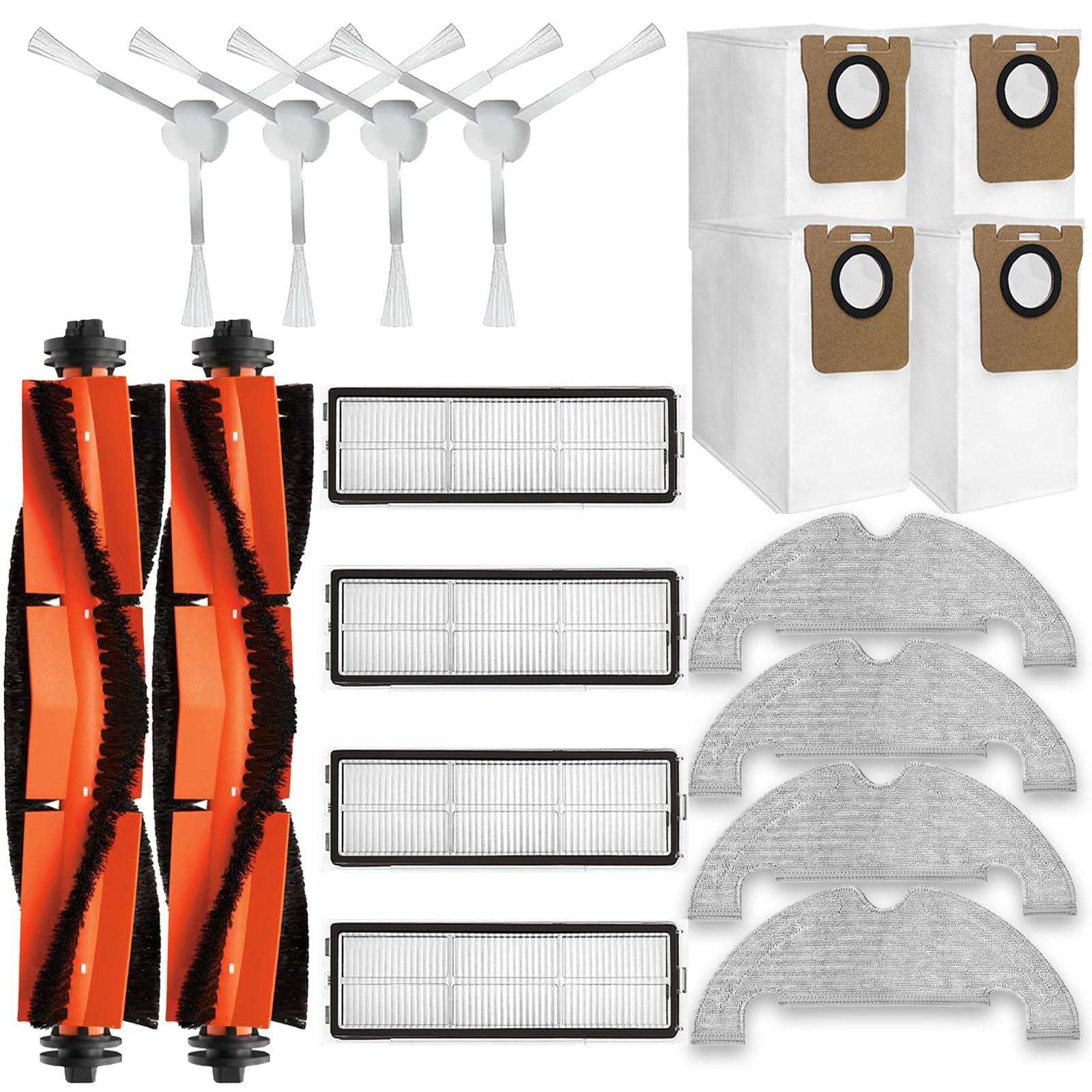
Importers in the robot vacuum replacement parts industry face mounting pressure to deliver components that meet stringent quality standards while maintaining competitive pricing. The challenge extends beyond simple procurement, encompassing comprehensive quality assurance systems, supplier verification protocols, and risk mitigation strategies that protect both business operations and end-user satisfaction. Understanding how to navigate these complexities determines whether an importer builds a sustainable, profitable business or faces costly returns, warranty claims, and damaged relationships with distributors and retailers.
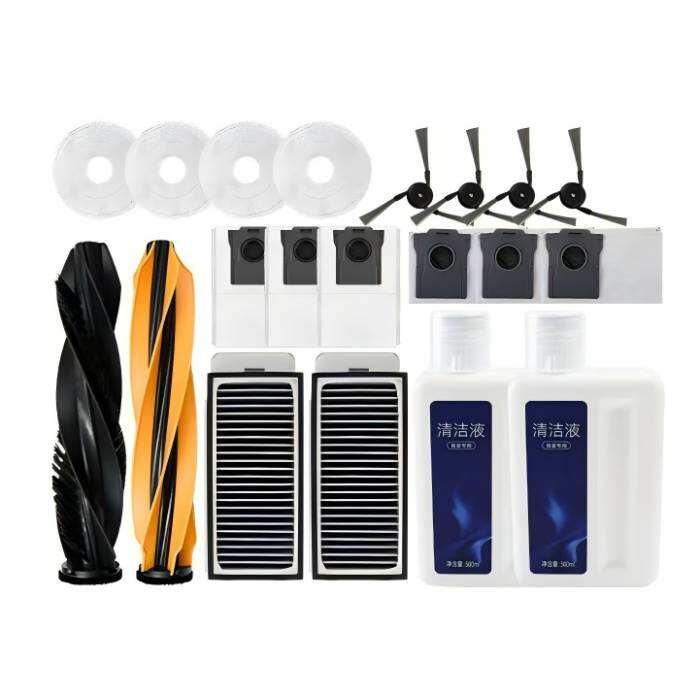
Quality assurance in robot vacuum replacement parts requires a systematic approach that addresses material integrity, dimensional accuracy, functional performance, and compatibility standards. Importers must establish robust supplier evaluation frameworks, implement multi-stage inspection protocols, and maintain traceability systems that enable rapid response to quality issues. The stakes are particularly high in this market segment, where substandard components can damage expensive robotic cleaning systems, create safety hazards, or result in poor cleaning performance that reflects negatively on both the replacement part supplier and the original equipment manufacturer.
Establishing Comprehensive Supplier Qualification Systems
Manufacturing Capability Assessment
Effective supplier qualification begins with thorough evaluation of manufacturing capabilities specifically related to robot vacuum replacement parts production. Importers should conduct detailed facility audits that examine production equipment, quality control infrastructure, and process documentation systems. The assessment must verify that suppliers possess appropriate injection molding capabilities for plastic components, precision cutting equipment for filter materials, and assembly facilities that maintain cleanliness standards essential for vacuum system components.
Manufacturing assessment extends to evaluating the supplier's understanding of robot vacuum replacement parts specifications, including tolerance requirements, material compatibility, and performance standards. Suppliers must demonstrate experience with the specific engineering challenges inherent in robotic cleaning components, such as achieving optimal suction flow dynamics in filter designs, maintaining precise brush roll dimensions for effective dirt collection, and ensuring durable bearing systems in motorized components.
The qualification process should include review of the supplier's quality management system certification, preferably ISO 9001 or equivalent standards that demonstrate systematic approach to quality control. Importers need to verify that suppliers maintain documented procedures for incoming material inspection, in-process quality monitoring, and final product testing specific to robot vacuum replacement parts functionality.
Quality Documentation and Traceability Requirements
Comprehensive quality documentation forms the foundation of reliable robot vacuum replacement parts procurement. Suppliers must provide detailed material certifications that specify plastic grades, filter media compositions, and any chemical treatments applied during manufacturing. This documentation enables importers to verify compliance with safety standards and performance requirements while establishing clear traceability from raw materials through finished components.
Traceability systems should include batch coding that allows tracking of individual robot vacuum replacement parts back to specific production runs, raw material lots, and quality test results. This capability proves essential when addressing customer complaints, managing warranty claims, or implementing corrective actions based on field performance data. Suppliers must maintain records linking component serial numbers to inspection results, test data, and shipping documentation.
Quality documentation must also encompass dimensional inspection reports that verify conformance to engineering specifications for critical features such as brush roll diameters, filter pleating accuracy, and connector dimensions. These reports should include statistical process control data demonstrating manufacturing consistency and capability indices that predict long-term quality performance.
Implementing Multi-Stage Inspection Protocols
Pre-Shipment Inspection Procedures
Pre-shipment inspection represents the critical quality gate before robot vacuum replacement parts enter the distribution chain. Importers should establish sampling protocols based on statistical quality control principles, with sample sizes determined by lot size and acceptable quality levels appropriate for the specific component type. High-wear items such as brush rolls and filters typically require more intensive sampling due to their direct impact on cleaning performance.
Inspection procedures must address both dimensional verification and functional testing relevant to robot vacuum replacement parts applications. Dimensional checks should encompass critical features that affect fit and compatibility with robotic vacuum systems, including brush roll shaft diameters, filter housing dimensions, and electrical connector specifications. Functional testing should evaluate component performance under conditions that simulate actual use, such as airflow resistance testing for filters and rotation smoothness evaluation for brush assemblies.
Pre-shipment inspection should also include visual examination for surface defects, material inconsistencies, and assembly quality issues that could affect robot vacuum replacement parts performance or customer satisfaction. Inspectors must be trained to recognize quality issues specific to robotic cleaning components, such as improper brush bristle attachment, filter media delamination, or plastic component flash that could interfere with proper operation.
Laboratory Testing and Performance Validation
Laboratory testing provides objective verification that robot vacuum replacement parts meet performance specifications and durability requirements. Testing protocols should encompass material property verification, dimensional accuracy measurement, and functional performance evaluation under controlled conditions. Material testing should verify plastic properties such as impact resistance, chemical compatibility, and UV stability that affect long-term component reliability.
Performance validation testing should simulate actual operating conditions for robot vacuum replacement parts, including cyclic loading tests for brush rolls, filtration efficiency measurement for air filters, and durability testing under repeated use cycles. These tests generate quantitative data that enables comparison against established performance benchmarks and helps identify potential reliability issues before components reach end users.
Laboratory testing should also include compatibility verification that ensures robot vacuum replacement parts function properly with target robotic cleaning systems. This testing may involve fit checks, electrical continuity verification, and performance measurement when components are installed in actual vacuum units. Test results provide documentation supporting quality claims and enable data-driven decisions about supplier performance and component specifications.
Managing Material Quality and Compatibility Standards
Material Specification and Verification
Material quality directly impacts the performance and durability of robot vacuum replacement parts, making specification and verification critical quality control elements. Importers must establish detailed material requirements that specify plastic grades, additive packages, and processing conditions appropriate for robotic cleaning applications. These specifications should address environmental resistance requirements, including temperature stability, chemical compatibility, and mechanical property retention under typical use conditions.
Verification procedures should include incoming material inspection using appropriate analytical techniques such as differential scanning calorimetry for plastic identification, tensile testing for mechanical properties, and chemical analysis for additive content. These tests ensure that supplied materials match specifications and provide consistent performance characteristics across production lots of robot vacuum replacement parts.
Material compatibility extends beyond individual component requirements to encompass interaction between different materials used in robot vacuum replacement parts assemblies. Importers should verify that material combinations do not create galvanic corrosion, stress cracking, or other degradation mechanisms that could affect component reliability or safety during normal operation.
Environmental and Safety Compliance
Environmental and safety compliance represents a fundamental quality requirement for robot vacuum replacement parts intended for consumer markets. Importers must verify that components meet applicable regulations such as RoHS restrictions on hazardous substances, REACH requirements for chemical registration, and relevant safety standards for electrical components. Compliance verification should include material testing, documentation review, and supplier certification validation.
Safety compliance encompasses both material safety and functional safety considerations specific to robot vacuum replacement parts applications. Material safety includes verification that plastic components do not contain prohibited substances and that any surface treatments or coatings meet food contact or indoor air quality standards. Functional safety involves ensuring that components do not create mechanical hazards, electrical risks, or performance degradation that could affect robotic vacuum operation.
Environmental compliance extends to packaging materials and shipping documentation that must accompany robot vacuum replacement parts through international trade channels. Importers should ensure that suppliers provide appropriate certificates of compliance, material safety data sheets, and environmental declarations that facilitate customs clearance and regulatory compliance in destination markets.
Building Long-Term Supplier Relationships and Continuous Improvement
Performance Monitoring and Feedback Systems
Long-term quality assurance in robot vacuum replacement parts requires systematic performance monitoring that tracks supplier quality trends, identifies improvement opportunities, and maintains accountability for quality commitments. Importers should establish key performance indicators that measure quality metrics such as defect rates, customer complaints, and warranty claims attributable to specific suppliers and component types.
Feedback systems should provide suppliers with regular quality performance reports that highlight both positive achievements and areas requiring improvement. These reports should include statistical analysis of inspection results, customer feedback summaries, and comparative performance data that helps suppliers understand their position relative to quality expectations for robot vacuum replacement parts.
Performance monitoring should also encompass delivery reliability, responsiveness to quality issues, and willingness to participate in continuous improvement activities. Suppliers who demonstrate consistent quality performance and proactive problem-solving capabilities should receive preferential consideration for new product development and increased volume allocation.
Technology Integration and Innovation Support
Technology integration enables more sophisticated quality control approaches for robot vacuum replacement parts while supporting innovation in component design and manufacturing processes. Importers should encourage suppliers to adopt advanced quality control technologies such as automated inspection systems, real-time process monitoring, and statistical process control software that enhance quality consistency and reduce variability.
Innovation support involves collaborating with suppliers on product development initiatives that improve robot vacuum replacement parts performance, reduce manufacturing costs, or enable new functionality. These partnerships may include joint engineering projects, shared technology development, or coordinated market research that identifies emerging customer requirements and competitive opportunities.
Technology integration should also encompass supply chain transparency initiatives such as blockchain tracking, real-time inventory visibility, and automated quality data sharing that enhance traceability and enable rapid response to quality issues affecting robot vacuum replacement parts distribution networks.
FAQ
What are the most critical quality checkpoints for robot vacuum replacement parts?
The most critical quality checkpoints include dimensional accuracy verification to ensure proper fit with robotic vacuum systems, material property testing to confirm durability and safety requirements, functional performance testing under simulated use conditions, and compatibility verification with target vacuum models. Pre-shipment inspection should focus on high-impact features such as brush roll balance, filter pleating consistency, and electrical connector integrity that directly affect cleaning performance and system reliability.
How can importers verify supplier quality certifications for robot vacuum components?
Supplier quality certification verification should include independent audit of manufacturing facilities, review of quality management system documentation, validation of test equipment calibration records, and verification of personnel training programs. Importers should request current ISO certification documents, conduct on-site assessments of quality control procedures, and verify that suppliers maintain appropriate testing capabilities for robot vacuum replacement parts specifications. Third-party quality audits provide additional assurance of supplier capability and compliance.
What role does batch tracking play in robot vacuum replacement parts quality control?
Batch tracking enables rapid identification and isolation of quality issues, facilitates root cause analysis when defects occur, and supports efficient warranty claim processing and customer service responses. Effective batch tracking systems link component serial numbers to production dates, material lots, quality test results, and shipping records, allowing importers to quickly determine the scope of potential quality problems and implement targeted corrective actions without disrupting entire product lines.
How should importers handle quality disputes with robot vacuum replacement parts suppliers?
Quality dispute resolution should follow documented procedures that include immediate containment of potentially defective products, objective investigation using agreed-upon testing methods, clear communication of findings with supporting data, and collaborative development of corrective action plans. Importers should maintain detailed quality agreements that specify testing standards, acceptance criteria, and dispute resolution procedures, enabling efficient resolution of quality issues while preserving supplier relationships and minimizing business disruption.
Table of Contents
- Establishing Comprehensive Supplier Qualification Systems
- Implementing Multi-Stage Inspection Protocols
- Managing Material Quality and Compatibility Standards
- Building Long-Term Supplier Relationships and Continuous Improvement
-
FAQ
- What are the most critical quality checkpoints for robot vacuum replacement parts?
- How can importers verify supplier quality certifications for robot vacuum components?
- What role does batch tracking play in robot vacuum replacement parts quality control?
- How should importers handle quality disputes with robot vacuum replacement parts suppliers?