
 EN
EN
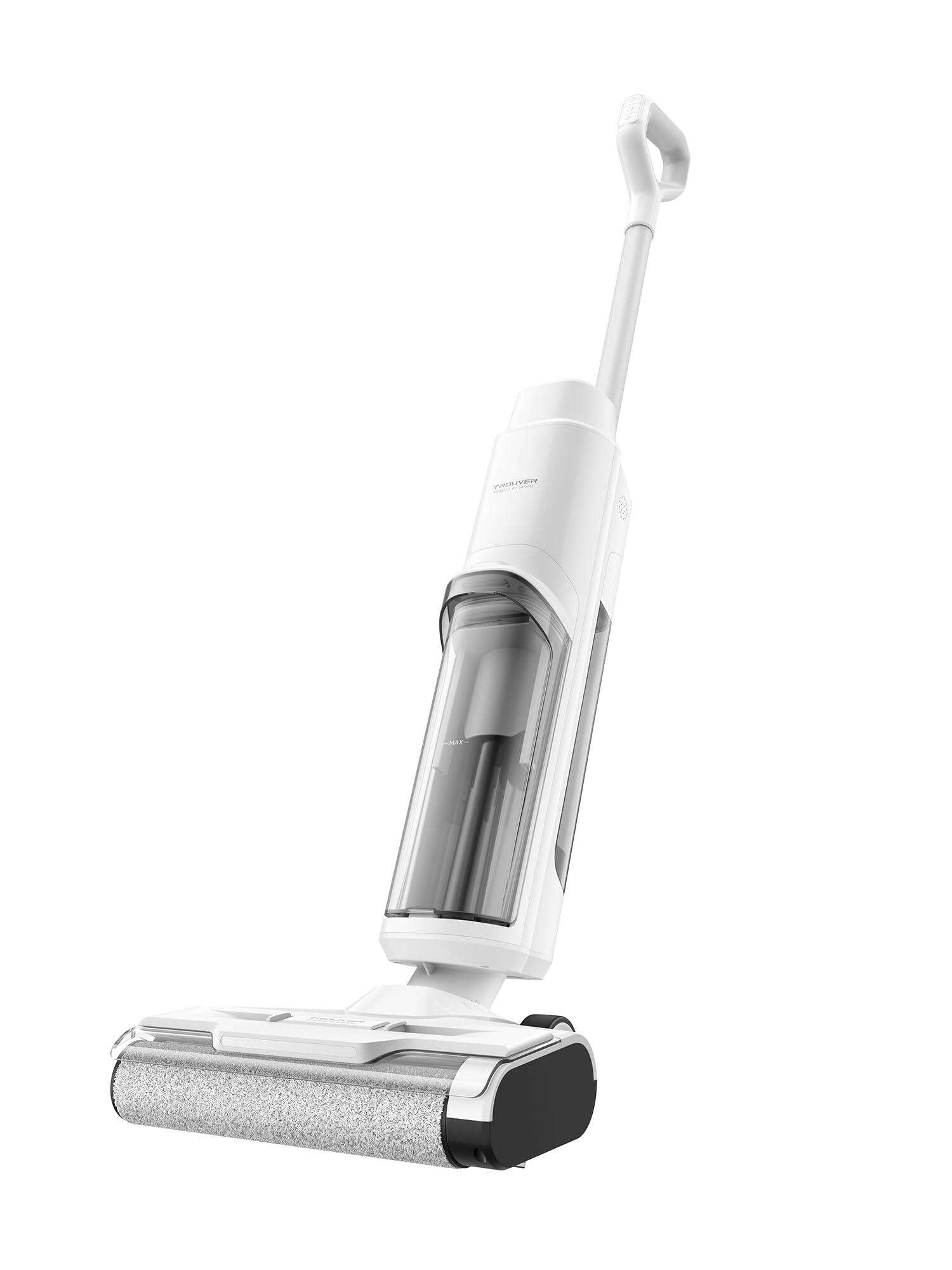
Robot vacuum replacement parts play a crucial role in maintaining optimal cleaning performance and extending the operational lifespan of automated cleaning systems. Understanding which specific components require regular replacement and how they impact overall functionality helps users make informed decisions about maintenance schedules and part selection. The strategic replacement of worn components prevents performance degradation, reduces energy consumption, and ensures consistent cleaning results across different floor surfaces and debris types.
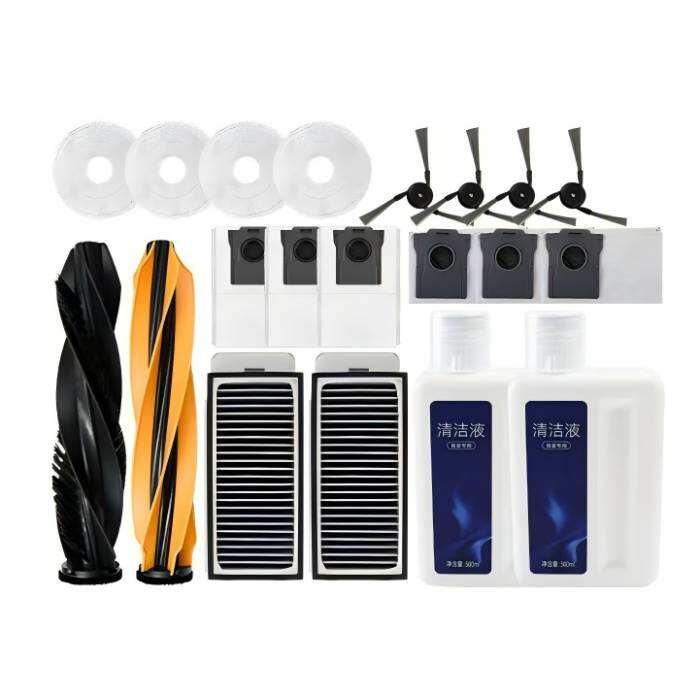
The selection of appropriate robot vacuum replacement parts directly influences cleaning efficiency, battery life, and mechanical durability. High-quality replacement components maintain suction power, preserve filtration effectiveness, and reduce strain on internal motors and drive systems. Regular replacement schedules for consumable parts prevent accumulated debris from causing permanent damage to expensive internal mechanisms while ensuring consistent performance standards throughout the device's operational lifetime.
Critical Filtration Components for Enhanced Performance
Primary Filter Systems and Air Quality Impact
Primary filtration systems represent the most frequently replaced robot vacuum replacement parts, directly affecting both cleaning performance and indoor air quality. HEPA filters and high-efficiency particulate filters capture microscopic particles, allergens, and fine dust that standard filtration cannot address. These filters become clogged over time, reducing suction power and forcing motors to work harder, which increases energy consumption and accelerates wear on internal components.
The replacement frequency for primary filters typically ranges from 2-6 months depending on usage patterns, household dust levels, and pet presence. Degraded filters allow particles to recirculate, reducing overall cleaning effectiveness and potentially causing respiratory irritation for sensitive individuals. Quality replacement filters maintain consistent airflow patterns, preserve motor efficiency, and ensure that captured debris remains contained within the collection system rather than being redistributed throughout living spaces.
Advanced filtration systems in modern robot vacuums often incorporate multiple filter stages, each requiring different replacement intervals. Pre-filters capture larger debris and protect downstream filtration components, while secondary filters address medium-sized particles before final HEPA filtration. This multi-stage approach extends the lifespan of expensive HEPA components while maintaining superior air quality standards throughout the cleaning process.
Secondary Filtration and Debris Management
Secondary filtration components work in conjunction with primary systems to create comprehensive debris management solutions. These robot vacuum replacement parts include foam filters, mesh screens, and cyclonic separators that prevent fine particles from reaching sensitive motor components. Regular replacement of secondary filters prevents dust accumulation in motor housings, reducing overheating risks and extending mechanical component lifespans.
The interaction between primary and secondary filtration systems affects overall suction efficiency and debris containment. Worn secondary filters allow particles to bypass primary filtration, leading to premature clogging and reduced effectiveness. Quality replacement components maintain proper airflow dynamics, ensure effective particle separation, and protect expensive internal mechanisms from contamination and wear.
Maintenance schedules for secondary filtration components should align with primary filter replacement cycles to maintain system balance. Replacing only one filtration stage while neglecting others creates performance bottlenecks and reduces overall cleaning effectiveness. Comprehensive filtration maintenance ensures consistent performance standards and maximizes the return on investment for robot vacuum systems.
Brush Systems and Surface Contact Optimization
Main Roller Brush Performance Characteristics
Main roller brushes constitute essential robot vacuum replacement parts that directly contact flooring surfaces and agitate debris for collection. These components experience continuous wear from contact with various surface textures, accumulated hair and fiber entanglement, and exposure to cleaning chemicals and moisture. Worn roller brushes lose their ability to effectively lift embedded debris from carpet fibers and textured surfaces, resulting in reduced cleaning performance despite maintained suction power.
The bristle configuration and material composition of roller brushes affect their longevity and cleaning effectiveness across different floor types. Natural bristles provide excellent agitation for fine particles but wear more quickly than synthetic alternatives. Rubber components resist hair entanglement but may become less effective on carpet surfaces over time. Understanding these characteristics helps users select appropriate replacement components based on their specific cleaning environments and performance requirements.
Replacement intervals for main roller brushes typically range from 6-12 months depending on usage frequency, floor surface types, and debris characteristics. Pet hair, long fibers, and abrasive particles accelerate wear patterns and may require more frequent replacement cycles. Regular inspection of roller brush condition helps identify wear patterns before they significantly impact cleaning performance, allowing for proactive maintenance scheduling.
Side Brush Maintenance and Edge Cleaning
Side brushes represent specialized robot vacuum replacement parts designed to extend cleaning coverage to wall edges, corners, and tight spaces where main roller systems cannot reach effectively. These rotating components sweep debris toward the main suction inlet, ensuring comprehensive coverage across entire room areas. Worn or damaged side brushes reduce edge cleaning effectiveness and may leave visible debris lines along baseboards and furniture edges.
The flexible bristle design of side brushes makes them particularly susceptible to damage from furniture legs, door thresholds, and accumulated debris. Bent or missing bristles create uneven contact patterns that reduce sweeping effectiveness and may cause scratching on delicate floor surfaces. Regular replacement maintains consistent edge cleaning performance and prevents damage to flooring materials from worn brush components.
Side brush replacement schedules should consider both bristle wear and mounting system integrity. Loose or wobbly side brushes indicate bearing wear that affects cleaning performance and may cause noise issues during operation. Quality replacement parts include proper mounting hardware and balanced bristle arrangements that ensure smooth operation and effective debris management along room perimeters.
Battery Systems and Power Management
Battery Cell Degradation and Capacity Loss
Battery systems represent the most expensive robot vacuum replacement parts but critically impact operational runtime, cleaning coverage, and long-term device functionality. Lithium-ion batteries experience gradual capacity degradation through charge cycles, with typical lifespans ranging from 2-4 years depending on usage patterns and charging practices. Reduced battery capacity directly limits cleaning coverage area and may prevent completion of programmed cleaning cycles.
Temperature exposure, charging frequency, and discharge depth significantly affect battery longevity and performance characteristics. Batteries subjected to extreme temperatures or frequent deep discharge cycles degrade more rapidly than those maintained within optimal operating ranges. Understanding these factors helps users optimize charging practices and identify appropriate replacement timing before performance becomes unacceptable.
Modern robot vacuum batteries incorporate sophisticated management systems that monitor cell health, balance charging across multiple cells, and protect against overcharge conditions. These systems provide diagnostic information that helps users assess battery condition and plan replacement schedules. Quality replacement batteries include updated management systems and improved cell chemistry that may offer enhanced performance compared to original components.
Charging System Components and Connectivity
Charging system components work in conjunction with battery systems to ensure reliable power management and automated operation. These robot vacuum replacement parts include charging contacts, docking sensors, and power management circuits that facilitate autonomous charging cycles. Worn or corroded charging contacts prevent reliable docking and may cause incomplete charging cycles that reduce operational effectiveness.
The mechanical precision required for proper docking alignment makes charging system components susceptible to wear from repeated contact cycles. Misaligned or damaged docking mechanisms prevent reliable charging and may cause the robot to become stranded with depleted batteries. Regular inspection and maintenance of charging system components ensures consistent autonomous operation and prevents operational interruptions.
Replacement charging system components should maintain compatibility with existing battery management systems and docking station configurations. Mismatched components may cause charging inefficiencies, safety issues, or compatibility problems that affect overall system reliability. Quality replacement parts preserve original design specifications while incorporating improved materials and manufacturing tolerances.
Sensor Systems and Navigation Accuracy
Optical Sensor Maintenance and Calibration
Optical sensors constitute critical robot vacuum replacement parts that enable autonomous navigation, obstacle detection, and mapping functionality. These components accumulate dust, pet hair, and cleaning residue that interfere with accurate distance measurement and environmental detection. Contaminated sensors cause navigation errors, increased collision frequency, and reduced cleaning efficiency as the robot struggles to maintain accurate position tracking.
The precision manufacturing requirements for optical sensor components make them sensitive to physical damage and environmental contamination. Scratched lenses, misaligned emitters, or damaged detector arrays significantly impact navigation accuracy and may cause erratic movement patterns. Regular cleaning and periodic replacement of optical sensor assemblies maintains navigation precision and prevents costly collisions with furniture and household items.
Advanced robot vacuum systems incorporate multiple optical sensor types including cliff detection, distance measurement, and mapping sensors. Each sensor type requires specific maintenance procedures and replacement intervals based on exposure conditions and usage patterns. Understanding the function and maintenance requirements for different sensor types helps users develop appropriate replacement schedules and maintain optimal navigation performance.
Mechanical Sensor Integration and Durability
Mechanical sensors complement optical systems by providing tactile feedback for obstacle detection and surface transition recognition. These robot vacuum replacement parts include bump sensors, wheel encoders, and brush contact sensors that monitor physical interactions with the environment. Worn mechanical sensors may cause delayed obstacle response, inaccurate distance tracking, or failure to recognize surface transitions between different floor types.
The repeated impact and friction experienced by mechanical sensors during normal operation causes gradual degradation of switch mechanisms and position encoders. Sticky or unresponsive sensors prevent accurate environmental feedback and may cause navigation errors or cleaning pattern irregularities. Regular replacement of mechanical sensor components maintains responsive operation and ensures accurate feedback for navigation control systems.
Integration between mechanical and optical sensor systems requires precise calibration and timing coordination. Mismatched sensor responses or delayed feedback from worn components can cause navigation conflicts and erratic behavior patterns. Comprehensive sensor maintenance that addresses both optical and mechanical components ensures coordinated system operation and maintains navigation accuracy across diverse cleaning environments.
FAQ
How often should robot vacuum replacement parts be changed for optimal performance?
Replacement intervals vary by component type and usage conditions. Filters typically require replacement every 2-6 months, roller brushes every 6-12 months, side brushes every 3-6 months, and batteries every 2-4 years. Heavy usage, pet hair, and dusty environments may require more frequent replacement cycles. Monitor component condition regularly and replace when performance degradation becomes noticeable rather than following rigid schedules.
Which robot vacuum replacement parts have the greatest impact on cleaning performance?
Filtration systems and brush components typically provide the most noticeable performance improvements when replaced. Clogged filters reduce suction power and air quality, while worn brushes lose agitation effectiveness on carpets and textured surfaces. Battery replacement restores operational runtime and coverage area. Sensor cleaning and replacement maintains navigation accuracy but may not directly affect cleaning quality until severely degraded.
Can using generic robot vacuum replacement parts affect device warranty coverage?
Generic replacement parts may void warranty coverage if they cause damage to the robot vacuum system or fail to meet original equipment specifications. Manufacturer-approved parts typically maintain warranty protection while ensuring compatibility and performance standards. Review warranty terms carefully and consider the cost difference between generic and approved parts when making replacement decisions, especially during the warranty period.
What signs indicate that robot vacuum replacement parts need immediate attention?
Reduced suction power, incomplete cleaning cycles, navigation errors, unusual noises, or visible debris left behind indicate potential component issues. Battery problems manifest as shortened runtime or failure to complete programmed cleaning areas. Sensor issues cause increased collisions, missed areas, or erratic movement patterns. Address these symptoms promptly to prevent additional damage to internal components and maintain cleaning effectiveness.
Table of Contents
- Critical Filtration Components for Enhanced Performance
- Brush Systems and Surface Contact Optimization
- Battery Systems and Power Management
- Sensor Systems and Navigation Accuracy
-
FAQ
- How often should robot vacuum replacement parts be changed for optimal performance?
- Which robot vacuum replacement parts have the greatest impact on cleaning performance?
- Can using generic robot vacuum replacement parts affect device warranty coverage?
- What signs indicate that robot vacuum replacement parts need immediate attention?