
 EN
EN
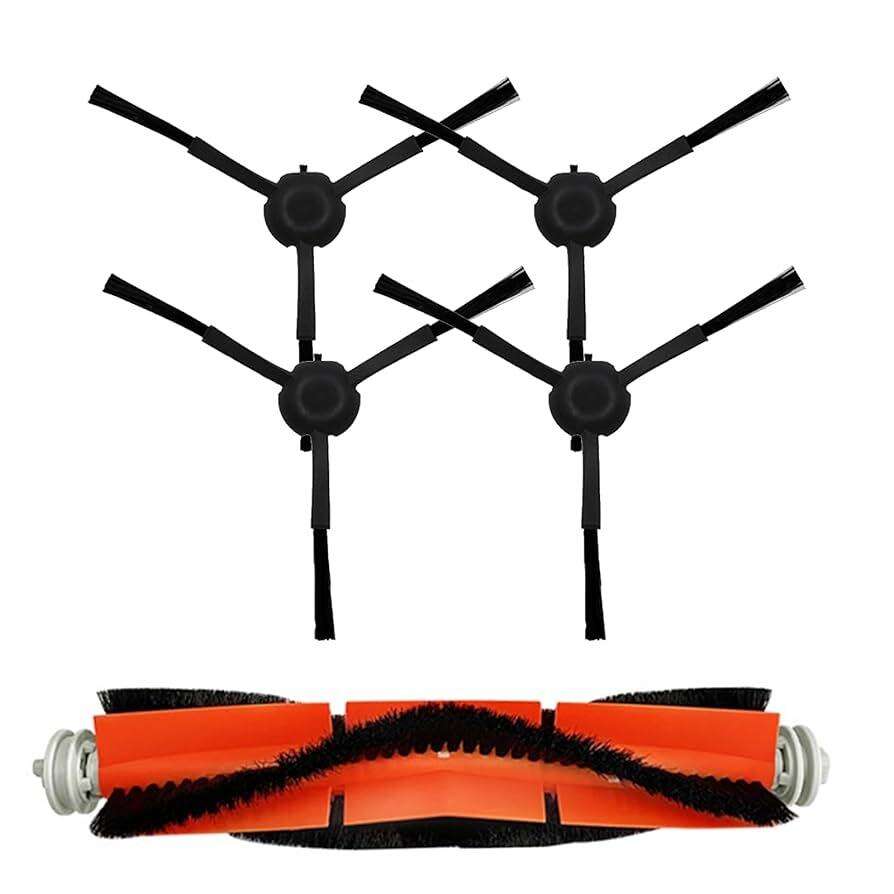
Procurement managers and facility directors across various industries face mounting pressure to optimize operational costs while maintaining cleaning standards. The strategic sourcing of vacuum replacement parts has emerged as a critical component of effective facility management, offering substantial cost savings and operational efficiency gains. Understanding which replacement components deliver the highest return on investment can transform routine maintenance expenses into strategic competitive advantages.
The commercial vacuum maintenance industry has evolved significantly over the past decade, with manufacturers developing more sophisticated replacement part programs tailored specifically for bulk purchasing scenarios. These programs recognize that high-volume buyers require different value propositions than individual consumers, focusing on extended service intervals, standardized components, and predictable replacement schedules that align with budget planning cycles.
Modern facility management teams increasingly recognize that proactive replacement part procurement strategies can reduce emergency maintenance costs by up to forty percent while extending equipment lifespan by significant margins. This shift from reactive to proactive maintenance planning requires careful analysis of component failure patterns, usage intensity factors, and total cost of ownership calculations that extend beyond initial purchase prices.
High-Impact Filter Systems for Cost-Conscious Operations
HEPA Filter Optimization Strategies
High-efficiency particulate air filters represent one of the most critical investment areas for bulk buyers seeking maximum value from vacuum replacement parts. These filtration systems directly impact both air quality outcomes and operational efficiency metrics, making them prime candidates for strategic sourcing initiatives. Professional-grade HEPA filters typically offer extended service intervals compared to standard alternatives, reducing both replacement frequency and associated labor costs.
The economics of HEPA filter procurement become increasingly favorable at scale, with volume discounts often reaching twenty to thirty percent below standard retail pricing. Additionally, many manufacturers offer extended warranty programs exclusively for bulk purchasers, providing protection against premature filter failure and ensuring consistent performance across large equipment fleets.
Advanced HEPA filter designs incorporate features specifically beneficial for high-volume applications, including reinforced frames that withstand frequent handling, graduated filtration layers that extend service life, and standardized mounting systems that simplify technician training and reduce installation errors. These design elements translate into measurable cost savings over time, making premium HEPA filters surprisingly economical for bulk buyers.
Multi-Stage Filtration Component Integration
Sophisticated facility management operations benefit significantly from implementing comprehensive multi-stage filtration systems that maximize debris capture while minimizing maintenance requirements. These integrated approaches typically combine pre-filters, primary filtration elements, and final-stage HEPA components to create synergistic cleaning performance that extends beyond the sum of individual components.
Bulk procurement of complete filtration systems often unlocks additional value through manufacturer incentives, technical support programs, and customized replacement schedules that align with specific operational requirements. Many suppliers offer comprehensive filtration packages that include all necessary components at predetermined intervals, simplifying inventory management while ensuring consistent performance standards.
The strategic advantage of integrated filtration procurement extends to reduced complexity in vendor management, streamlined quality assurance processes, and enhanced ability to negotiate favorable terms based on comprehensive purchase volumes rather than individual component orders.
Brush Assembly Components That Maximize Cleaning Efficiency
Main Brush Technology Advancements
Contemporary main brush assemblies incorporate sophisticated materials science and engineering principles that deliver substantially improved performance characteristics compared to legacy designs. These technological advancements translate into extended service intervals, reduced maintenance requirements, and improved cleaning efficacy that justifies premium pricing for volume buyers focused on total cost optimization.
Professional-grade brush assemblies feature advanced bristle materials that resist wear, maintain flexibility under stress, and provide consistent debris agitation throughout their service life. These performance characteristics become particularly valuable in high-intensity commercial applications where equipment operates continuously and replacement downtime carries significant operational costs.
Volume procurement of advanced brush assemblies often includes access to manufacturer training programs, technical documentation, and performance optimization consultations that help facilities maximize the return on their investment. These value-added services can significantly enhance the overall economics of brush assembly procurement for strategic buyers.
Side Brush Configuration Optimization
Edge cleaning performance represents a critical factor in overall facility maintenance effectiveness, making side brush selection particularly important for comprehensive cleaning programs. Modern side brush designs incorporate flexible materials and optimized geometries that enhance corner and edge cleaning performance while minimizing wear on both the brushes themselves and adjacent surfaces.
Bulk buyers benefit from standardized side brush configurations that simplify inventory management, reduce training requirements, and enable efficient replacement procedures across diverse equipment fleets. Many manufacturers offer side brush packages specifically designed for high-volume operations, including reinforced mounting systems and extended-life materials that reduce replacement frequency.
The economics of side brush procurement improve dramatically with volume purchases, as manufacturers can offer specialized products that might not be economically viable for smaller orders. These specialized configurations often include features like enhanced durability coatings, optimized bristle patterns, and improved mounting mechanisms that deliver superior long-term value.
Dust Container and Bag Systems for Large-Scale Operations
Capacity Optimization Considerations
Large-capacity dust collection systems represent essential infrastructure for efficient commercial cleaning operations, requiring careful analysis of capacity requirements, emptying frequency, and total operational costs. Strategic procurement of appropriately sized dust containers can significantly impact labor efficiency, equipment utilization rates, and overall cleaning program economics.
Professional-grade dust collection systems often feature modular designs that accommodate varying capacity requirements while maintaining standardized interfaces and operational procedures. This flexibility becomes particularly valuable for organizations managing diverse facility types with varying debris generation rates and cleaning frequency requirements.
Bulk procurement of dust collection components typically includes access to customization options, extended warranty coverage, and technical support services that enhance the overall value proposition. Many suppliers offer comprehensive packages that combine containers, filtration elements, and sealing systems optimized for specific operational requirements.
Disposable Bag System Economics
Disposable bag systems offer significant operational advantages for large-scale cleaning operations, including simplified waste disposal procedures, reduced cross-contamination risks, and minimized direct contact with collected debris. The economics of disposable bag systems become increasingly favorable with volume procurement, as manufacturers can offer substantial discounts on bulk orders while providing guaranteed supply continuity.
Modern disposable bag designs incorporate advanced materials that maximize capacity while maintaining structural integrity under various loading conditions. These engineering improvements translate into reduced bag consumption rates, lower disposal costs, and improved operational efficiency that justifies premium pricing for quality-focused bulk buyers.
Strategic sourcing of disposable bag systems often includes access to customized packaging options, delivery scheduling programs, and inventory management services that further enhance the value proposition. Many suppliers offer vacuum replacement parts packages specifically designed for high-volume operations, combining bags with complementary components at attractive bundle pricing.
Battery and Power Management Components
Advanced Battery Technology Integration
Contemporary cordless vacuum systems rely on sophisticated battery technologies that offer extended runtime, rapid charging capabilities, and enhanced cycle life characteristics. These technological advances create opportunities for strategic buyers to optimize total cost of ownership through careful selection of battery replacement components that align with operational requirements and budget constraints.
Professional-grade battery systems often incorporate advanced battery management systems that optimize charging patterns, prevent overcharging damage, and provide diagnostic information that enables predictive maintenance strategies. These features become particularly valuable in commercial applications where equipment downtime carries significant operational costs.
Volume procurement of battery components typically includes access to technical training programs, installation support services, and extended warranty coverage that enhance the overall value proposition. Many manufacturers offer battery optimization consultations that help facilities maximize performance while minimizing replacement frequency and associated costs.
Charging System Optimization
Efficient charging infrastructure represents a critical component of successful cordless vacuum programs, requiring careful consideration of charging speed, power consumption, and system reliability factors. Strategic procurement of charging system components can significantly impact equipment availability, energy costs, and overall operational efficiency.
Advanced charging systems often feature intelligent power management capabilities that optimize charging cycles based on usage patterns, battery condition, and operational requirements. These sophisticated features help extend battery life while reducing energy consumption and minimizing the risk of charging-related equipment failures.
Bulk buyers benefit from comprehensive charging system packages that include all necessary components, installation support, and ongoing technical assistance. Many suppliers offer customized charging solutions designed specifically for high-volume operations, incorporating features like centralized monitoring, automated scheduling, and predictive maintenance capabilities.
Quality Assurance and Vendor Selection Criteria
Certification Standards and Compliance Requirements
Professional-grade vacuum replacement parts must meet stringent certification standards that ensure consistent performance, safety compliance, and compatibility with existing equipment systems. These certification requirements become particularly critical for bulk buyers who need assurance that large-volume purchases will deliver expected performance outcomes across diverse operational environments.
Industry-leading manufacturers typically maintain comprehensive certification programs that encompass product design, manufacturing processes, and quality control procedures. These certifications provide bulk buyers with confidence in product reliability while reducing the risk of performance issues that could impact operational efficiency or safety compliance.
Strategic vendors often provide detailed certification documentation, test results, and performance data that enable informed procurement decisions. This technical information becomes particularly valuable for bulk buyers who need to justify purchasing decisions and demonstrate compliance with organizational procurement policies.
Supply Chain Reliability and Support Services
Reliable supply chain management represents a critical factor in successful bulk procurement programs, requiring careful evaluation of vendor capabilities, inventory management systems, and customer support infrastructure. Leading suppliers typically offer comprehensive support programs that include guaranteed delivery schedules, emergency replacement services, and technical assistance programs.
Professional supply chain partners often provide value-added services that extend beyond basic product delivery, including inventory management consulting, usage forecasting, and customized packaging solutions. These services can significantly enhance the overall value proposition for bulk buyers while reducing administrative overhead and operational complexity.
Strategic vendor relationships typically include access to preferred customer programs, priority allocation during supply shortages, and collaborative planning processes that align supplier capabilities with customer requirements. These relationship benefits often prove more valuable than simple price discounts for sophisticated bulk buyers.
FAQ
What factors should guide vacuum replacement parts procurement decisions for bulk buyers
Successful bulk procurement requires comprehensive analysis of total cost of ownership factors including initial purchase price, expected service life, maintenance requirements, and operational impact. Strategic buyers should evaluate supplier capabilities, certification standards, warranty coverage, and support services alongside basic pricing considerations. Additionally, compatibility requirements, standardization opportunities, and inventory management implications must be carefully assessed to ensure optimal procurement outcomes.
How can facilities optimize replacement part inventory management for large vacuum fleets
Effective inventory management combines predictive maintenance strategies with standardized component selection to minimize carrying costs while ensuring adequate supply availability. Facilities should implement usage tracking systems that monitor replacement patterns, establish minimum stock levels based on lead times and consumption rates, and develop vendor relationships that include emergency replacement capabilities. Standardization across equipment fleets significantly simplifies inventory management while enabling volume purchasing advantages.
What warranty and support considerations are most important for bulk vacuum parts purchases
Comprehensive warranty coverage should encompass both individual component defects and system performance guarantees that account for the integrated nature of modern vacuum systems. Bulk buyers should prioritize suppliers offering extended warranty periods, rapid replacement procedures, and technical support services that minimize operational disruption. Additionally, training programs, documentation quality, and ongoing technical assistance capabilities represent valuable warranty-adjacent benefits that enhance overall procurement value.
How do volume discounts typically structure for professional vacuum replacement parts
Volume discount structures vary significantly across suppliers and product categories, typically featuring tiered pricing models that reward larger purchase commitments with progressively better pricing. Professional suppliers often offer annual purchase agreements that guarantee specific pricing levels in exchange for minimum volume commitments, while some manufacturers provide rebate programs based on total annual purchases across multiple product categories. Strategic buyers should evaluate total program economics rather than focusing exclusively on individual component discounts.
Table of Contents
- High-Impact Filter Systems for Cost-Conscious Operations
- Brush Assembly Components That Maximize Cleaning Efficiency
- Dust Container and Bag Systems for Large-Scale Operations
- Battery and Power Management Components
- Quality Assurance and Vendor Selection Criteria
-
FAQ
- What factors should guide vacuum replacement parts procurement decisions for bulk buyers
- How can facilities optimize replacement part inventory management for large vacuum fleets
- What warranty and support considerations are most important for bulk vacuum parts purchases
- How do volume discounts typically structure for professional vacuum replacement parts